

Digital Welder
Engineers at Innopolis University have developed software that speeds up the configuration of welding robots by three to five times. The project demonstrates that Russian IT professionals are capable of building sophisticated industrial products at a global level that are ready for large-scale deployment in manufacturing.
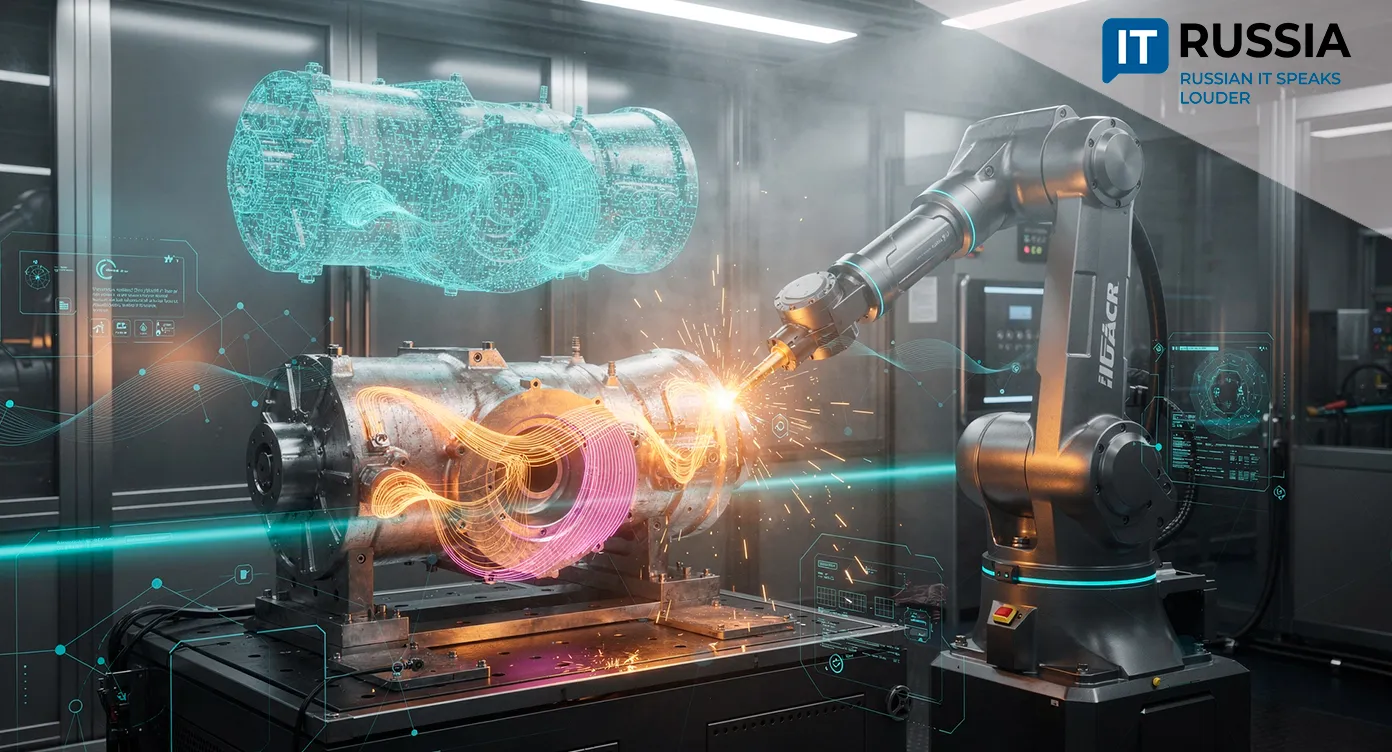
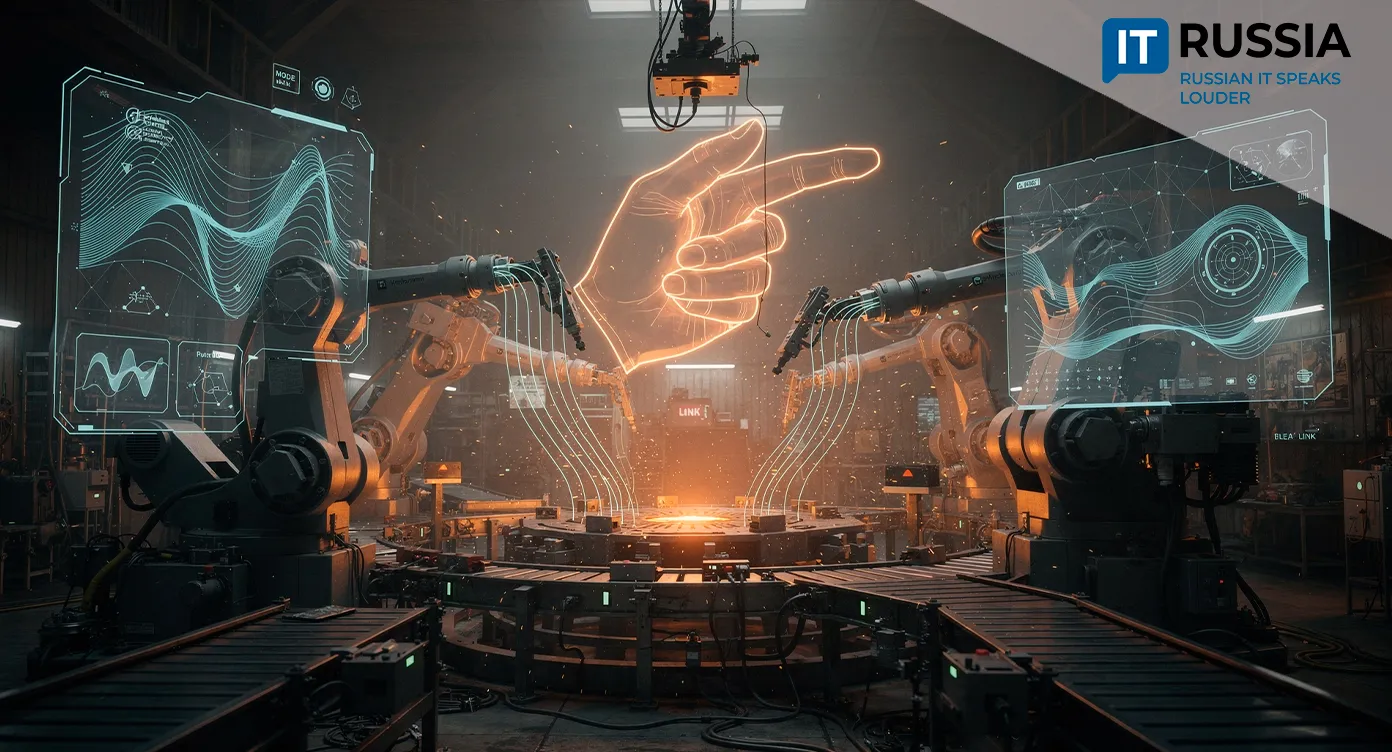
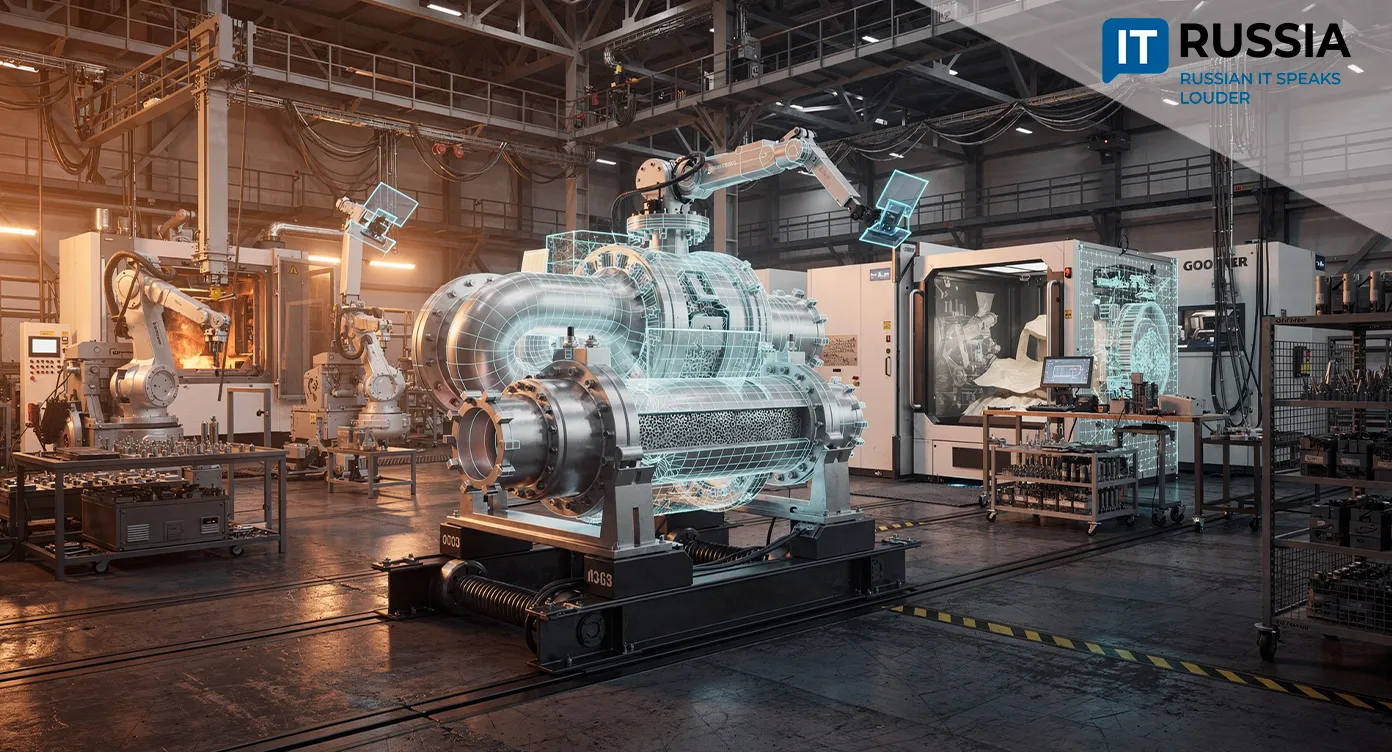
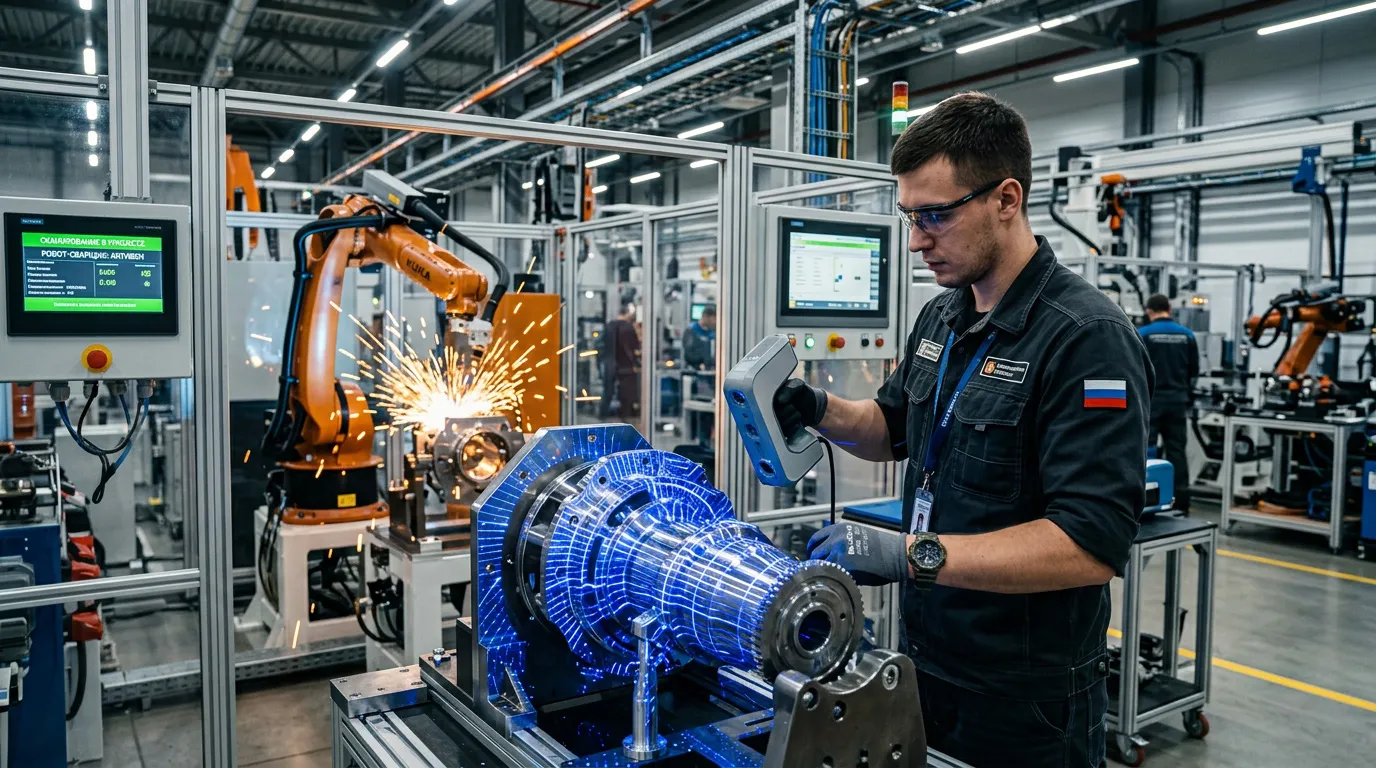
The new software developed by Innopolis University is designed to simplify the work of manufacturing process engineers and help automate welding operations in confined workspaces, on products with complex geometry and in hard-to-reach welding zones. Using the new platform, an operator or design engineer can scan a component that requires welding, after which the system independently identifies key points, aligns the scan with the 3D model and calibrates the component’s position.
Once welding seams are selected, the software autonomously builds the welding path, validates it in a virtual environment and launches a simulation. All adjustments are made online, while the finished program is transferred directly to the robot controller. At the same time, the entire control process remains synchronized with the digital environment in real time.
The platform’s main advantage is its universality. The solution is compatible with any industrial robot that supports external control. Thanks to its flexible architecture and intuitive interface, the software can be adapted for a wide range of tasks, from mass production to specialized engineering projects. The software can be deployed in automotive manufacturing, heavy machinery, pipeline and energy industries, shipbuilding, aerospace production, as well as the manufacturing of agricultural equipment and complex structural components.
The Industrial Robotics Development Center at Innopolis University says its next priorities include expanding the list of supported robot brands, registering the software in Russia’s domestic software registry, packaging the platform for commercial rollout on the Russian market and adding functionality for programming multi-robot welding cells with autonomous workflow optimization.
Industry Is Ready for Large-Scale Robotics Deployment
The Innopolis project directly addresses demand from the industrial sector by simplifying the automation of complex welding operations, reducing dependence on imported software and accelerating the transition toward smart manufacturing. The initiative also aligns with Russia’s strategic target of increasing robot density to 145 robots per 10,000 industrial workers by 2030.
Russia’s industrial robotics sector has entered a phase of rapid expansion. By the end of 2025, the industrial robotics market reached 7.86 billion rubles (about $110.2 million), up 14% year over year, and analysts expect it to grow to 15.1 billion rubles ($211.8 million) by 2030. Already, 23% of companies use robots, another 40% are planning deployments, and 57% say they are prepared to invest in turnkey universal systems powered by physical AI technologies.
Government Investment Is Delivering Industrial Results
Government support is opening new opportunities for robotics deployment. Roughly $1.7 billion will be directed toward the sector over the next six years. The funding will support demand stimulation, R&D and infrastructure development, including the creation of 30 regional robotics centers. A central part of that ecosystem is the Industrial Robotics Development Center at Innopolis University, launched in 2024 as a federal platform. The center conducts systematic work that includes robot deployments in industrial regions, technical audits, educational programs and the development of solutions for welding, cladding and quality control. That approach helps sustain long-term industry growth and turns state investment into measurable technological results.
Robots Are Already Saving Time and Money at Factories
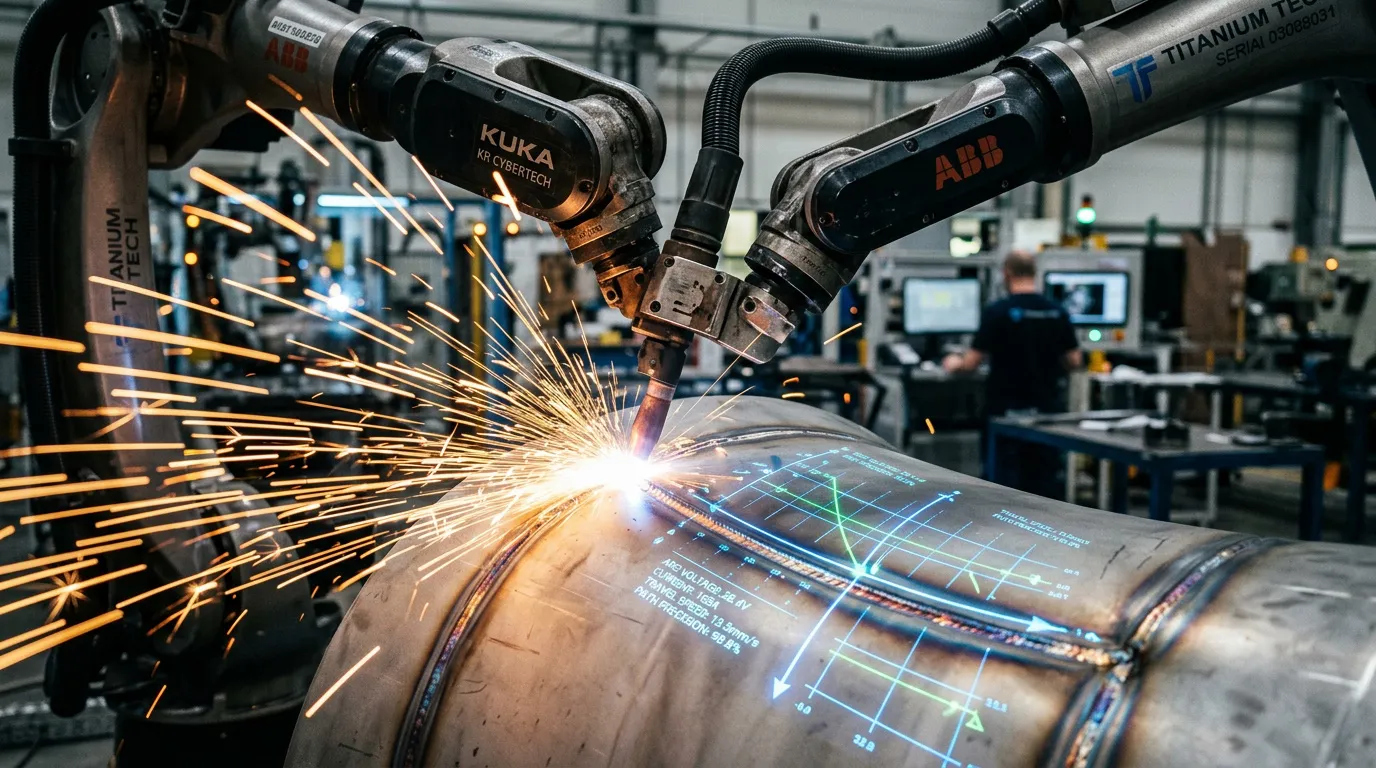
Welding automation consistently ranks among the top three industrial robotics applications in Russia. Already, 47 out of the country’s 74 largest integrators are deploying such systems. Those figures are reinforced by practical industrial examples.
A solution developed by Marketspace with support from the Skolkovo Foundation enabled the Servicegaz plant in Ulyanovsk to increase operational speed by 20% and productivity by 10%, while reducing defect rates by 15%. The deployment generated annual savings of 1.2 million rubles, or more than $16,800.
The Central Design Bureau for Machine Building, part of Rosatom, implemented robotic welding systems for nuclear power plant equipment production. The system welds seven-ton spacer components, replacing manual labor and cutting welding time in half.
In 2026, integrator Center of Engineering Competencies completed another stage of deployment involving 24 industrial robots at the DST-Ural tractor plant in Chelyabinsk. The automation project accelerated welding operations by 60%, reduced defective output to 1.8% and increased equipment production volumes.
Welding 2.0 Removes Industrial Barriers
Russian industry is prepared for large-scale deployment of welding robots. However, the market continues to face obstacles including a shortage of industrial design software, the need to program each machine individually and a weak training infrastructure.
The new software for welding manipulators developed at Innopolis addresses those gaps directly. It represents a logical next step in the industry’s evolution, moving from the creation of federal infrastructure toward ready-to-deploy industrial products that factories and systems integrators can implement without excessive costs.
Industry experts expect robotics deployment to accelerate further in the near term, alongside tighter integration between welding systems, AI technologies and laser-based manufacturing platforms. Equipment is also expected to become more accessible for small businesses. Together, those trends are creating sustained demand for Russian industrial solutions. Welding is increasingly becoming a high-tech manufacturing sector where quality and efficiency are determined by the level of digitalization.