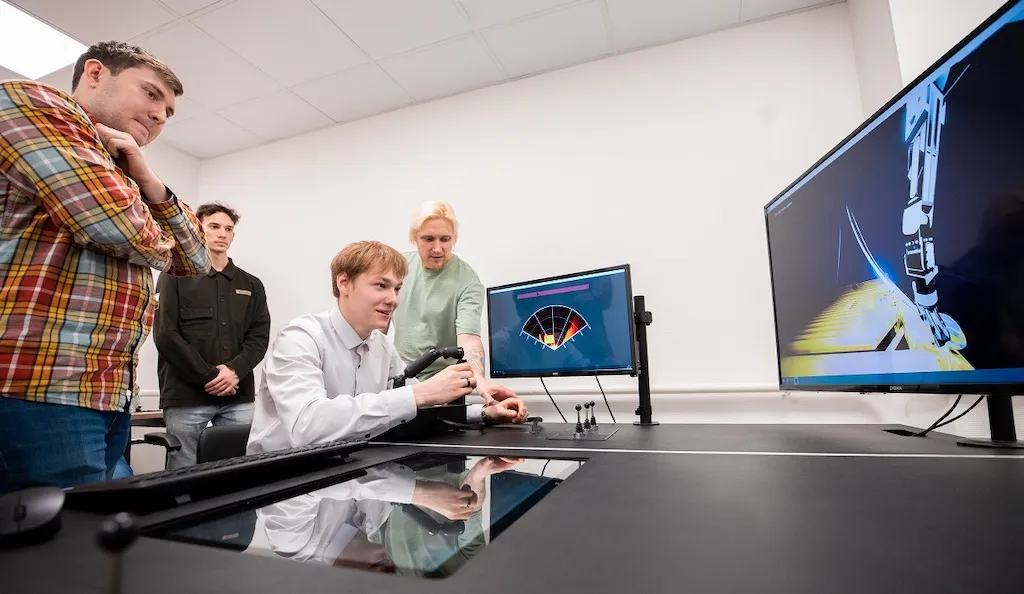
SPbU Scientists Develop Next-Generation Chips for AI Systems
Researchers at Saint Petersburg State University have proposed a new approach to building logic elements for microchips - compact, energy-efficient components capable of both processing and storing data at the same time.
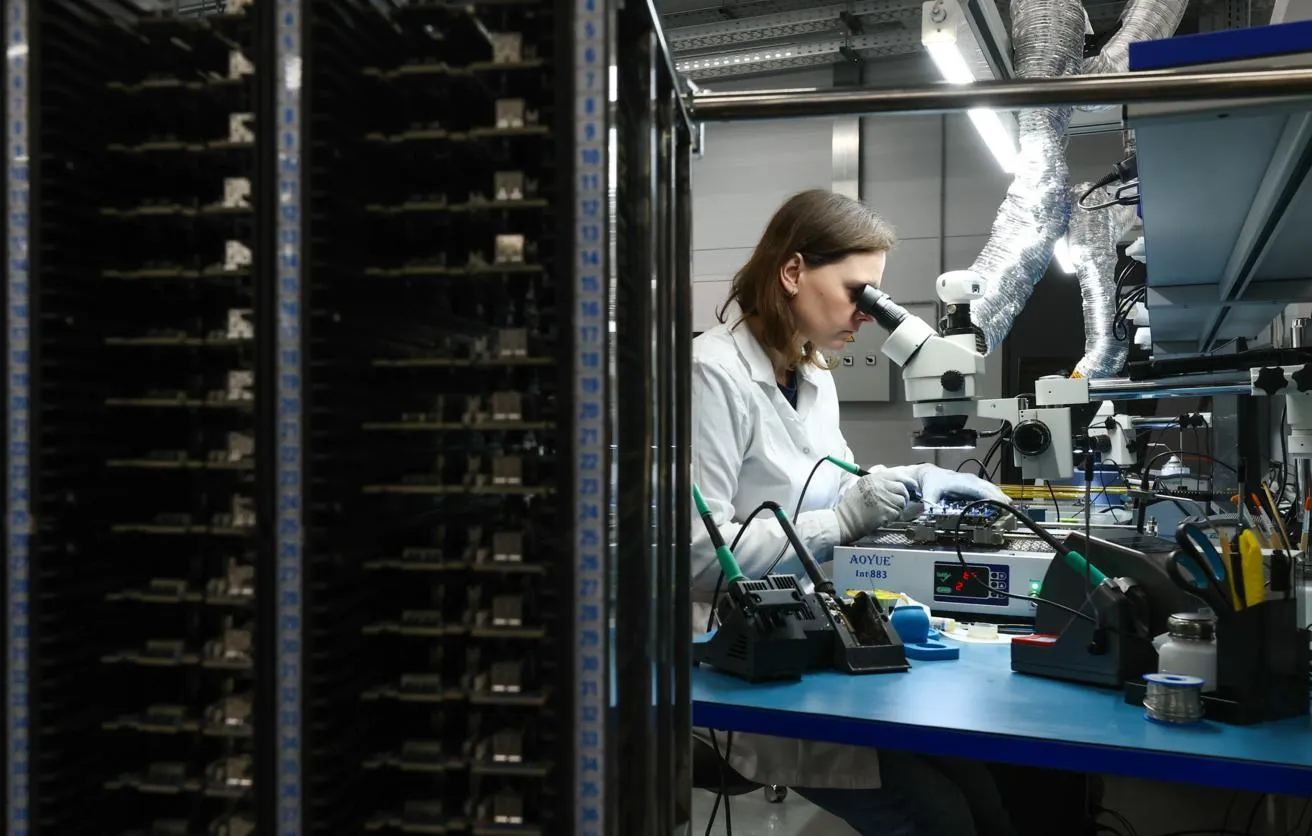
Traditional computers face a bottleneck because processors and memory operate at different speeds, and the von Neumann architecture struggles to handle the demands of modern neural networks. The researchers address this by enabling computation directly within memory, eliminating the need for constant data transfer.
Natalia Andreeva, head of the Neuromorfnaya elektronika i vychisleniya v pamyati (Neuromorphic Electronics and In-Memory Computing) laboratory, said the design is based on a logic unit combined with resistive memory (ReRAM) cells integrated into chip production using molecular layer deposition. These elements perform logical operations and store results in a single cycle, directly improving performance.
The technology is fully compatible with existing chip manufacturing processes, allowing it to be introduced into mass production with minimal cost.