AI Predicts Forest Fires Before They Start: Russia Develops Early Warning System
Wildfires destroy millions of hectares of forest every year, causing severe damage to ecosystems. Satellites and aircraft often detect a blaze only after it has already begun, and firefighting efforts start afterward. A new tool developed in Russia aims to change that timeline by predicting fire risks before flames appear.
High Technology Enters the Fight Against Wildfires
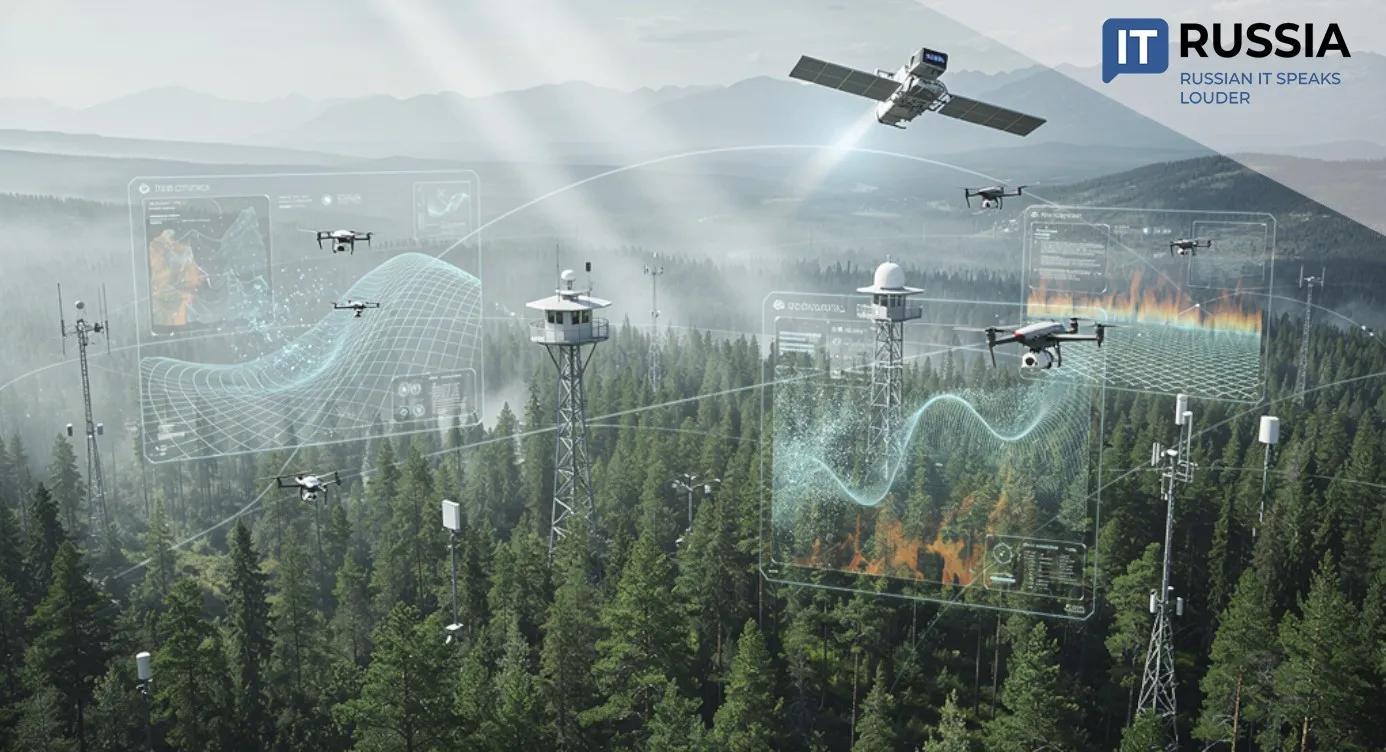
Specialists at Penza State University have developed a software system based on artificial intelligence that predicts the likelihood of forest fires. The program uses machine learning algorithms to analyze a wide range of environmental parameters.
The AI evaluates weather conditions, vegetation status, historical fire data, and many other factors, including expert assessments, to identify locations with a high probability of ignition before a fire actually starts.
Today Russia already operates the Information System for Remote Monitoring of Forest Fires (ISDM-Rosleskhoz), which relies on satellite imagery including data from domestic Kanopus-V spacecraft, along with ground and aerial monitoring sources to detect fire outbreaks. The new system from Penza State University takes the next step – it focuses not on detection but on prevention.
Mapping Risk Zones Across Vast Forest Territories
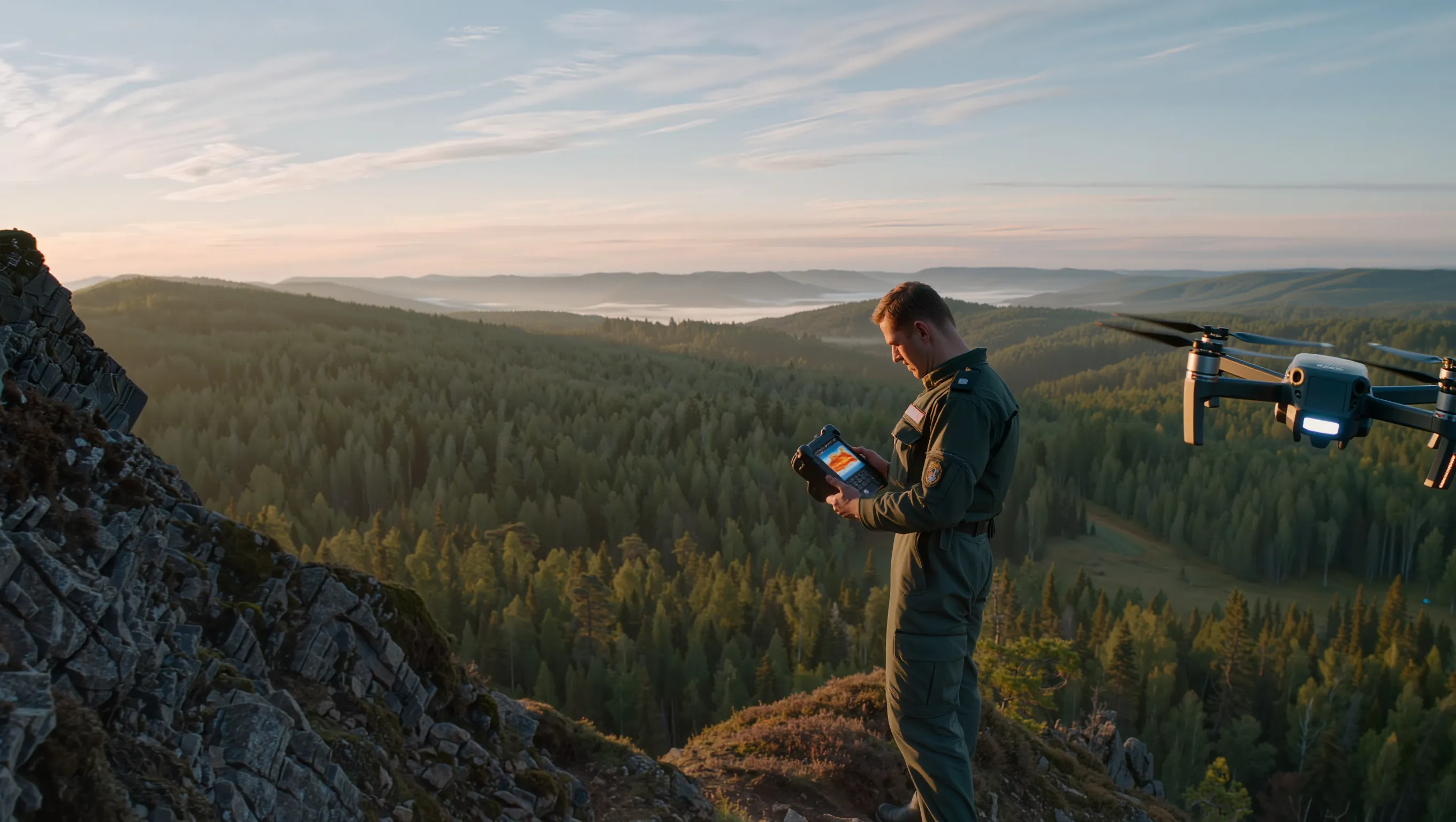
Russia, whose forests cover roughly 48 percent of its territory, has long searched for effective monitoring tools. One such solution is the remote monitoring and control system Lesookhranitel. The platform integrates more than 3,300 cameras across over 70 regions. In areas where it operates, the number of fires decreases by at least 20 percent. Another system, Lesnoy Dozor, also monitors forests and can detect even the smallest ignition. Forestry agencies in almost every region now use drones, with the total fleet exceeding two thousand units.


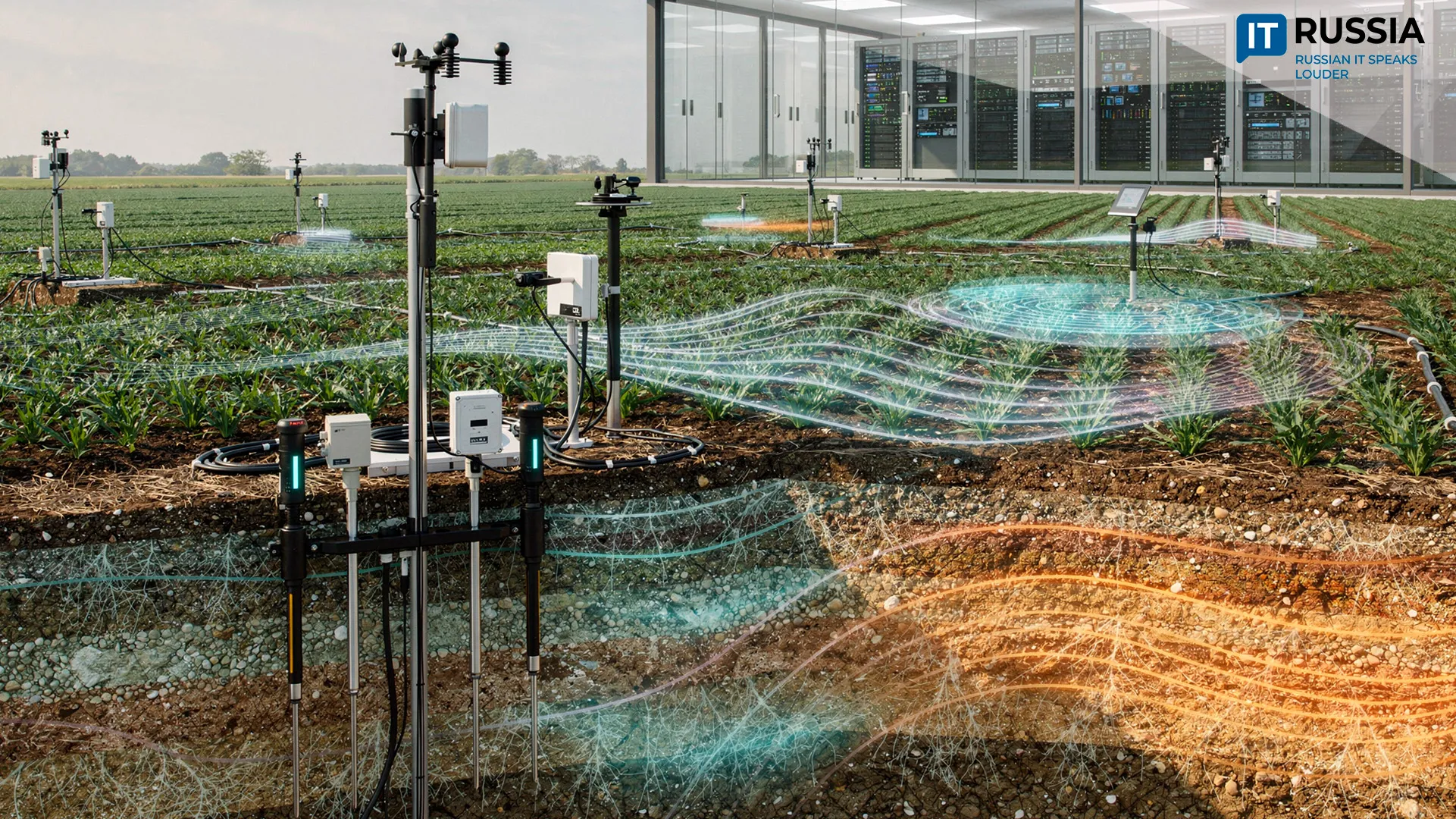
In 2025 Russia recorded 6,800 forest fires covering 4.3 million hectares. In 2024 the country reported 8,900 fires affecting 8.3 million hectares. Despite measurable progress in reducing the number of fires, the issue remains urgent. In some regions wildfires have taken on catastrophic proportions. The new development from Penza researchers focuses not on detecting a fire itself but on identifying high-risk zones. This approach could fundamentally reshape monitoring systems by automatically processing terabytes of data from satellites, ground-based weather stations, and unmanned aerial vehicles. Forest rangers, environmental agencies, and emergency services could save significant time and resources.
Toward Smarter Environmental Protection Systems
The project could position Russia among global leaders in building intelligent systems for preventing natural disasters. Demand for such technologies is high in countries that face large-scale seasonal fires similar to those affecting Russia.
The developers note that the neural network was initially trained on several thousand images, but it is designed to continue learning as more data becomes available. In the future, the same algorithms used for wildfire prediction could be adapted to forecast floods, droughts, or landslides, allowing authorities to manage a wider range of environmental risks.