In Russia, Researchers Link the Human Brain to a Computer Using Language Models
Scientists at Moscow State University’s AI Center boosted typing speeds for people with severe motor and speech impairments by integrating a large language model into a brain–computer interface.
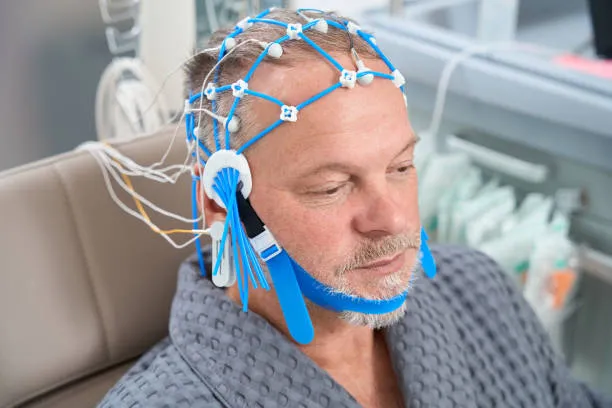
Researchers at Moscow State University have proposed a new operating strategy for brain–computer interfaces used by people with severe speech and motor impairments. Instead of attempting to recognize every letter without error, the team allowed inaccuracies in the typed text and delegated correction to a language model.
The experiments were based on a system known as the P300 speller. The device detects an electrical brain signal when a user focuses on flashing symbols. The method is reliable, but typing speed typically reaches only one to two words per minute, as it requires sustained concentration on each character.
The new approach significantly accelerates text input. The system generates a draft version that may contain typos, after which a large language model analyzes the context and automatically corrects the errors.
Neural Networks Correct Errors
The method was tested using data from previous volunteer experiments. Researchers simulated an accelerated typing mode in which various errors were allowed. The distorted phrases were then processed by different language models.
All systems successfully reconstructed the intended meaning of the sentences. This combination of a brain–computer interface and a language model increases communication speed and reduces the need for highly precise character recognition.
Developers believe the technology can be applied not only to P300 spellers but also to faster interface types. In the future, hybrid systems could be used to control smart home technologies and digital services, expanding the role of neurotechnology in everyday life.