Yandex Launches Hybrid Delivery Model
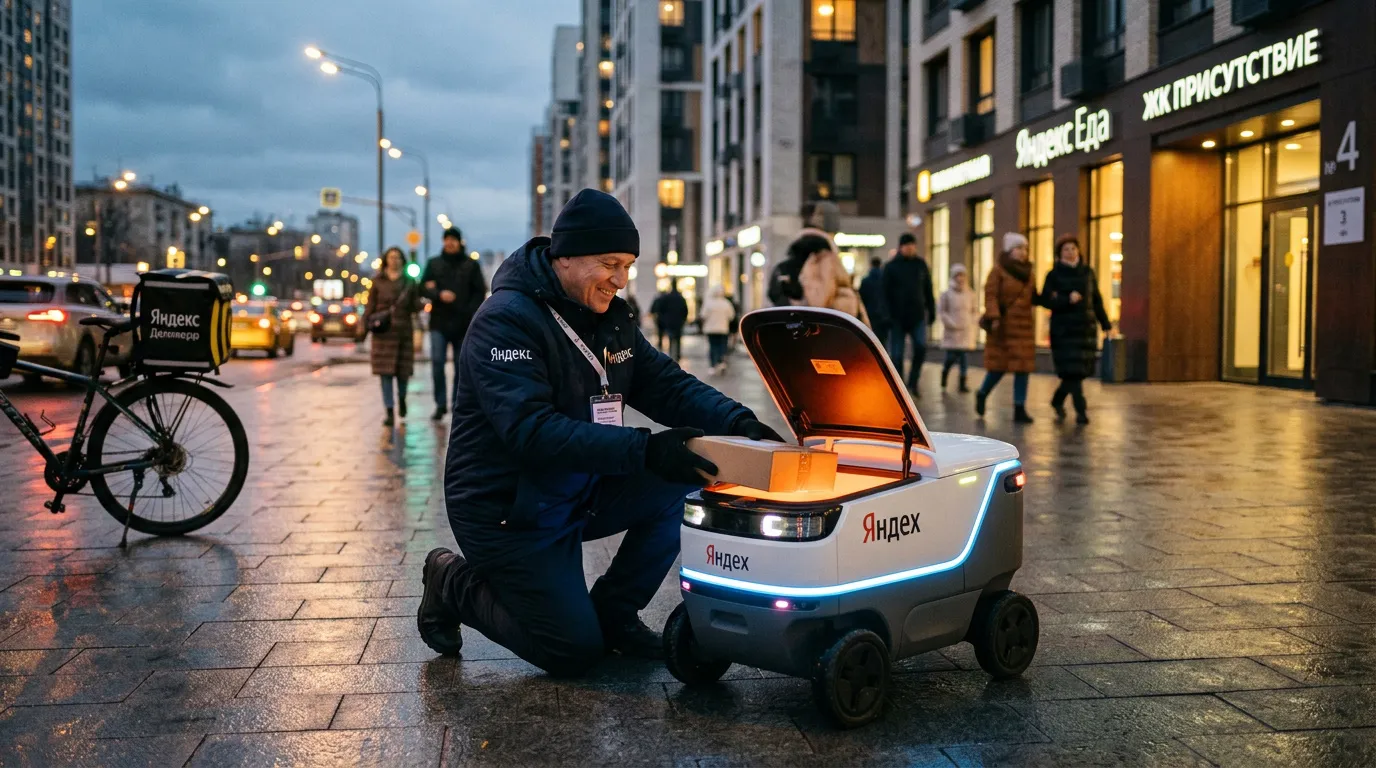
Yandex has introduced a new hybrid delivery format where a robot brings an order to a building entrance and a courier carries it the rest of the way to the customer’s door. The model is already being tested in Moscow and St. Petersburg.

Yandex has launched a combined apartment-delivery service: an autonomous delivery robot transports an order to the entrance of a residential building, where a courier picks it up and completes the final handoff. The format is currently available to some Yandex Lavka users in Moscow and St. Petersburg and is expected to expand to all cities where robotic delivery operates, as well as to Yandex Eda.
The initiative is an attempt to redesign the economics of last-mile logistics. The robot handles the longest portion of the route, while the courier covers the short final segment. For businesses, the approach reduces logistics costs. For couriers, it eliminates lengthy trips across neighborhoods. For customers, it makes door-to-door delivery more accessible.
For Russia's technology sector, the project represents another step in the development of urban robotics at the intersection of AI, navigation systems, and e-commerce. Yandex robots have already completed more than one million deliveries and operate in Moscow, St. Petersburg, Kazan, Nizhny Novgorod, and surrounding suburban areas. The company plans to deploy 20,000 delivery robots by the end of 2027.
Where Is Robotic Delivery Heading?
The most immediate opportunity for the technology is broader deployment across Russia. In March 2026, Yandex expanded robotic delivery into Khimki, Lyubertsy, Odintsovo, Dolgoprudny, and Nizhny Novgorod, while also enlarging its service area in Kazan. The primary growth driver is the rapid expansion of e-commerce. In 2025, Russia's online retail market grew by 28% to 11.5 trillion rubles (approximately $151 billion). Home-delivery volumes are also increasing. According to Data Insight, the number of deliveries in 2025 rose by a factor of 1.3 compared with 2024, with another 1.2-fold increase expected in 2026.
A shortage of couriers is also accelerating automation. In 2025, roughly three résumés were submitted per vacancy, below the typical range of four to eight. The hybrid robot-plus-courier model allows companies to preserve jobs while redistributing tasks more efficiently.
Regulatory support is strengthening the outlook as well. In 2025, Russia's Ministry of Economic Development proposed an experimental legal framework for delivery rovers, including traffic rules, speed limits, insurance requirements, and procedures for responding to accidents. According to TASS, such rovers could eventually operate in more than 30 Russian regions.
The Evolution of Yandex Robots
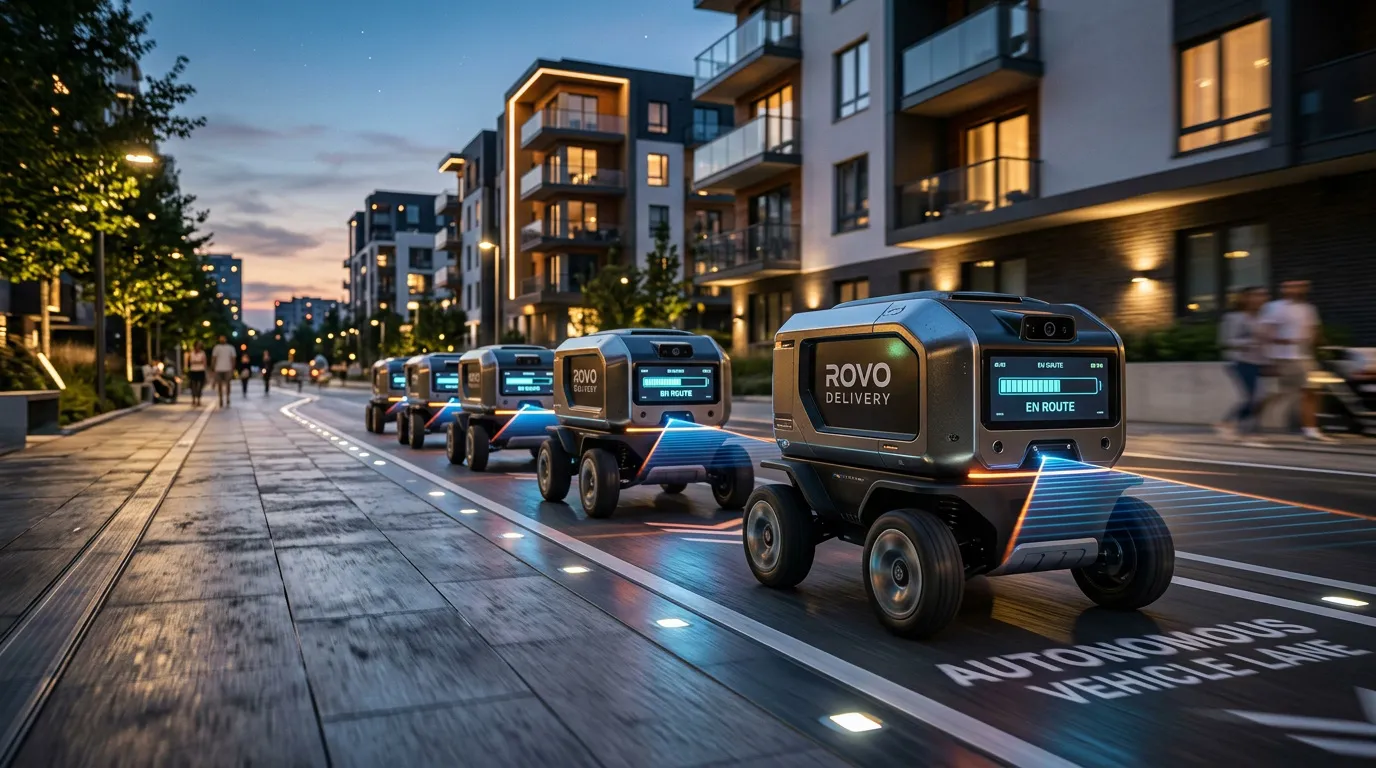
The development of robotic delivery has progressed in stages. In 2021, Yandex robots were tested on U.S. university campuses through a partnership with Grubhub and in Israel, when the technology was still being positioned as a global platform. By 2024, the company had moved into serial production, with about 130 units on assembly lines and roughly the same number already in operation.
In 2025, the Ministry of Economic Development prepared draft regulations governing rover operations, a prerequisite for large-scale deployment in cities. That same year, Yandex announced plans to deploy 20,000 robots by 2027 and scale production to as many as 1,300 units per month. In 2026, the geography of rover operations expanded further, confirming the transition from pilot programs to large-scale implementation.
The Future of the Last Mile
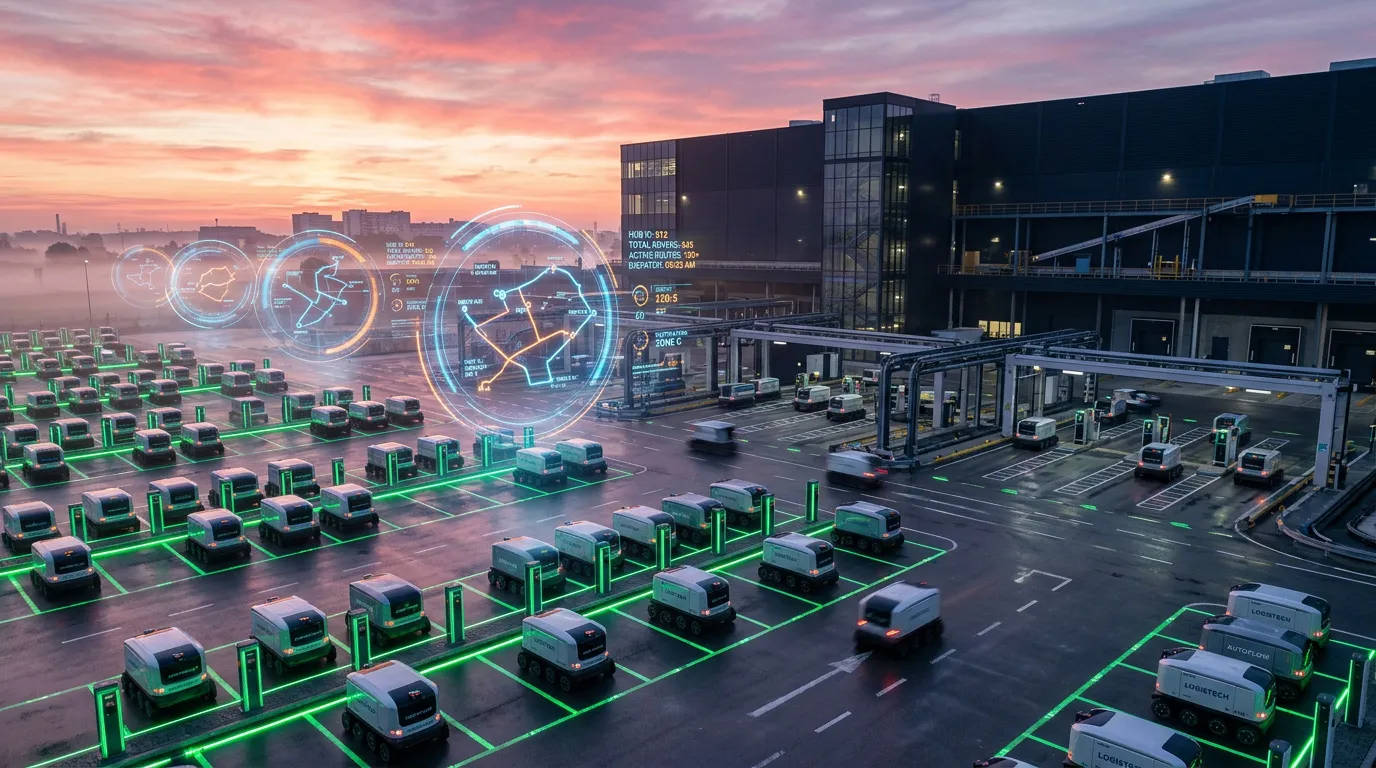
Hybrid delivery marks an important step toward the large-scale robotization of last-mile logistics in Russia. Its purpose is not to replace couriers but to divide responsibilities more efficiently: robots handle the long, repetitive portion of a route, while people manage the complex final segment involving apartment buildings, elevators, and intercom systems.
Over the next one to two years, the key challenges are likely to be organizational and regulatory rather than technological. Safety, insurance, traffic rules, liability in the event of incidents, and interaction between robots and urban environments will remain central issues.
If the project scales successfully, Yandex could help create one of the country's largest urban service-robotics markets. The model is likely to gain traction first in densely populated city districts and around dark stores handling large volumes of short-distance orders before expanding into the B2B sector. Robots are unlikely to replace couriers in the near term, but they may reshape the profession. Couriers would increasingly become operators of the final delivery segment rather than transporters along the entire route.