Iron Hand Instead of a Scalpel: Russian Oncologists Perform Surgery With Robotic Assistance
Russian surgeons have completed a complex procedure using a robotic arm. The intervention was performed through a small incision, improving procedural precision and shortening recovery time. The operation was broadcast in a live-surgery format to physicians and medical students in real time.
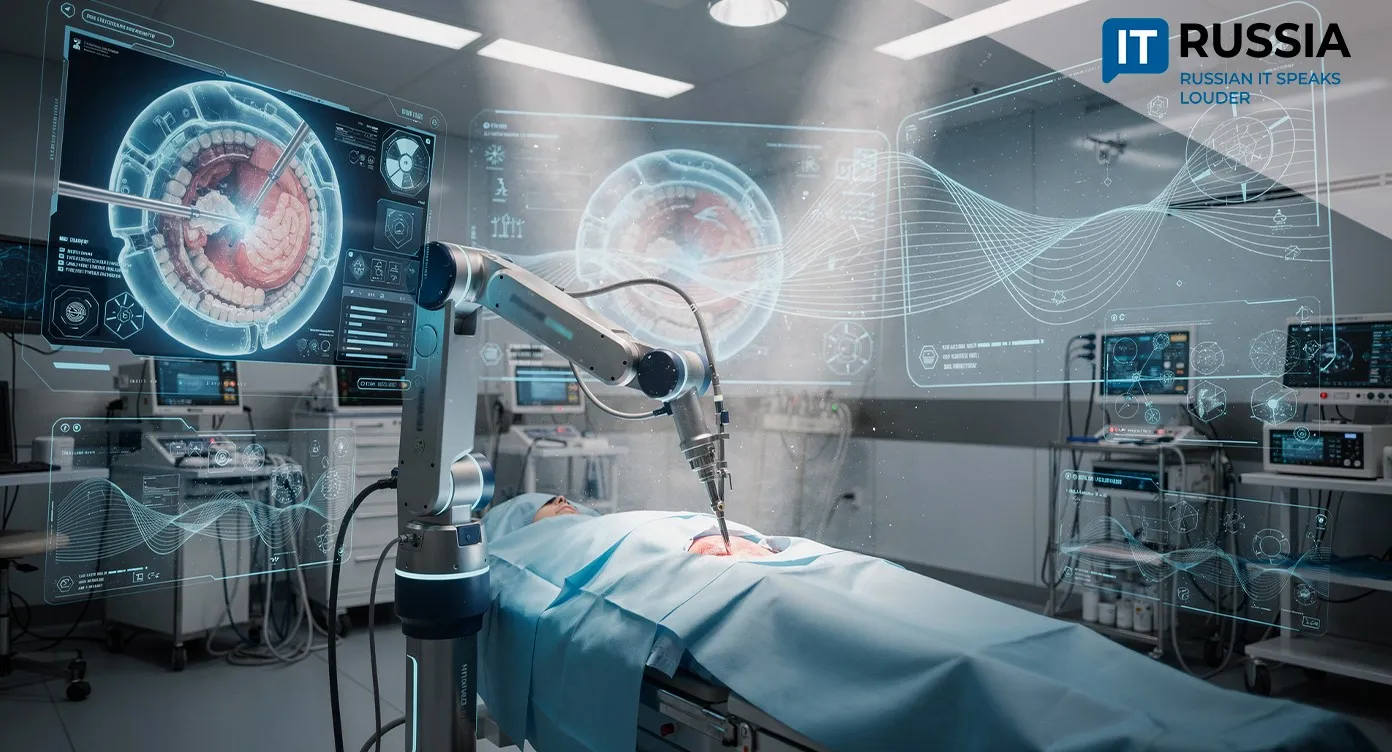
A unique procedure was recently carried out at the Voronezh Regional Oncology Center. Surgeons treated an elderly woman diagnosed with a uterine tumor. The case was already challenging, but severe obesity added another layer of complexity, making a conventional operation difficult because access to the affected organ was significantly restricted.
The surgical team opted for a two-stage approach. First, they removed excess skin and adipose tissue from the anterior abdominal wall. Only then did they proceed to the main procedure - removal of the uterus and its adnexa. The operation was led by Vadim Popov, head of the hospital's gynecologic oncology department. Rather than relying solely on conventional surgical instruments, he worked with the assistance of a robotic arm.
Greater Precision, Less Trauma
At first glance, it may seem difficult to improve upon the skill of an experienced surgeon's hand. Yet modern surgery continues to evolve, and robotic technologies are becoming increasingly common in operating rooms. In this case, the key tool was a robotic arm.
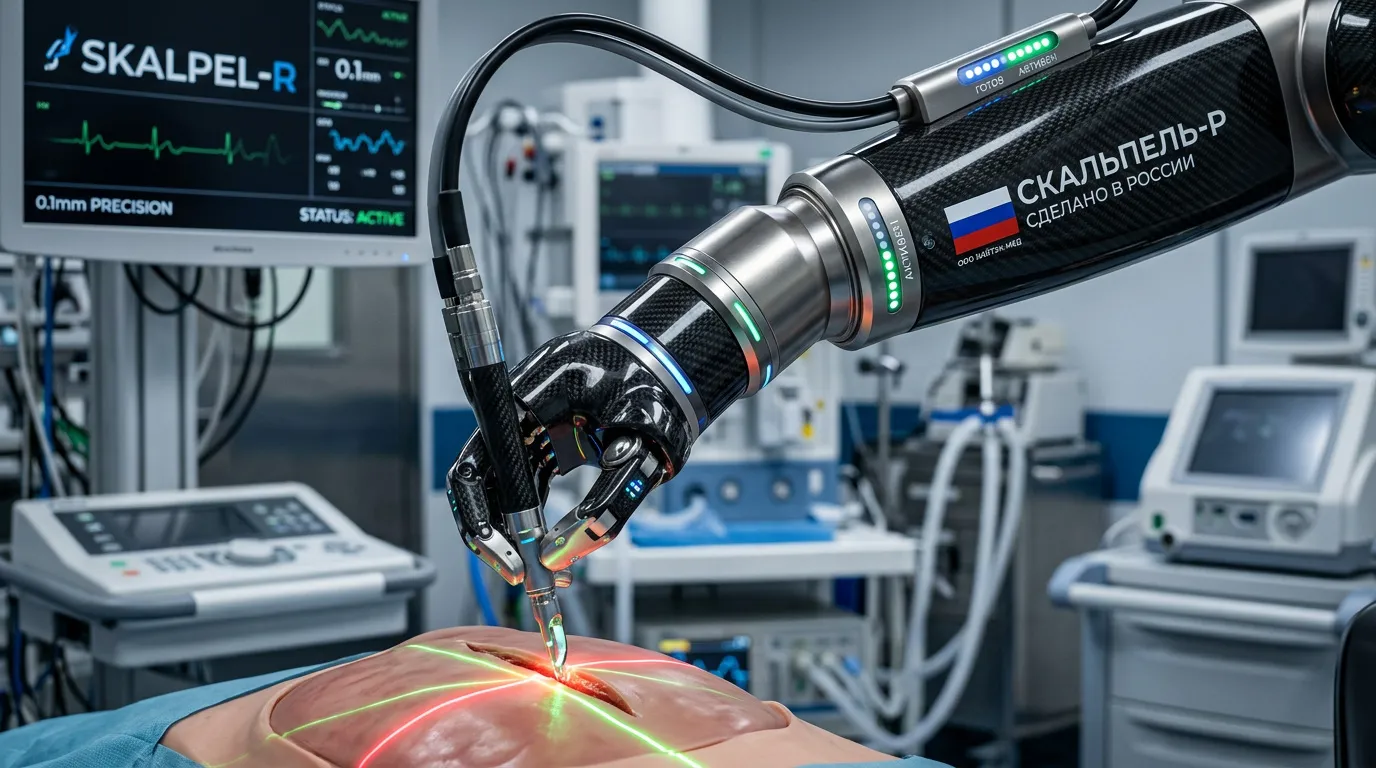
The system enabled surgeons to perform delicate manipulations through a small incision with exceptional precision. Popov controlled the robotic assistant in a solo-surgeon mode, without the support of additional physicians who would traditionally hold instruments and retract tissue. Procedures that once required large incisions and extended recovery periods can now be performed with the help of a robotic surgical platform.
Hybrid Operating Room
The procedure took place in a hybrid operating room, often referred to as a 'smart' operating suite because of the numerous displays integrated into its walls. In the event of an unexpected complication, the surgical team can immediately connect with leading medical centers across Russia and receive expert guidance in real time. Fortunately, that emergency-consultation capability is rarely needed in Voronezh. More often, the smart operating room serves another purpose - medical education.
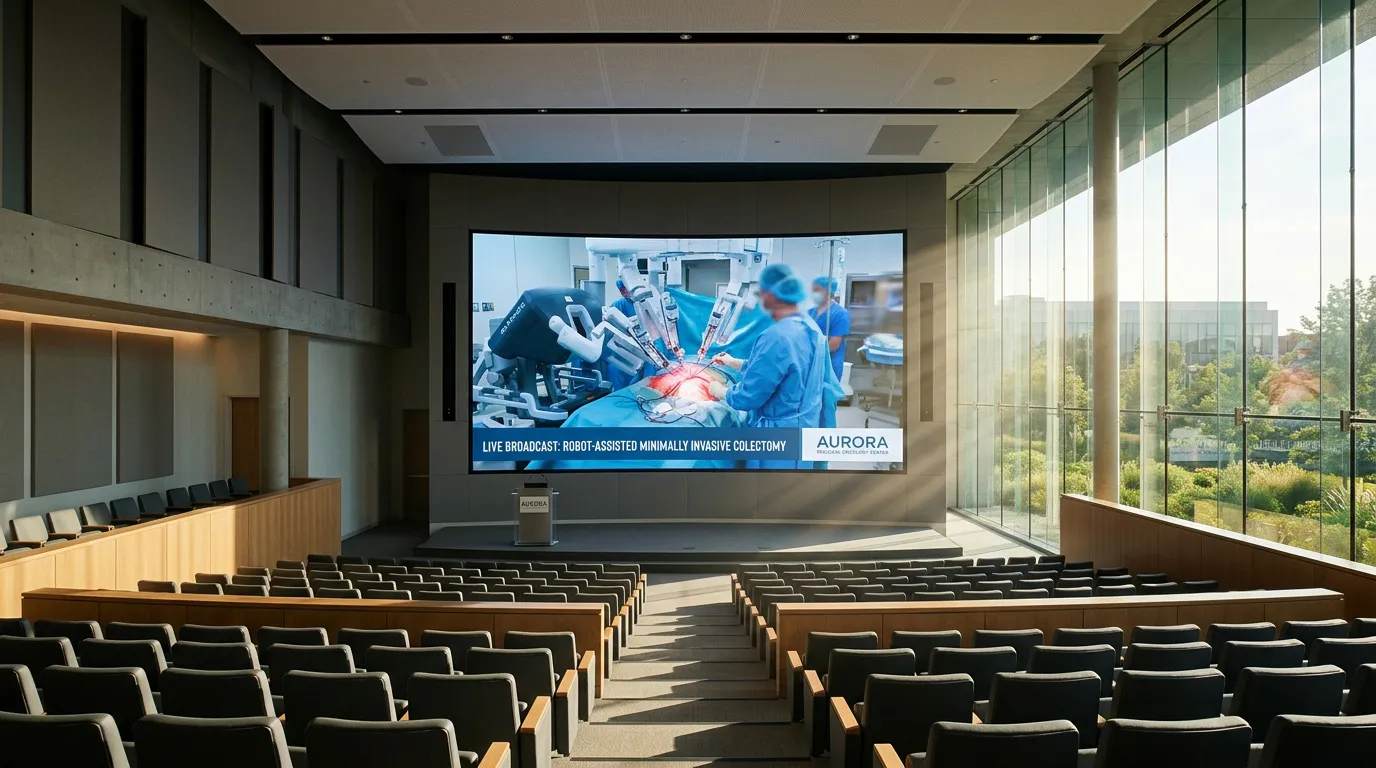
The operation performed on the elderly patient was projected onto a large screen in the oncology center's auditorium. The format is known as 'Live Surgery.' Physicians and medical students observed the procedure as it unfolded. For younger clinicians, it provides a valuable hands-on learning experience, while experienced specialists can share techniques without crowding dozens of observers into an operating room.
Benefits for Patients, Regions, and the Healthcare System
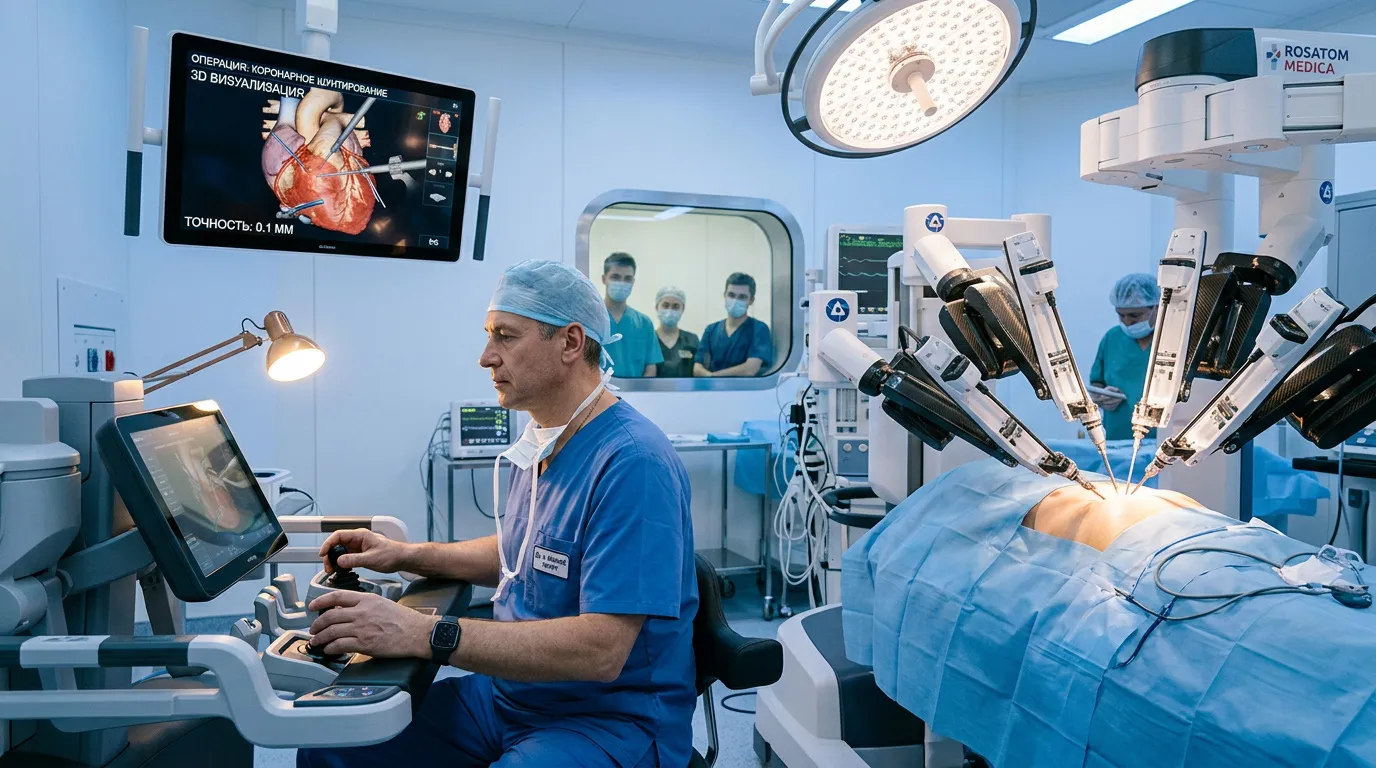
For patients, procedures of this type offer several important advantages. First, minimally invasive surgery is becoming more accessible outside major metropolitan centers. In the past, complex patients with obesity or significant comorbidities were often referred to federal medical institutions. Today, many can be treated closer to home. Second, smaller incisions reduce surgical trauma and typically heal faster than large surgical wounds. Third, recovery after robot-assisted surgery generally requires less time. For oncology patients, particularly older adults, that can be critical because prolonged bed rest increases the risk of complications.
The Voronezh Region continues to strengthen the position of its oncology center as a technologically advanced healthcare institution. More broadly, the case demonstrates how advanced medical technologies are spreading beyond Moscow and St. Petersburg. According to Russia's Ministry of Health, 5,727 robot-assisted procedures were performed nationwide in 2024.
Russian regions are gradually adopting clinical practices that have already become standard in many of the world's most advanced healthcare systems. The case also highlights a promising educational export opportunity. Live-surgery broadcasts, robotic-assisted oncogynecology techniques, and treatment protocols for patients with obesity are all areas of growing international interest, particularly in CIS countries, Asia, and Latin America, where similar technologies are only beginning to enter routine clinical practice.
Technology as the Primary Driver
Oncologic surgery demands exceptionally high levels of precision. Tumors are often located in anatomically complex regions near major blood vessels and nerves. Robotic surgical systems provide surgeons with three-dimensional visualization, eliminate hand tremor, and improve access to hard-to-reach areas. For that reason, Russia's National Medical Research Center of Radiology already uses robotic systems in oncology, urology, gynecology, and abdominal surgery.