

AI Predicts Failures in Oil Production Equipment
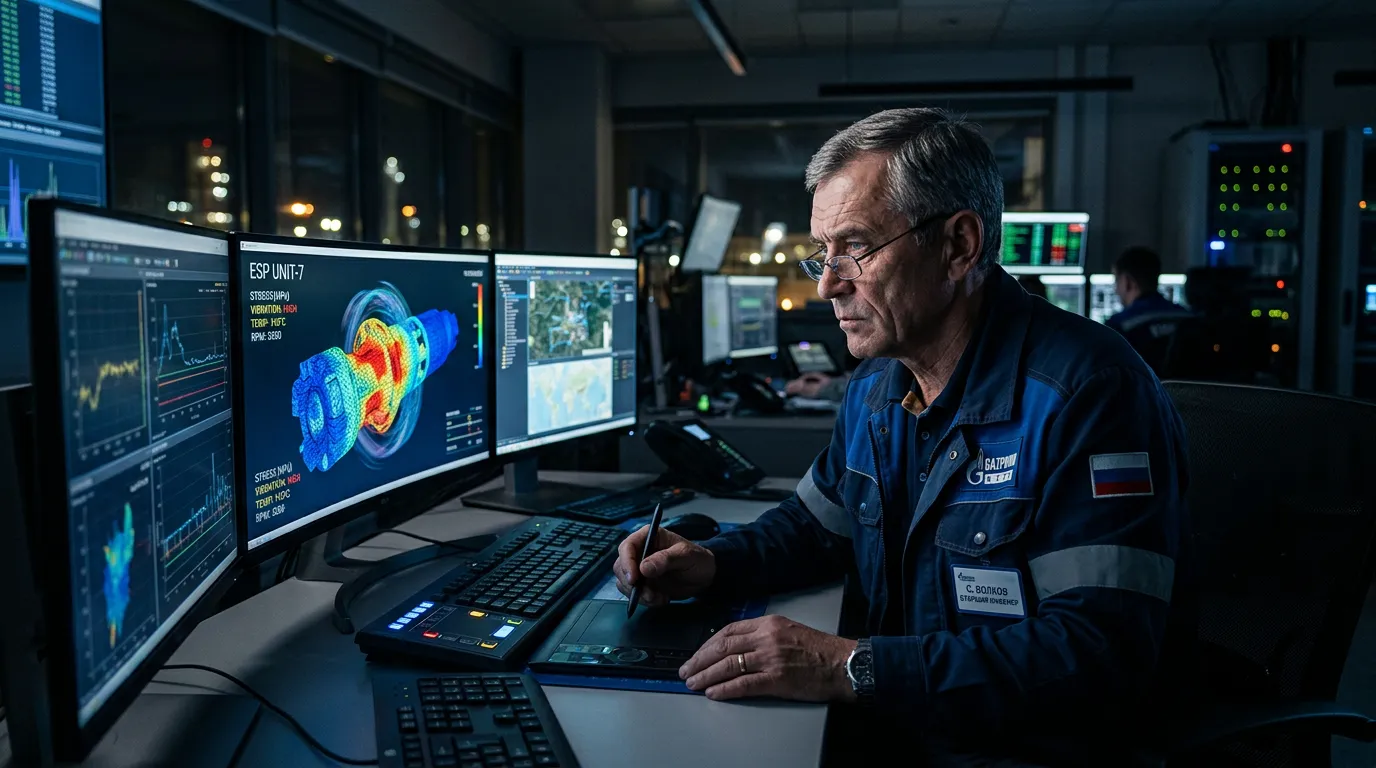
Tatneft is developing a predictive analytics system to forecast failures in electric submersible pump (ESP) installations – one of the most critical types of equipment used in mechanically operated oil wells.
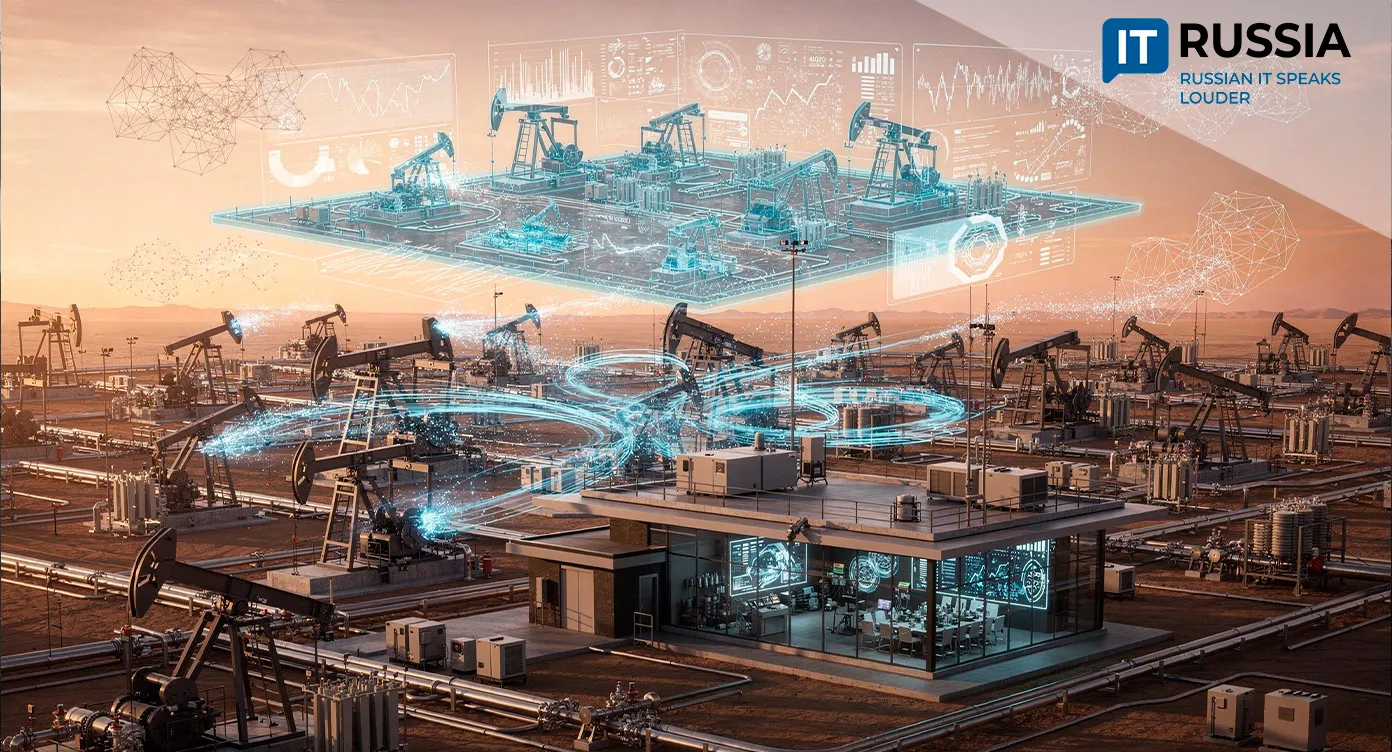
AI algorithms are to analyze accumulated operating data, telemetry, and equipment failure histories to identify early signs of potential breakdowns. According to the developers, the technology could reduce failures of electric submersible pump (ESP) installations by 15–25% while extending the average interval between overhauls to 700–800 days. The system runs entirely on Russian-developed software, integrates with existing industrial process control systems (ASUTP), and is designed to provide engineers not only with advance warnings but also with clear recommendations on how to prevent equipment failures.
An unexpected pump shutdown results not only in repair costs but also in well downtime and lost production. Given that more than 50,000 failures of downhole pumping equipment are recorded annually in Russia, even partial deployment of such algorithms could deliver substantial economic benefits. The technology is expected to be particularly valuable at mature oil fields.
Not the First Step Forward
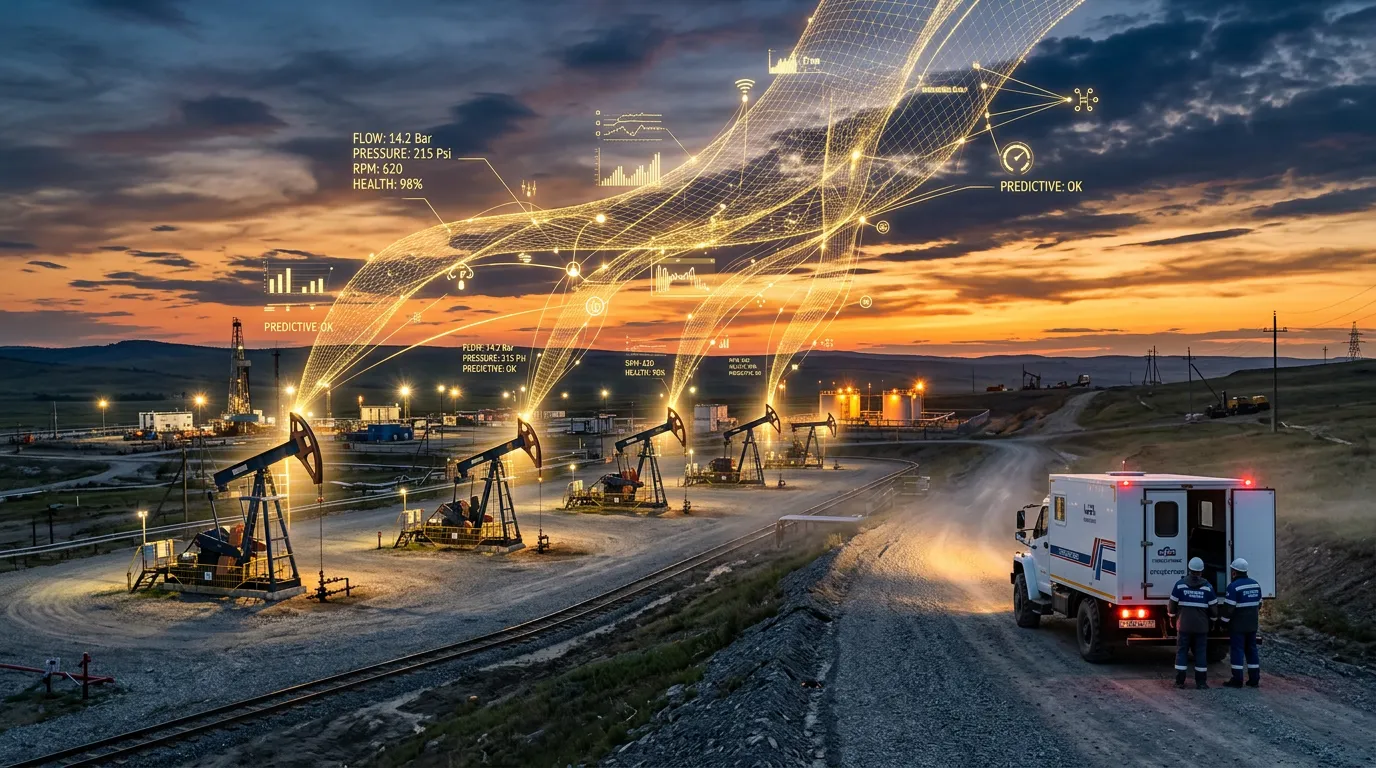
Tatneft already possesses extensive digital datasets covering drilling and well operations, telemetry, well logging, and equipment performance parameters. That provides the foundation needed to train AI models and subsequently integrate their recommendations into existing production information systems.
The company is already using algorithms capable of automatically analyzing telemetry data and adjusting well operating parameters whenever anomalies are detected. Combining those capabilities with predictive diagnostics could lay the groundwork for partially autonomous management of oil production operations.
At present, the main challenges facing the project are data quality and the differences among oil fields and pump types. Industry experts note that moving AI from pilot projects to full-scale industrial deployment requires secure IT and production infrastructure, technological independence from foreign software, and continued involvement of engineering specialists in operational decision-making.
Award-Winning Project
The initiative was recognized as one of the winners of the Young Professional School competition in 2026. It is hardly surprising that the project originated in the Almetyevsk District of the Republic of Tatarstan, where oil production presents particularly demanding operating conditions. Wells in the area are characterized by high water cut, as well as mechanical impurities, elevated salt concentrations, and other factors that accelerate equipment wear.
Until now, efforts to address these challenges have largely been reactive – responding only after problems had already occurred. The new solution developed by Tatneft engineers fundamentally changes that approach by introducing a preventive maintenance strategy.
Back in 2021, Tatneft began developing its Bureniye (Drilling) information system, designed to consolidate previously fragmented well construction data while automating planning, operational monitoring, and production performance analysis. The resulting unified data environment became one of the key prerequisites for the company's subsequent adoption of machine learning and predictive analytics.
AI Goes Deeper into Oil Production
The oil and gas industry as a whole has established a clear trajectory toward broader adoption of artificial intelligence. In 2022, Gazprom Neft introduced AI capabilities into drilling operations. Its smart drilling platform transmitted operational data to a centralized well construction control center, where engineers and digital algorithms monitored drilling activities in real time.
Rosneft advanced the trend in 2023 by patenting a technology for monitoring the energy consumption of oil production equipment. The solution creates an individual digital twin for each well's equipment and models its optimal operating regime. The company estimated that deploying the technology across its mechanically operated well fleet could generate economic benefits exceeding RUB 10.7 billion (approximately USD 137 million) over five years.
Last year, researchers from Togliatti State University and Samara State Technical University introduced an AI-based methodology for improving the reliability of submersible electric motors used in oil wells. The system analyzes equipment operating performance and failure statistics to identify components likely to develop problems before they fail. The technology has already entered industrial deployment. Meanwhile, Gazprom Neft is already using an AI agent to accelerate well design by automating trajectory calculations and significantly reducing the time required to prepare drilling scenarios. Together, these developments show how Russian oil companies are steadily extending AI across the entire lifecycle of oil wells.