


A Nature Reserve Near St. Petersburg Is Learning to Listen to the Wild
Russia's Novoorlovsky State Nature Reserve has launched a continuous acoustic monitoring system that uses artificial intelligence to protect wildlife. By turning the sounds of birds, mammals, and the surrounding landscape into structured data, the project offers conservationists a new way to understand and safeguard fragile ecosystems.
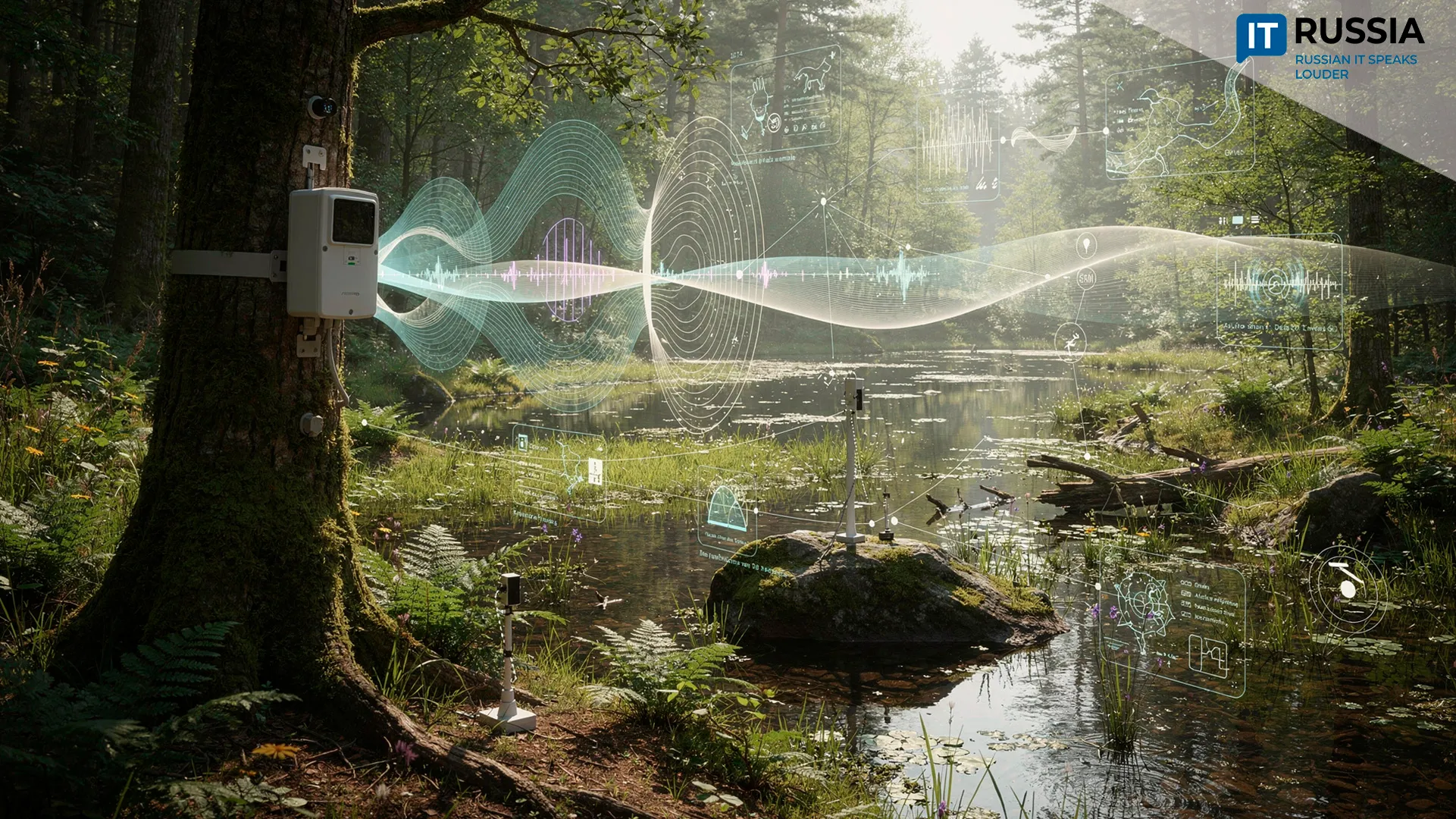
The acoustic recording units deployed in Novoorlovsky (Novoorlovsky State Nature Reserve) are part of a joint initiative involving the St. Petersburg Committee for Nature Management, Environmental Protection and Ecological Safety, the Yandex Cloud Center for Technologies for Society, and the Nature Conservation Foundation of Nature Defenders. Specialized recording devices continuously capture the reserve's acoustic landscape around the clock.
The audio recordings are used to train neural networks. The algorithms learn to identify the calls of individual bird species, detect seasonal changes in the natural soundscape, and distinguish ordinary environmental sounds, such as rustling leaves, from human-generated noise.
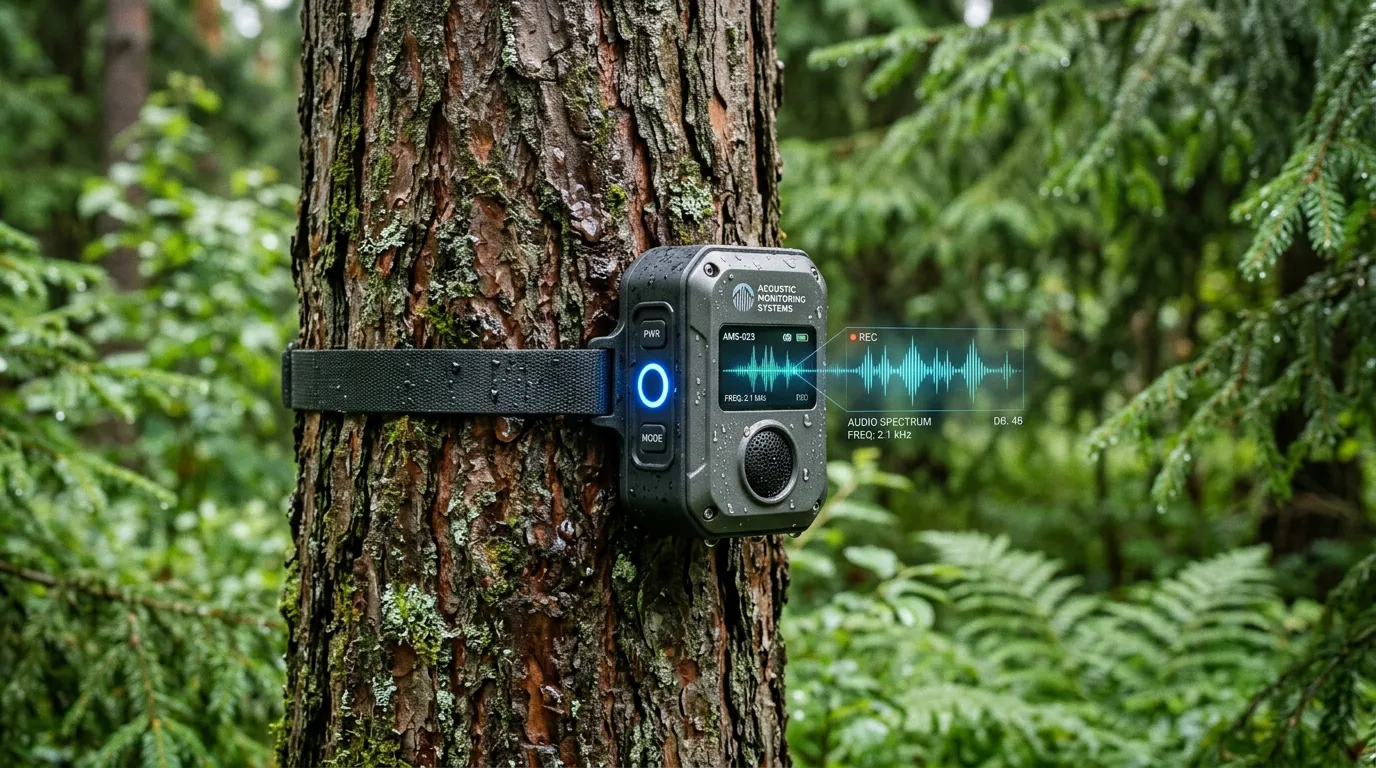
A Forest Filled With Voices
The Novoorlovsky acoustic monitoring system is designed to do far more than recognize the songs of chaffinches or the calls of frogs. It is being trained to detect sounds that should never occur inside a protected area, including gunshots from poachers, chainsaws used in illegal logging, or the engines of off-road vehicles. Rather than simply flagging unusual noise, the neural network is designed to determine exactly what produced the sound. At this stage, the system is still building experience by learning to filter out acoustic clutter, reducing unnecessary alerts triggered by woodpeckers or strong winds. The goal is to make environmental monitoring faster, more accurate, and more effective.
Thus, Novoorlovsky is introducing new digital standards for Russia's conservation sector. The next phase will expand the system to other protected conservation areas across St. Petersburg, followed by wildlife reserves, national parks, and protected areas throughout Russia, from Karelia to the Far East.
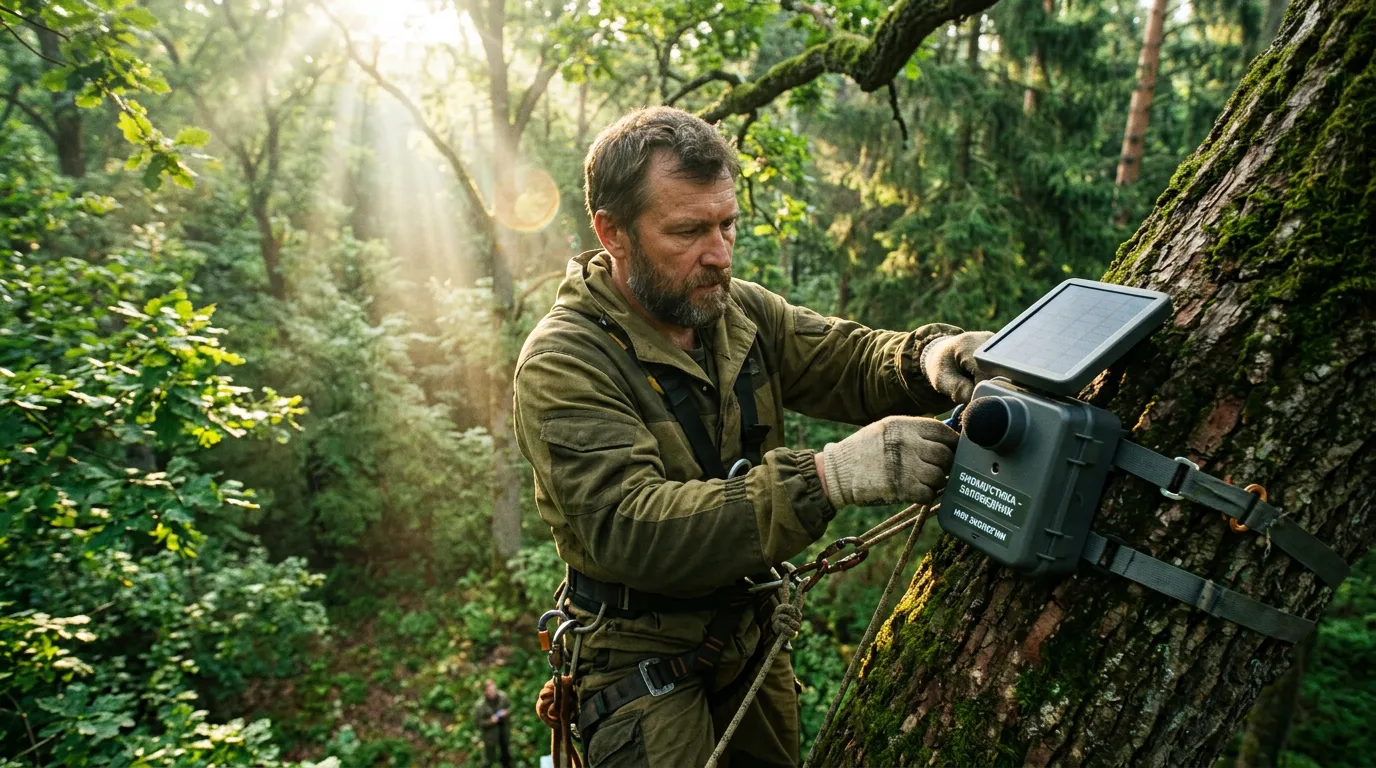
Digital Eyes and Ears
Protected natural areas across Russia are steadily gaining digital "eyes and ears." At Land of the Leopard National Park, for example, artificial intelligence has already been part of conservation work for several years. The park operates Russia's largest camera-trap monitoring network, with more than 450 devices, some of which now transmit data in real time. The system helps track animal movements, identify newly observed species, and respond more quickly to threats ranging from poaching to wildfires that could damage the park's unique ecosystem. By 2030, the reserve plans to build a fully integrated digital monitoring ecosystem combining satellite telemetry, online sensor networks, automated AI analysis, and rapid alert systems.
That effort began with a neural network designed to analyze camera-trap images and identify animals automatically, a task that once required months of painstaking work by biologists. One of the earliest versions was developed by researchers at the Moscow Institute of Physics and Technology together with Russia's Ministry of Natural Resources. By 2025, those algorithms had reached high performance, processing up to one million images per day with accuracy exceeding 95%. Artificial intelligence performs particularly well across vast territories. To compare data collected from different protected areas, researchers also created a national camera-trap monitoring network linking protected sites through the Russian CAMMON platform.
Some animals, however, are nocturnal and rarely appear in front of cameras. Wolves are a good example, but their howls carry across long distances. A neural network developed by researchers from Sber together with two institutes of the Russian Academy of Sciences analyzes those recordings to estimate pack sizes and identify previously unknown habitats. The system identifies wolf howls in audio recordings with 98.3% accuracy.
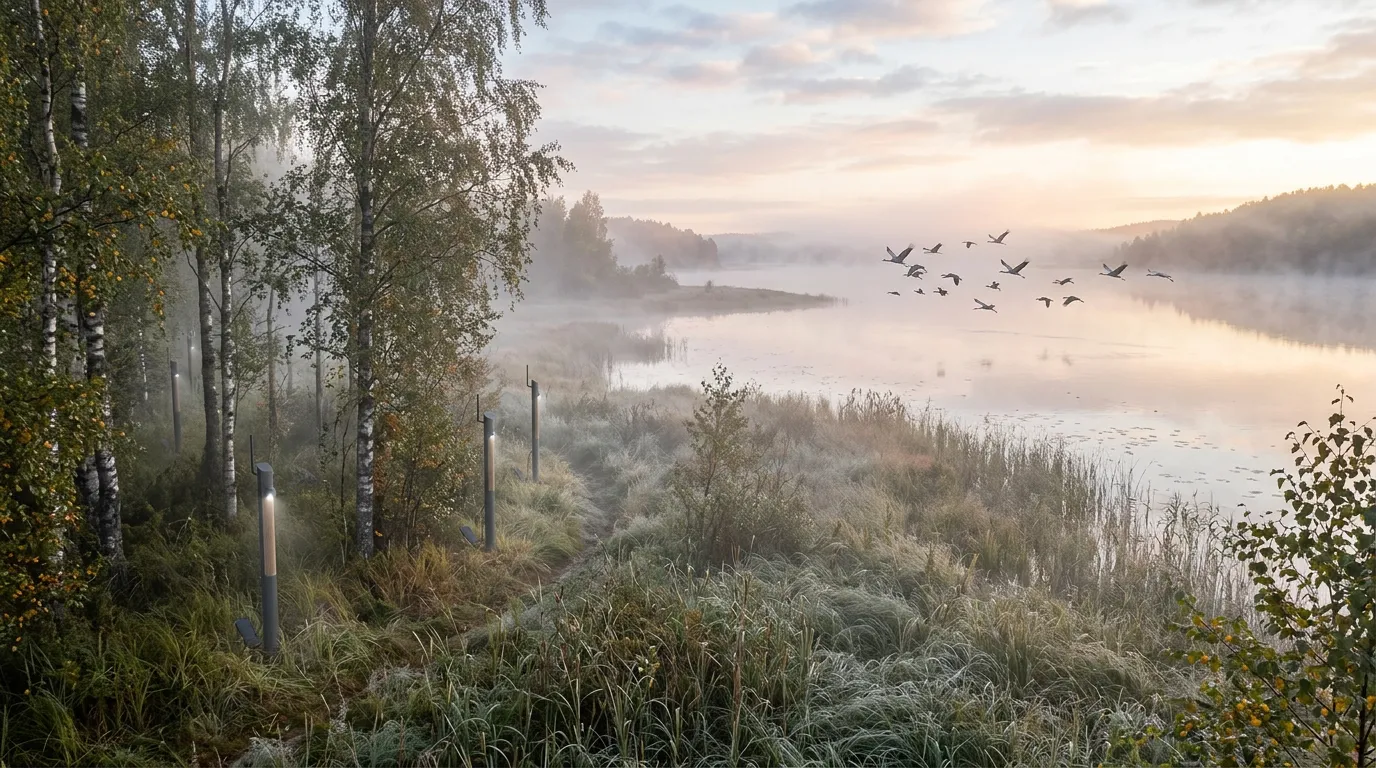
Smarter and Safer Protected Areas
The neural network is still being trained, and the monitoring system remains under field testing. In the future, however, the acoustic monitoring network will be combined with data from camera traps, drones, satellite monitoring, and weather sensors to give conservation teams a far more complete picture of ecosystem conditions. The integrated platform will be able to detect critical changes automatically, including declines in wildlife populations, shifts in migration routes, and even the early onset of high wildfire-risk seasons.
Meanwhile, researchers are building a high-quality national library of natural sounds together with AI algorithms capable of operating across Russia's diverse climate zones. That foundation could help protect fragile ecosystems while allowing wildlife to continue living with minimal human disturbance.