Digital 'Sleep' Platform Aims to Boost Greenhouse Yields
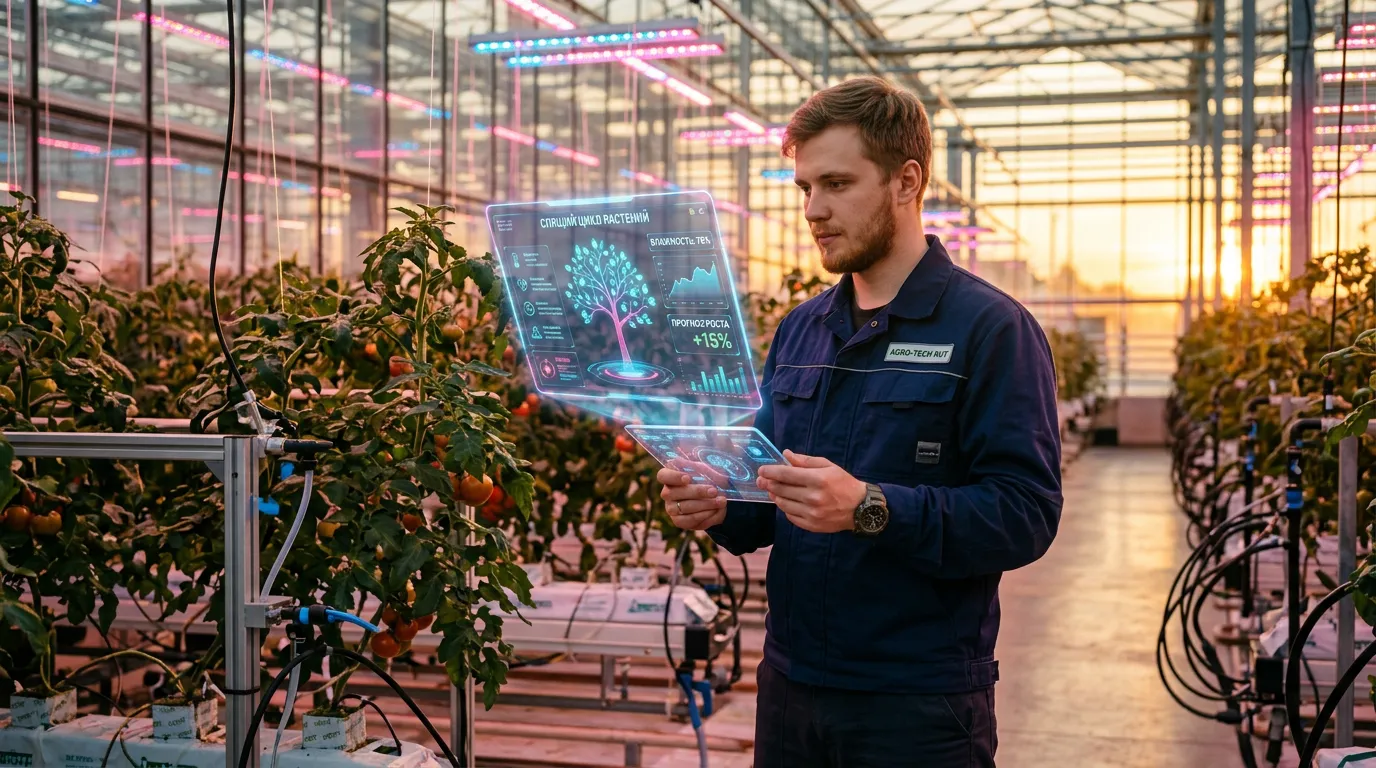
A student from Russia's Republic of Tatarstan has developed a digital platform that manages greenhouse plant growth by placing crops into an artificially induced dormant state.
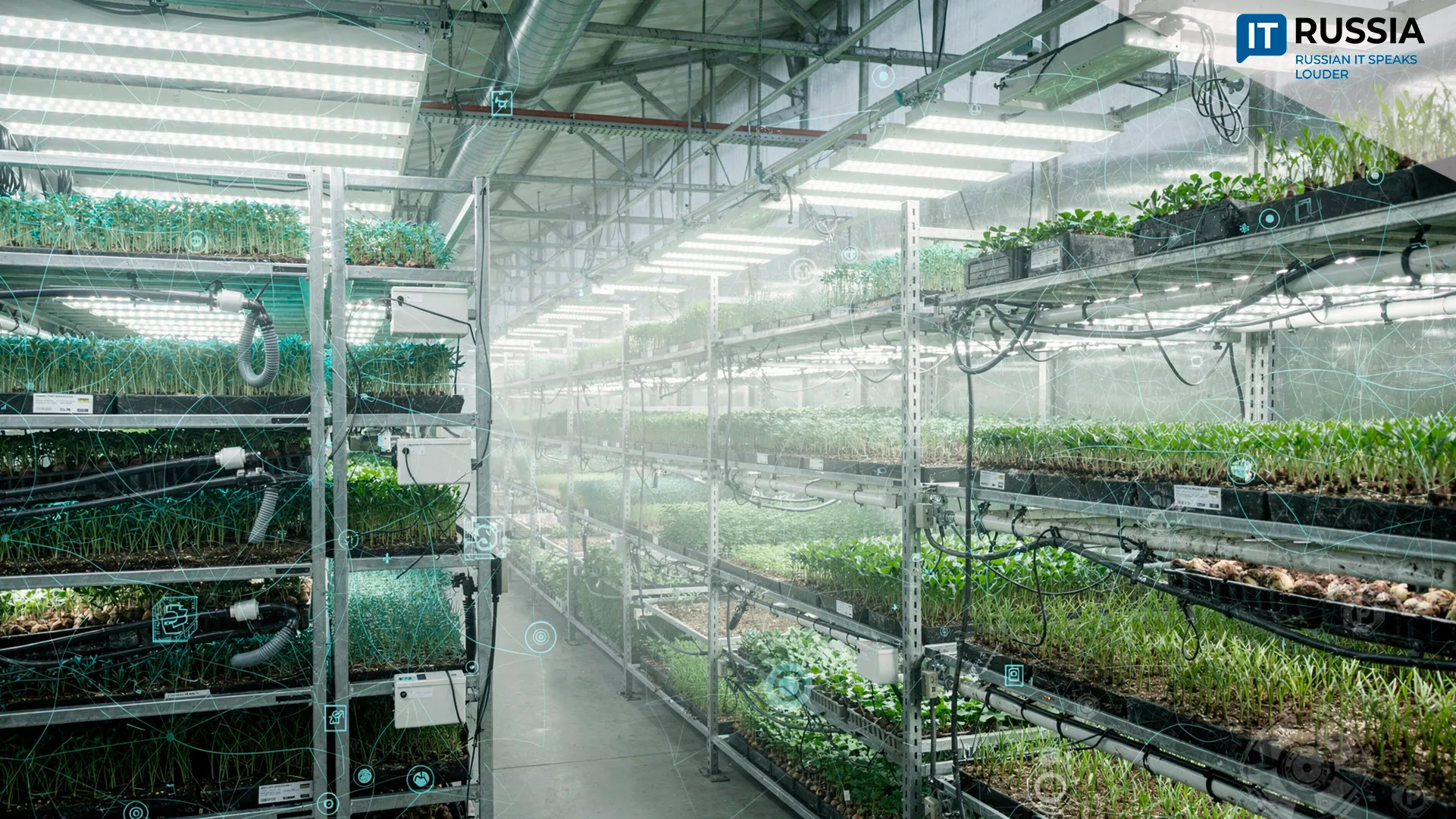
One of the key priorities for Russia's greenhouse sector today is producing planting material for crops destined for both open-field and protected cultivation. That requires uninterrupted production workflows to ensure a steady supply of high-quality planting stock, including seeds, seedlings, bulbs, and cuttings.
During winter, when outdoor cultivation comes to a halt and maintaining the climate inside heated greenhouses becomes increasingly expensive, growers often face the risk of losing planting material before spring. Russia's long winters bring temperature fluctuations and condensation that make greenhouse environments unstable. Seeds and seedlings may sprout prematurely or, conversely, become diseased or dry out. Digital production management technologies can help preserve viable planting material until spring, when conditions are optimal for transplanting.
Putting Plants to Sleep to Keep Them Healthy
On 30 July, innovators in Almetyevsk presented projects developed by winners of a grant competition run by the Foundation for Assistance to Innovations and coordinated by Tatneft. Last year, under the federal Student Startup programme, 46 participants each received grants of RUB 1 million (approximately USD 12,500) to advance projects ranging from prototype development to testing.
One of the grant recipients, Zulfiya Khaibullina, who recently completed a master's degree in Artificial Intelligence in Biotechnology at Almetyevsk State Technological University, unveiled a startup focused on artificially inducing plant dormancy. The technology is integrated with Sadovnik diary (Gardener Diary) and automates microclimate management for clonal micropropagation.
The platform is designed as an integrated greenhouse management solution that enables growers to control crop development. By accelerating or slowing plant growth, it helps reduce heating costs while addressing the challenge of storing planting material during winter. Growers also gain access to an AI-powered digital assistant built on machine learning. The system tracks plant health, forecasts crop development, and adjusts greenhouse climate settings accurately and at the right time.
Growing Twice as Fast
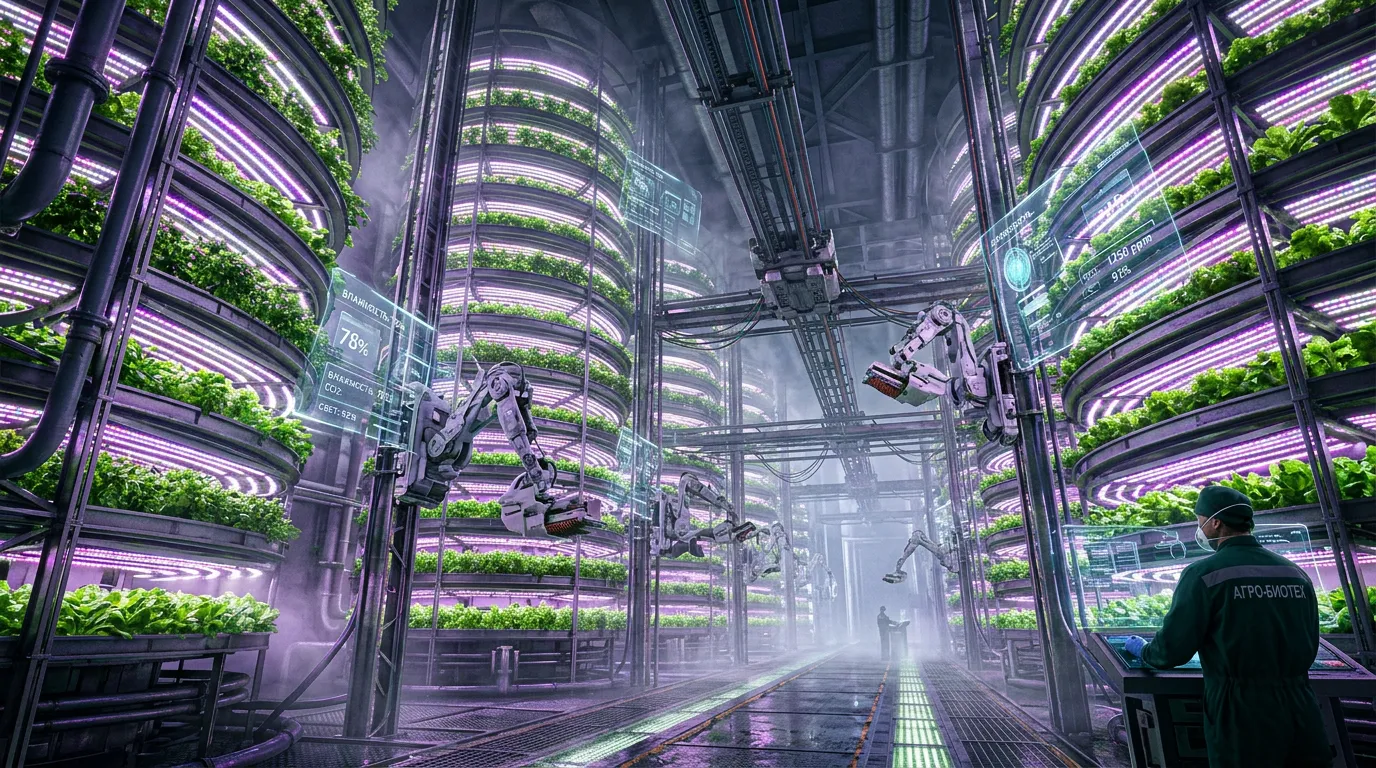
The new digital platform enables operators to control plant growth and bring crops out of dormancy precisely when needed. Waking plants on demand reduces dependence on seasonal weather patterns and supports year-round production of high-quality planting material.
As a result, the plant growth process more than doubles in speed. At the same time, productivity in producing planting material increases by 200%. The student startup gives greenhouse operators greater flexibility in managing production, significantly expands planting material output, and substantially reduces heating costs, improving overall profitability. Commercial deployment of the technology could also lower production costs for vegetables, seedlings, flowers, and other greenhouse crops.
Equally important, digital technologies that monitor the cultivation process reduce dependence on manual oversight by agronomists, helping deliver more consistent crop quality.
Similar technologies are being developed at other Russian universities. Researchers at Stavropol State Agrarian University, for example, have begun developing a sensor network for greenhouse complexes that will monitor all microclimate parameters in real time and transmit data to automated control systems. Scientists at North Caucasus Federal University have also introduced a greenhouse cultivation system based on Internet of Things technology and machine learning. Its AI platform continuously manages the greenhouse microclimate by adjusting critical environmental parameters.
Advancing Greenhouse Production
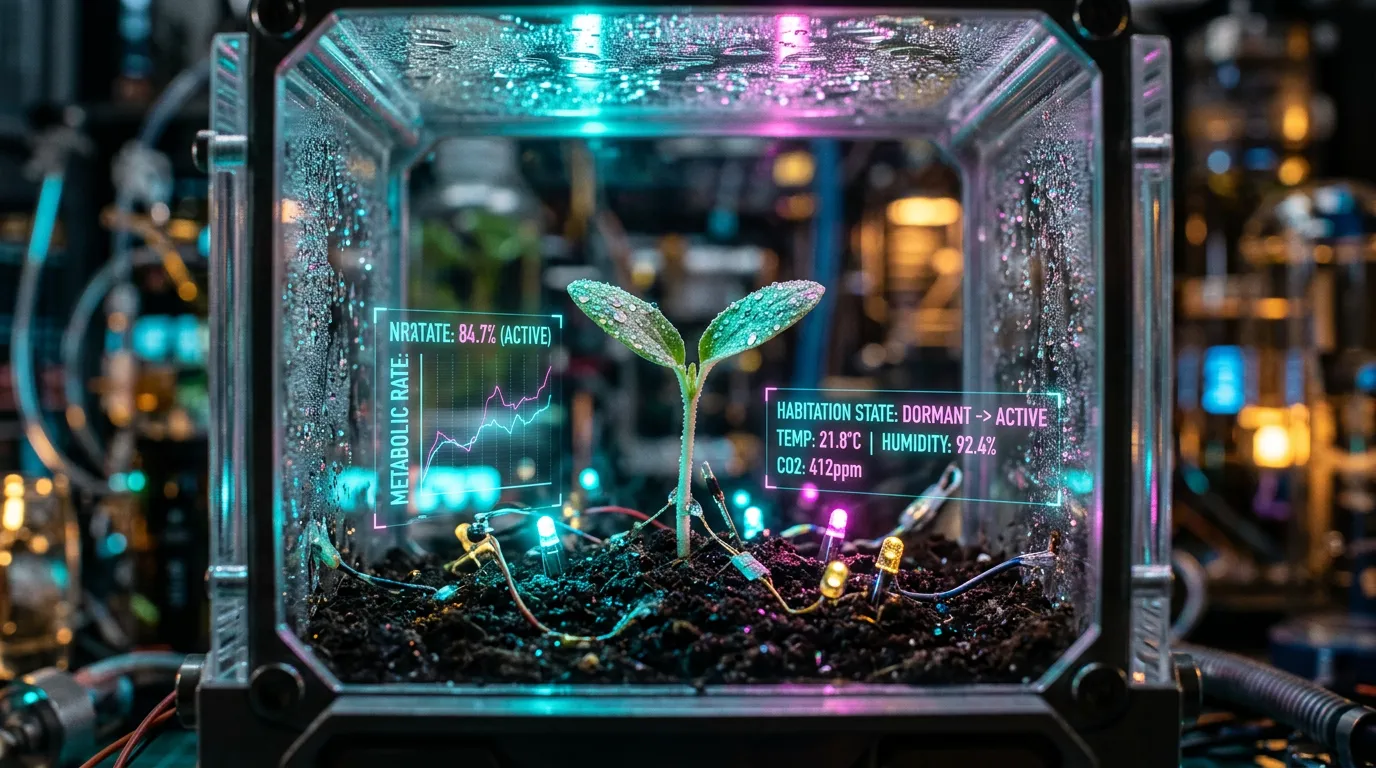
The new platform represents an important step for Russia's digital agriculture sector. It combines machine learning, monitoring systems, Internet of Things technologies, and agricultural biotechnology within a single solution. Rather than simply automating greenhouse operations, Zulfiya Khaibullina is creating a data-driven platform capable of managing the entire plant development cycle.
Following the testing phase, the technology could become part of an integrated smart greenhouse hardware and software system capable of modelling not only production processes but also their economic performance.
Such technologies are particularly relevant for Russia, where cold climatic conditions across much of the country and high logistics costs often make local production of fresh fruit, vegetables, and leafy greens more economical. At the same time, greenhouse industries are expanding across the Eurasian Economic Union, CIS countries, the Middle East, and North Africa. Integrated smart greenhouse systems are expected to find customers in those markets as well.