Photonic Computing Moves Closer as Skoltech Researchers Reach a New Milestone
Researchers at Skoltech, together with colleagues from the N.D. Zelinsky Institute of Organic Chemistry and Westlake University (China), have experimentally demonstrated how the operating regime of a polariton laser changes as the thickness of a microcavity is gradually increased. Using the organic polymer complex MeLPPP, they showed a smooth transition between strong- and weak-coupling regimes in the visible spectral range.
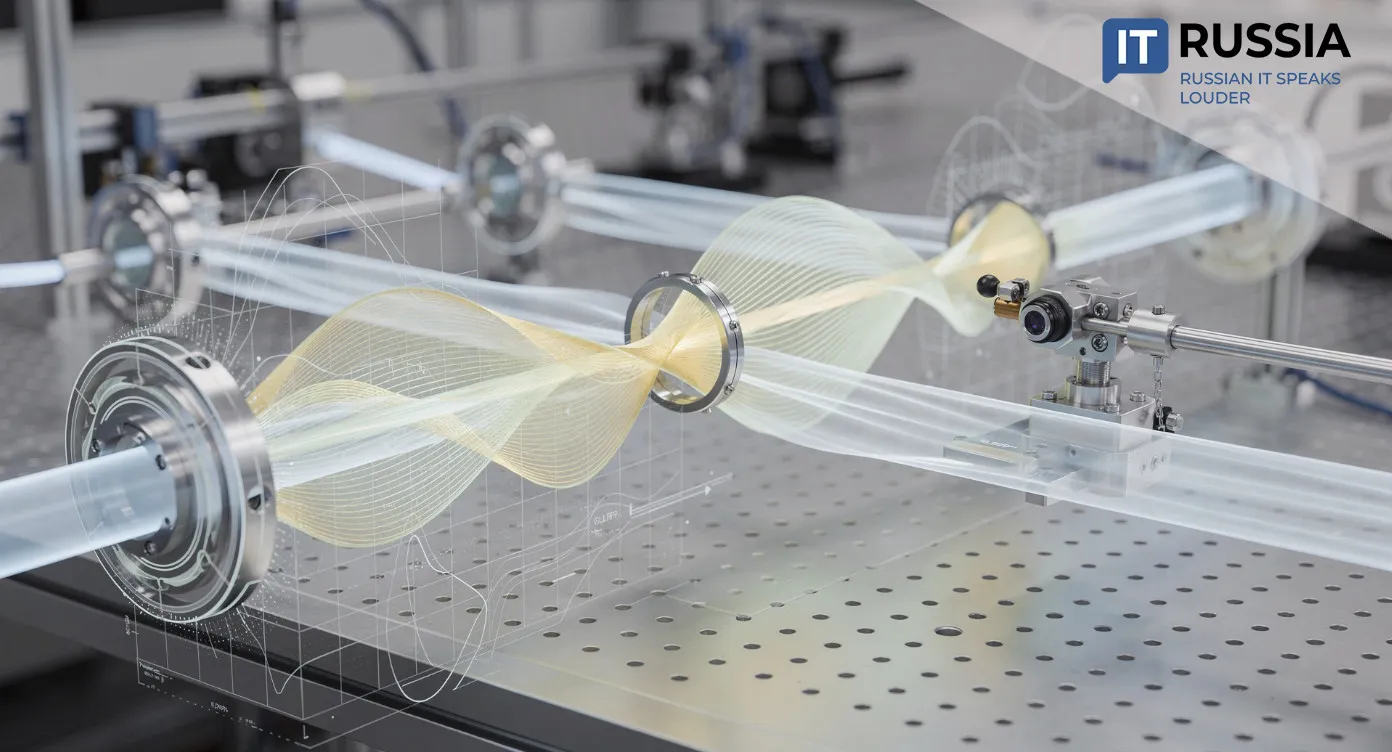
Researchers from Skoltech, working with colleagues from the N.D. Zelinsky Institute of Organic Chemistry of the Russian Academy of Sciences and Westlake University in China, have taken an important step toward practical optical computing. They experimentally demonstrated a controllable transition between strong and weak light-matter coupling inside a microcavity. The findings open new possibilities for developing ultrafast optical transistors and coherent light sources that operate at room temperature. The results were published in the journal Nanophotonics.
The End of Silicon's Dominance?
Conventional silicon electronics is steadily approaching its physical limits. Rising power consumption and heat generation in processors are becoming significant constraints on the continued growth of artificial intelligence and large-scale data centers. Photonic computing offers a fundamentally different approach by transmitting information with light rather than electrical current. In principle, that could dramatically increase computing speed while reducing energy consumption by orders of magnitude.
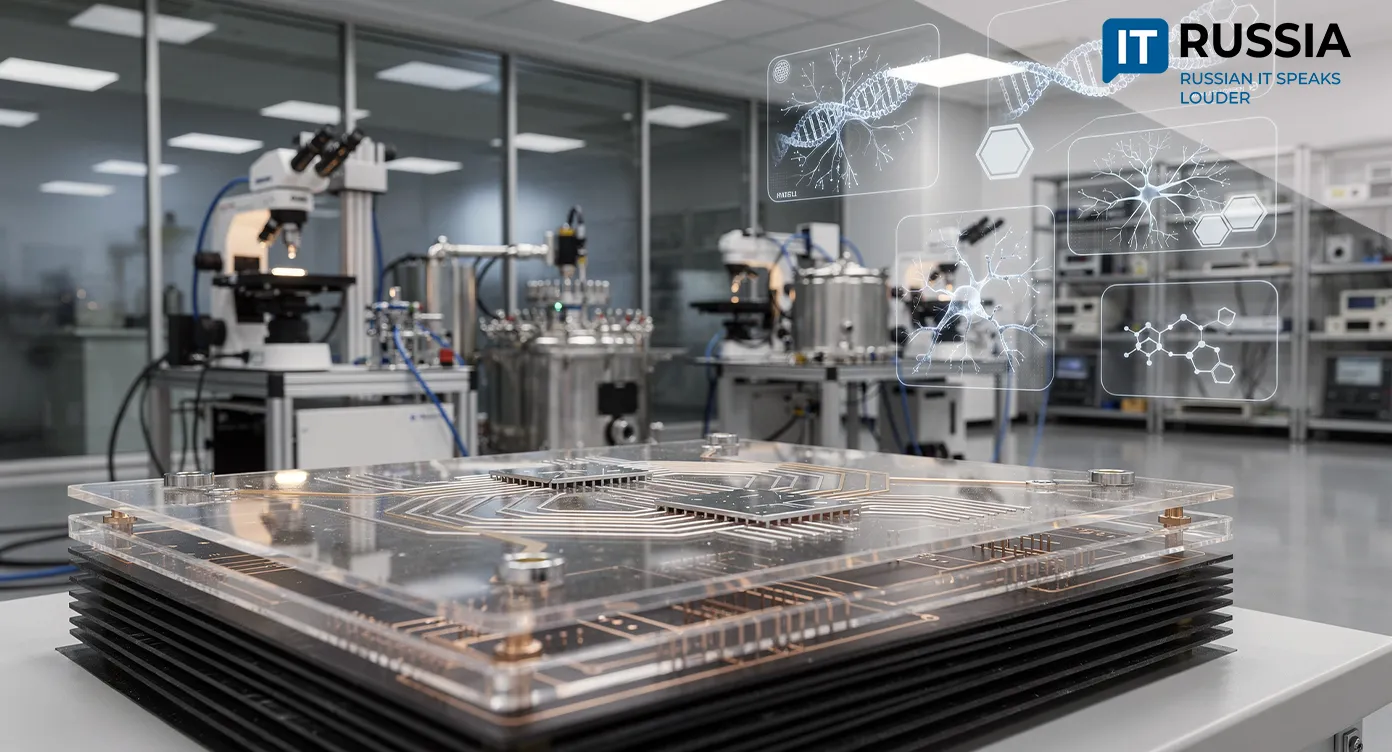
The Russian team's key achievement is the creation of a microcavity incorporating a MeLPPP polymer layer that operates at room temperature. By varying the air gap between the mirrors, the researchers were able to switch the system in real time between a conventional laser regime and a polariton laser regime. That degree of control is considered essential for developing ultrafast optical switches, logic elements, and next-generation sensors.
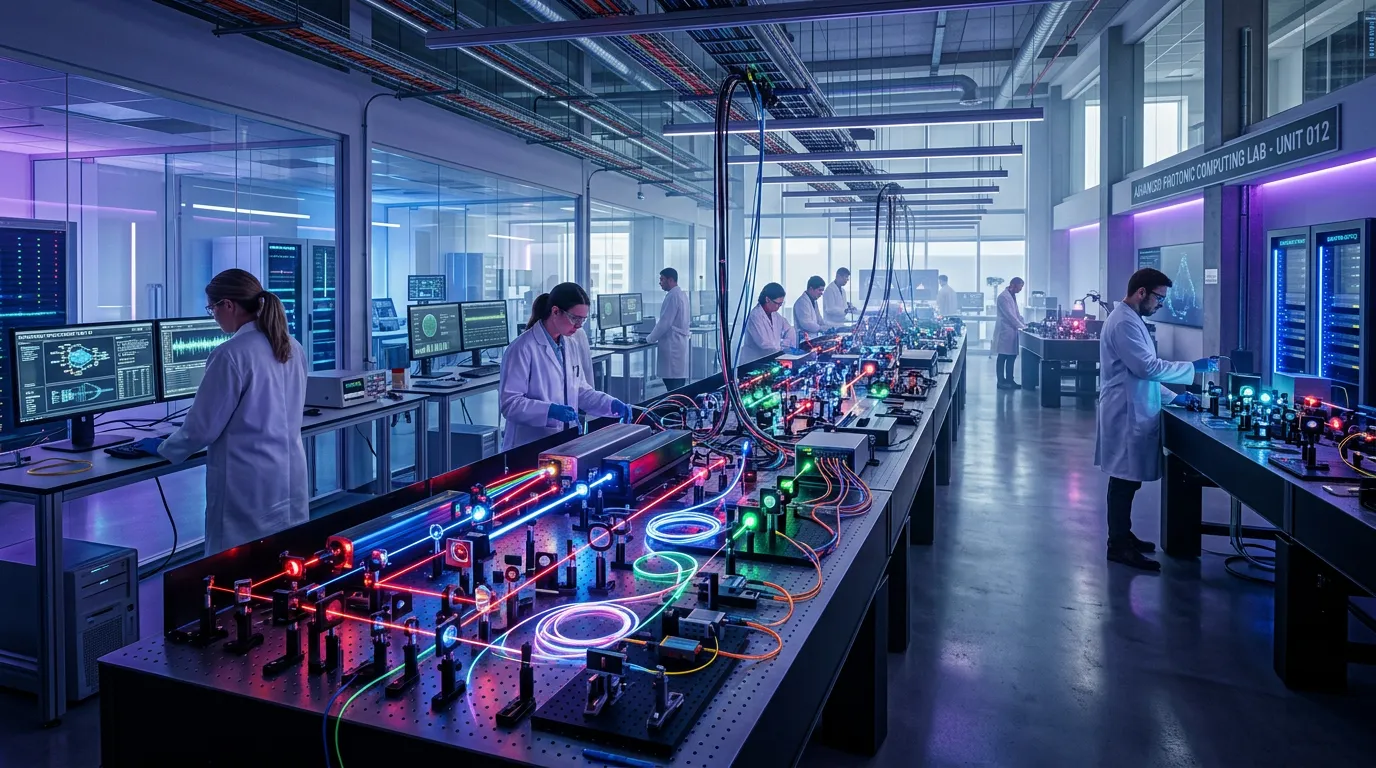
Part of a Broader Research Momentum
Skoltech's work builds on a broader wave of Russian photonics research. In 2023, Skoltech professor Pavlos Lagoudakis received the Vyzov (Challenge) Prize for his contributions to polariton computing.
Other leading research centers have continued advancing the field. Between 2023 and 2026, researchers at ITMO University demonstrated control of exciton-polaritons using laser pulses shorter than one picosecond, a capability that is critical for high-speed optical transistors. In 2025, the National Center for Physics and Mathematics unveiled a prototype hybrid electronic-photonic computer designed for neural network workloads. Then, in June 2026, Sber demonstrated a domestic optical computing system built around a photonic integrated circuit.
Taken together, these developments point to a clear trajectory from fundamental laboratory research toward working prototypes. They also create potential export opportunities ranging from patent licensing to supplying photonic components to countries building their own microelectronics industries.
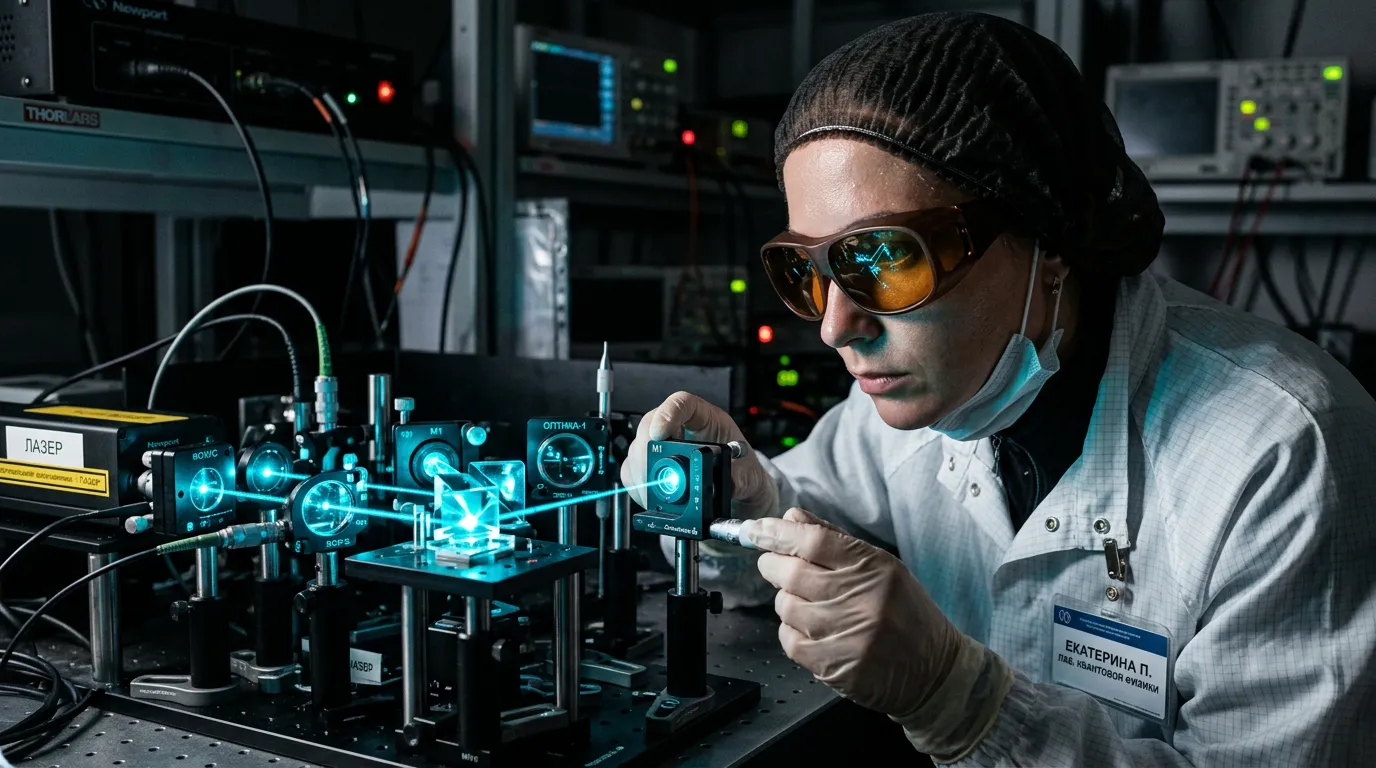
A Hybrid Future – and the Challenges Ahead
Should consumers expect photonic chips to replace the processors in everyday smartphones anytime soon? Not anytime soon. Over the next several years, photonics is expected to evolve as part of hybrid computing architectures rather than as a replacement for general-purpose processors. Conventional electronics will continue handling control logic and data storage, while optical coprocessors will accelerate computationally intensive matrix operations, data routing, and AI workloads.
Engineers still face several significant technical challenges, including large-scale manufacturing of microcavities, maintaining stable device characteristics, integrating thousands of photonic elements onto a single chip, and achieving seamless conversion between optical and electrical signals.
Developing a domestic photonics component base is also becoming a matter of technological independence for Russia in telecommunications, sensing technologies, and artificial intelligence. For consumers, those advances could ultimately translate into faster communications systems, more capable medical diagnostics, and higher-performance data processing.
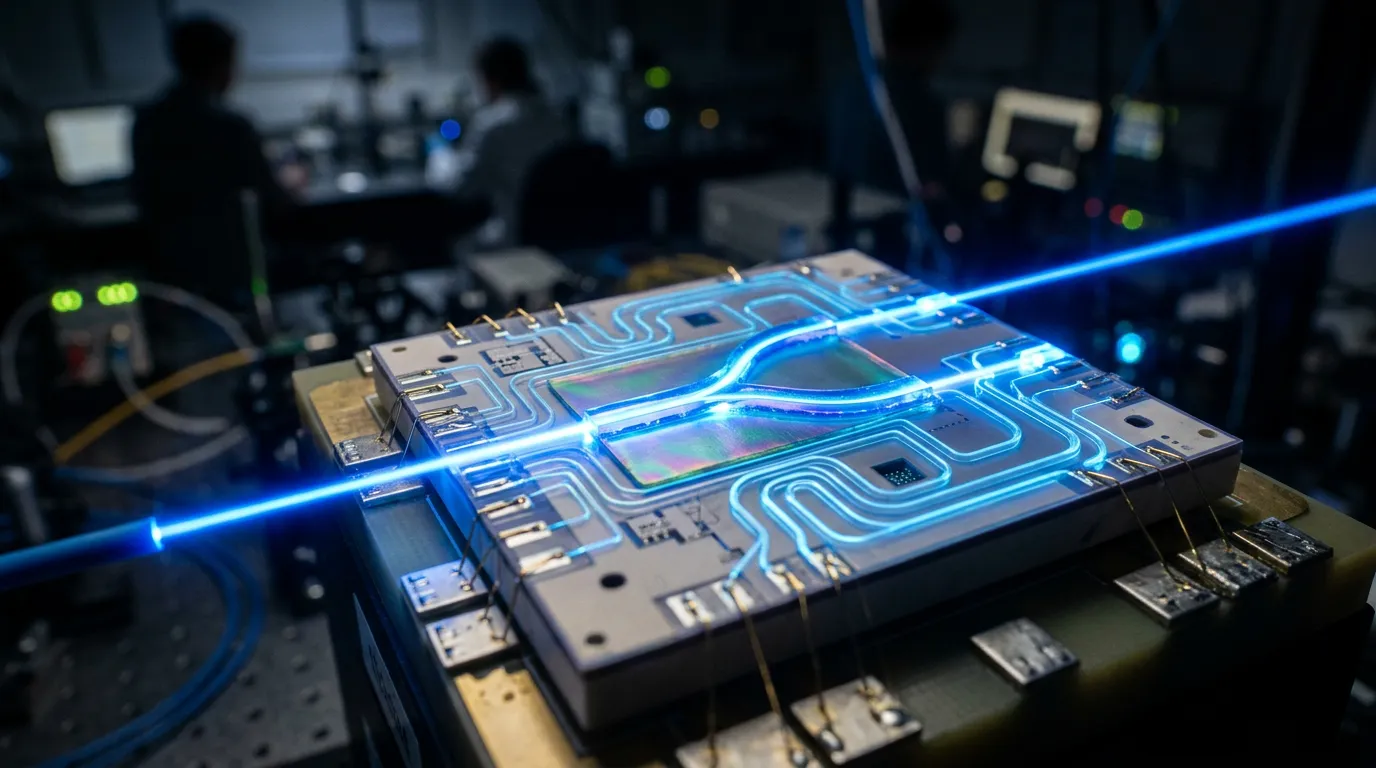
According to industry experts, specialized photonic AI accelerators are likely to reach widespread deployment within the next five to ten years. The scientific foundation for that transition, however, is already being laid today in Russian laboratories, where researchers are teaching light to perform computations faster than electricity.