Neural Network Uses Speech to Flag the Risk of Cognitive Impairment
Researchers at Immanuel Kant Baltic Federal University (BFU) have developed a neural network model that can screen for possible cognitive impairment using a person's speech recording. The system analyzes the meaning of spoken language along with 88 acoustic features before generating a probability score for cognitive impairment.
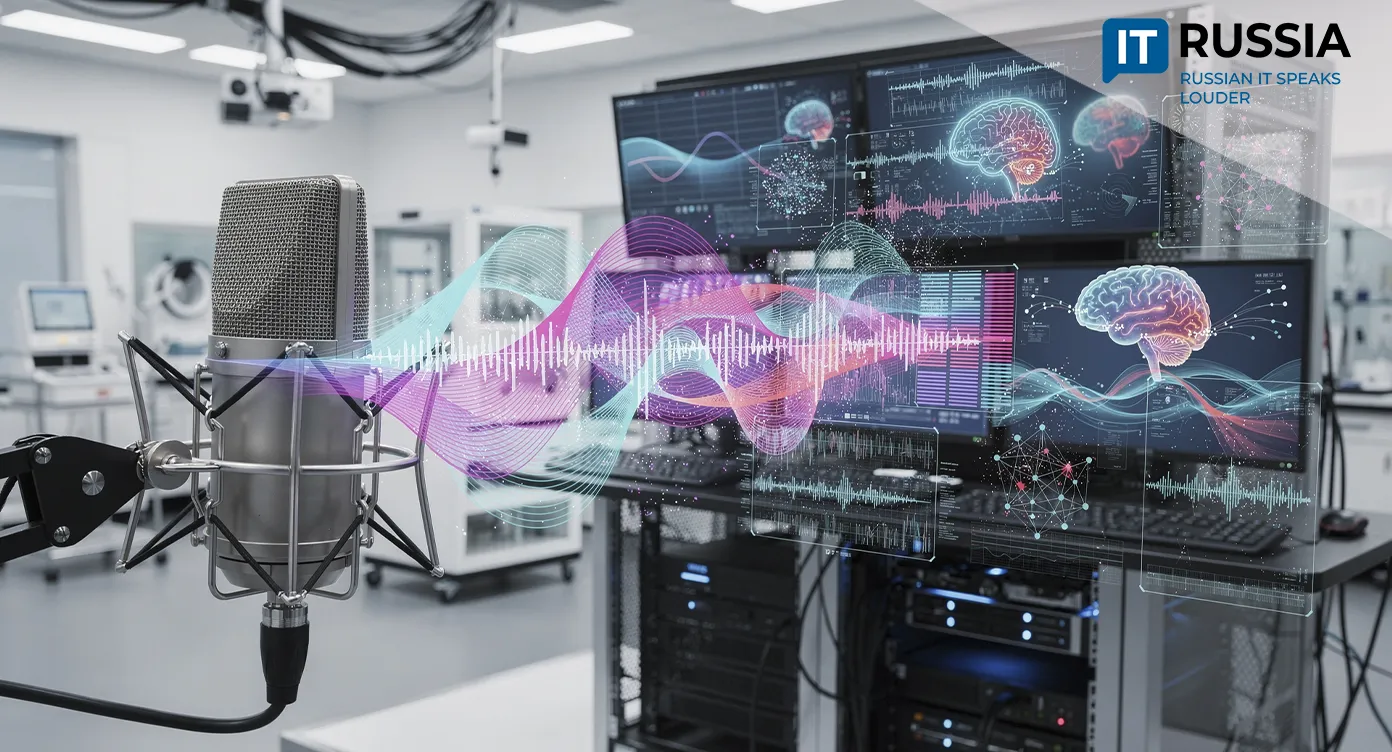
Researchers at Immanuel Kant Baltic Federal University (BFU) have developed a neural network model that can flag possible cognitive impairment from a person's speech recording, including changes in memory, attention, and cognitive performance that are often among the earliest signs of dementia or Parkinson's disease. The algorithm analyzes not only what a person says but also 88 acoustic characteristics, including speech rate, the number and duration of pauses, loudness, intonation, and voice tremor. It then compares those data with recordings from patients with confirmed diagnoses and healthy volunteers. The system estimates the likelihood of impairment on a scale from 0 to 100%.
The researchers emphasize that the neural network does not make a diagnosis. Instead, they describe it as a preliminary screening tool, a "red flag" that alerts physicians to patients who may require further evaluation. The final clinical judgment always remains with the physician.

Why Does This Matter Now?
The number of people living with cognitive disorders continues to rise, while there are not enough neurologists and neuropsychologists, particularly in small towns and rural communities. Meanwhile, identifying cognitive decline at an early stage can slow disease progression and help preserve a patient's quality of life for years. If screening requires nothing more than a standard microphone and a few minutes of conversation, assessments become feasible in places where they are currently unavailable.
For Russia's IT sector, the project represents the emergence of a new class of medical technologies: multimodal artificial intelligence that combines natural language processing, speech recognition, and acoustic biomarker analysis. Rather than simply adding another healthcare application, the approach could evolve into regulated medical software designed for preventive health screening, telemedicine, and remote patient monitoring.

Speech as a Biomarker
The Kaliningrad team's work reflects a broader global trend. In 2022, researchers at Drexel University showed that language models could detect subtle speech changes associated with the early stages of Alzheimer's disease. In 2025, international researchers introduced an algorithm that identified Parkinson's disease from a short reading sample with an accuracy of about 86%. Similar efforts are also underway in Russia, including Brainphone, Sechenov University's neural network for EEG-based diagnostics, and speech data collection projects in Perm Krai. Together, these developments suggest that medicine is gradually shifting from expensive instrument-based diagnostics toward analysis of accessible biomarkers such as speech, handwriting, and gait.

What Comes Next?
The next challenge is to transform the laboratory model into a clinically validated tool. That will require assembling a much larger and more diverse database of voice recordings, evaluating the algorithm across patients of different ages and with varying speech characteristics, determining its sensitivity and specificity, protecting biometric data, completing clinical trials, and obtaining state regulatory approval. Russian regulations impose rigorous requirements on AI-based medical software, meaning that no product can reach the market without demonstrating both safety and clinical effectiveness.
If validation is successful, the technology could become either a cloud-based service or a module within medical information systems. Exporting the model would require retraining it for other languages because speech rate, phonetics, and intonation vary substantially across linguistic communities. The most likely initial international deployment would be in Russian-speaking clinics across CIS and EAEU countries.
The BFU system is not yet a finished product, but it represents a strong piece of scientific research. Projects like this are steadily reshaping medicine by moving healthcare toward earlier, preventive intervention. And if the human voice truly reveals more about health than previously assumed, the most important step is making sure those signals are recognized in time.