Drones Set to Bring Rain to Fight Wildfires in Russia
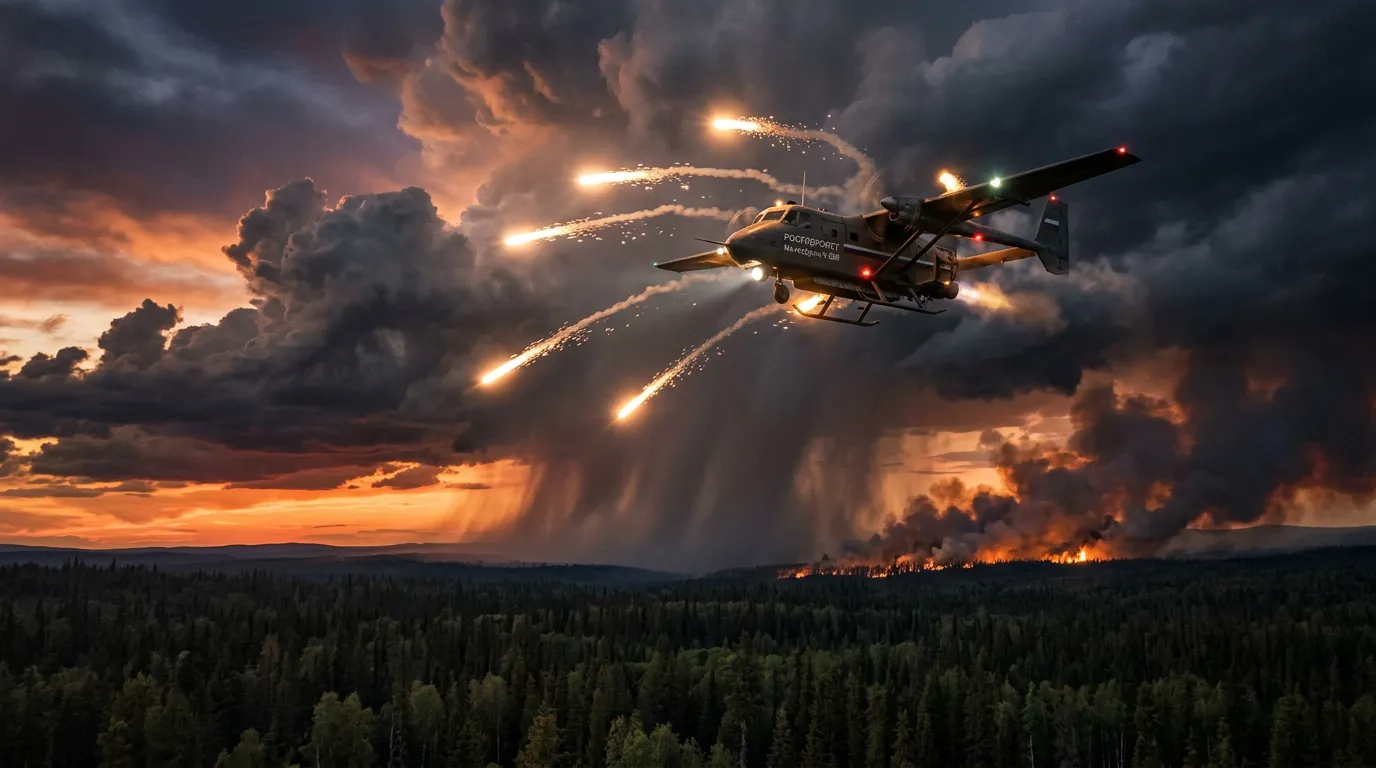
Avialesookhrana (Aerial Forest Protection Service) has long used cloud seeding to trigger rainfall over burning forests. Now, instead of heavy aircraft, drones are set to deliver silver iodide directly into the clouds.
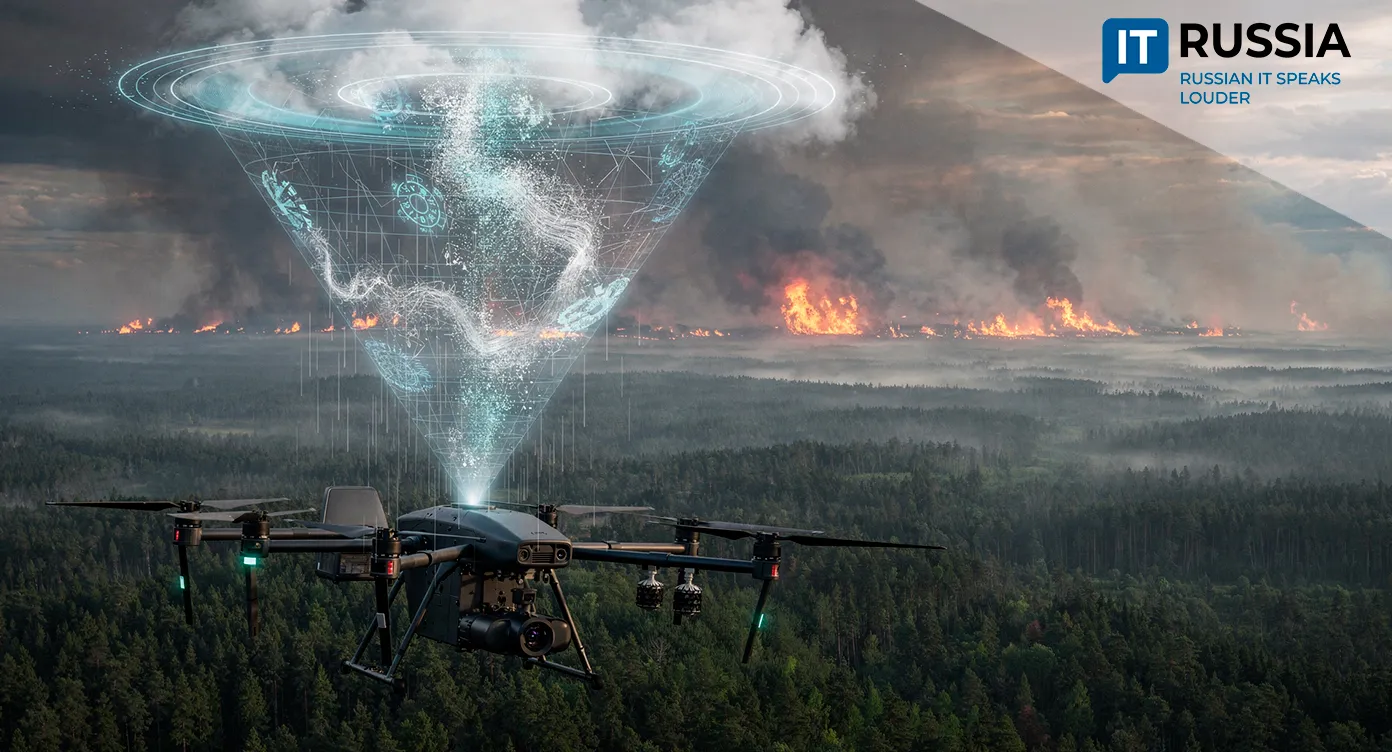
In 2024, Russia recorded 8,900 forest fires that burned across 8.3 million hectares. In 2025, 6,800 fires affected 4.3 million hectares. Despite clear progress in suppression efforts, much of it driven by advanced technology, wildfires remain difficult to fully control.
According to Rosleskhoz (Federal Forestry Agency), fires have already affected nearly 60,000 hectares this year. A fire-risk season has been declared in 57 regions, with heightened emergency measures in place across 18 of them.
Seeding Clouds to Protect Forests
The use of silver iodide to stimulate rainfall in moisture-rich clouds dates back to the 1980s. In Russia, this role has been performed by the An-26 “Cyclone” aircraft. Last year, artificial precipitation helped extinguish 79 large wildfires across roughly 1 million hectares. Operations took place in the Zabaykalsky and Krasnoyarsky regions, as well as Irkutsk, Buryatia and Tyva. Rainfall was successfully induced in 97% of cases. However, only a limited number of such aircraft are available nationwide.
Drones are now stepping in as a more flexible alternative. Over the past two years, more than 1,600 drones have been deployed for forest monitoring and protection. By 2030, that number is expected to exceed 5,100. Compared with aircraft, drones are cheaper, faster to deploy and better suited for remote areas across Siberia and the Far East.
Smart Monitoring
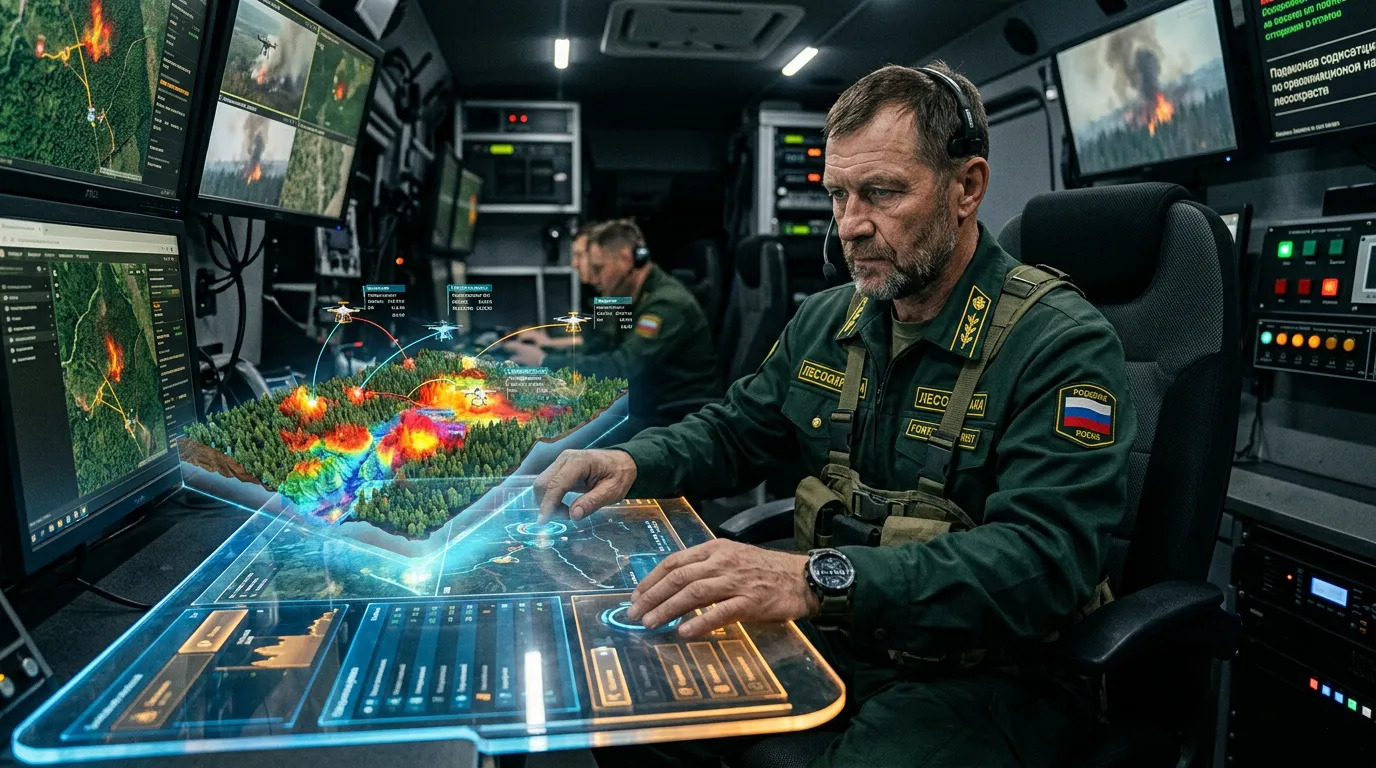
Avialesookhrana and Geoscan are working to advance unmanned aerial systems for monitoring wildfire risks and active fires, including the use of artificial intelligence. Geoscan has developed onboard AI capable of detecting ignition points. The system processes video directly on the drone, identifying active flames and smoldering areas while logging precise coordinates. Meanwhile, similar smart monitoring is handled by drones in the ZALA ZARYA line, already deployed by Russia’s Emergency Ministry. Their onboard IRRA system automatically identifies fire zones during flight and generates reports with exact geolocation data.
Drones are now being tested for active weather intervention as well. In China’s Xinjiang region, researchers have successfully conducted drone-based cloud seeding experiments. They achieved more precise targeting of cloud layers, previously considered a major technical challenge. The result was an increase of approximately 70,000 cubic meters of precipitation.
Acting Before Fires Spread
Early intervention remains the most effective strategy against wildfires. At Penza State University, researchers have developed an AI-based software system that predicts fire outbreaks. The platform analyzes weather conditions, vegetation status, historical data and expert assessments to identify high-risk zones before ignition occurs.
New drone systems, effectively successors to the Cyclone aircraft, are expected to prevent fires from escalating. Swarms of drones can quickly locate suitable clouds and trigger crystallization processes, helping avoid large-scale crown fires, evacuations and prolonged smog. This also translates into substantial cost savings compared with traditional firefighting operations.
Drones will not replace ground crews or aircraft, but they will add a critical layer of precision response. The technology is likely to spread rapidly across Russia’s regions. In the future, AI may help drones select optimal cloud targets for intervention. That would significantly strengthen wildfire defense systems and improve resilience against increasingly severe fire seasons.