

Top Marks for the Capital: Moskovskaya elektronnaya shkola Becomes a Federal Standard
What started as a replacement for a paper gradebook has grown into a nationwide digital education platform. Today, it serves millions of users, handles millions of daily requests and uses AI to help students close learning gaps faster than traditional tutoring.
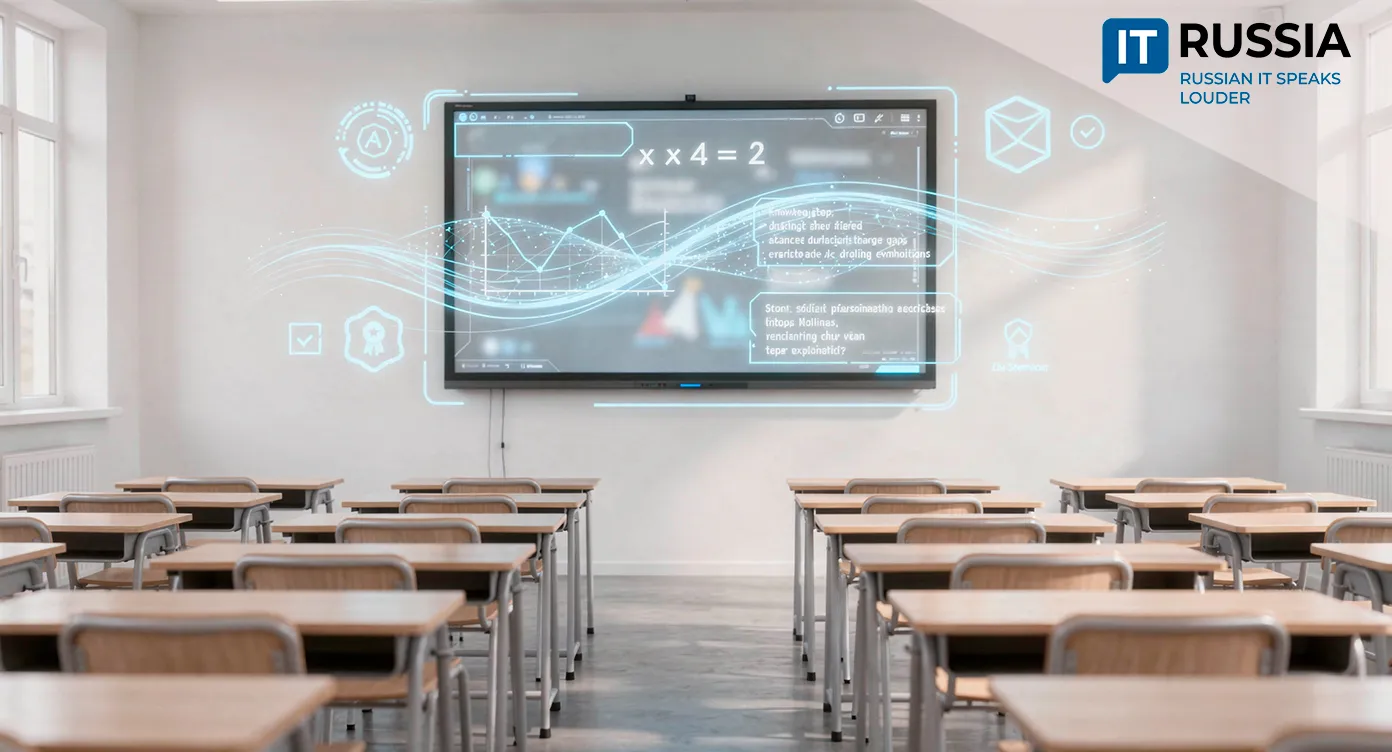
Every day, in Moscow and six other Russian regions, the same routine plays out. Someone opens a laptop. Someone taps a smartphone screen. This happens five million times a day. That is how often users access the unified education platform Moskovskaya elektronnaya shkola (Moscow Electronic School) in Moscow alone. Mayor Sergey Sobyanin summed it up, calling MESH an “essential assistant for more than 3 million teachers, students and parents.”
AI Steps In to Support Learning
More than 4,400 schools beyond Moscow’s ring road are already using MESH. The system operates in Kaluga, Moscow and Tyumen regions, as well as in the Republics of Tatarstan and Dagestan and the Yamalo-Nenets Autonomous Okrug. Teachers no longer deal with paper reporting. Parents can pay for extracurricular activities and approve field trips in just a few clicks through the Dnevnik MESH (MESH Diary). For college students, the platform has become a digital workshop, a first step toward real-world skills.
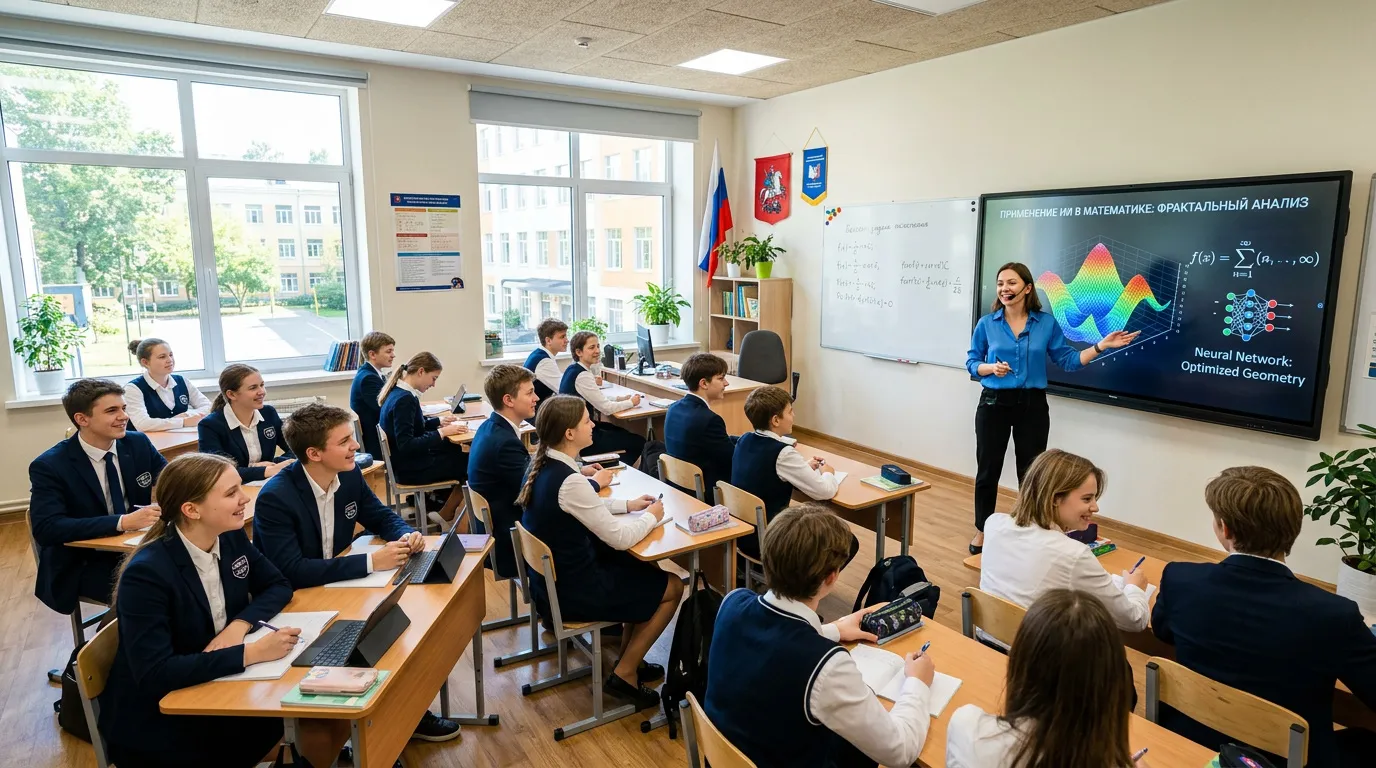
The idea of a “robot teacher” once raised concerns. Many expected soulless scripts and chilling voices. In practice, MESH introduced Tsifrovoy uchitel (Digital Teacher), an AI-driven tool that analyzes a student’s knowledge and recommends targeted exercises. It already covers math, English, physics and computer science for grades 5 through 9, helping students steadily improve performance. In March this year, the platform added an AI tutor to support preparation for the Unified State Exam.
Learning Beyond Memorization
AI in MESH does more than assign pass or fail marks. It walks students through problem-solving step by step in subjects such as math and computer science. Students can make repeated mistakes without penalty. The system calmly guides them back through the process, reducing anxiety around exams. That also eases pressure on teachers. A dedicated AI-powered chatbot now helps educators prepare lessons.
At the same time, Moscow has moved beyond rote learning. To keep students engaged, the platform added gamification features in the digital diary, turning academic achievements into rewards. There is also Portfolio uchashchegosya (Student Portfolio), a service for ninth-grade students that tracks hands-on experiences and visits to employers, helping them connect education with future careers.

MESH Expands Beyond Moscow
Just five years ago, MESH was seen mainly as a convenient alternative to paper gradebooks. In 2023, that changed. Moscow launched a pilot in the surrounding region, covering 60 schools and more than 67,000 users. At that point, the platform began evolving from a city service into a federal model. That same year, its framework was used to build the nationwide system Moya shkola (My School).
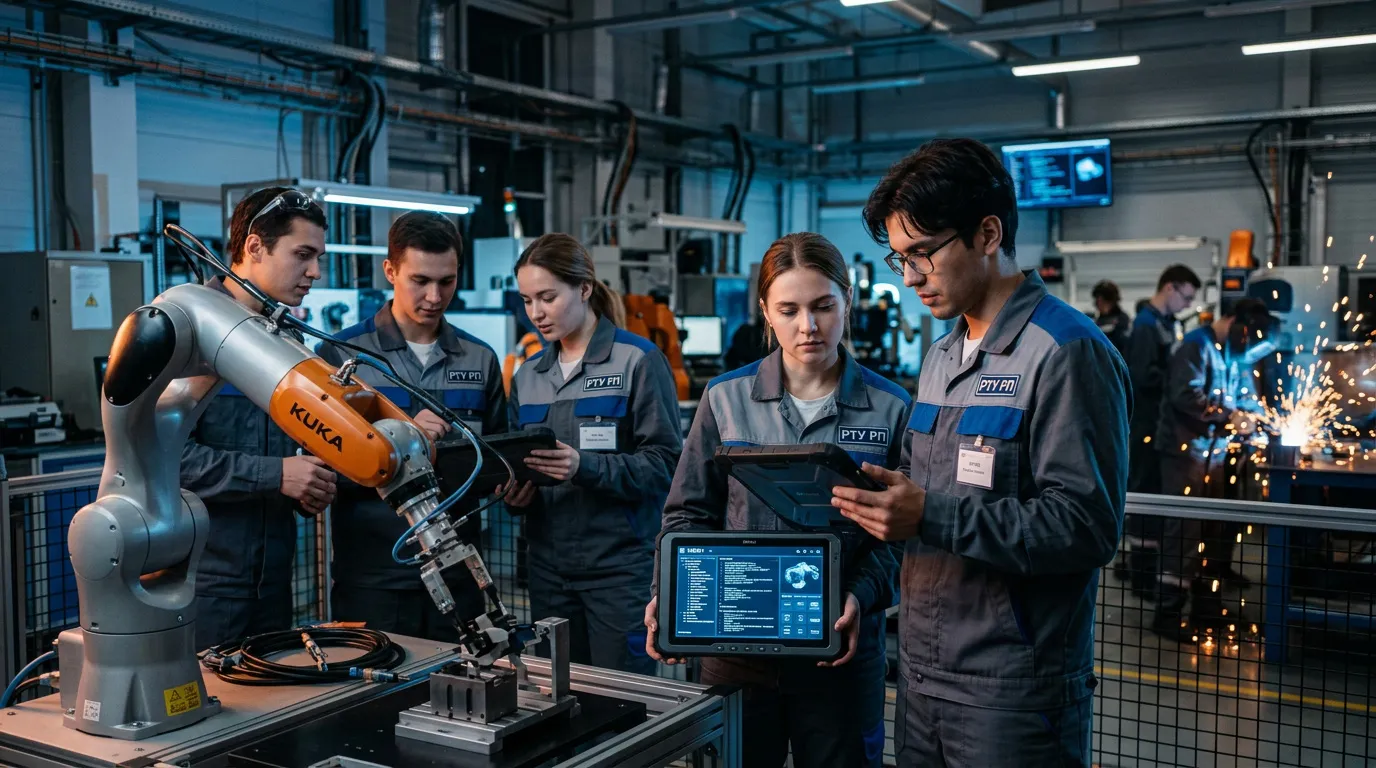
By 2024, adoption had scaled significantly, reaching 4,300 educational institutions and more than 4 million users across regions. In 2025, the platform expanded further by integrating colleges. Students in vocational education, whether working with machinery or in training kitchens, became part of the same digital environment. That year also brought additional subjects to Tsifrovoy uchitel.
In 2026, the platform introduced an AI tutor for the Unified State Exam. Meanwhile, the MESH digital library continues to grow, adding new educational materials and becoming easier to use. It now offers personalized recommendations based on each student’s class schedule.
Interestingly, similar ecosystems in Western countries are often built on private investment. The Russian case stands out as a state-led platform operating at scale, combining budget discipline with millions of active users.
Three Steps Beyond Maturity
MESH can now be seen as a mature digital learning environment. The next stage is deeper integration. The first step involves expanding AI assistants. While tutoring is currently available in a limited set of subjects, it is likely to extend across the full curriculum. The second step is tighter integration between colleges and employers within a shared digital space.
The third step may be the most significant for Russia’s tech sector. MESH has set a precedent. It shows that government can build large-scale, user-friendly and secure digital products that compete with commercial solutions. This model is already being replicated in other regions. In the near future, saying that a school runs on MESH may no longer stand out.