Zhivoy Simbirsk: When the Past Helps You Value the Present
In Ulyanovsk, a documentary film titled Zhivoy Simbirsk (Living Simbirsk) has been created with the help of AI, allowing viewers to see what the city looked like more than a century ago. This journey through time became possible thanks to director Oleg Nikulin, producer Ekaterina Koptelova, and support from the architectural and design bureau Panda.
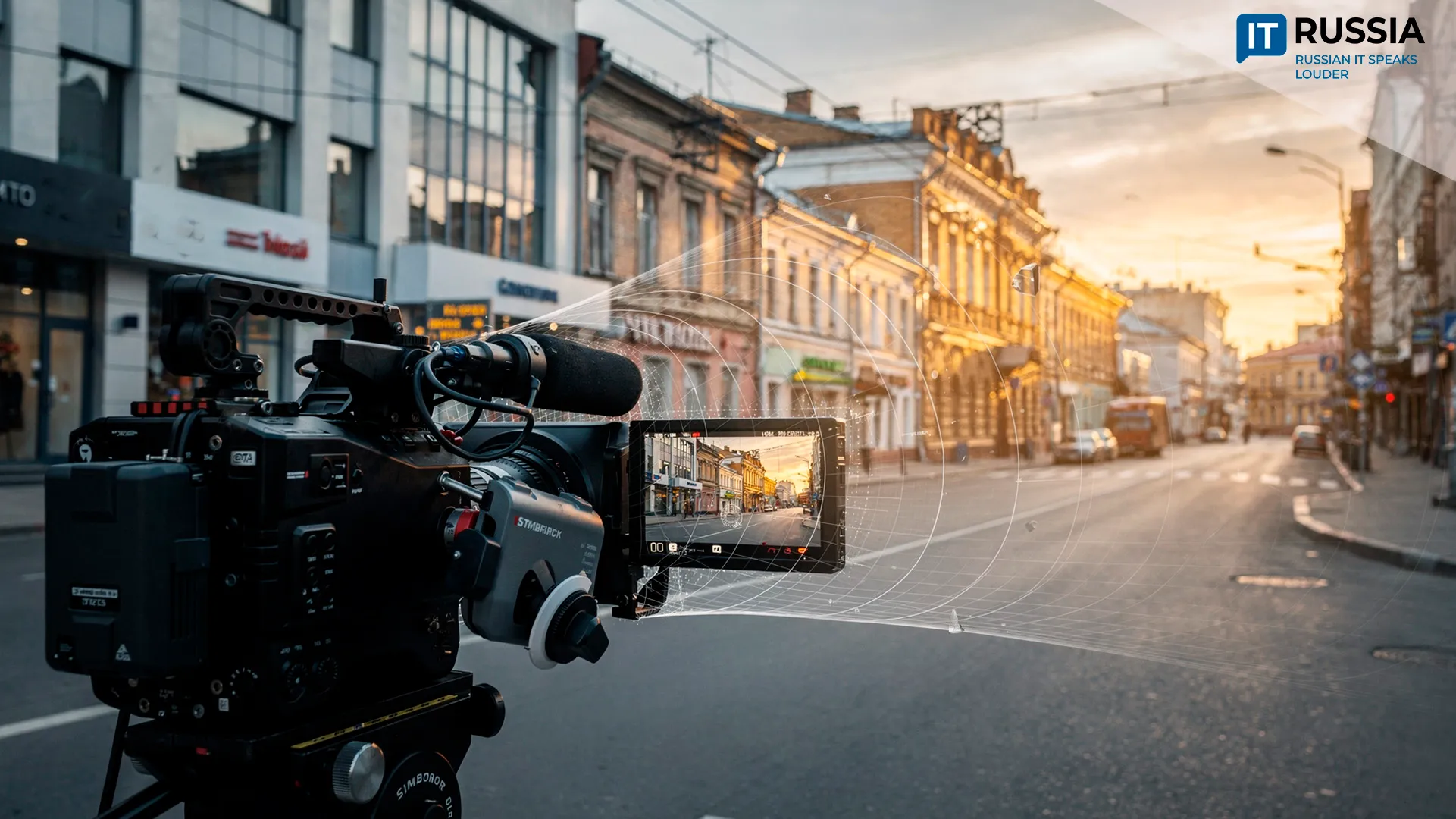
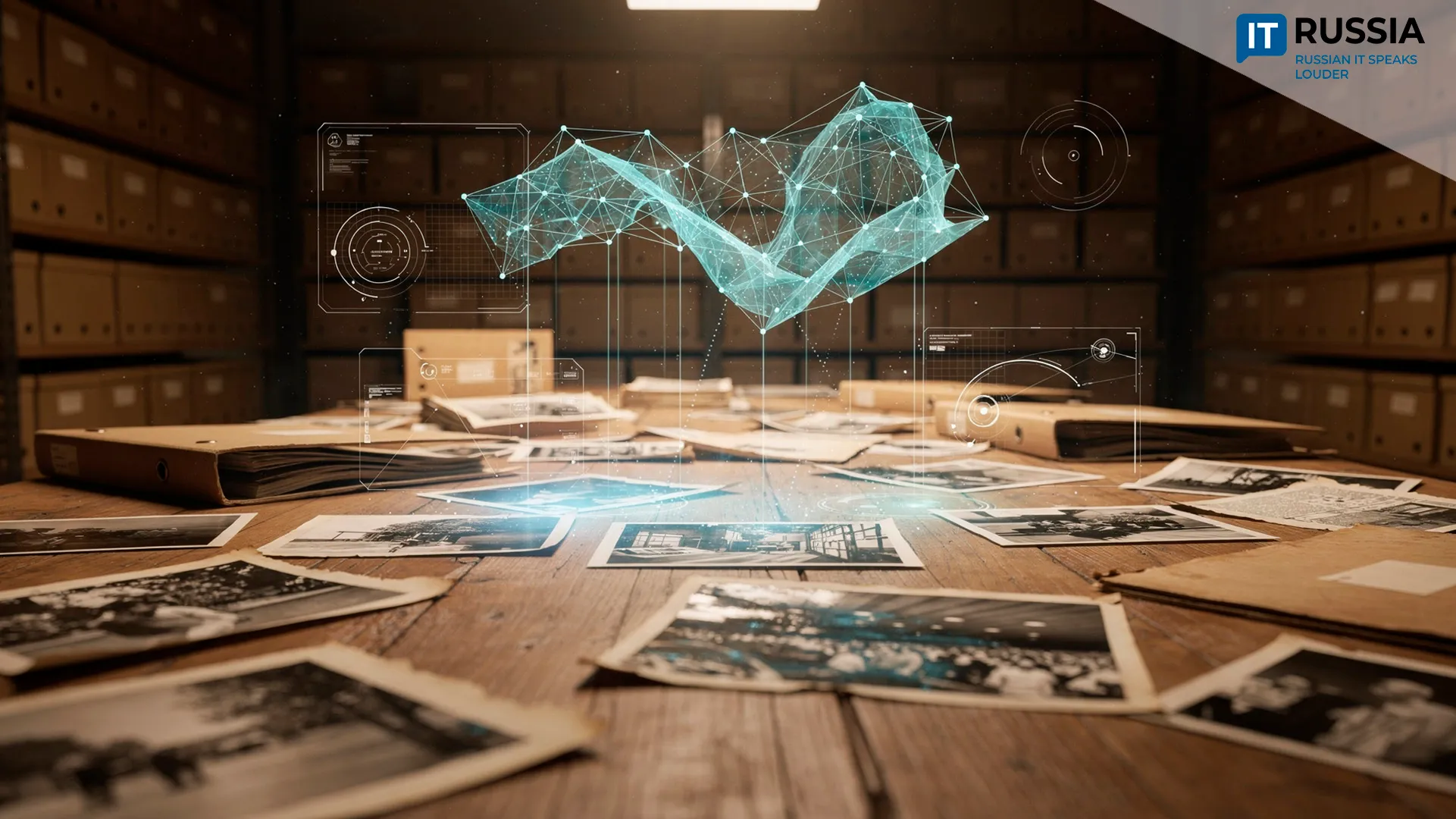
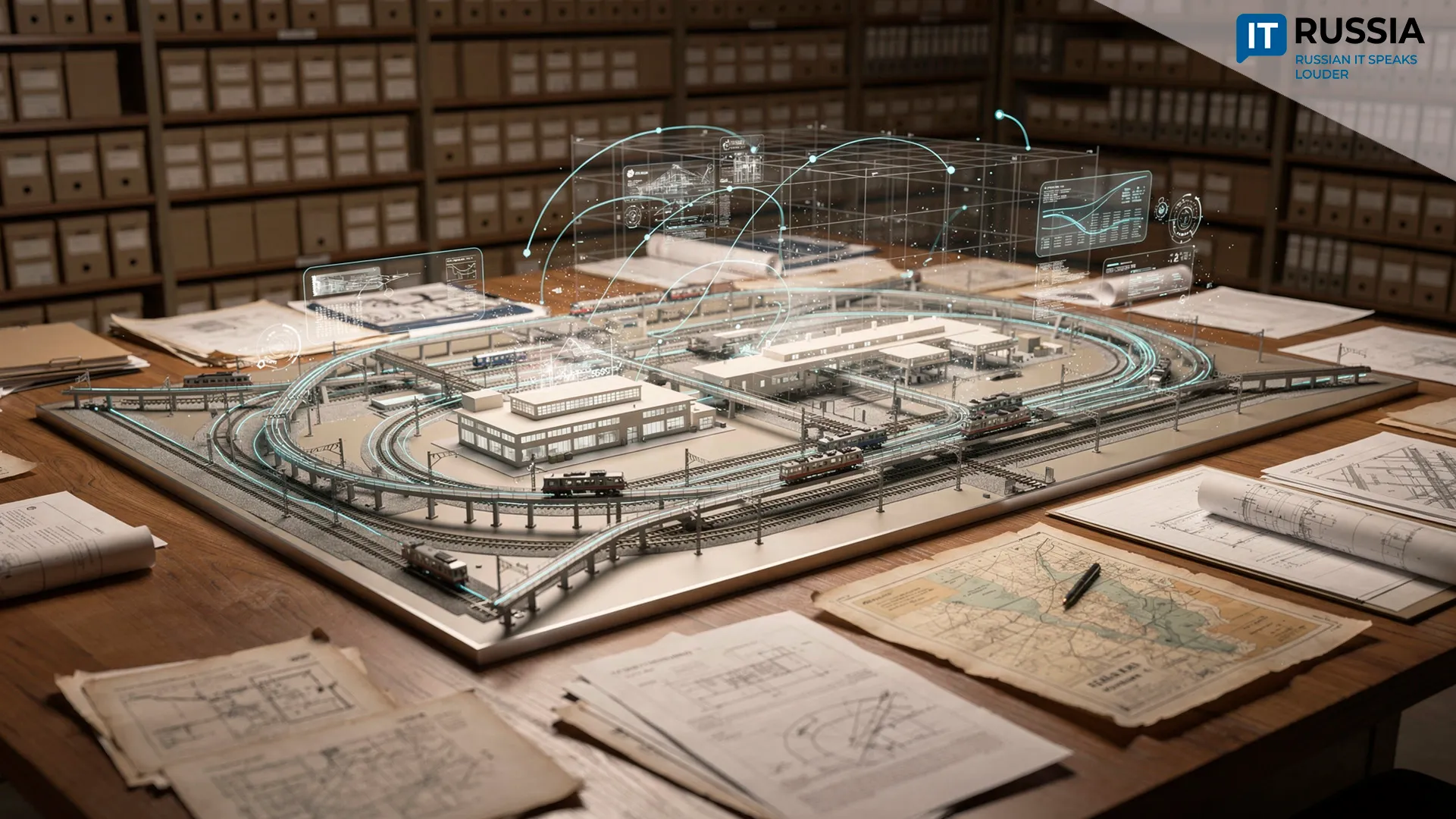
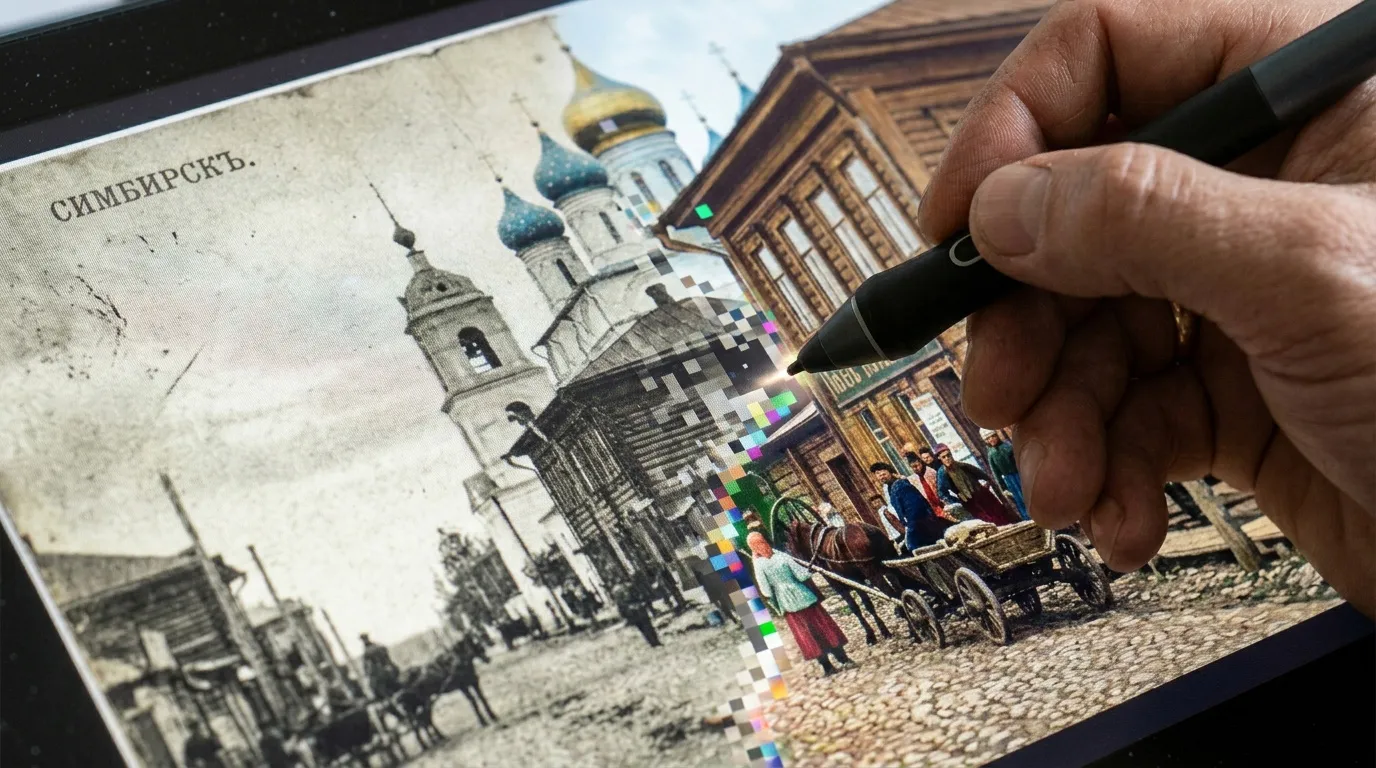
For director Oleg Nikulin, Ulyanovsk is his hometown – familiar and deeply personal since childhood. Showing what it looked like in the past was his own initiative. The project came together through archival photographs from the late 19th and early 20th centuries, combined with new technologies. Artificial intelligence brought old images to life, turning them into a documentary film.
From Archive to Screen
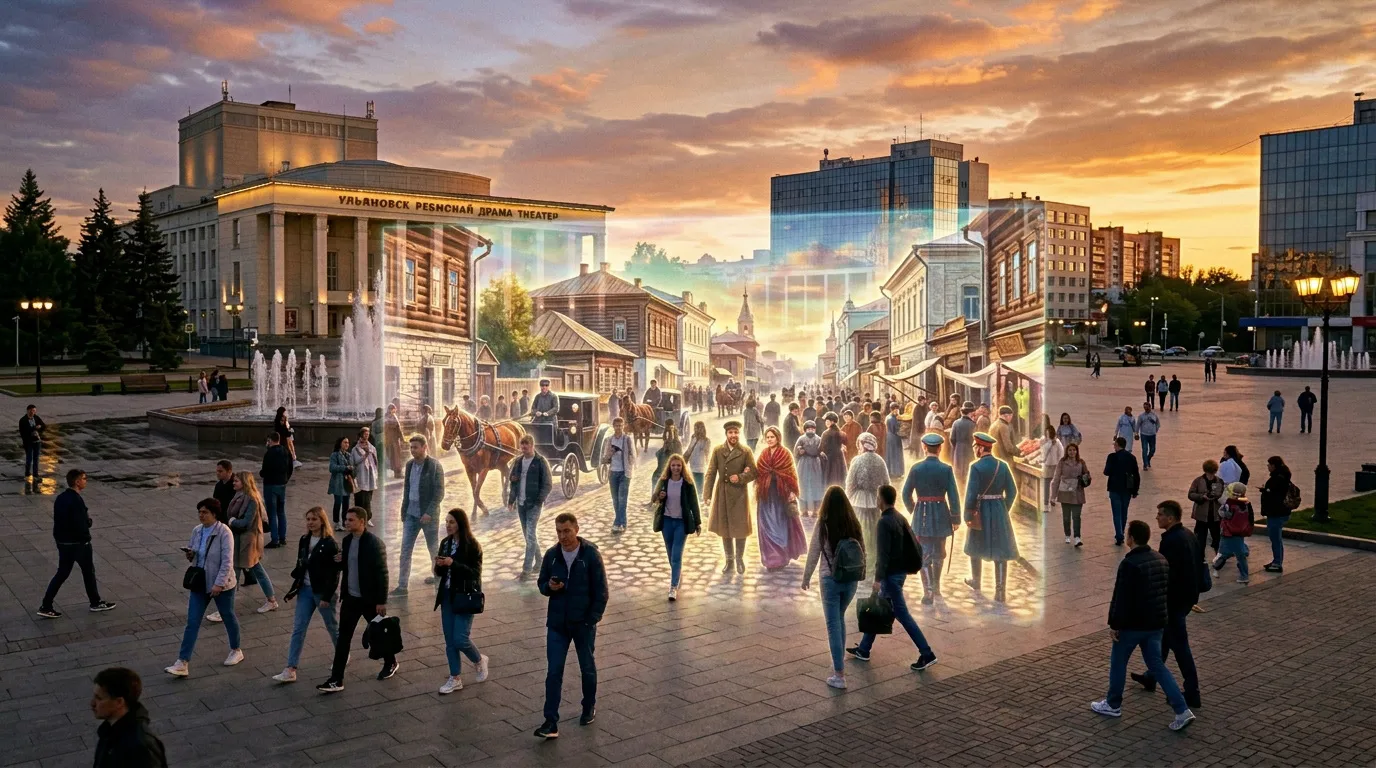
The viewer is placed inside a bygone era – among fairs, trading arcades, and the everyday life of old Simbirsk, the city that was renamed Ulyanovsk in 1924. Today, the streets of the historic center look different, and no one remembers them as they appear in archival images. Footage that spent decades in storage is now animated with movement, helping tell the story.
But Zhivoy Simbirsk is not only – and not primarily – about architecture or streets. At its core is the human story. It explores people, their lives, different eras, and how connections between generations persist over time. The city becomes a living witness to human destinies. The creators believe that looking into the past helps people better understand and experience the present.
The film is available at Ulyanovsk’s tourist information centers – Semeynyy gid Ulyanovska (Family Guide of Ulyanovsk) and Ulyotnyy TITS (Flight TICC).
A New Tourism Product
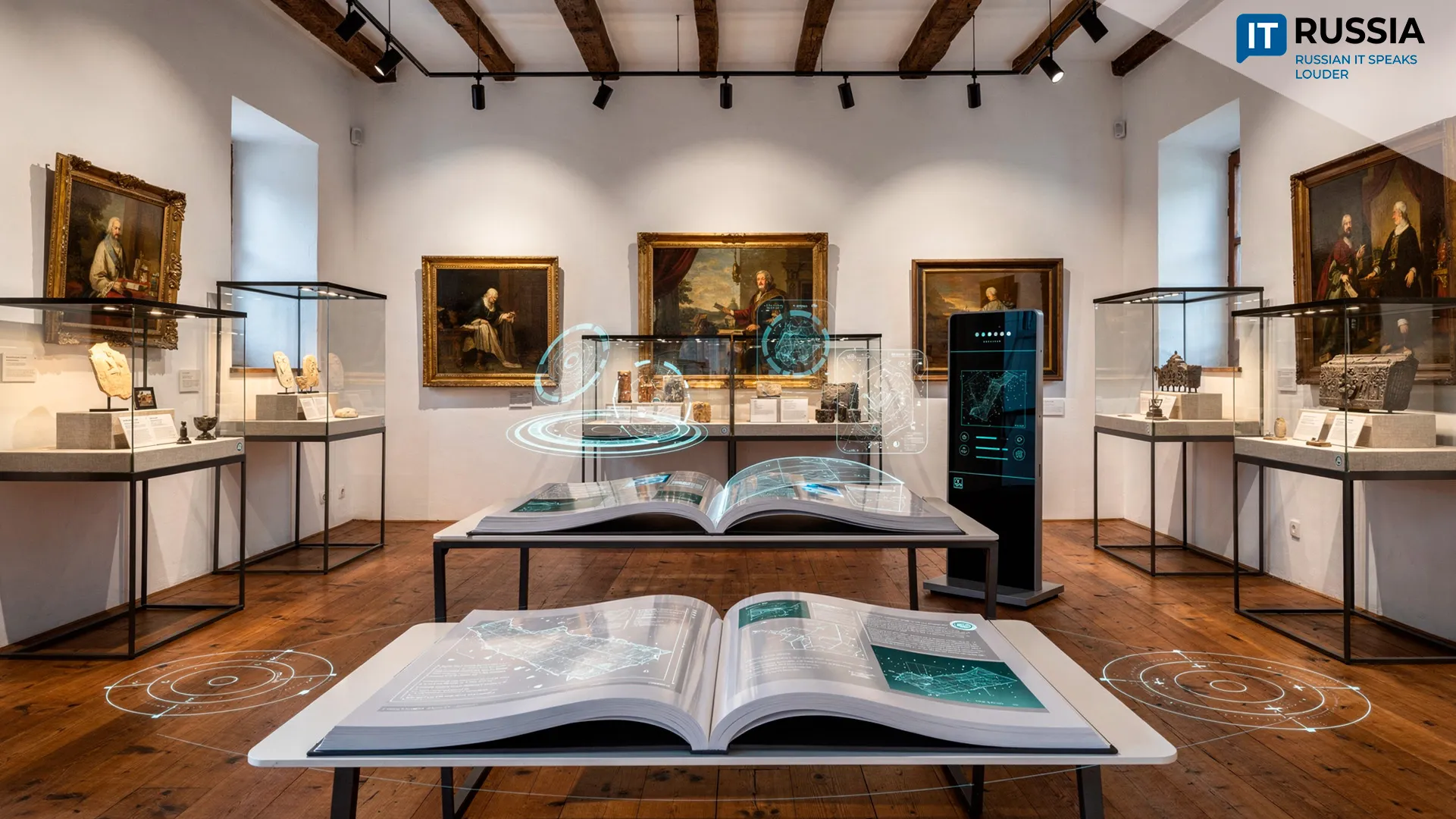
The Zhivoy Simbirsk project reflects a broader push toward digitizing cultural heritage while addressing a key task – preserving historical memory. At the same time, the film supports regional tourism by drawing attention to the city’s historical value for both residents and visitors. It can be used as promotional content for tours, exhibitions, and city events, as well as integrated into tourist routes and school programs.
Projects like this also matter for the IT sector. They highlight a different kind of AI application – not infrastructure or public services, but creative industries.
Demand for AI solutions in the humanities is expanding. This approach can be replicated by museums, archives, and tourism centers developing their own tourism and edtech products.
The Future of “Traveling to the Past”
In Russia, turning to history and restoring what was lost with the help of new technologies has become a recurring practice. One early example of neural network use in culture is the Bakhrushin Museum. In 2023, its team applied AI to generate visual concepts for future exhibitions based on archival documents, images, and scholarly descriptions.
Three years later, such experiments are becoming widespread. AI is now used to create virtual journeys into the past, helping audiences explore lost historical sites and experience the atmosphere of older cities.
“Traveling to the past” is gaining popularity. Local history, once confined to museums, archives, and libraries, is being reinterpreted and turned into a mass product. This shift reflects changing attitudes toward history and new ways cultural institutions engage with society. Paradoxically, AI is making that conversation more vivid and memorable.
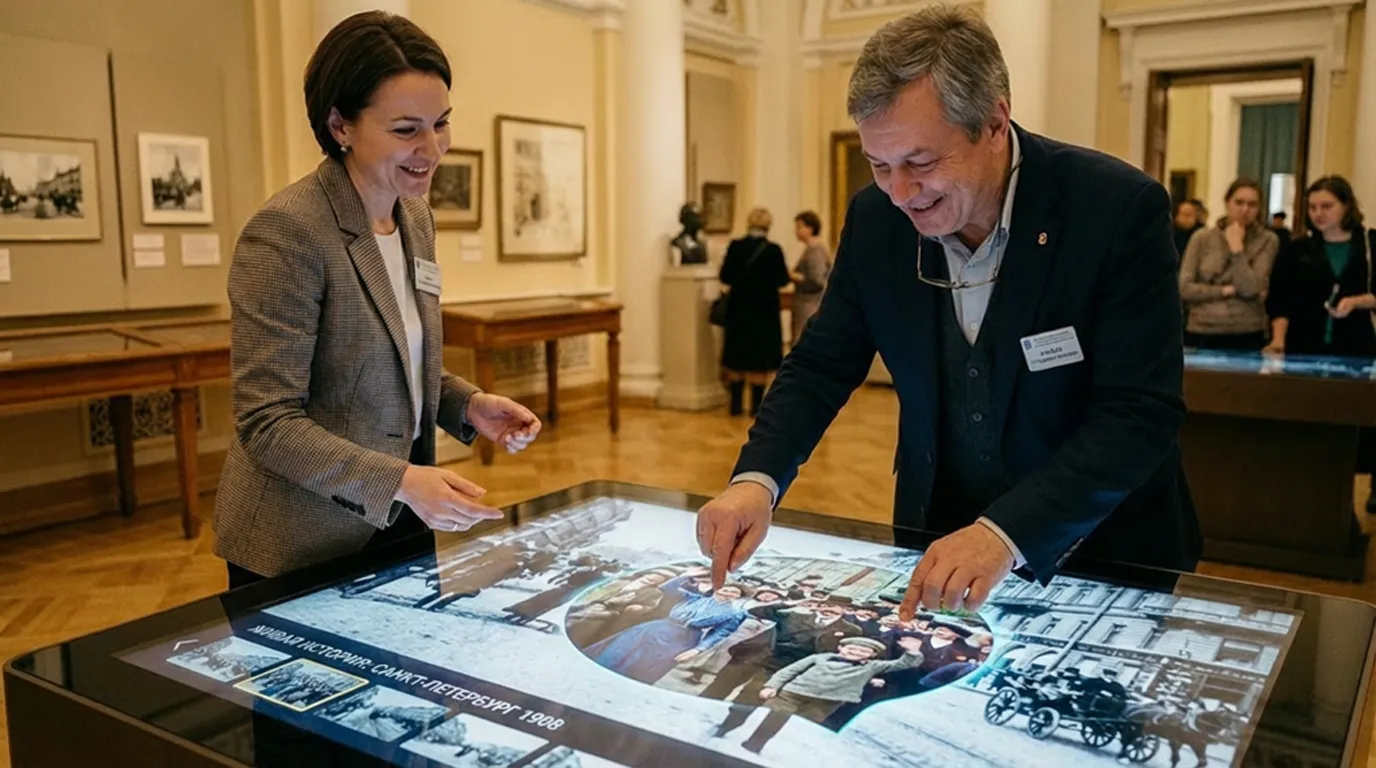
Experts expect the number of such projects in Russia to grow in the coming years. Regional authorities, museums, and tourism centers all have a stake in this development. These projects are also valuable in education, helping younger audiences connect with local history. Their growing popularity is driven by several factors: a national focus on cultural digitization, institutional interest in AI, and audience demand for visually engaging and emotionally accessible historical content.