Reassembling the Code: MIPT Launches a Bachelor’s Program in Reverse Engineering
The Moscow Institute of Physics and Technology and Positive Technologies have signed an agreement to create a bachelor’s program in reverse engineering – a first for Russian higher education.

Starting next academic year, the Higher School of Software Engineering at MIPT will introduce a new track, “Development of Cybersecurity Systems and Reengineering of Cyber-Physical Systems.” It will be the country’s first academic program focused on reverse engineering as a core tool for information security.
From Theory to Taking Systems Apart
Reverse engineering is a method for analyzing devices and software without access to source code or technical documentation. In cybersecurity, it is used to find vulnerabilities, analyze malware, and build defensive tools. Specialists effectively “take apart” complex systems – from microchips to industrial software – to understand how they work and prevent their weak points from being exploited.
The joint program by MIPT and Positive Technologies combines two training tracks. The first focuses on developing software to protect information systems. The second centers on assessing the security of systems, from physical devices to embedded environments. Students will study computer and operating system architecture, methods for identifying defects in code, microelectronics, and hardware, and will learn reverse engineering techniques.

Hands-On Learning From Day One
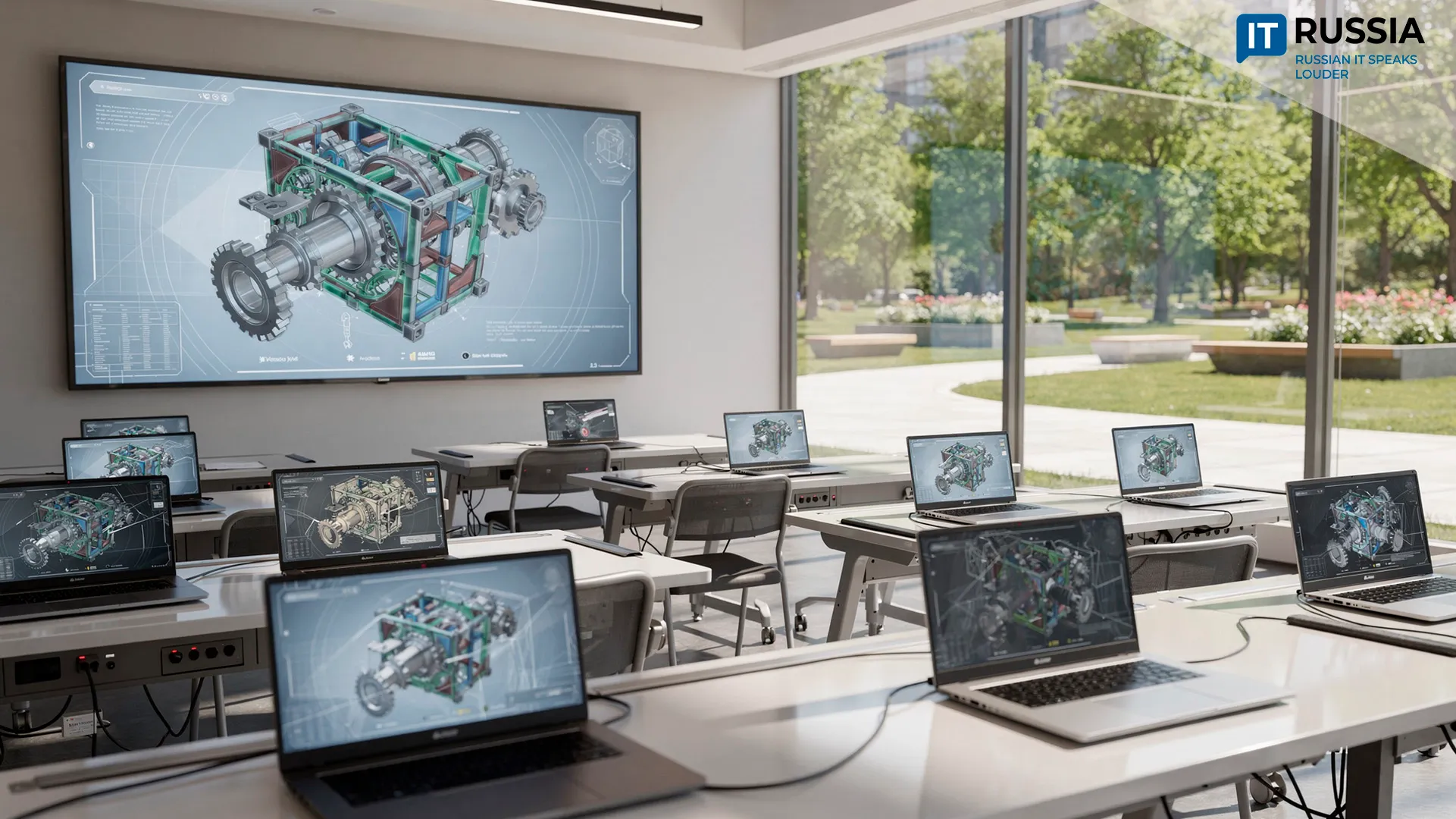
Unlike traditional programs where hands-on work begins in later years, students here will start lab work in their first semester. The lab will be equipped with modern hardware from Positive Technologies, and company experts – who work daily on vulnerability research across a wide range of systems – will lead practical sessions and mentor student projects.
Cyber-physical systems form the backbone of the fourth industrial revolution. These are systems where software controls physical processes, including autonomous factory robots, self-driving vehicles, smart power grids, and robotic medical equipment. Their security is critical: a vulnerability in such systems can lead not only to data breaches but also to physical damage.
To secure cyber-physical systems effectively, specialists need more than AI knowledge. They must understand hardware and low-level software in depth – precisely the skills developed through reverse engineering.
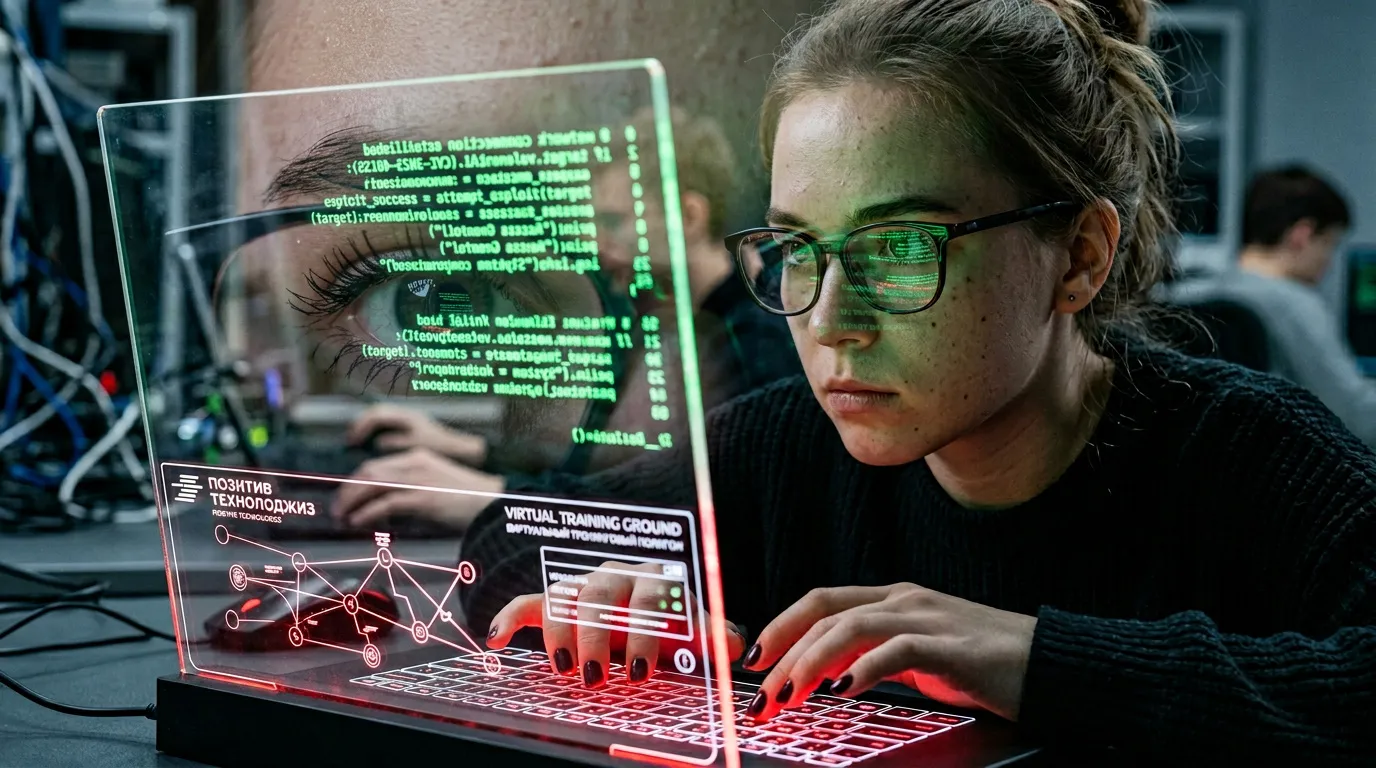
The federal project Kadry dlya tsifrovoy transformatsii (Workforce for Digital Transformation) aims to train specialists who can support the country’s technological sovereignty. Developing domestic tools to protect critical infrastructure requires experts capable of analyzing and strengthening system security at both the hardware and software levels.
Admissions Details
The admissions campaign will begin in summer 2026. Competition is expected to be high, with only 36 available spots. The program will be offered within the existing “Software Engineering” track. Applicants will complete an interview to assess their professional interests and select a study pathway.
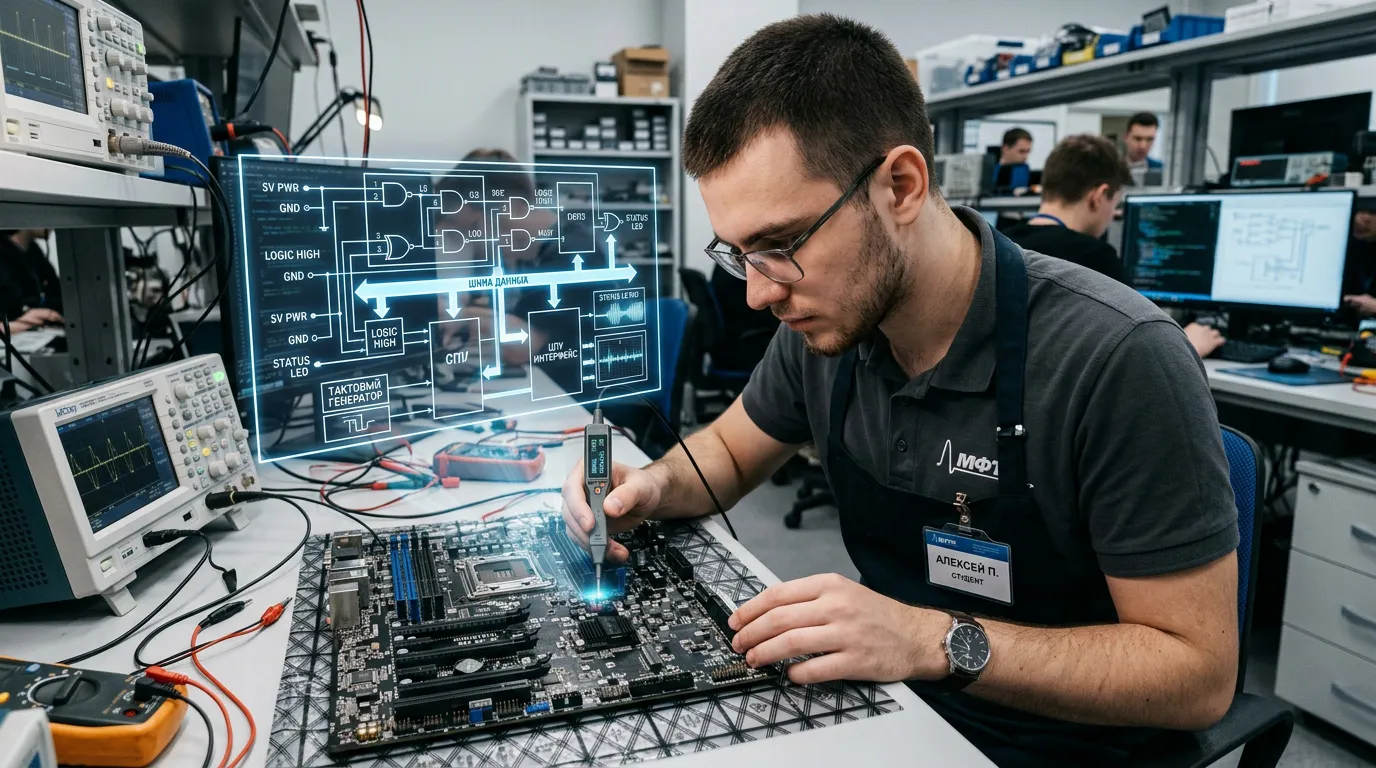
Graduates will gain skills in demand across both private companies and government agencies responsible for protecting information infrastructure. As technological competition intensifies and cyber threats grow, such expertise becomes increasingly important for ensuring digital sovereignty.