Orbital Autopilot: Why Russia’s New Station Is Designed as the World’s First “Drone Platform”
Russia’s upcoming orbital station is being positioned as the world’s first drone-like platform equipped with onboard robots and artificial intelligence. The first launch of the Soyuz-5 carrier rocket, developed in cooperation with Kazakhstan, is expected in the coming days.
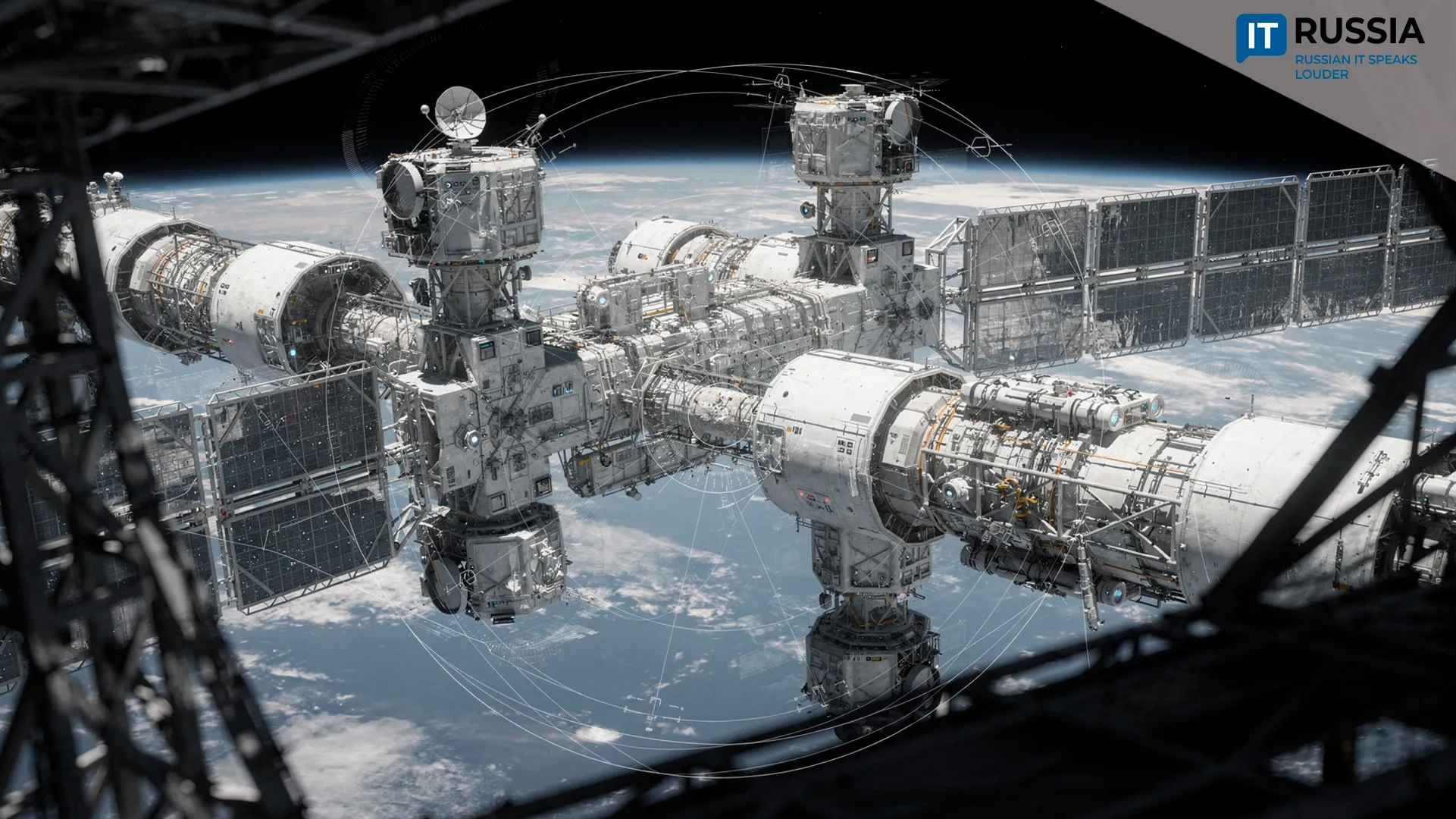
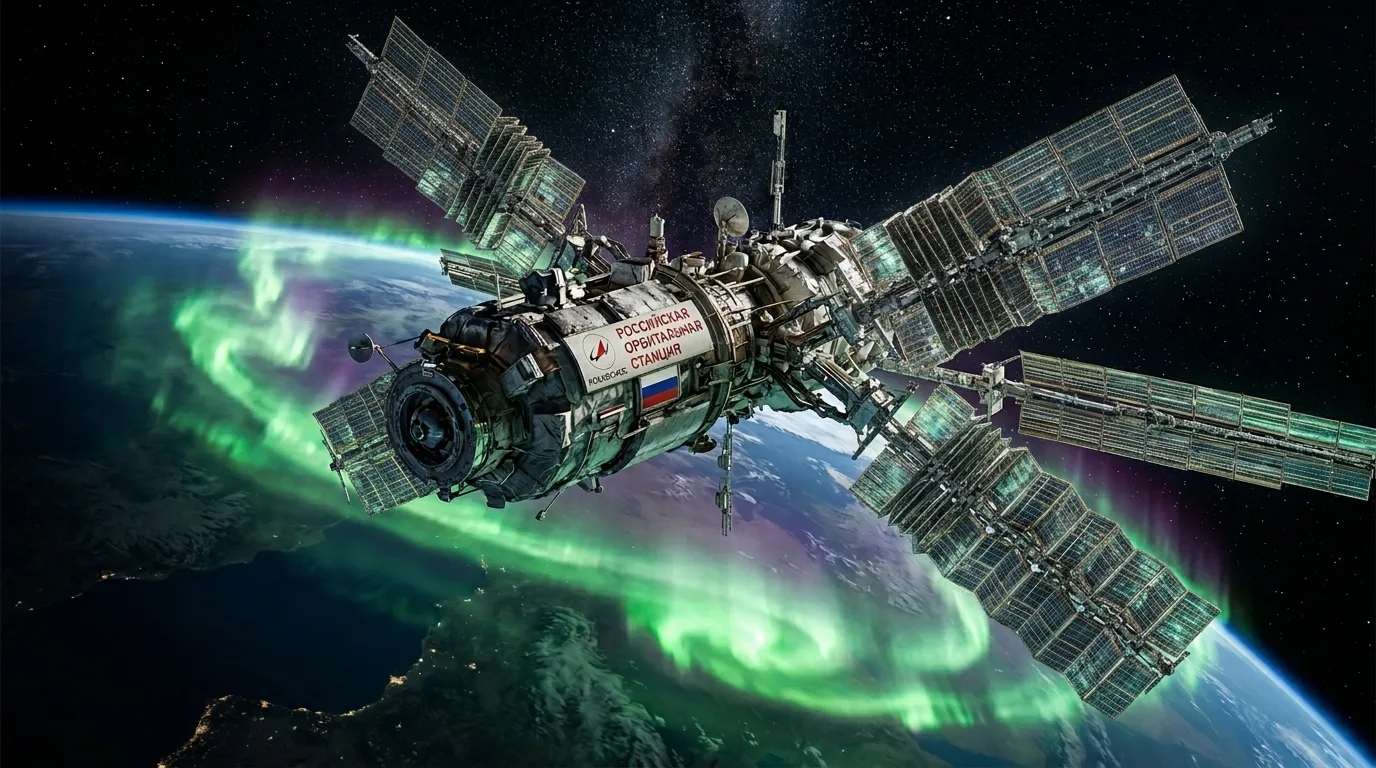
The planned Rossiyskaya orbitalnaya stantsiya (Russian Orbital Station; ROS) is conceived not simply as a successor to the ISS, but as a fundamentally new type of orbital infrastructure – a “drone platform” built around robotic self-maintenance. This marks a deeper shift in human spaceflight, where AI and autonomous systems are not add-ons but core elements of the architecture.
Demand for Deep Tech
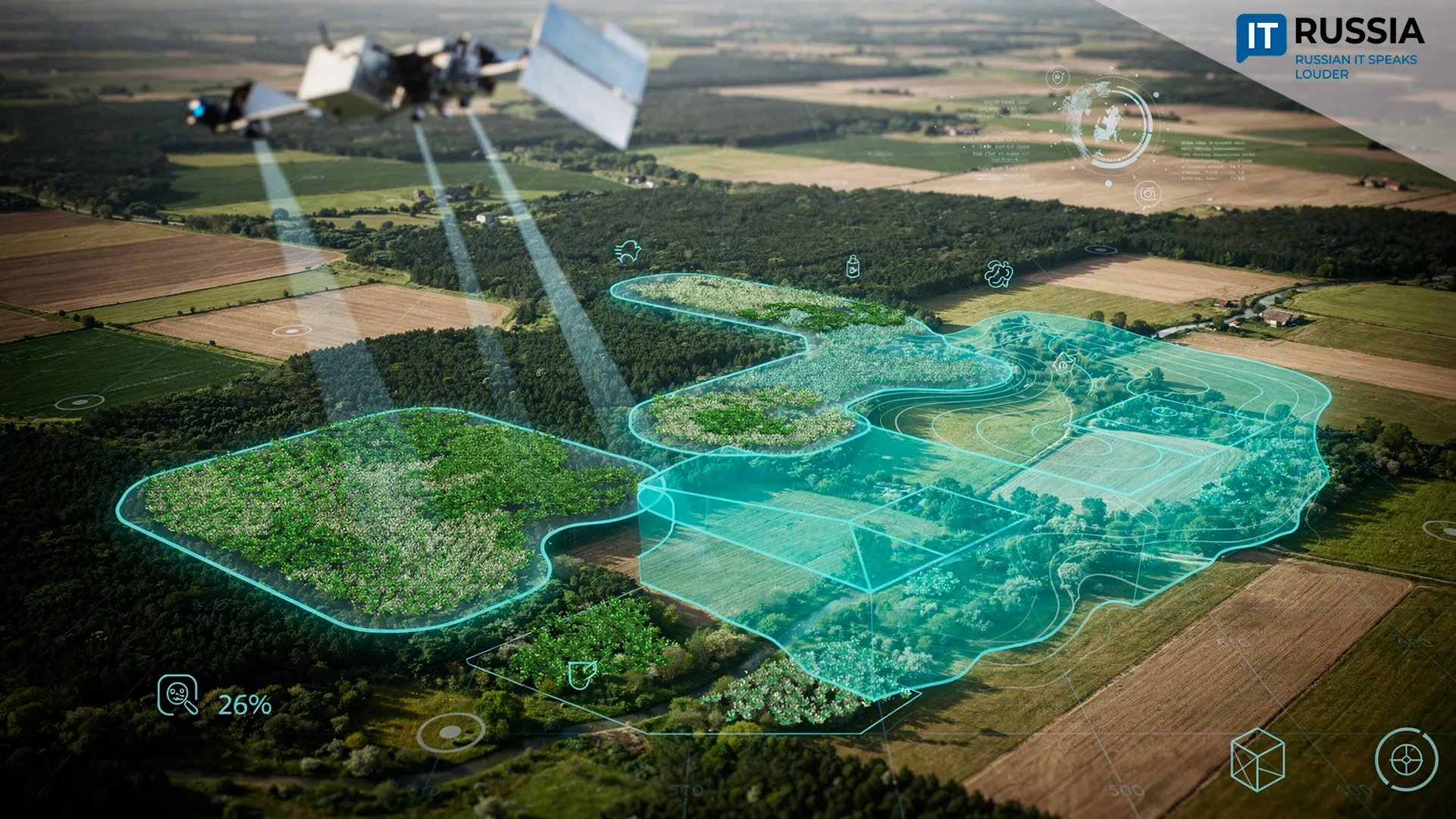
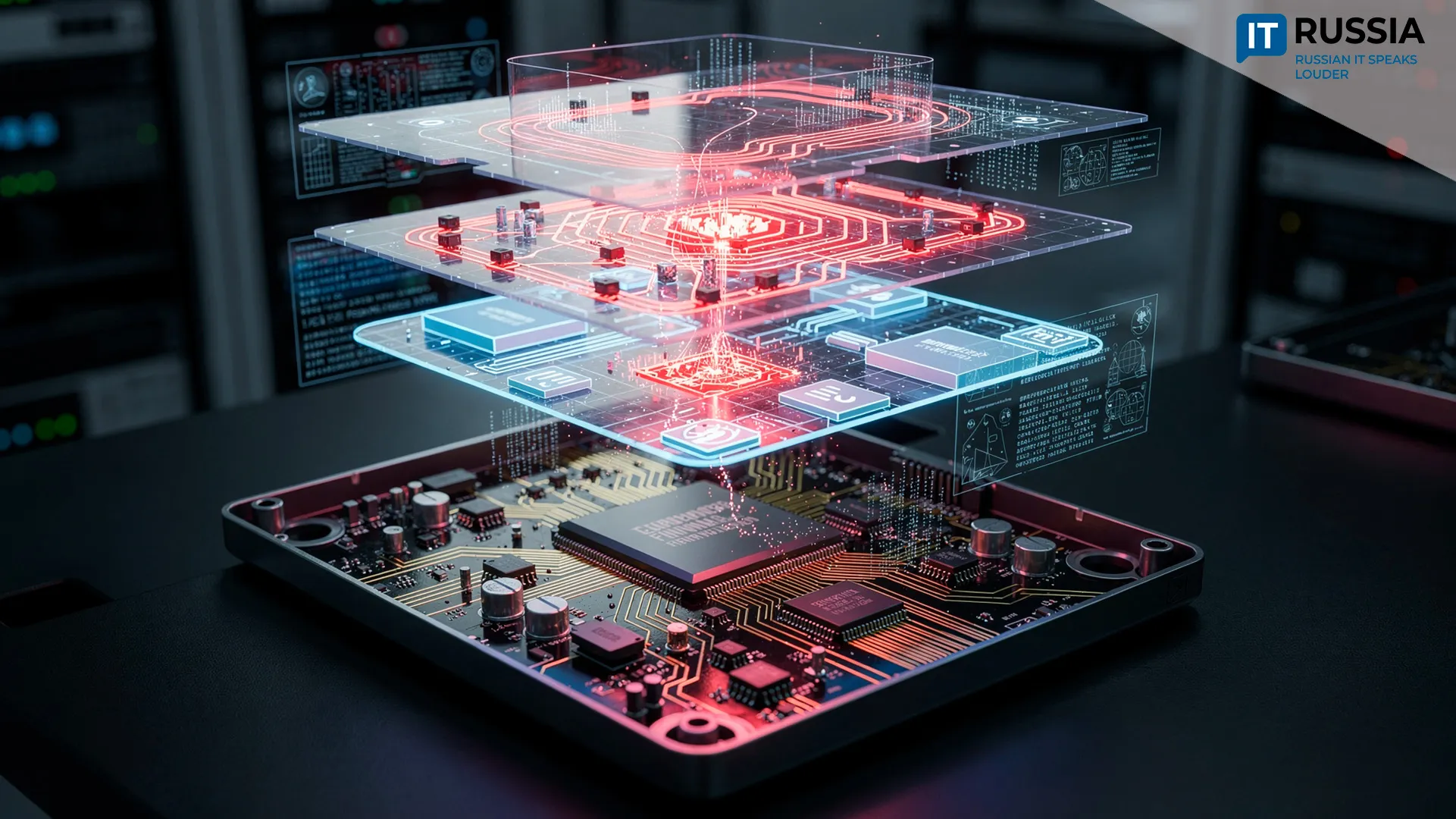
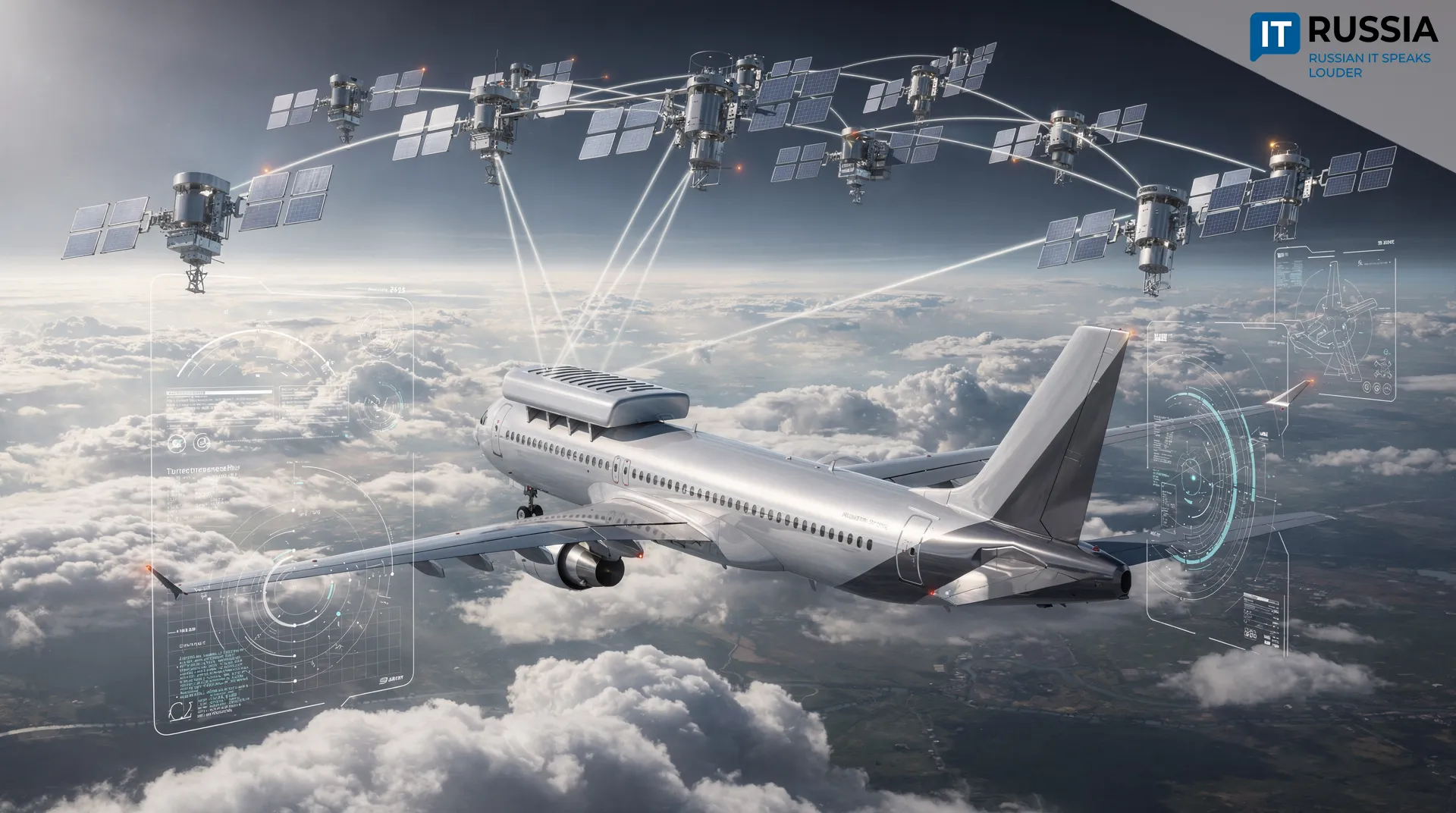
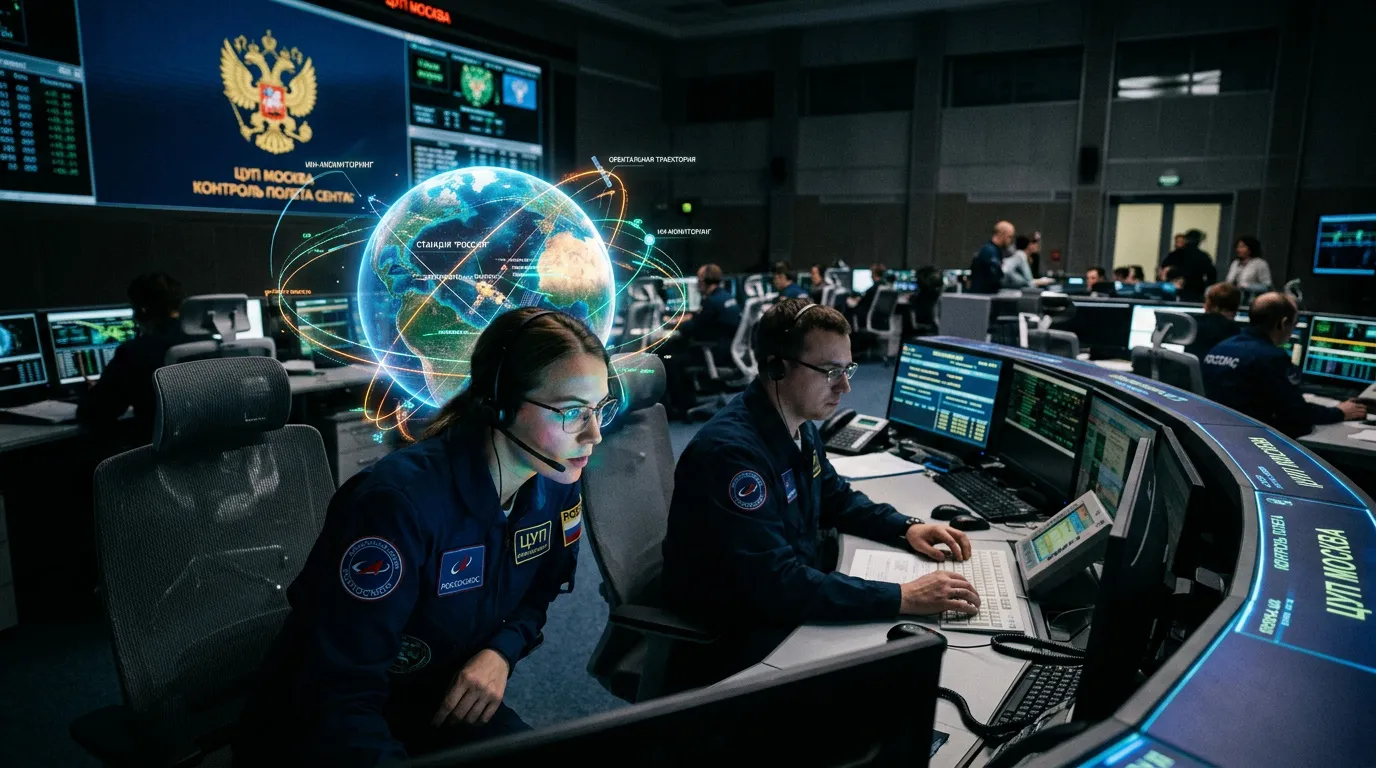
ROS is designed as a tightly integrated hardware and software system. Its architecture requires a “smart onboard” concept, combining embedded AI, machine vision, and predictive diagnostics. Developers are tasked with building secure communication systems, software for orbital servicing, and advanced digital twins capable of modeling the station’s behavior in real time.
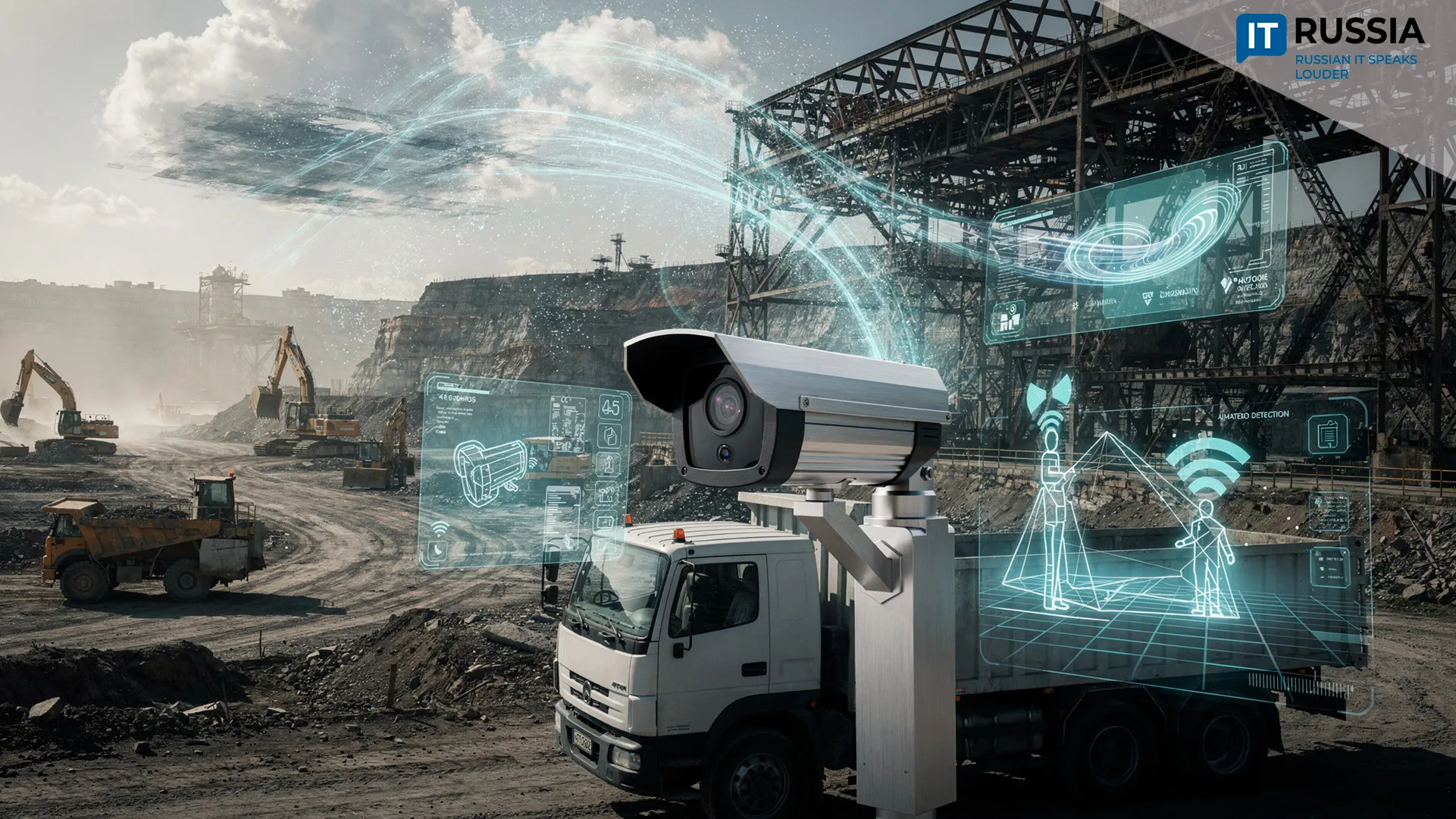
That makes the project highly relevant beyond space. Technologies tested under extreme orbital conditions typically migrate into terrestrial use. Autonomous control algorithms can feed into self-driving transport. Predictive diagnostics can be applied in energy systems and hazardous industries. Cybersecurity solutions developed for ROS are expected to strengthen critical infrastructure. In that sense, ROS acts as a catalyst for adjacent high-tech sectors, driving demand for advanced engineering capabilities.
Technological Sovereignty in a Global Context
The project aligns with Russia’s broader strategy for technological sovereignty. The first module is scheduled for launch in 2028, marking a transition from concept to engineering execution. The selected orbital inclination of 51.6 degrees carries strategic significance: it preserves compatibility with international partners, allowing docking without major redesigns of their spacecraft.
Russia is not alone in this direction. The global space industry is moving toward similar architectures.
NASA’s Gateway program includes robotic servicing through the Canadarm3 manipulator, while ESA is advancing autonomous inspection and repair systems. Next-generation commercial stations such as Starlab are also designed with a high degree of automation. However, the ROS concept differs in that robotics are embedded into the system from the outset rather than added later. This positions the project as a potential first mover in hybrid autonomous orbital platforms.
From Product Export to Capability Export
In the near term, ROS remains a domestic development project rather than a commercial export. It is capital-intensive and relies heavily on state support. Over time, however, it could serve as a showcase for Russian deep-tech capabilities. The export potential lies not in selling station modules, but in licensing autonomous control software, digital modeling systems, and AI modules for distributed infrastructure. This approach could open new academic tracks and strengthen collaboration between the space sector, microelectronics, and industrial software developers.
ROS as a Strategic Anchor
Reaching the current stage has taken several years. In 2022, discussions focused mainly on the political decision to build a post-ISS station. By 2025, Deputy Prime Minister Denis Manturov had already introduced a patented “drone platform” concept. By 2026, the project has moved into a phase defined by concrete deployment parameters.
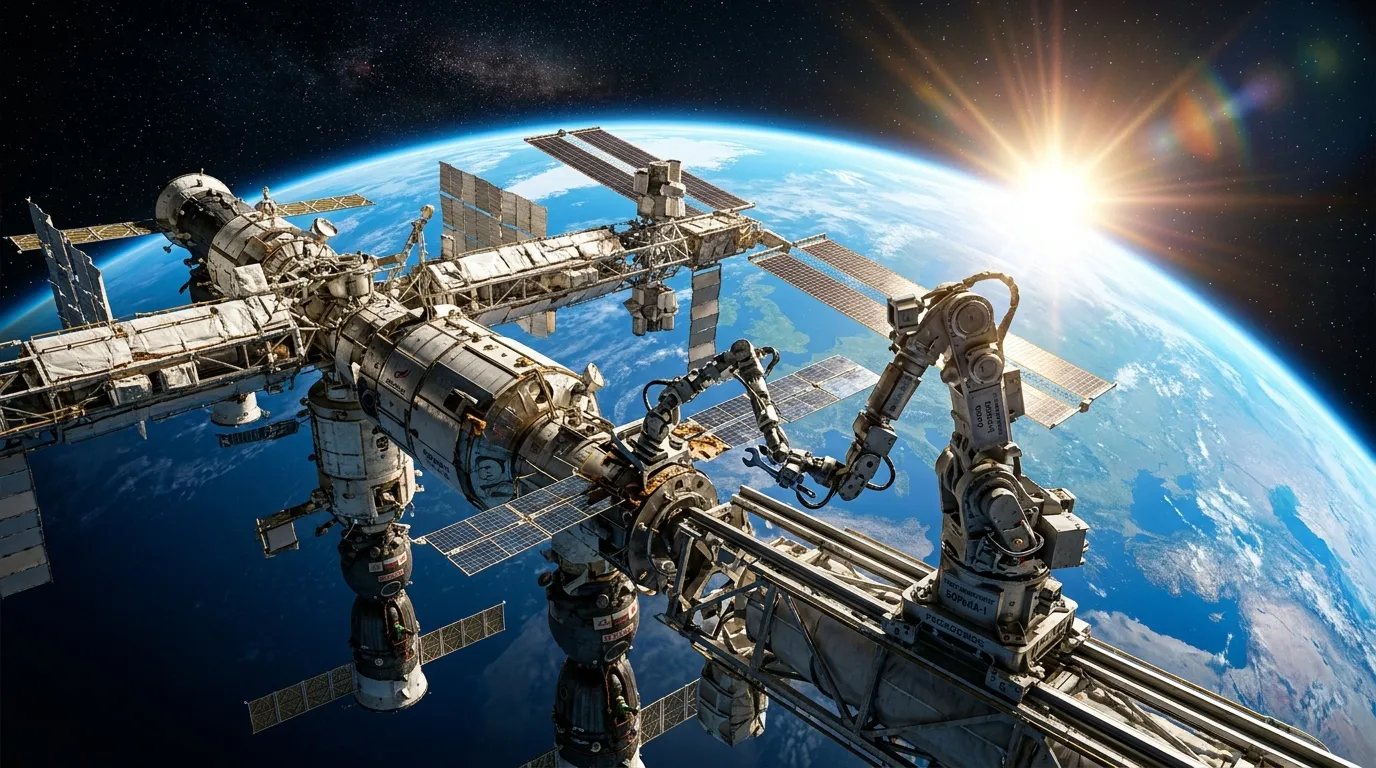
The project’s real impact will depend on module readiness, the demonstration of working robotic systems, and stable funding. For Russian citizens, ROS is expected to preserve national expertise in space medicine and materials science. For industry, it provides a long-term planning horizon. If the 2028 launch timeline is met, the station could become a flagship example of technological sovereignty, demonstrating a model in which humans define objectives while machines handle routine operations and risk.