

AI Targets Large Diamond Finds in Russia
Almazy Anabara, a subsidiary of ALROSA, has launched a project in Yakutia to identify large diamonds using artificial intelligence and computer vision. The project is being implemented by ALROSA IT and the Respublika Sakha (Yakutiya) AI Laboratory.
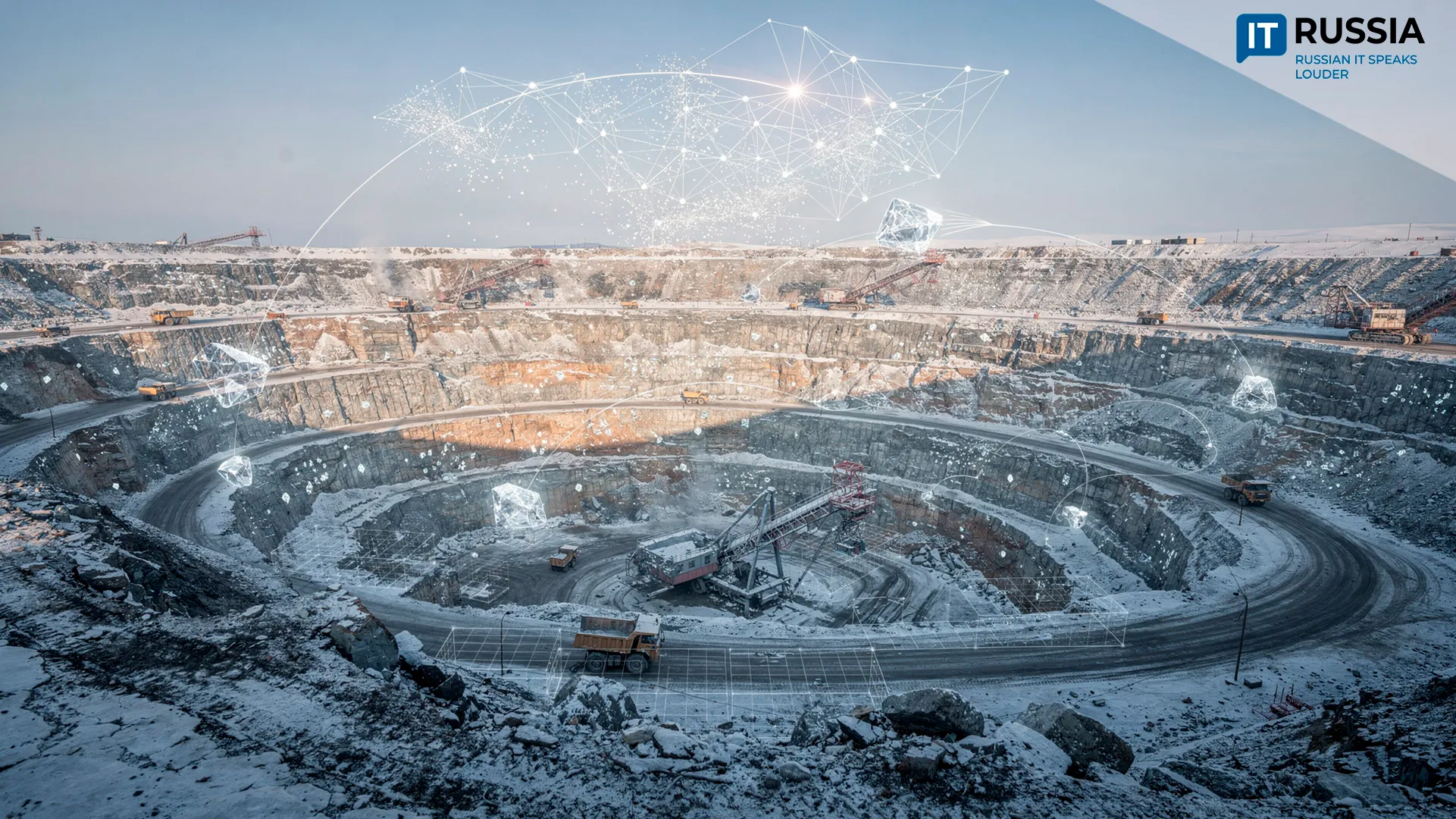
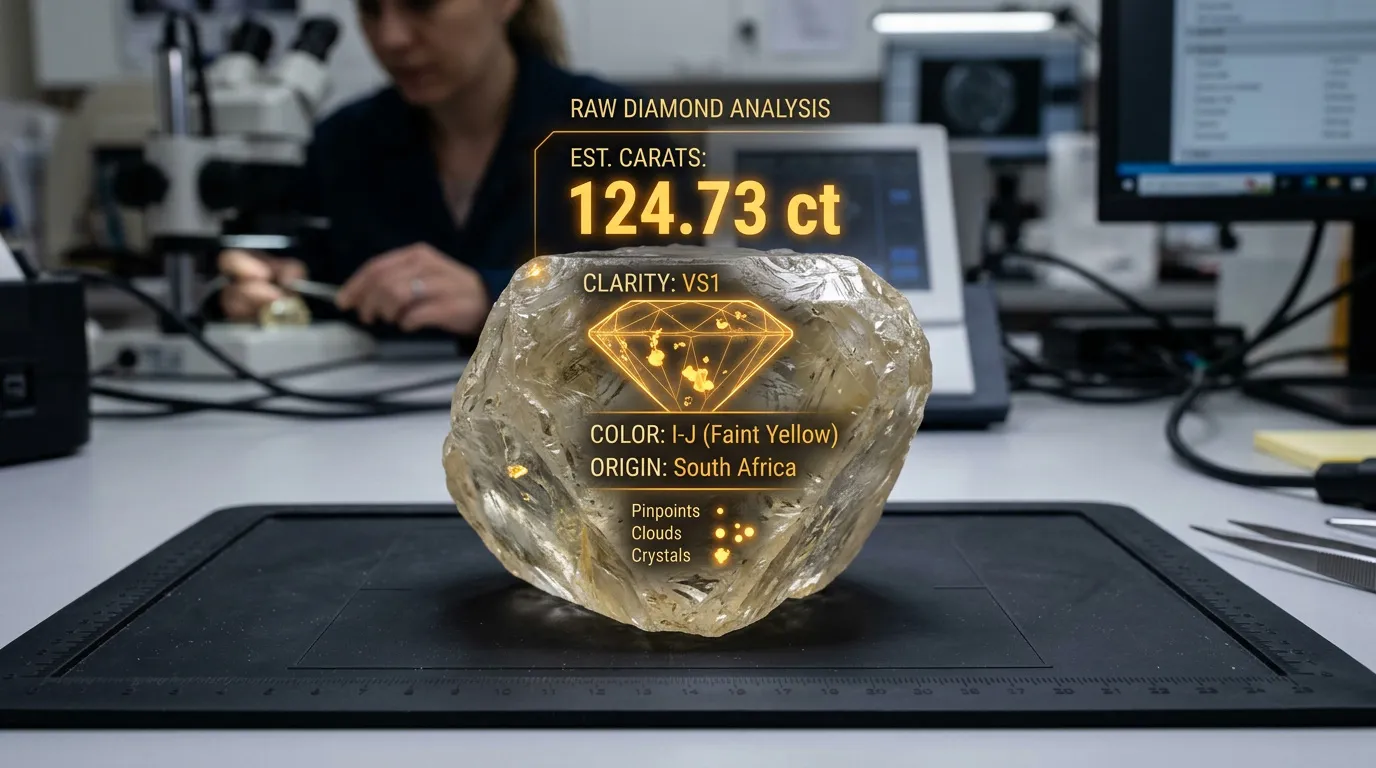
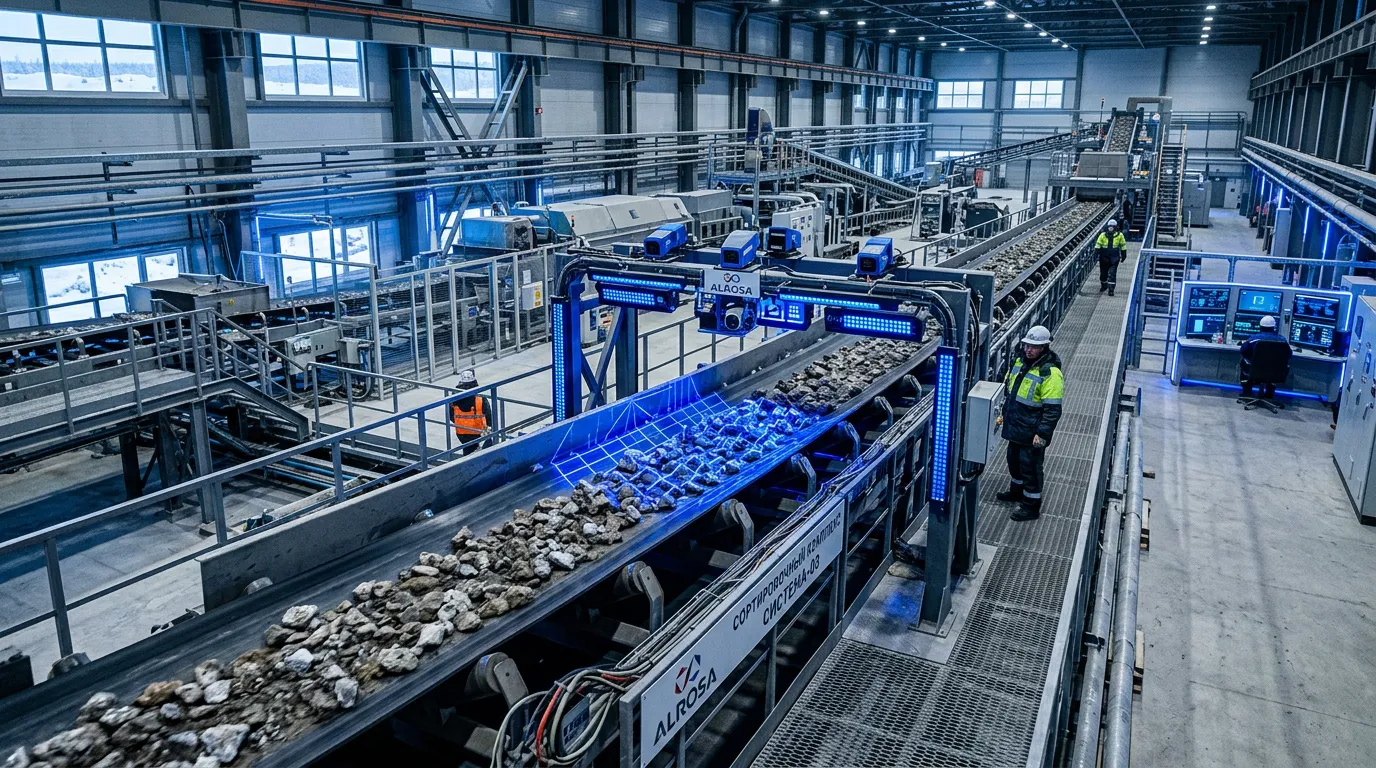
The system analyzes video streams from the processing plant in real time, flags potentially valuable crystals, and classifies them using advanced image processing algorithms. It has already completed test runs, including tasks involving detection of simulated diamonds within raw material flows. The project has since received a positive assessment from ALROSA and approval from the Yakutia Innovation Development Fund. The first of three stages has been completed, with final results expected by the end of the year.
At its core, the project represents the deployment of industrial AI in one of Russia’s key resource sectors. For ALROSA, it extends a broader digital transformation strategy. The company has previously outlined AI deployment across exploration, mining, ore processing, and industrial safety, and has approved a major digital investment program for 2025–2027.
From Import Substitution to Integration
ALROSA is set to invest ₽10.8 billion ($118 million) in developing its technological capabilities. This marks a shift from rapid import substitution toward deeper integration of advanced digital solutions across the entire production chain.
The program builds on groundwork laid between 2021 and 2024, when the company established its digital infrastructure. That phase relied on Russian software and electronic equipment. The current focus is on improving operational efficiency through the use of advanced tools.
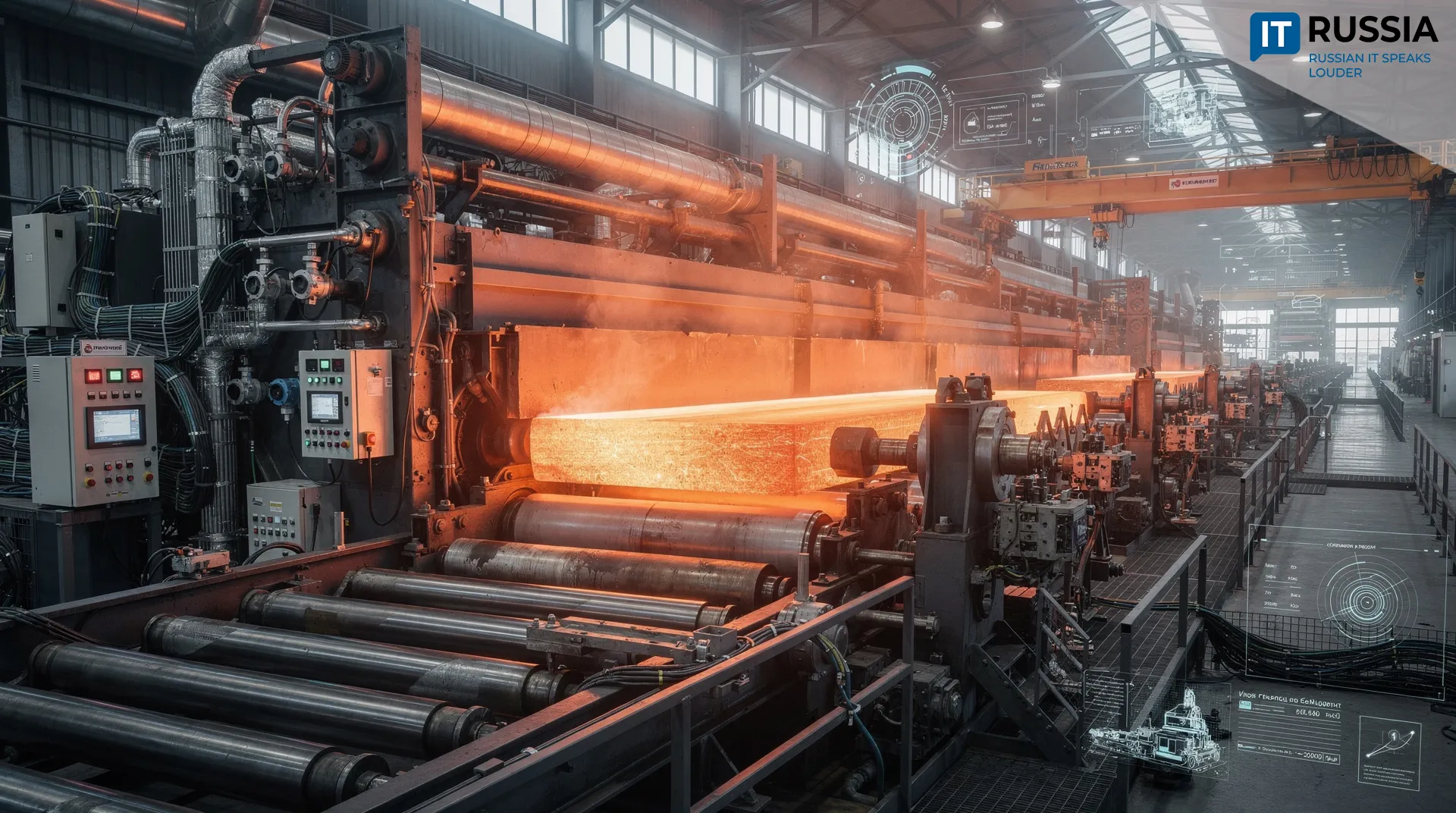
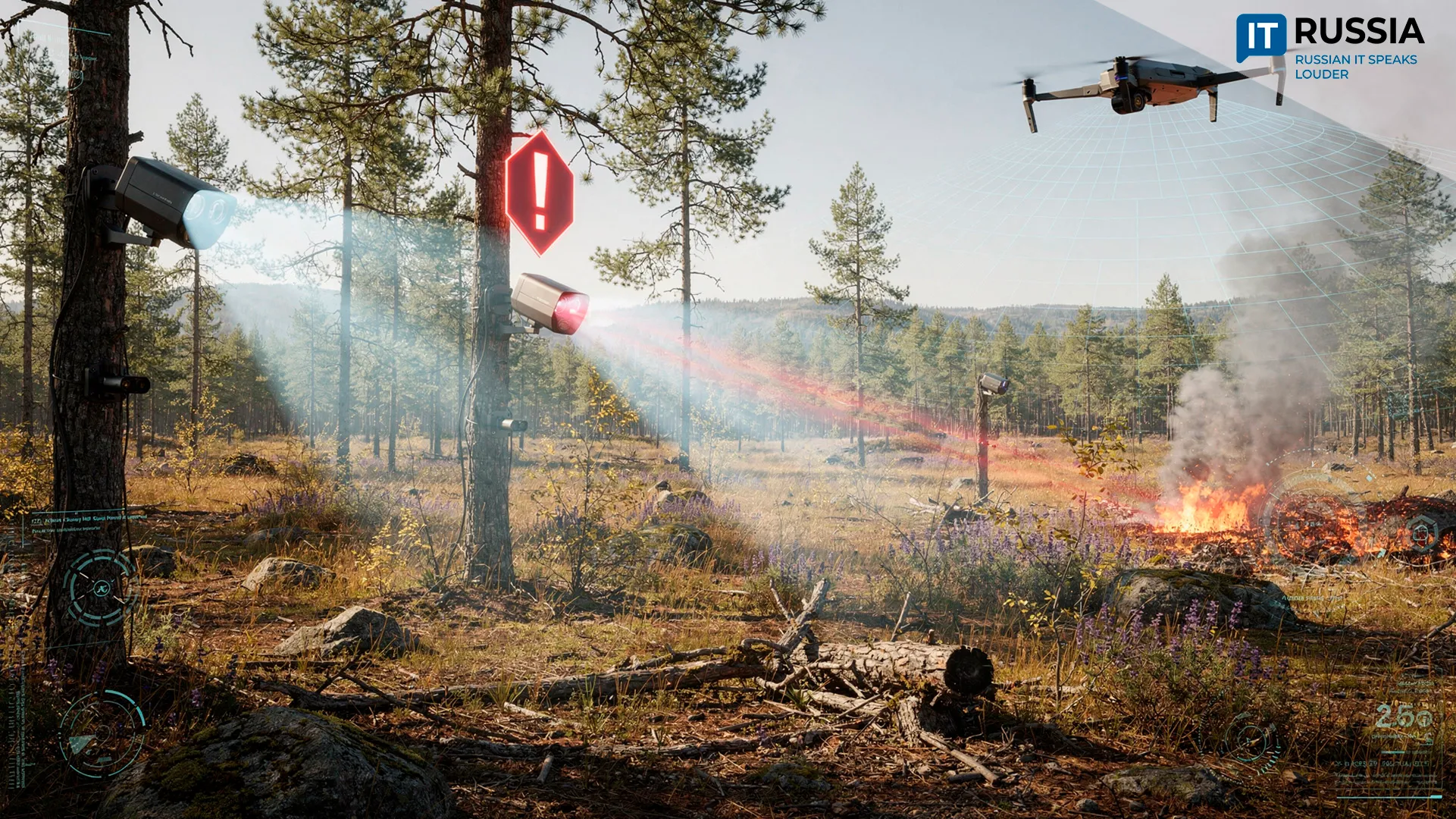
A key step is moving neural networks from administrative environments into production. The focus extends beyond exploration, mining, and processing to include industrial safety monitoring. AI deployment is expected to significantly accelerate data processing, improve forecasting accuracy in complex geological conditions, and raise labor productivity by 20–30%.
ALROSA is expanding cooperation with domestic developers. When evaluating partnerships, the ability to adapt digital solutions to harsh northern conditions and geographically dispersed operations is a key factor. The new roadmap includes more than 100 initiatives across 13 areas, including design, capital construction, equipment maintenance, and financial and workforce management. It also includes plans to expand internal data offices and deploy corporate AI models.

Five AI Pathways at ALROSA
Implementation is led by ALROSA’s Innovation and Technology Center, Production Systems Center, and Digital Laboratory. The company has defined five priority areas for AI development.
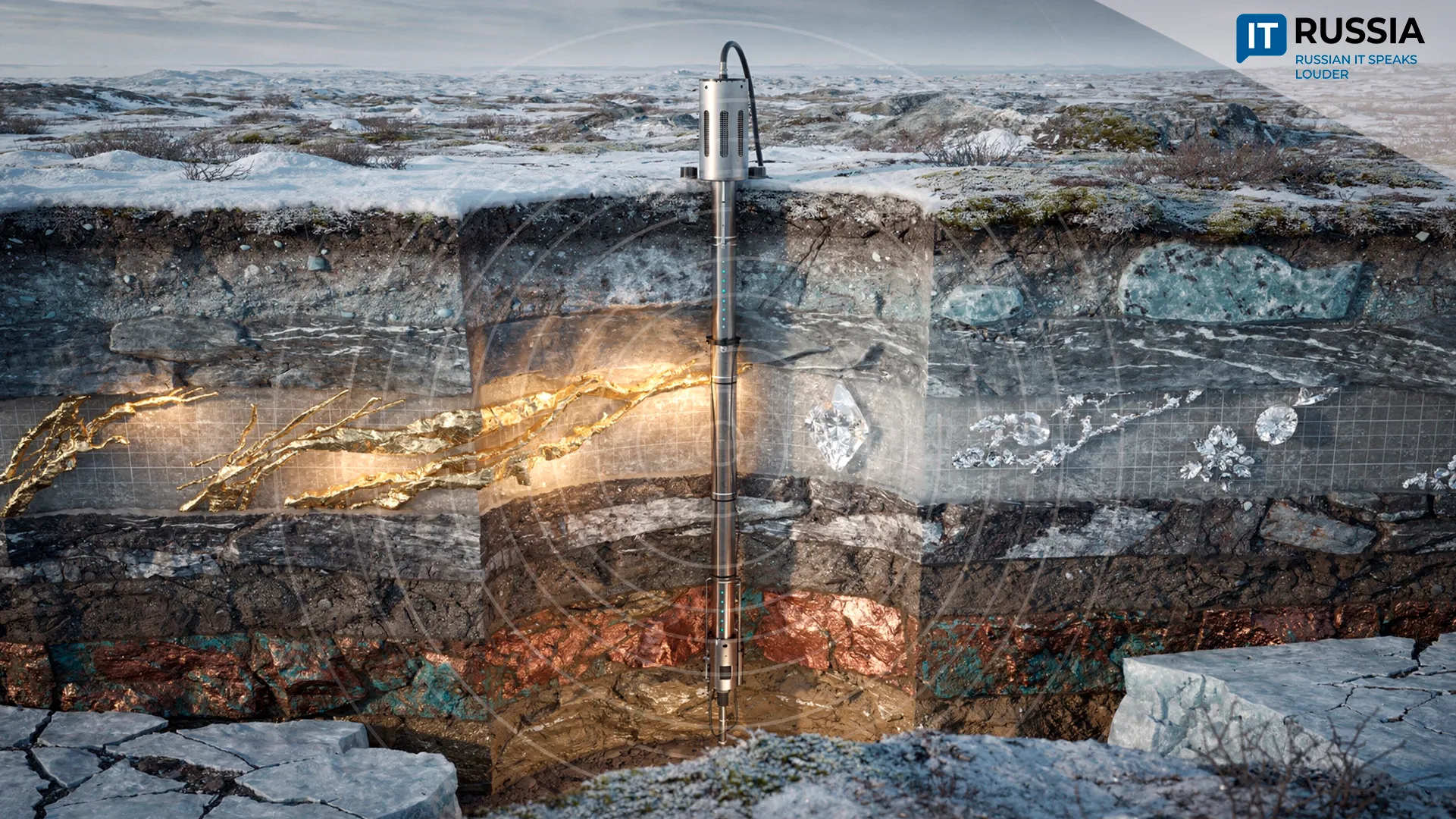
The first is exploration, where machine learning is used to detect geomagnetic anomalies and interpret borehole geophysics data. The second is production, where machine learning supports multiple tasks, from assessing ore particle size for optimal processing to determining the share of diamond-bearing ore and monitoring haul truck loading. The third is a GPT-based digital assistant for working with specialized company documentation. The fourth focuses on sales and price formation. The fifth involves natural language processing, including classification of support requests, analysis of documents for insurance risk, and normalization of nomenclature.
Broader Context
Yakutia is positioning itself not only as a resource region but also as a hub for AI development. The project reflects a broader national trend, with growing interest in autonomous and AI-driven solutions for mining and mineral processing.
At Polyus operations, for example, centralized production control centers are already in place. These oversee the full production cycle, from drilling and blasting to ore transport and processing plant feed. This approach improves equipment utilization and reduces downtime.
Globally, new-generation processing plants are being developed where AI supports operational control and reduces reliance on continuous human involvement. At the same time, the pace of new diamond discoveries has slowed. Most large and accessible kimberlite pipes were identified in the 20th century. Future discoveries are expected at greater depths and in more complex geological settings, requiring advanced technologies.