Electronic Medical Records in Russia Evolve Into a Nationwide Ecosystem
Digital medical records that give patients and clinicians access to complete health information are becoming routine and, in the coming years, are expected to mature into a full-service platform operating across the country.

According to a survey by VTsIOM, nearly one-third of Russians who have encountered electronic medical records (EMR) in the public system have accessed them at least once through the Gosuslugi portal or regional services. VTsIOM reports that 30% of respondents have logged into their records, while 9% attempted but were unable to do so. Among patients who visited clinics in the past year, 45% now have fully digital records, and another 43% use both electronic and paper formats. At the same time, 80% of residents support the introduction of electronic medical records.
Trust in Digital Records Is Growing
Although access to digital records still varies by region, electronic medical records have already become a widely used service. This reflects the maturity of digital healthcare: the system has moved beyond pilot projects into daily operation of large-scale government platforms integrated with EGISZ (Unified State Health Information System), regional medical information systems, and user-facing services. Patients gain faster and more reliable access to lab results, clinical notes, discharge summaries, prescriptions, and other documents without needing to visit registration desks. When changing providers or facilities, clinicians can immediately view a patient’s full clinical history.
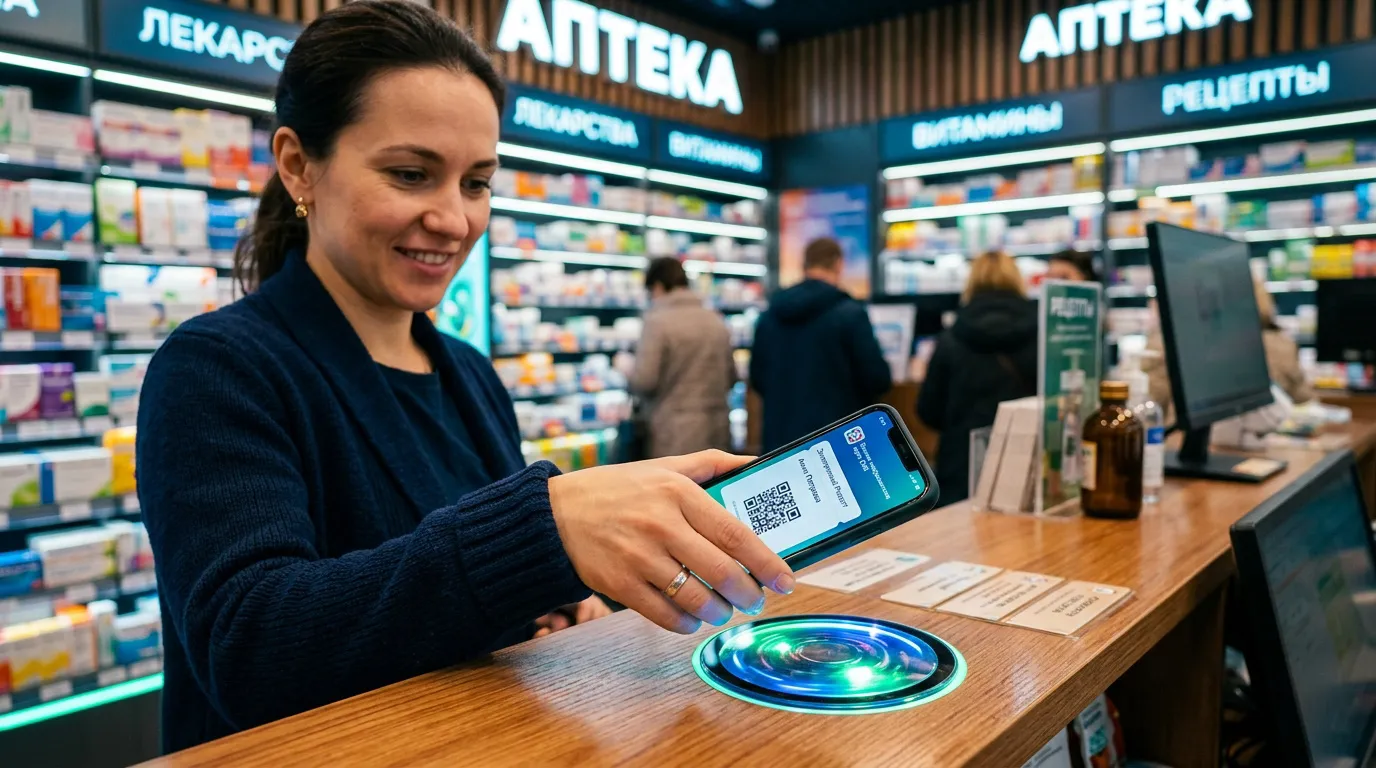
More Features, More Demand
The next phase will see the medical record evolve into a full-featured user service. However, several barriers remain. According to VTsIOM, 38% of patients who have encountered EMRs have not accessed them because they do not see a need, while 20% do not use Gosuslugi or regional digital services.
Adoption varies significantly by region. In Moscow and St. Petersburg, 80% of patients have fully digital records, compared to 32% in rural areas. This highlights the need for continued investment in infrastructure, integration, and user engagement.
Experts point to strong growth potential for digital medical records. Demand is increasing for Russian medical information systems, integration platforms, identity services, secure document exchange, analytics tools, and AI solutions built on healthcare data. New use cases will continue to expand as additional features are introduced. The broader technology stack – including patient portals, integration of public services with medical records, federal and regional registries, secure data exchange, clinical document workflows, and analytics and AI – could also become an exportable solution.

From Record to Ecosystem
As early as 2021, Russia’s Ministry of Digital Development announced that health information would become available to users of Gosuslugi, including certificates, discharge summaries, and diagnostic results. In Moscow, full access to medical records via verified accounts was introduced in April 2021, and by 2023 the model had scaled widely. In subsequent years, Moscow continued to expand functionality: in 2024, a “My Hospitalizations” section was introduced, and in 2025–2026 usage increased significantly alongside new features.
Similar developments are underway internationally. For example, the UK’s National Health Service provides citizens with access to their health data through a dedicated app, where patients can review consultations, test results, vaccinations, and prescriptions. In March 2024, the European Parliament and the Council of the EU agreed on the creation of the European Health Data Space (EHDS). A year later, regulations were adopted to simplify cross-border access to personal electronic health data. In other words, the transition from standalone digital records to integrated ecosystems is a global trend, and Russia is part of it.

EMRs as a Service for Patients
Russia’s healthcare system is now at a turning point: EMRs have become standard for providers, but not yet for all patients. Over the coming years, development will move in several directions. First, regions will converge in terms of infrastructure and integration quality. Second, EMRs will evolve into more user-friendly services with clear use cases, including lab results, hospitalizations, prescriptions, preventive care, and care navigation. Finally, accumulated data will be used in analytics and AI applications, with strict adherence to data protection and clinical responsibility requirements. These improvements are aimed at making the system more accessible and building patient trust.