Neural Network to Help Russian Telecom Operators Improve Signal Quality
Operators are under pressure to boost capacity and improve service quality without costly hardware upgrades. Yadro says it has a fix – the MDT Vision solution, which increases network capacity and reduces the number of on-site equipment inspections.

A broader trend is taking shape in Russia’s IT sector. Companies are no longer stopping at standalone services – they are building full ecosystems around their products. That shift is as much about resilience as it is about revenue: in a volatile market, flexibility becomes a competitive advantage.
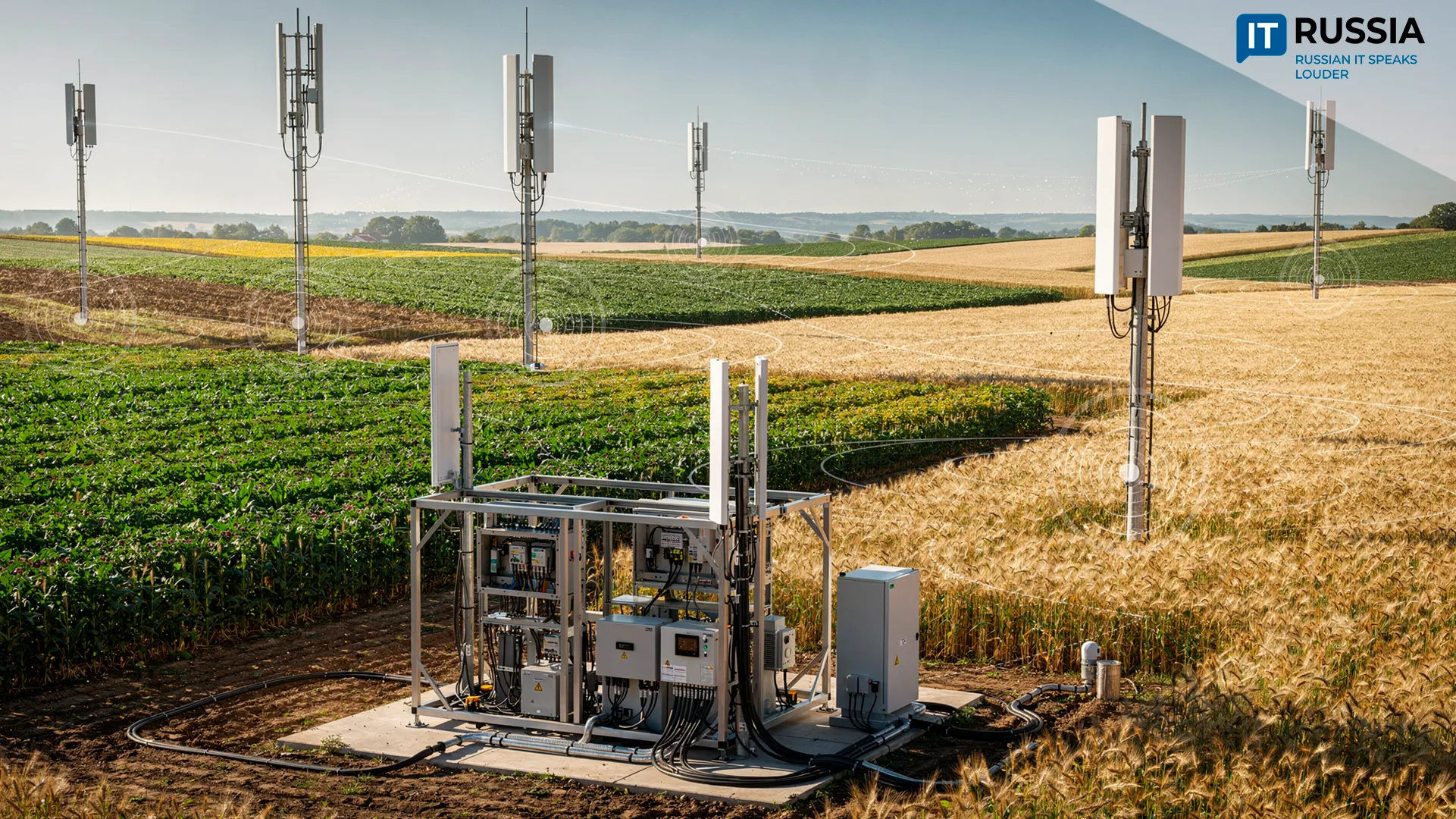
In this context, Russian mobile base station manufacturer Yadro (part of IKS Holding) has introduced MDT Vision, an AI-driven solution designed to analyze and improve network performance.
MDT (Minimization of Drive Tests) is already a familiar tool for operators. It collects anonymized network quality data directly from smartphones, reducing the need for traditional field measurements. In practice, that means fewer drive tests and less reliance on costly on-site inspections.
“MDT Vision gives operators a more complete and accurate view of network performance – including coverage, load, service quality and user traffic. AI fills gaps where traditional measurement methods fall short, particularly indoors and in other hard-to-analyze environments. This enables more precise decisions for network development and optimization,” said Yulia Klebanova, Director of Telecom Business Development at Yadro.

Network Quality Gains
The system is already live. Yadro invested 200 million rubles (approximately $2.2 million) in its development, and early results point to tangible gains. Network capacity increased by about 30% without adding hardware. User speeds rose by 20–40%. Meanwhile, the number of traditional field measurements dropped by 70–90%.
That matters for operators. Fewer site visits translate directly into lower operating costs, while higher capacity improves user experience without capital-intensive upgrades. MDT Vision is already being used in live network environments.
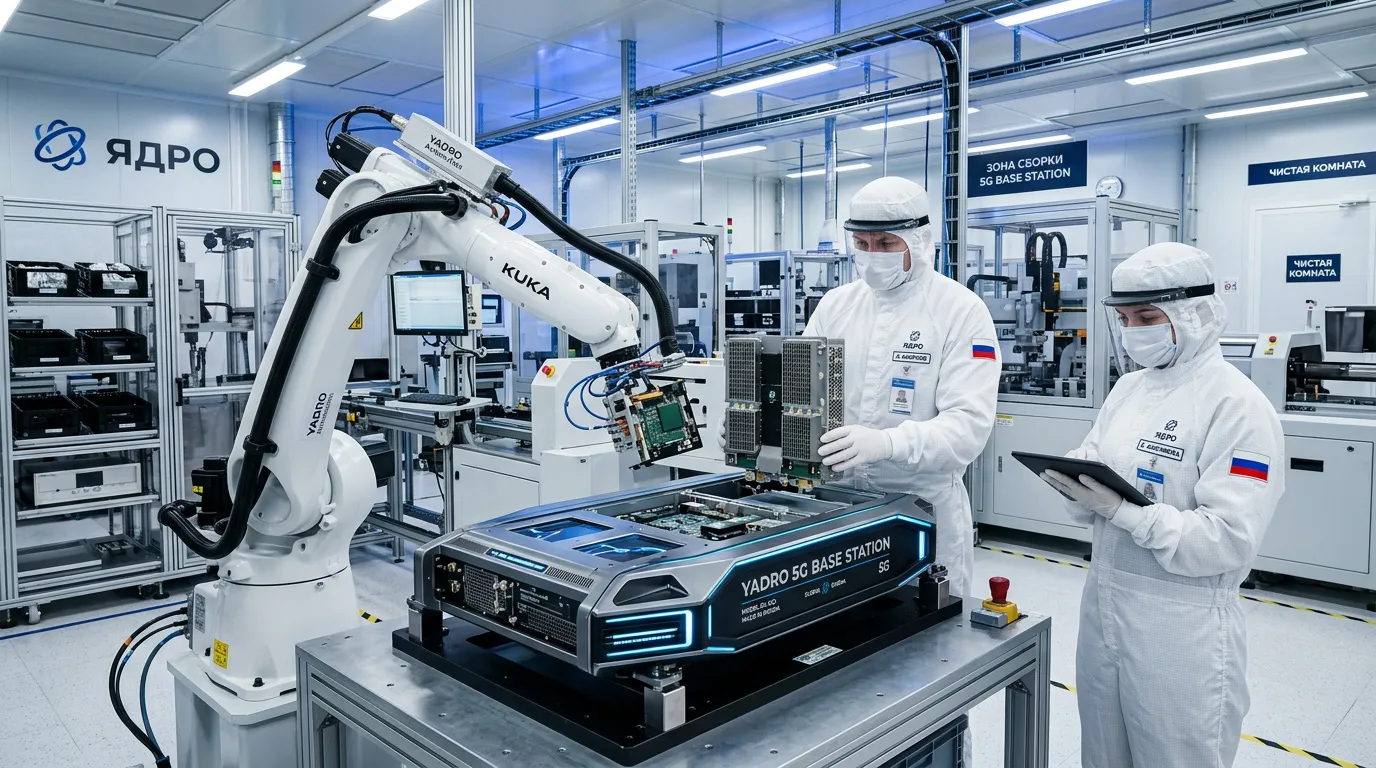
Yadro is also scaling its manufacturing footprint. Its main facilities in Dubna can produce up to 50,000 base stations per year, positioning the company as a major domestic supplier.
A Long Road Ahead
Still, adoption is far from guaranteed. Many operators already rely on in-house analytics systems tailored to their networks. T2, for example, has been developing its own approach. That highlights a key challenge: MDT Vision is entering a space where operators have already invested heavily in their own tools.
“In 2023, we began using VDT (Virtual Drive Test) technology – a mechanism for collecting network quality data – and shifted to managing the network based on data from millions of subscribers. In 2025, the project was scaled across the entire T2 network,” the operator said.
Technical Constraints Remain
Along with all obvious advances, there are also technical limits. AI-driven analysis improves accuracy, but it does not eliminate uncertainty.
“Traditional algorithms deliver accuracy at the level of 200–300 meters. Machine learning methods, combined with properly collected and enriched metrics, can significantly improve accuracy – down to 50–100 meters. However, AI effectiveness largely depends on the quality of input data and the completeness of the feature set used,” said Anton Prokopenko, Product Director at Vigo.
In other words, better data means better outcomes. Without it, even advanced models fall short.

Even so, the practical applications are clear. Operators can fine-tune antenna tilt, rebalance coverage, deploy additional equipment or expand infrastructure based on more precise insights. More broadly, the industry is shifting. Vendors are no longer just shipping hardware – they are building intelligent operational layers on top of it. That’s where long-term differentiation is emerging. For Yadro, MDT Vision may be an early step rather than a finished product. But it signals a deeper transition in Russia’s telecom market – from equipment-focused import substitution to data-driven, intelligent network operations.