Flights in Dreams and Reality: How Russia’s First Drone Textbook Could Reshape Schools and Engineering
Russian schools have officially introduced a textbook that teaches students how to assemble, program and launch real drones, signaling a shift from theoretical STEM lessons to hands-on engineering training in the classroom.
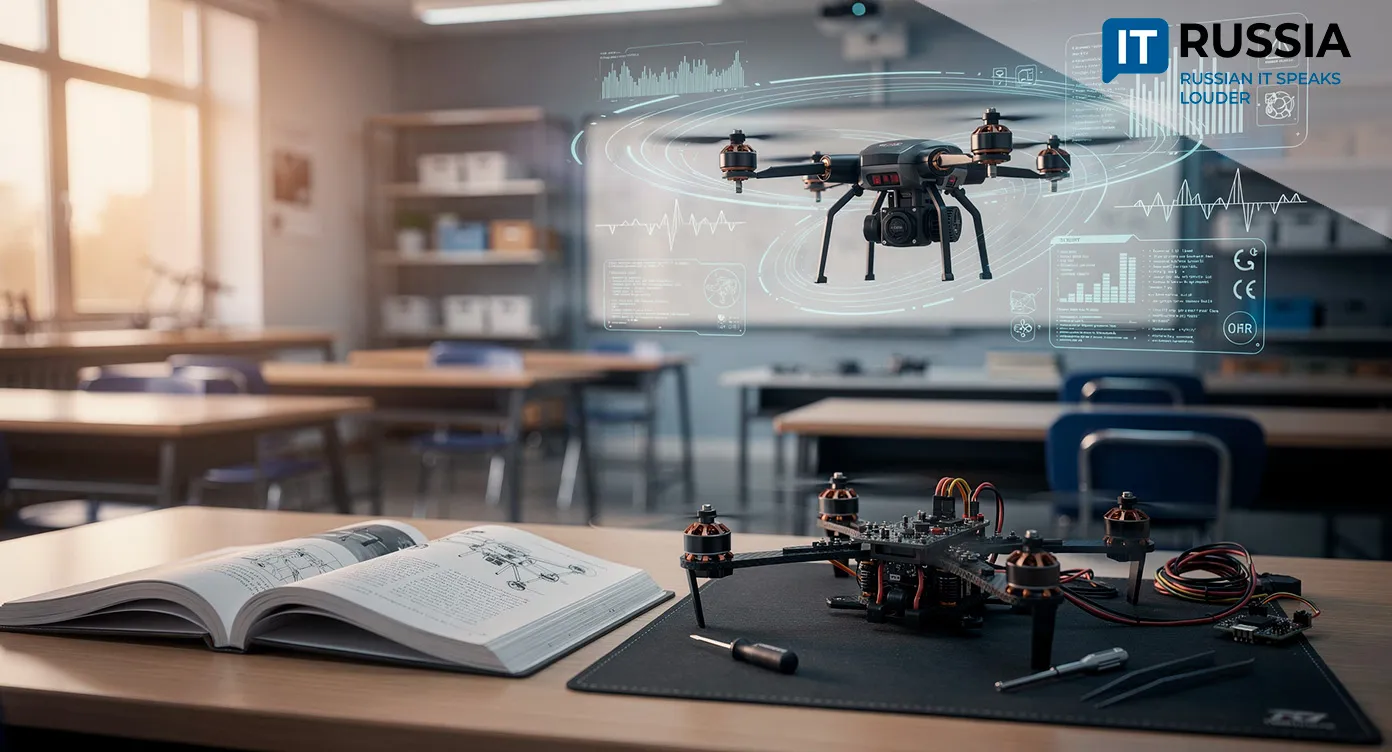
Publishing house Prosveshchenie, together with the Kruzhkovoe Dvizhenie NTI (NTI Skill Network Movement), has released the country’s first official high school textbook on unmanned aerial vehicles. Titled Bespilotnye Letatelnye Apparaty. Ot Ustroystva do Vybora Professii (Unmanned Aerial Vehicles: From Design to Career Choice), the book is no longer an enthusiast’s manual. It has passed state review and has been formally included in the federal list of approved textbooks by the Ministry of Education.
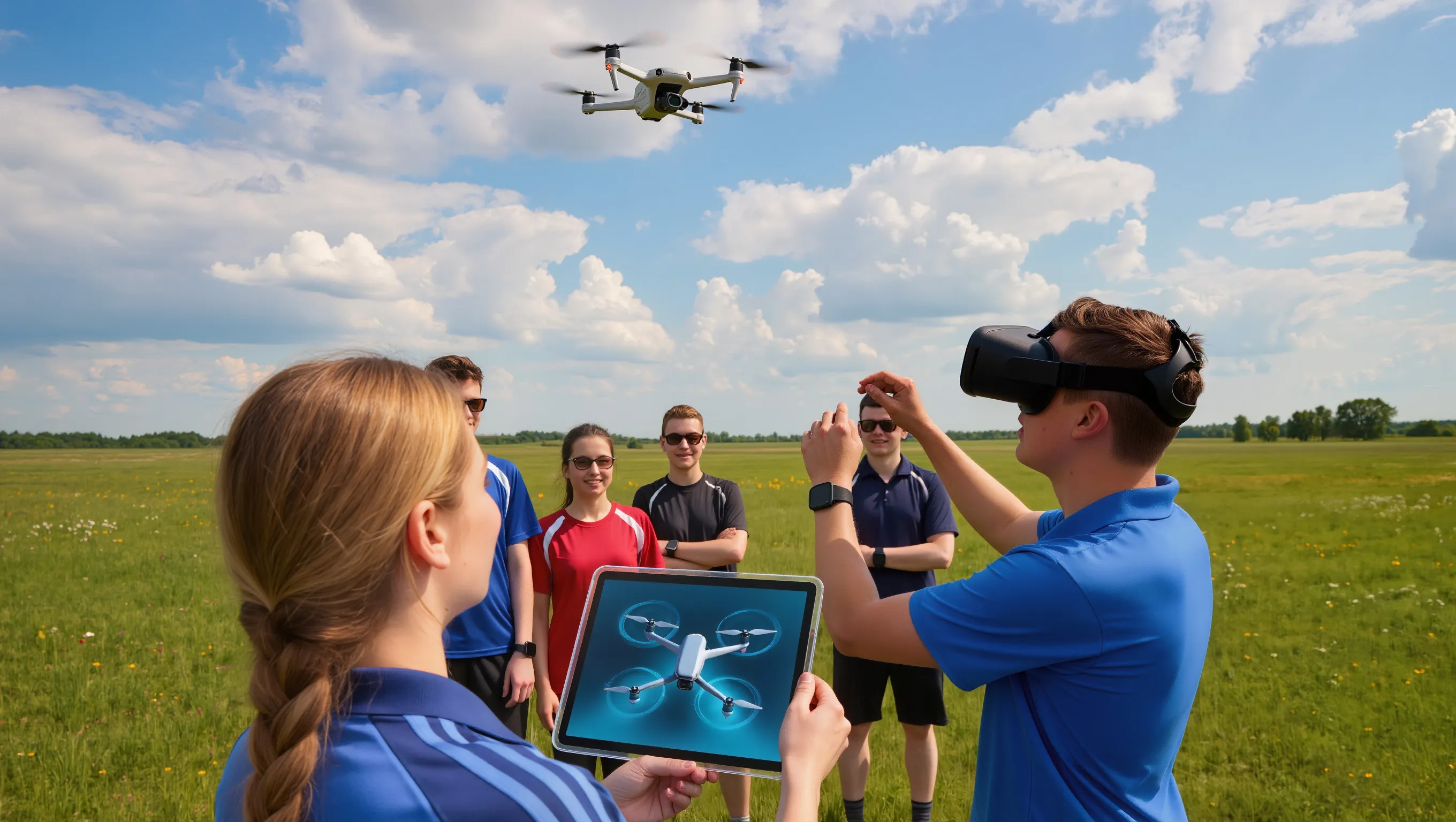
The textbook was created with a practical objective: to equip students in specialized physics-mathematics and information technology tracks with applied skills rather than abstract theory. Students learn the fundamentals of drone construction, write their first lines of code for a flight controller and understand how to operate complex aerial systems. In effect, the initiative brings advanced technology down from industry laboratories into the everyday school classroom.
“Human ambition to conquer the sky led to the creation of entire industries and shaped the way we live today, from air travel to satellite navigation. Something similar is now unfolding in the field of unmanned aviation,” said Dmitry Zemtsov, Vice Rector of the National Research University Higher School of Economics, Executive Secretary of the National Technology Olympiad Organizing Committee and head of the Kruzhkovoe Dvizhenie NTI working group.
From Mechanic to Programmer to Pilot
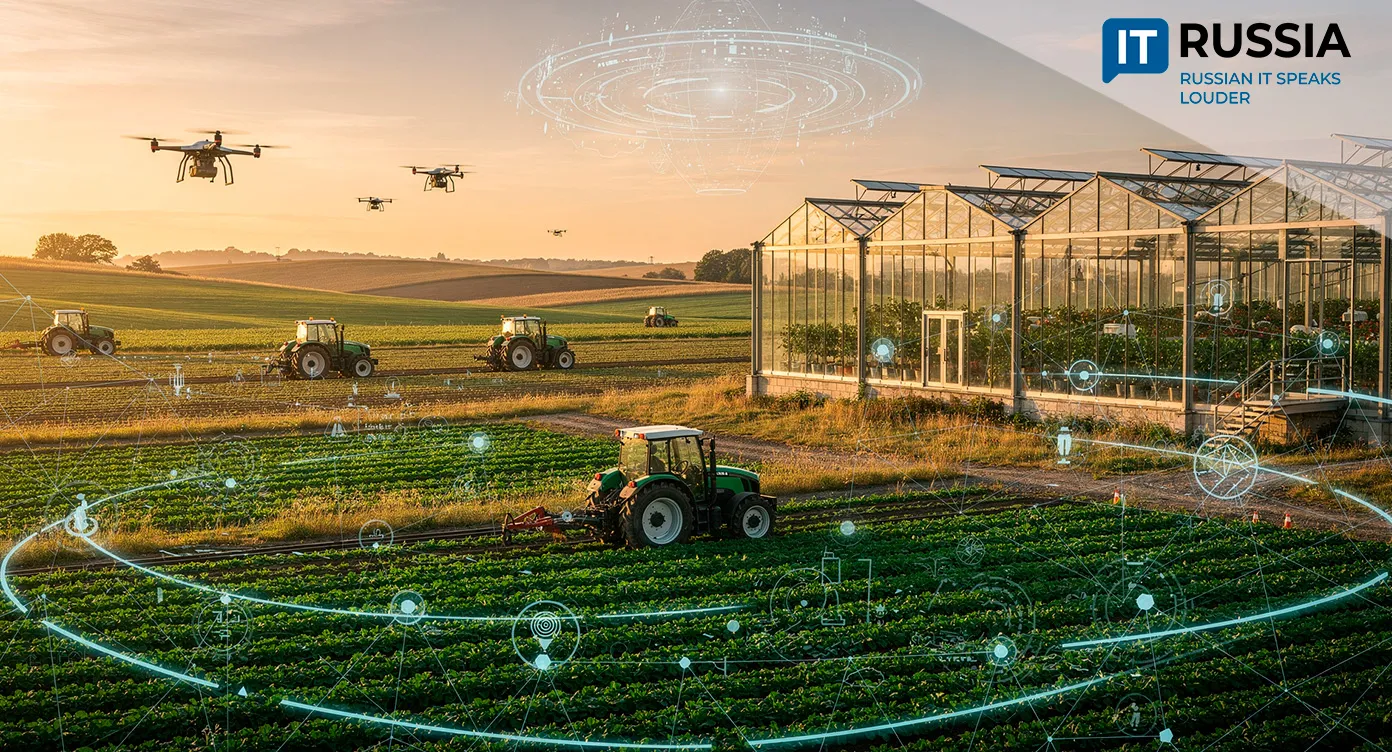
The deeper message of the textbook extends beyond technical instruction. Its creators see it as a career orientation tool. The subtitle “...to Career Choice” is deliberate. It signals to teenagers that behind a buzzing drone lies an entire ecosystem of professions. These range from assembly technicians and software engineers to drone operators in agriculture, logistics specialists and even civil security personnel. Unmanned systems are becoming an integral component of the digital economy. Textbooks like this represent a long-term investment in a generation that will soon enter universities and engineering bureaus.


The Prosveshchenie and NTI publication also serves as a structured guide for Russia’s supplementary education system. Technology parks, after-school clubs, engineering sections and summer technical camps now have access to a standardized and vetted methodological framework. This creates a smoother transition from school to applied engineering practice.
Rebuilding Tech Education
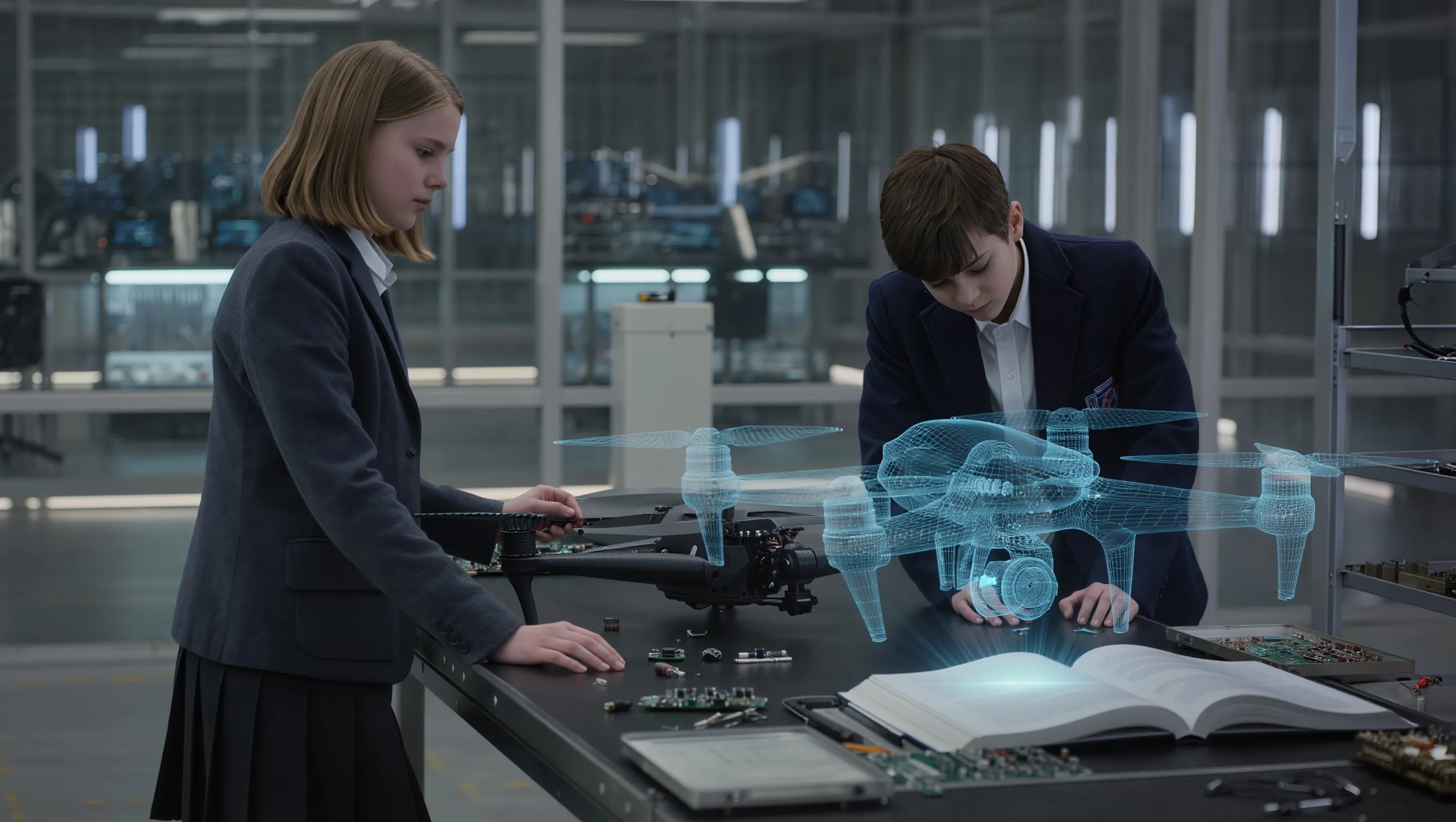
To understand the significance of the new textbook, it helps to examine the broader work of Kruzhkovoe Dvizhenie NTI. In recent years, the organization has focused on what it calls “reassembling” technological education. It launched robotics initiatives in schools and extracurricular centers, introduced digital design modules and demonstrated how engineering ideas take shape on a computer screen. It developed and tested artificial intelligence teaching methods adapted for younger learners. The group established the National Technology Olympiad for student teams and created the national cyber-physical platform Berloga, a project that engages children in technical creativity through mobile and video games. Through these efforts, methodological drafts were refined and practical experience accumulated, shaping a language capable of translating advanced technologies into accessible learning pathways.
At the same time, broader shifts were taking place in state education policy. Digital literacy has become a mainstream priority. Schools introduced IT courses and updated computer science curricula. University-level topics, including programming fundamentals and elements of robotics, began appearing in specialized tracks. The introduction of a UAV textbook can be seen as a culmination of this trajectory. It also suggests that future textbooks may address robotics, artificial intelligence and industrial automation.
Training Talent for the Sky
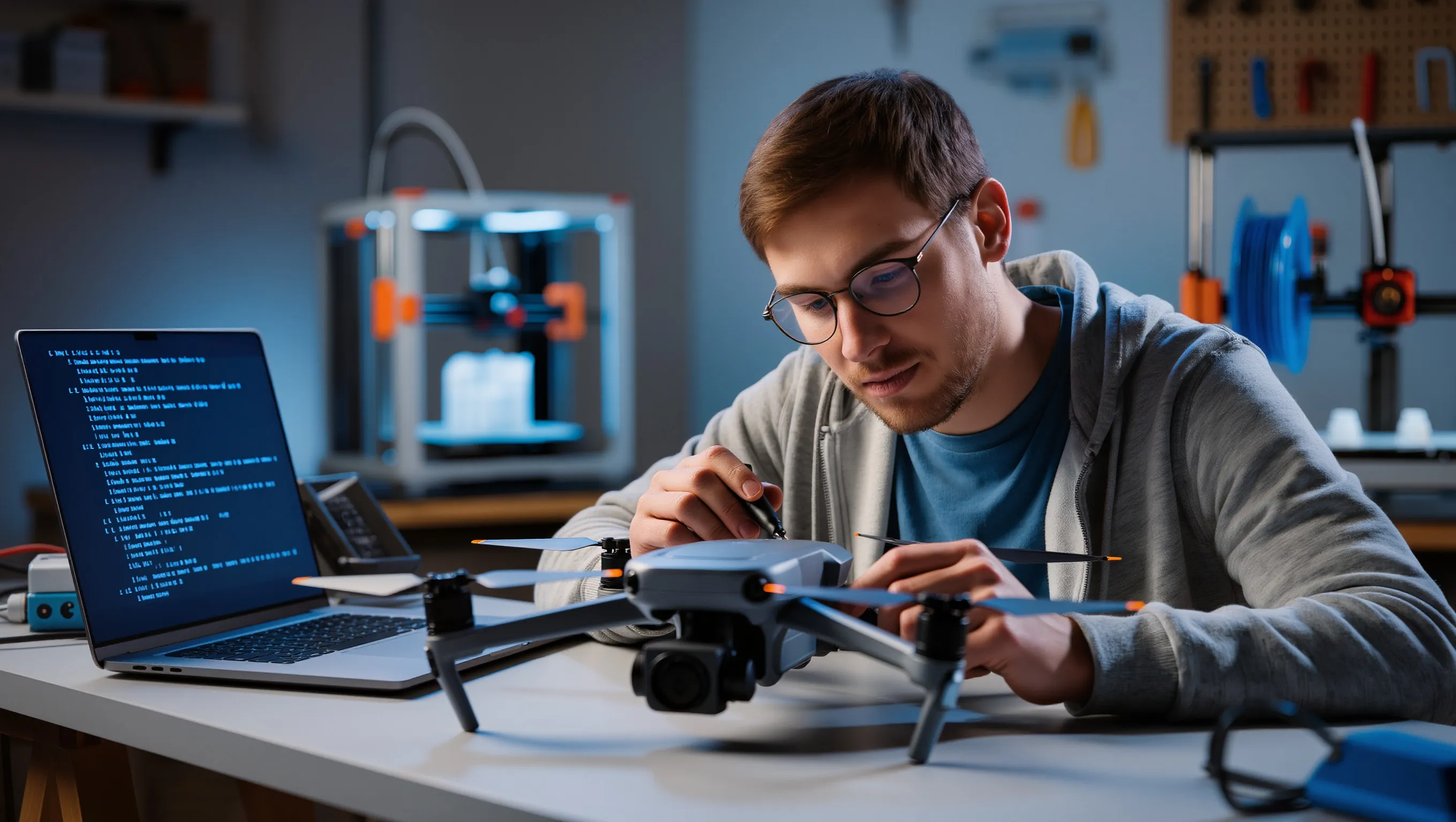
“With our textbook, students can take their first step and try on the role of a developer of an individual drone or even an entire aviation system directly in the classroom,” Zemtsov explained. The materials serve as a launchpad for the digital era of education. Future iterations could include interactive online versions, realistic flight simulators and remote training courses for teachers. These tools would expand access to engineering education from major metropolitan areas to remote regions without technology parks.
The most significant effect may be the narrowing of the gap between school and industry. Graduates will no longer enter production environments as novices requiring basic retraining. Instead, they will arrive with practical skills and familiarity with technological systems. This approach fosters a new technological culture, shifting teenagers from passive consumers of digital content to active creators and engineers.