NGTU Unveils Collaborative Robots and a 1.5-Megawatt Nuclear Test Lab
At NGTU im. Alekseeva (Nizhny Novgorod State Technical University named after R.E. Alekseev), engineers have presented two flagship developments – collaborative robots designed for precision processing of fragile components and a research laboratory capable of reproducing the thermal-hydraulic conditions of nuclear reactor systems. Together, the projects illustrate how university-based engineering is moving from academic research into mission-critical industrial deployment.
Nizhny Novgorod State Technical University is one of the leading technical institutions in the Volga region, with more than a century of history. The university trains specialists for mechanical engineering, shipbuilding and the nuclear sector, while simultaneously developing new technical solutions for Russian industry.
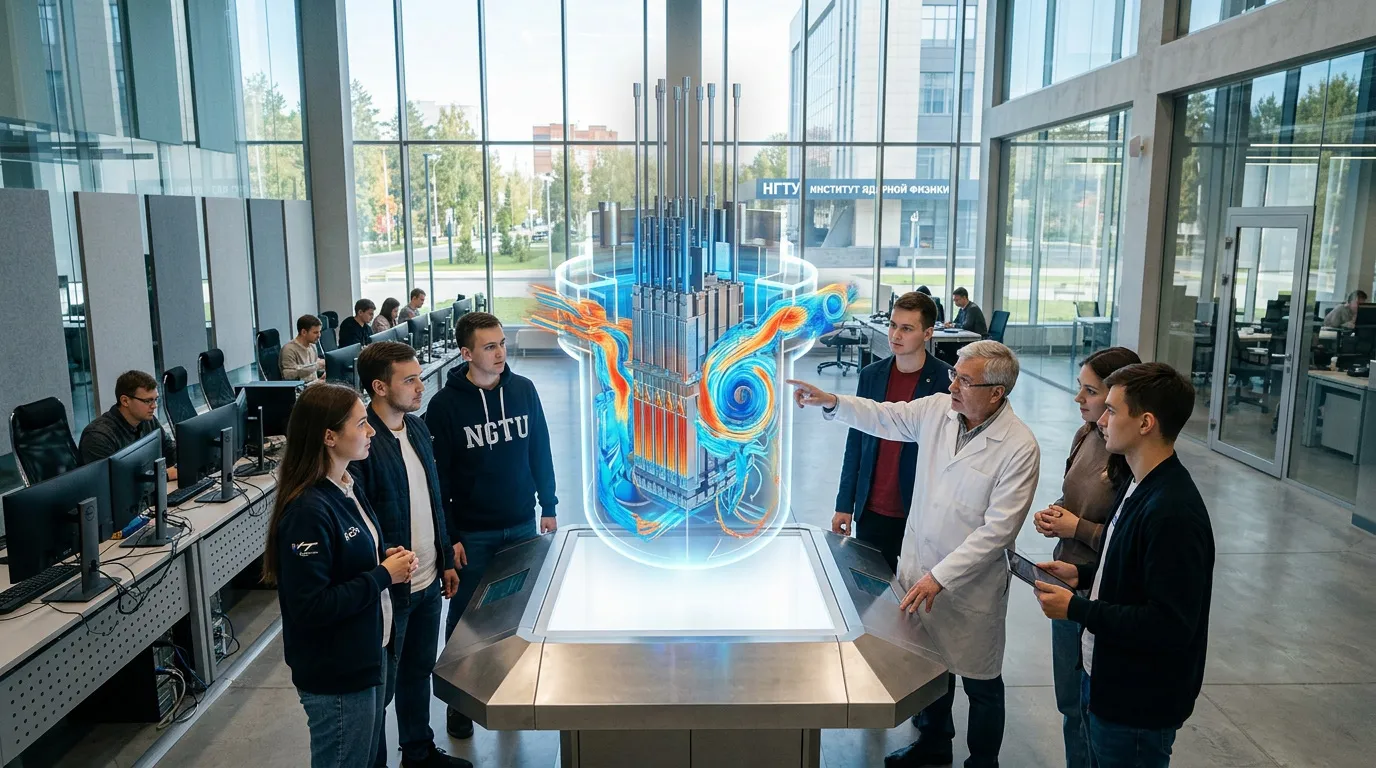
Recently, NGTU specialists presented two key university projects to Evgeny Lyulin, Chairman of the Legislative Assembly of the Nizhny Novgorod Region: collaborative robots for high-precision materials processing and a research laboratory for nuclear thermal hydraulics. Both initiatives are being developed by faculty members and students with support from the university’s industrial partners.
Russian Collaborative Robots
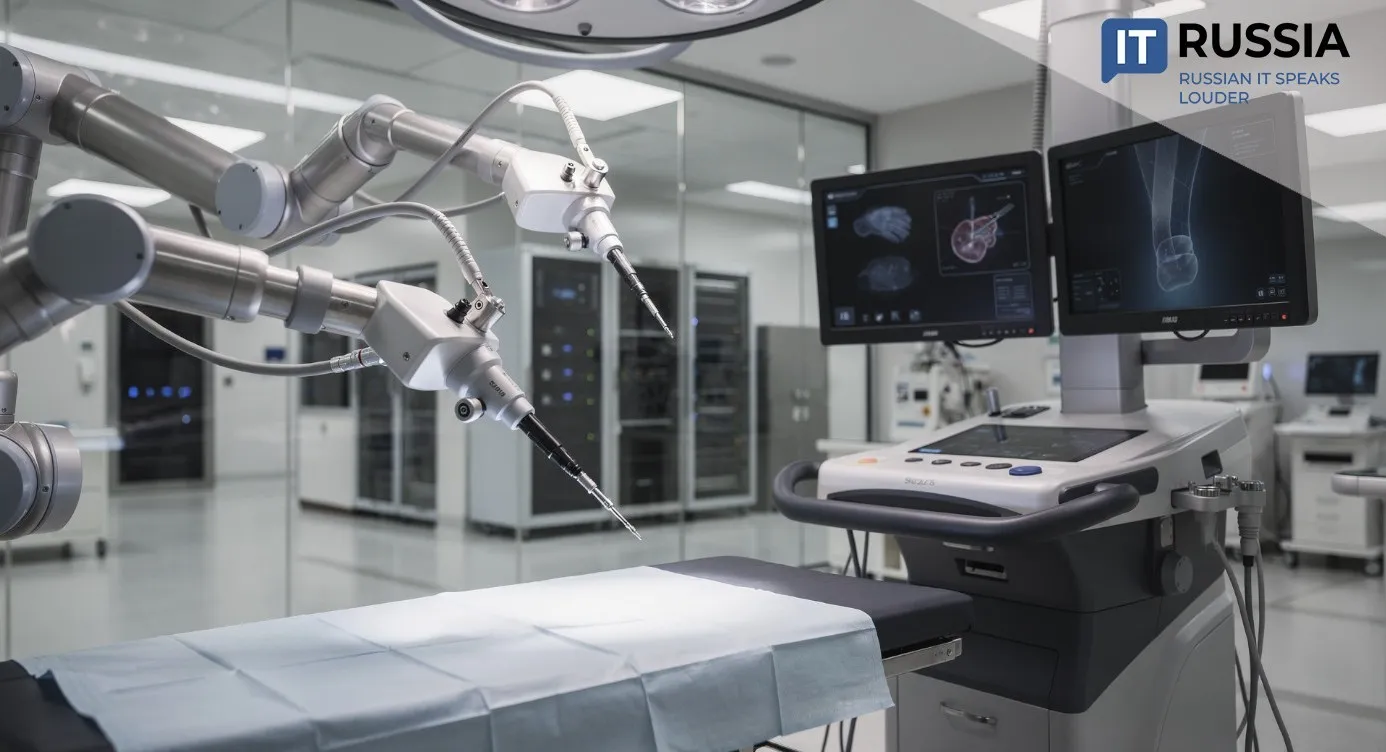
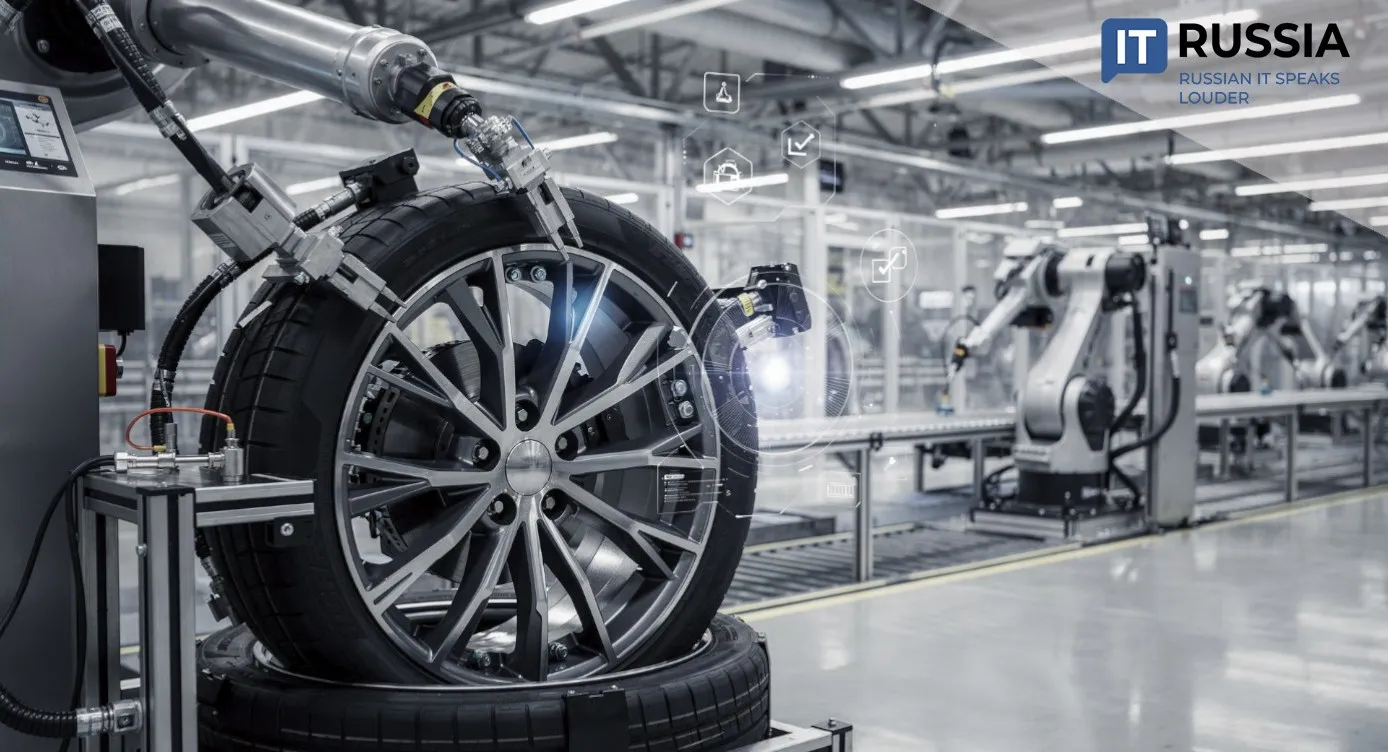
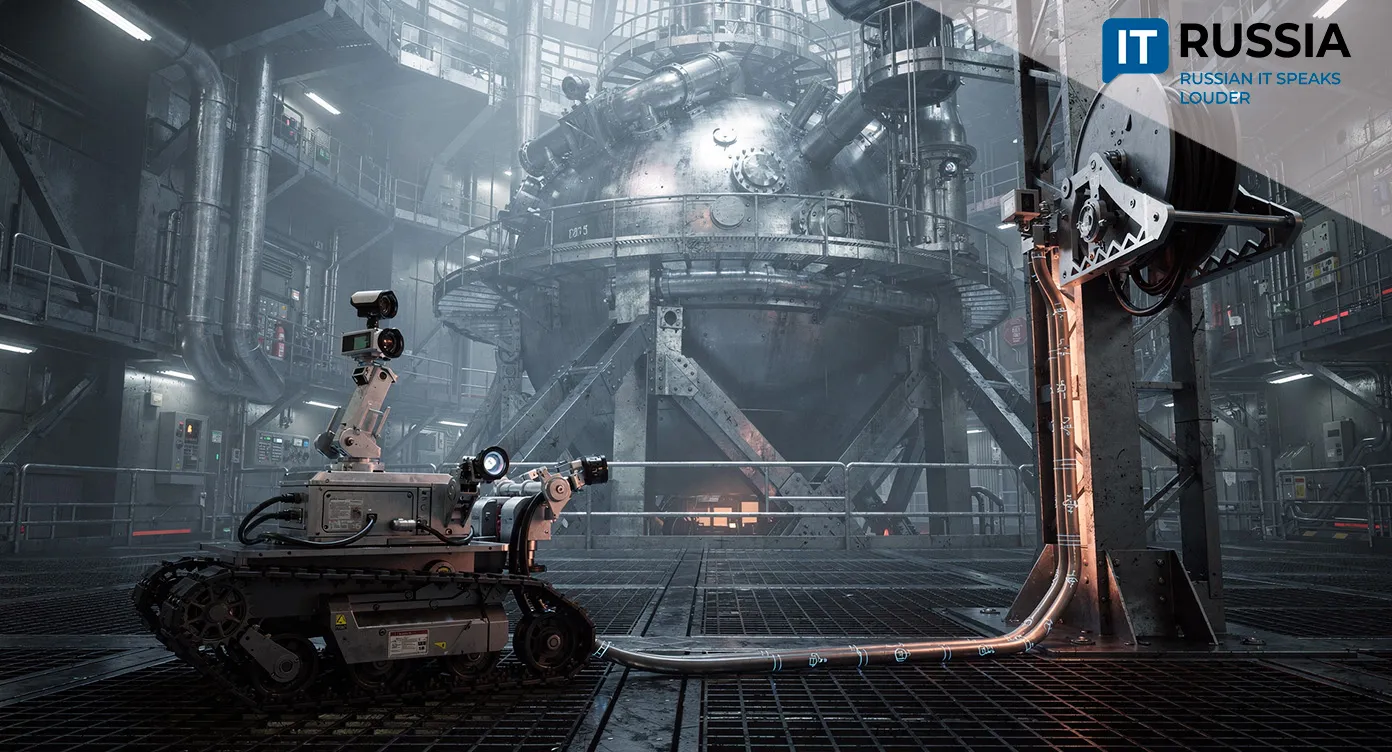
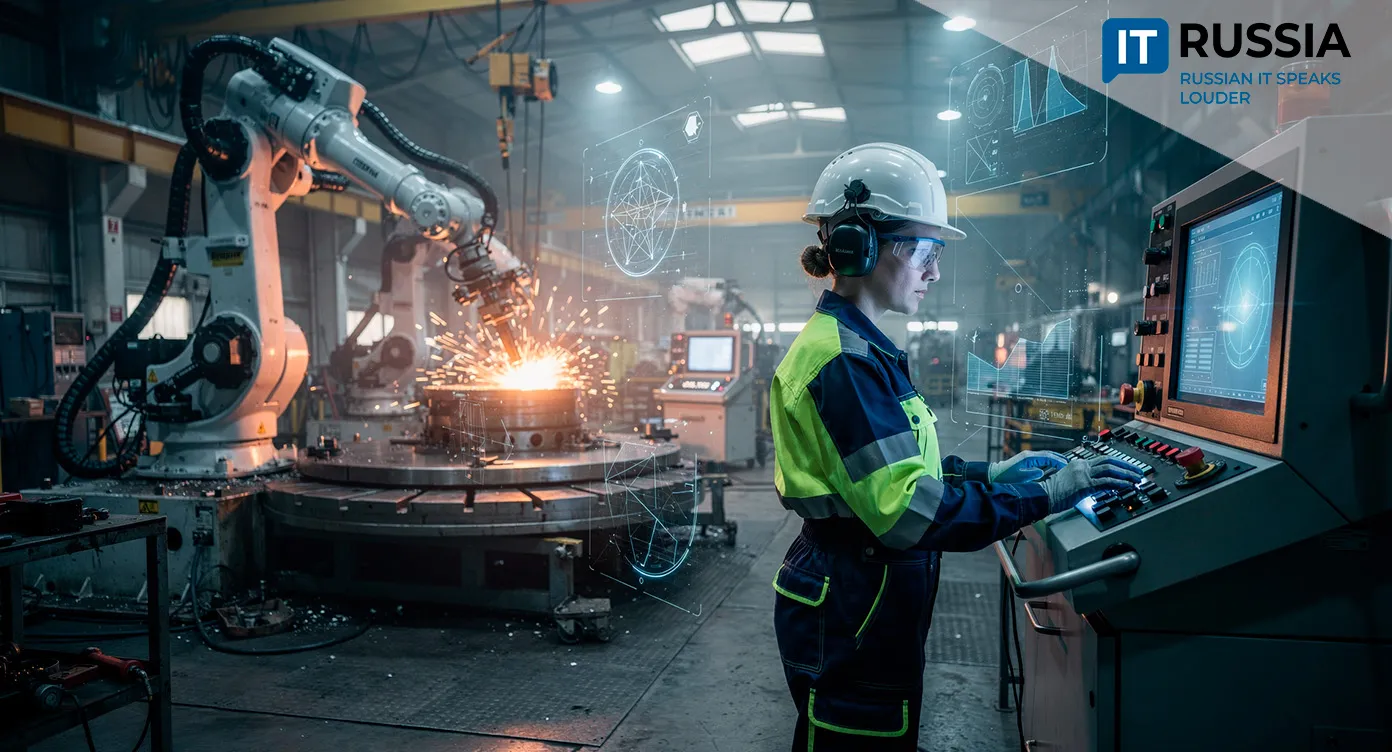
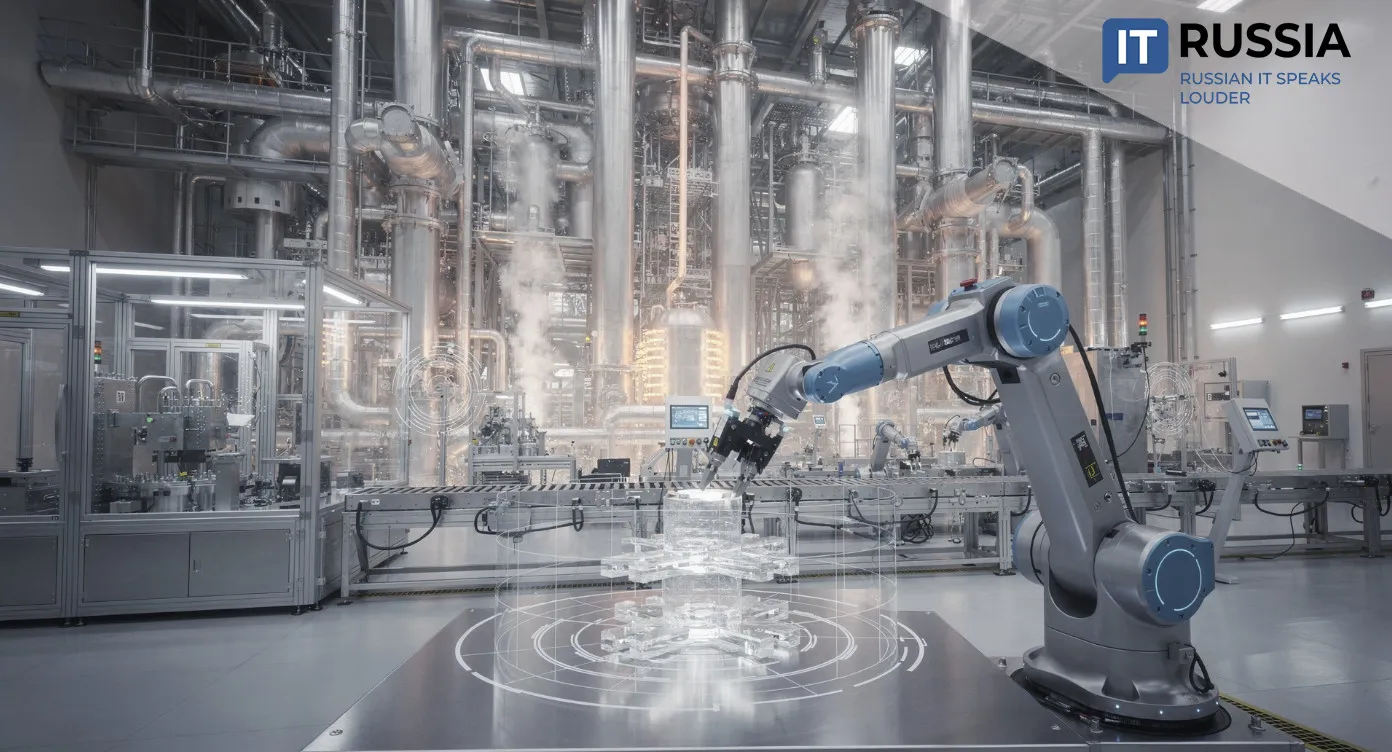
Collaborative robots, or cobots, are automated systems designed to operate alongside human workers. NGTU’s cobots are equipped with adaptive grippers and a machine vision system. They recognize the geometry of a component and adjust in real time to its shape. This capability enables damage-free processing of fragile products made from glass, ceramics and composite materials.
The technology has already been deployed at mechanical engineering enterprises in Nizhny Novgorod, where the robots have reduced defect rates in precision component processing by approximately 40 percent. Demand is particularly strong in the production of components for nuclear equipment, where tolerances are measured in microns and quality requirements are exceptionally strict. The adaptive grippers have replaced imported counterparts from Germany and Japan, strengthening supply-chain independence.


Measured Industrial Impact
Cobots have delivered tangible economic gains. Enterprises in the region have reduced losses from defects by tens of millions of rubles annually. Using the current exchange rate of approximately 83.5 rubles per US dollar, that translates to savings in the range of several hundred thousand US dollars each year. Machine vision systems detect microdefects invisible to the human eye, preventing flawed components from moving to subsequent stages of production.
Digitalization of production processes has accelerated time to market for new products. Equipment setup time has been cut in half due to the ability to rapidly reconfigure cobots for new tasks. For nuclear industry enterprises, this flexibility is critical. Delivery timelines for equipment for nuclear power plants and nuclear-powered icebreakers are tightly regulated under state and international contracts.
A 1.5-Megawatt Nuclear Thermal-Hydraulics Laboratory
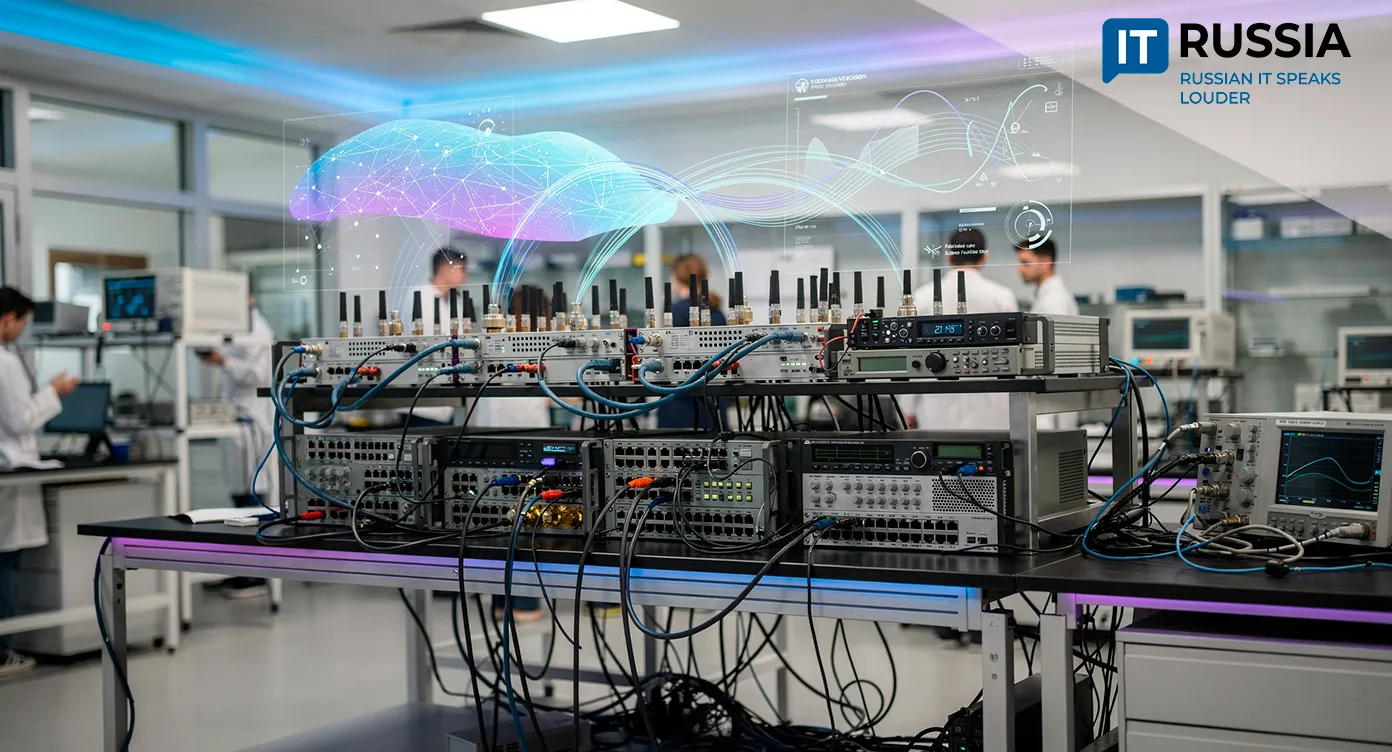
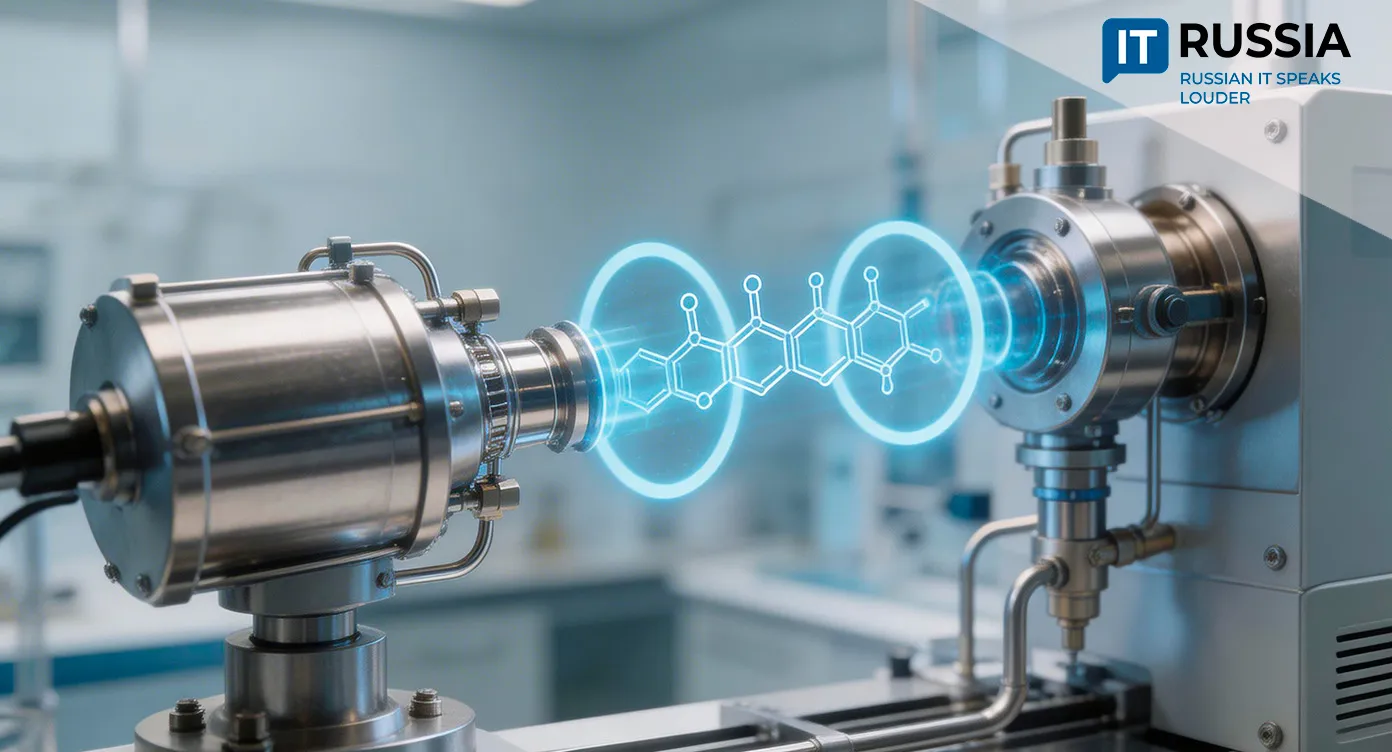
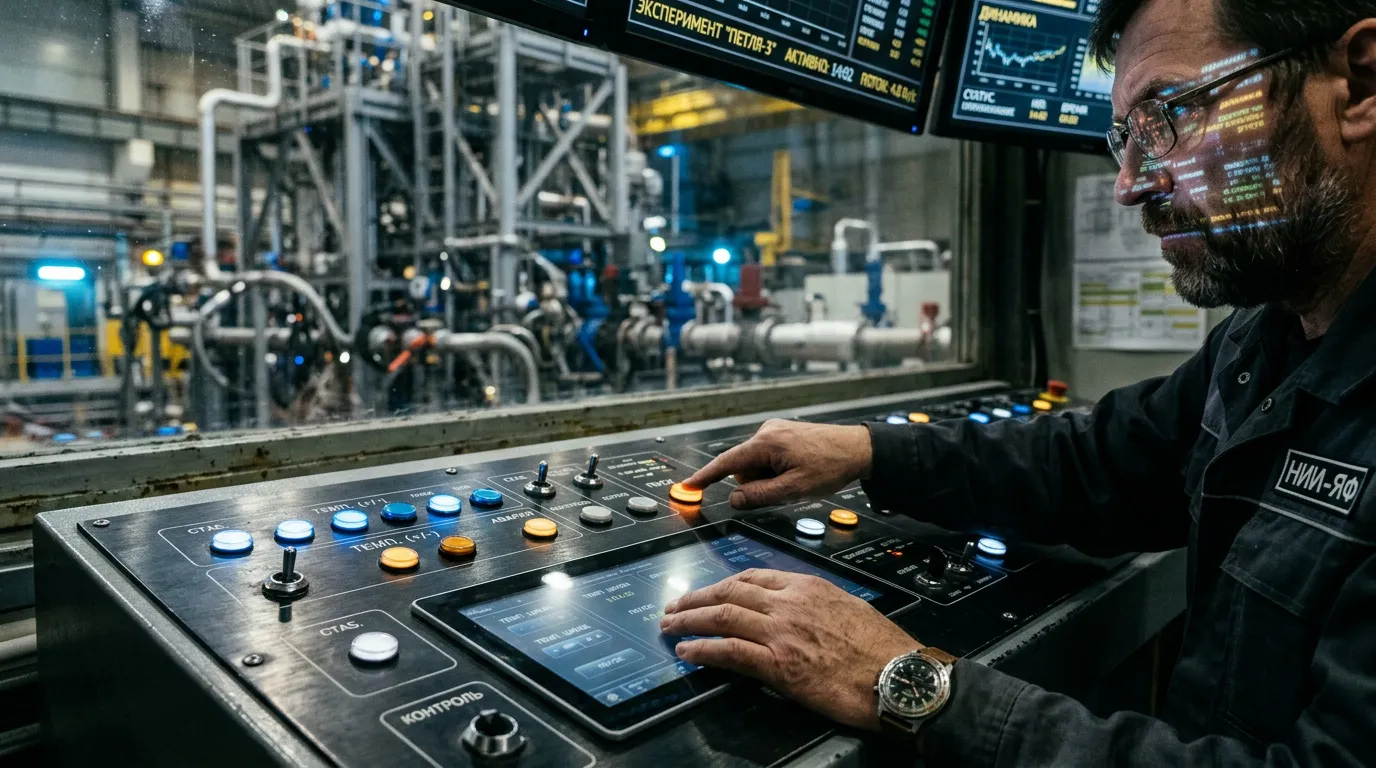
The university’s second major asset is a 1.5-megawatt nuclear thermal-hydraulics research laboratory that reproduces real operating conditions of reactor systems. The facility models heat transfer processes, coolant circulation and material behavior under high pressure and temperature. Its test benches allow engineers to conduct experiments without risk to industrial facilities, reducing development cycles and accelerating validation of new equipment.
NGTU’s laboratory contributes to equipment development for next-generation nuclear icebreakers under Project 22220 – a class of vessels designed for Arctic operations. Engineers test reactor cooling systems intended to function in extreme conditions. Data from these experiments are already being incorporated into the design of floating nuclear power plants and nuclear-powered ships.
Toward a Closed Nuclear Fuel Cycle
NGTU’s developments also support the strategic project Proryv (Breakthrough), which aims to establish a closed nuclear fuel cycle. Thermal-hydraulic test benches simulate fast-neutron reactor operations, in which spent fuel is reused for energy generation. This approach improves the efficiency of nuclear power and reduces volumes of radioactive waste.
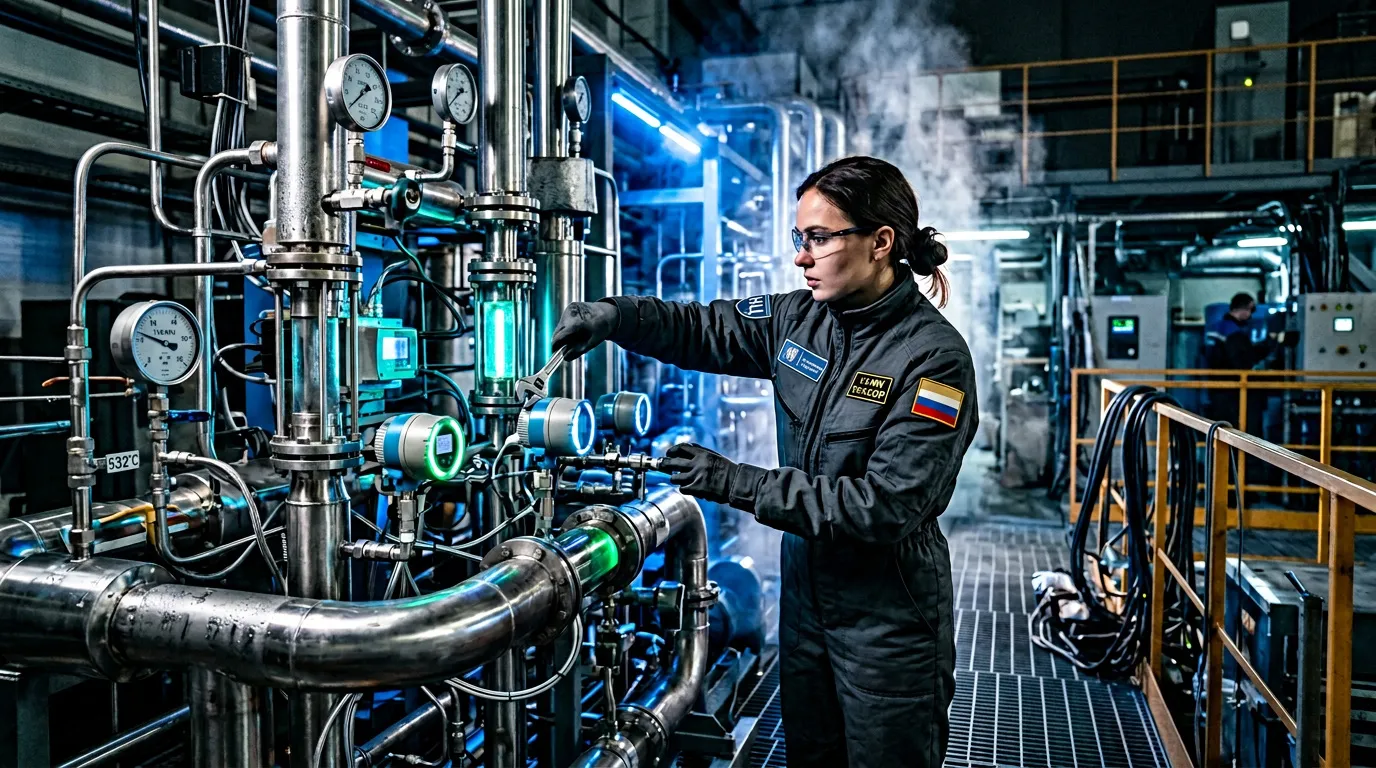
Cobots equipped with machine vision are used in assembly and quality control of equipment for reprocessing spent nuclear fuel. Their adaptive grippers manipulate components made from radiation-resistant materials that cannot be handled by standard industrial robots. By removing the human factor from critical operations, the technology enhances production safety and reliability.
The Nizhny Novgorod university demonstrates that technological sovereignty is built not through declarations but through concrete engineering solutions capable of scaling into industrial systems.