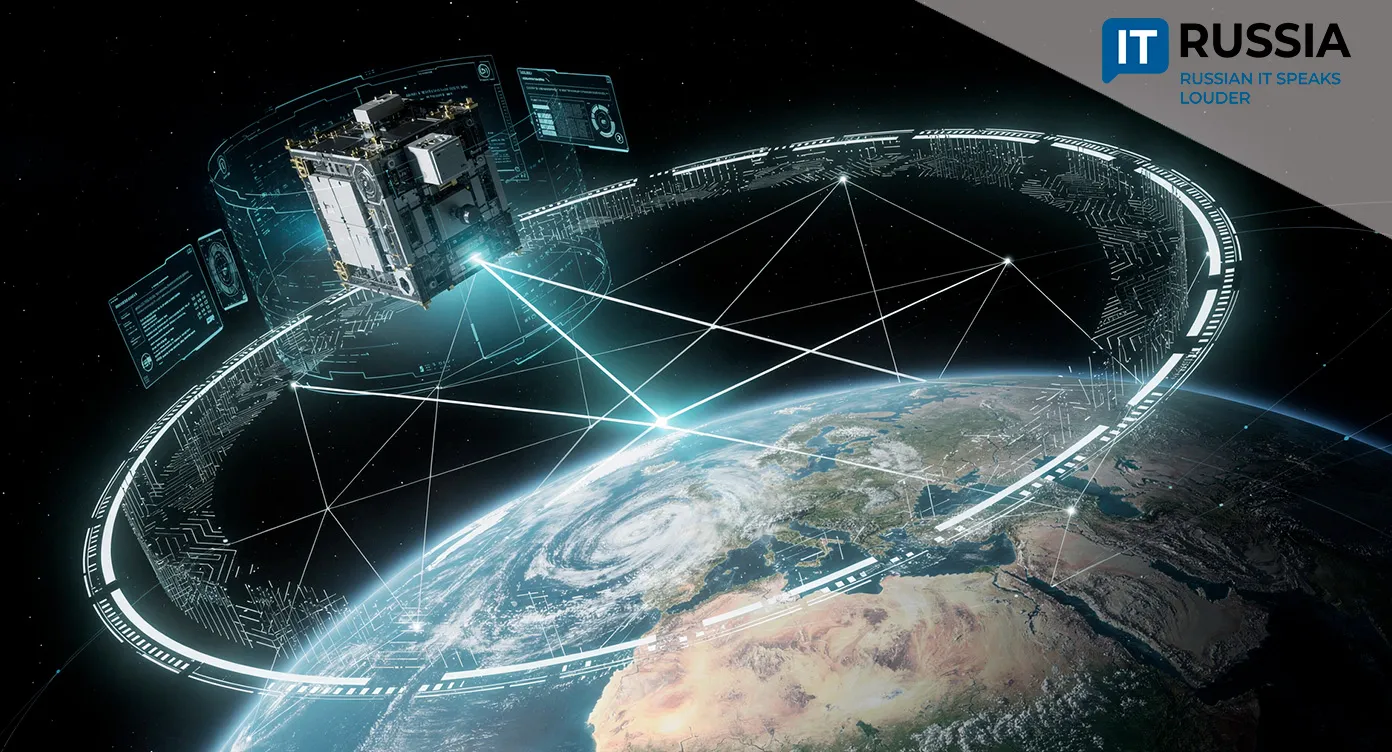
Gonets Satellites Mark 30 Years of Delivering Resilient Connectivity Across Russia
For three decades, Russia’s Gonets (Staffette) satellite system has provided stable communications in some of the most remote and infrastructure-poor regions on Earth, proving that orbital networks remain a strategic backbone for national connectivity.
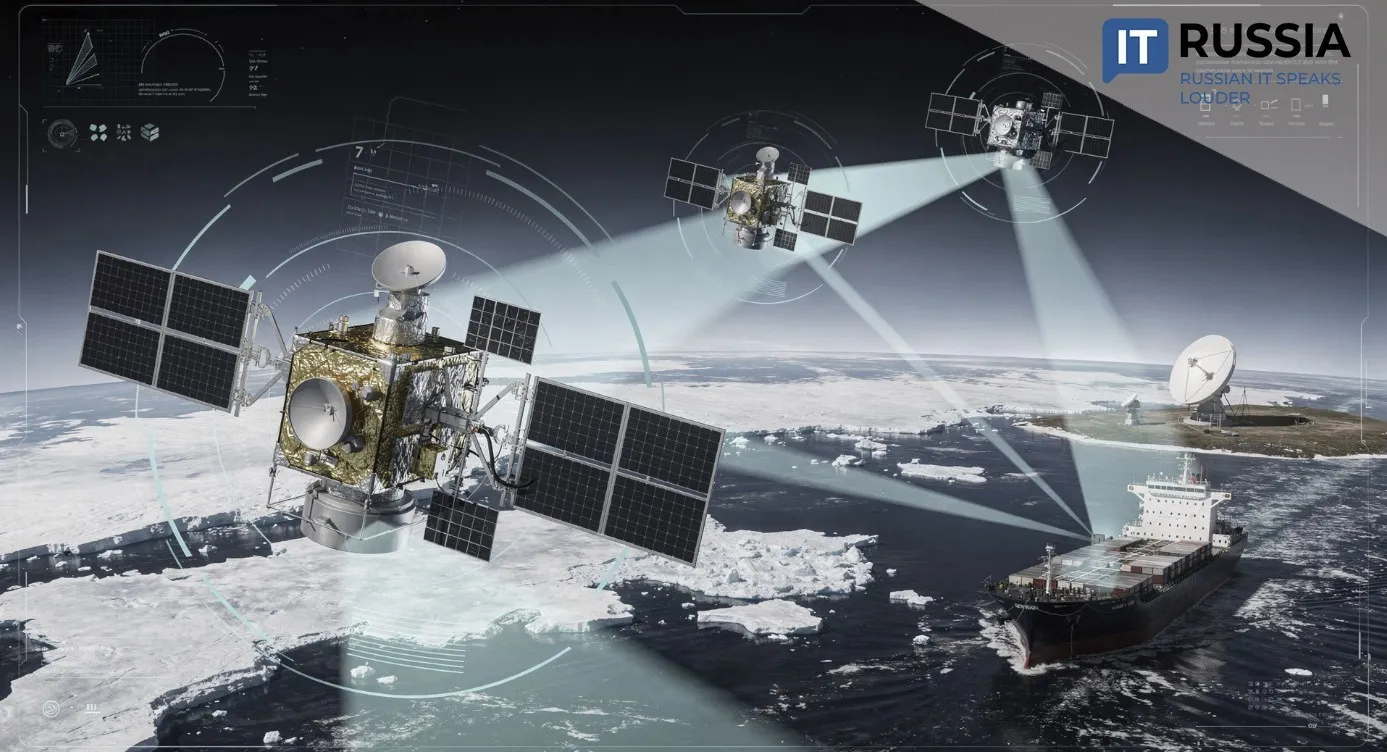
For several decades, Russia has steadily advanced its satellite communications systems. Their primary mission has been to connect remote regions where terrestrial infrastructure is either prohibitively expensive or physically impossible to deploy. Today, multiple spacecraft operate in orbit, supporting a broad range of communications and data-transfer tasks.
A Milestone in Low-Earth Orbit Communications
Recently, Information Satellite Systems Reshetnev, named after Academician M. F. Reshetnev, marked the 30th anniversary of the first launch of the Gonets-D1 satellite. That mission laid the foundation for an entire series of spacecraft that remain in service today.
The Gonets-D1 satellites were originally designed to validate next-generation personal satellite communications technologies. The spacecraft were launched in groups of three into 1,500-kilometer orbits with an inclination of 82.5 degrees. The first launch took place in February 1996.
“A system based on an orbital constellation of nine Gonets-D1 satellites entered pilot operation in February 2002. Its deployment enabled data exchange between subscribers anywhere in the world. The system also supported automated collection and transmission of data for industrial and scientific monitoring,” the press service of Reshetnev JSC reported.

From Antarctica to the Arctic
Over the years, the Gonets satellite series has provided communications services to dozens of government agencies. The system is particularly critical in remote regions where building terrestrial infrastructure would be either economically unjustifiable or technically unfeasible. Subscriber terminals have even been successfully deployed in Antarctica.


The personal satellite communications technology has since evolved. Today, it is implemented in Russia through the upgraded Gonets-M spacecraft.
Reshetnev JSC produces a wide range of communications satellites, including the geostationary Express series. The company does more than assemble spacecraft. It continuously upgrades payloads and onboard systems to enhance performance and expand mission capabilities.
Continuous Platform Modernization
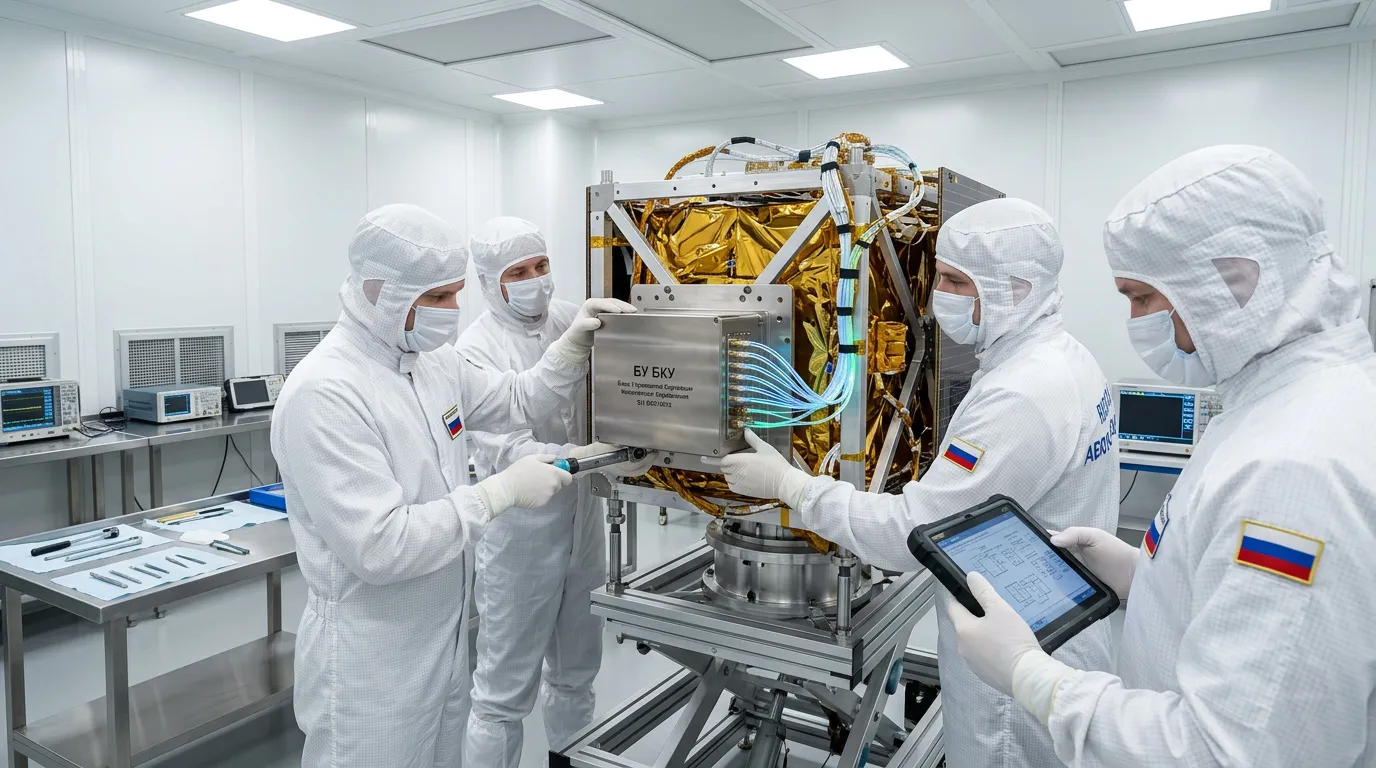
In August 2025, engineers at Reshetnev successfully upgraded the instrumentation suite for the prospective Express-RV communications satellite, which is designed, among other tasks, to support control of unmanned vehicles. Specialists developed a new onboard control unit, the BU BKU, which incorporates the functionality of an onboard digital computing machine, effectively serving as the satellite’s flight computer.
The modernization significantly simplified the spacecraft architecture while preserving functionality and reliability. The control unit, responsible for coordinating all onboard subsystems and receiving commands, was reduced in weight and achieved substantially higher performance. These improvements were enabled by the integration of modern processors and proprietary software developed in-house by Reshetnev engineers. The solution has no direct analogue in the Russian rocket and space industry.

Ground Segment Built for Mobility and Polar Coverage
Alongside satellite upgrades, Reshetnev JSC developed new receiving equipment. A defining feature of the new ground segment is versatility. The receivers are designed to operate at fixed ground stations and on mobile platforms, including maritime vessels and trains. This capability is particularly important for the Northern Sea Route, where reliable communications are essential for navigation and safety.
The use of highly elliptical orbits allows the system to provide stable coverage in Arctic latitudes, where geostationary satellites are less effective due to low elevation angles and signal degradation.
It is also important to note that Russia is implementing the Sfera (Sphere) program, a state-approved initiative and one of Roscosmos’ flagship projects. The program is aimed at developing space-based information technologies and reducing the digital divide. It envisions the launch of dozens of new satellites serving various missions.
Taken together, these efforts indicate that Russia’s communications satellite development is in an active expansion phase. Successful execution of these projects is expected not only to improve domestic telecom infrastructure but also to support international customers, strengthening Russia’s position in the global satellite services market and contributing to high-technology exports.