

Moscow Tests VR Technologies to Help Children With Disabilities Adapt to Everyday Life
New virtual reality tools are being tested in Moscow to help children with disabilities practice essential life skills and navigate urban and educational environments.
Moscow is testing domestically developed technologies designed to support the rehabilitation of children with disabilities. The city’s Department of Labor and Social Protection told IT Russia how new innovations are evaluated and which solutions are already helping young residents.
VR Inclusion for Social Adaptation
The city has established a structured process for identifying and testing new rehabilitation technologies, including solutions designed for children with health conditions. Each development undergoes a multi-stage evaluation. Potential technologies are first tested in pilot programs with control groups. If their effectiveness is confirmed, the solution is added to official rehabilitation programs.
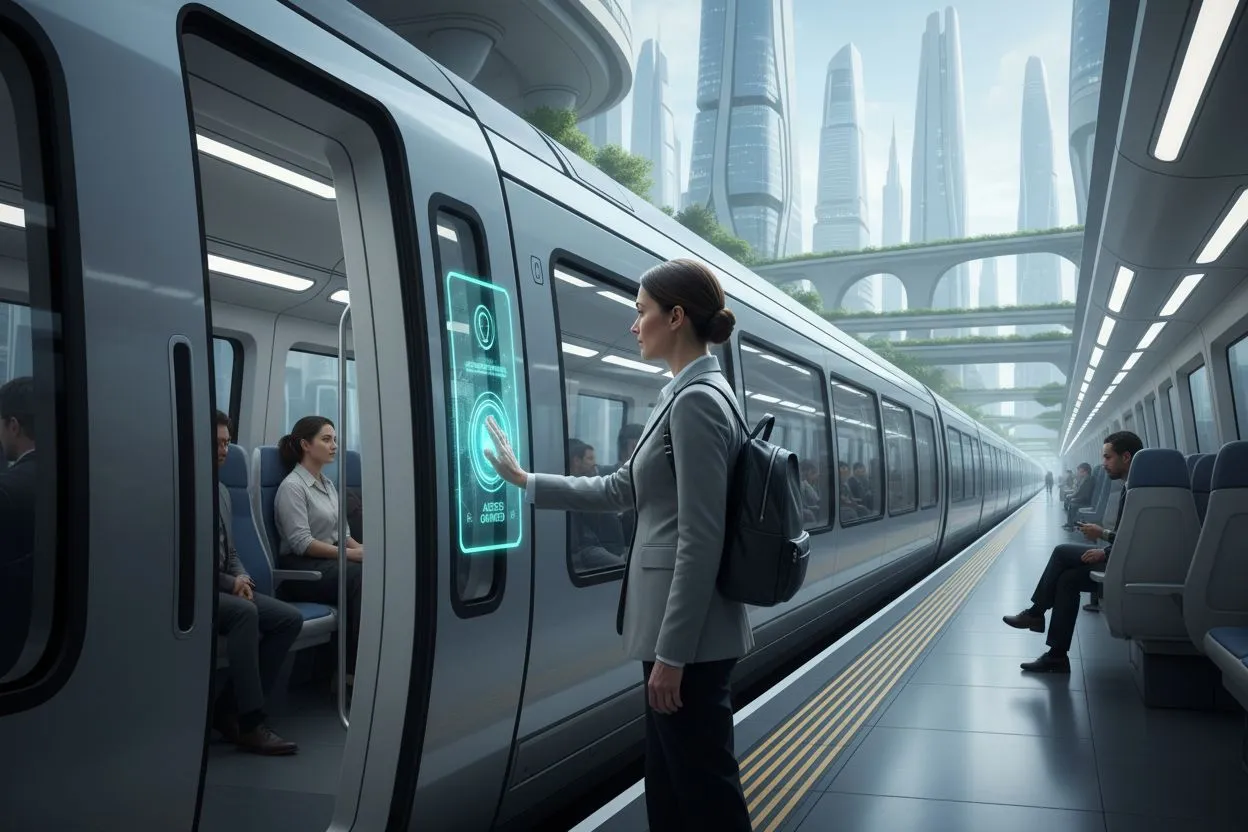
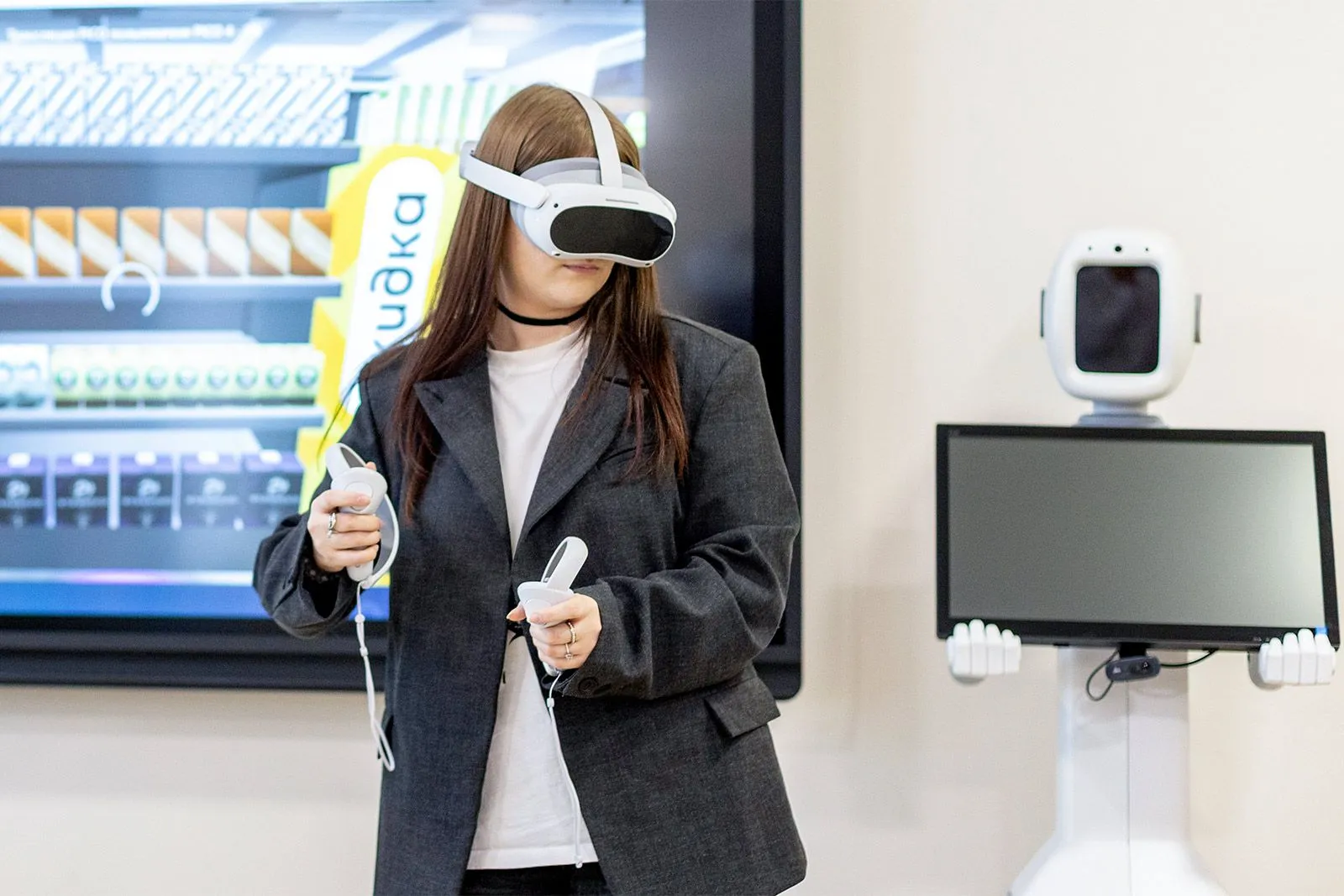
In January, specialists at Rehabilitation and Education Center No. 7 completed testing of a Russian platform for social adaptation called VR Inclusion. The system was created by a team of doctors, neuroscientists, IT specialists, and educators. Children with autism, cognitive conditions, and mobility impairments use the platform to practice everyday skills—such as crossing the street, riding a bus, or shopping in a supermarket. The platform combines virtual reality environments with a performance assessment system.
Visionero S-65 for Solnyshko Center
Another domestic development—the Visionero S-65 hardware and software platform—is being tested at the Troitskiy Rehabilitation and Education Center Solnyshko. Children with various developmental conditions perform game-based exercises designed to improve attention, memory, speech, and motor coordination. The number and complexity of exercises depend on each child’s individual health profile. Specialists can evaluate cognitive functions in real time and adjust rehabilitation programs when necessary.
Since December last year, the Butovo Comprehensive Rehabilitation Center has been using a system called Smart Hall. The platform supports rehabilitation for children with cerebral palsy, autism, and sensory integration disorders. It offers interactive game scenarios designed to help children learn how to navigate city environments.
Virtual reality is combined with interactive equipment. A specialized treadmill helps children practice safe movement in urban settings, while objects equipped with sensory sensors help monitor body movements.
The most effective solutions are integrated into Moscow’s broader rehabilitation system. In control groups, more than 80 percent of children with special needs showed significant progress, including improvements in attention, coordination, and memory. Anxiety in unfamiliar environments also decreased.
Earlier reports said researchers at Samarskiy gosudarstvennyy meditsinskiy universitet (Samara State Medical University) developed an intelligent program designed to monitor rehabilitation of leg injuries after trauma or surgery.