

Russia’s City Chatbots Are Taking Over Bureaucracy—and Helping Residents Navigate Urban Services
AI-powered chatbots and voice assistants now help Moscow residents book doctor appointments, check transit information, and handle thousands of other everyday tasks.

More than 70 percent of Moscow residents have interacted at least once with a city chatbot or voice assistant. The city has built an extensive network of digital services designed to help residents quickly find information about municipal services and access them online.
Virtual assistants operate around the clock—they do not need sleep or lunch breaks. A user who asks a question via chat or voice, even in the middle of the night, can expect an immediate response.
“Virtual assistants help residents access city services and platforms faster and more conveniently. People can find answers to their questions and solve everyday tasks without waiting for a specialist. AI assistants are available anytime and through familiar communication channels. The development of artificial intelligence in city services will continue,” the press service of the Moscow Department of Information Technology said.
For Patients and Passengers
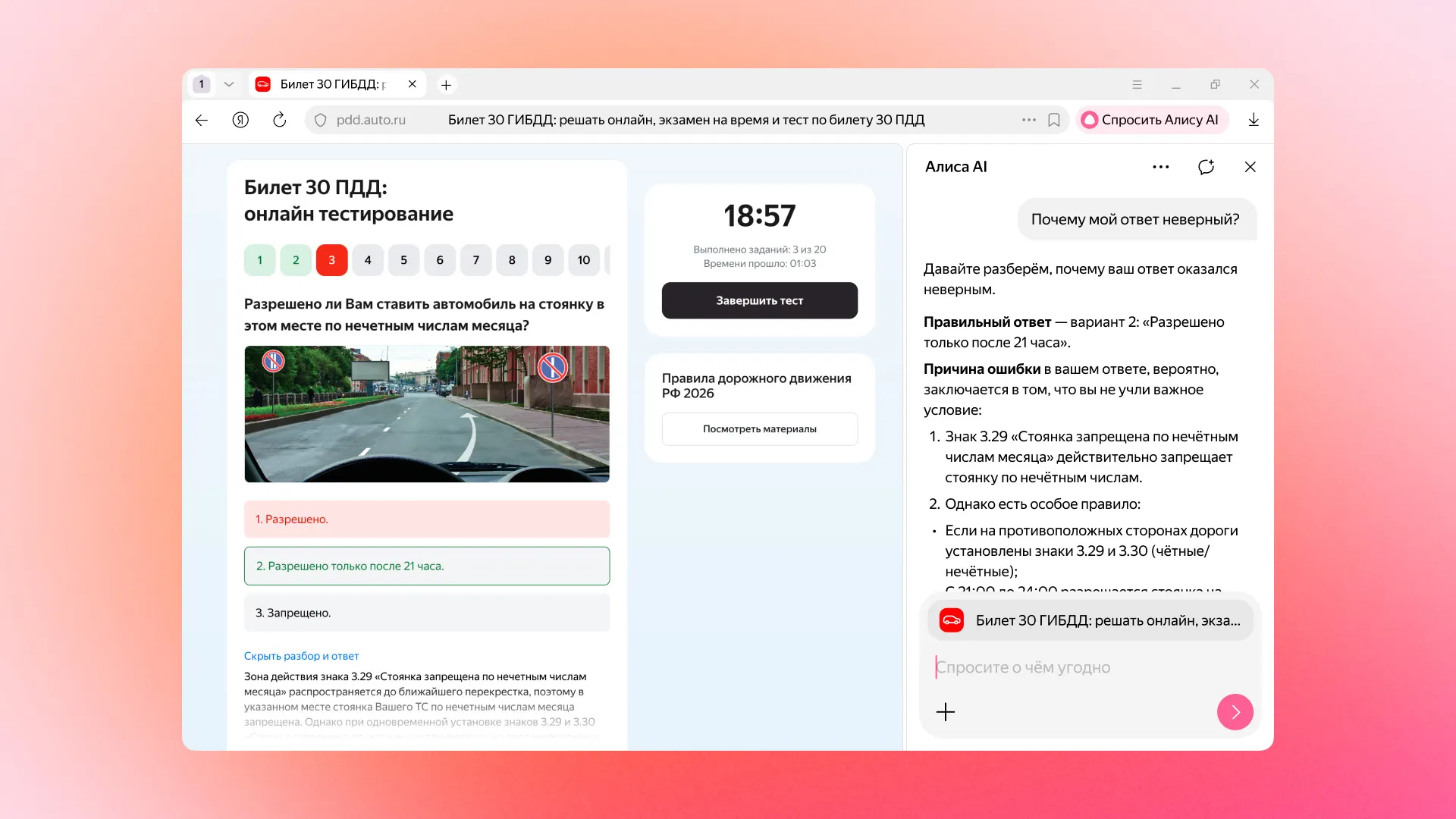
In healthcare services, virtual assistants help residents manage doctor appointments or maintain digital health diaries. Users can add health indicators to their electronic medical records by voice or check details about upcoming medical visits. The patient assistant operates through the EMIAS.INFO (Unified Medical Information and Analytical System application) app and devices equipped with the Alisa (voice assistant) service. With its help, residents have already added more than 100,000 health records to electronic medical files.
In the transportation sector, the chatbot Aleksandra assists users. It provides round-the-clock responses to public transport passengers, pedestrians, and drivers. The service processes an average of more than 585,000 requests per month. Most users ask about transit fares, routes, schedules, or items lost on public transport.
For Teachers, Developers, and Entrepreneurs
Within the Moskovskaya elektronnaya shkola (Moscow Electronic School platform), a chatbot helps teachers prepare lessons by analyzing digital textbook materials and reference data. It selects visual teaching materials, generates lecture summaries, and prepares test assignments for students.
For software developers, the city platform Mos.Hub hosts the KoDIT (code development assistant) chatbot. The bot can answer programming questions and even help write code. It supports widely used programming languages including Python, Java, JavaScript, and C++.
Businesses have their own set of tools as well. For example, the voice assistant of the Supplier Portal hotline handles all incoming support calls. It advises entrepreneurs on registering in the system, participating in procurement processes, and working with electronic documents.
For Everyone
The voice assistant of the citywide contact center operates across 14 support lines simultaneously. Its knowledge base includes information on nearly a thousand different topics. Residents can book medical appointments, submit utility meter readings, or get information about government services.
The Moscow city government has already implemented more than 130 projects using artificial intelligence. In 2025 alone, more than 20 new AI-driven initiatives were launched in the capital. Moscow has increasingly positioned itself as a fully digital city—one that aims to model the urban infrastructure of the future.