Drones and AI Used in Russia to Determine Sunflower Ripeness Remotely
The technology could help farmers plan the harvest schedule for different parts of a field.
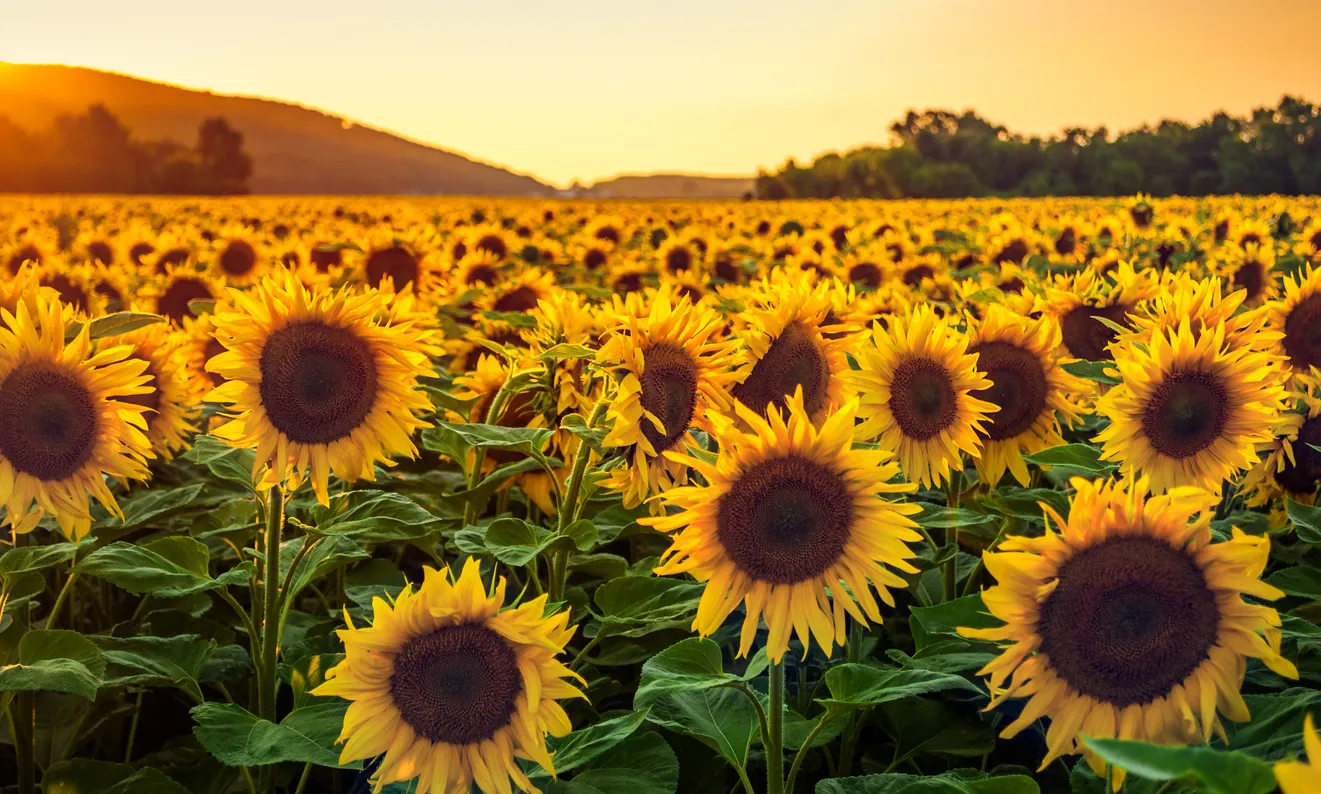
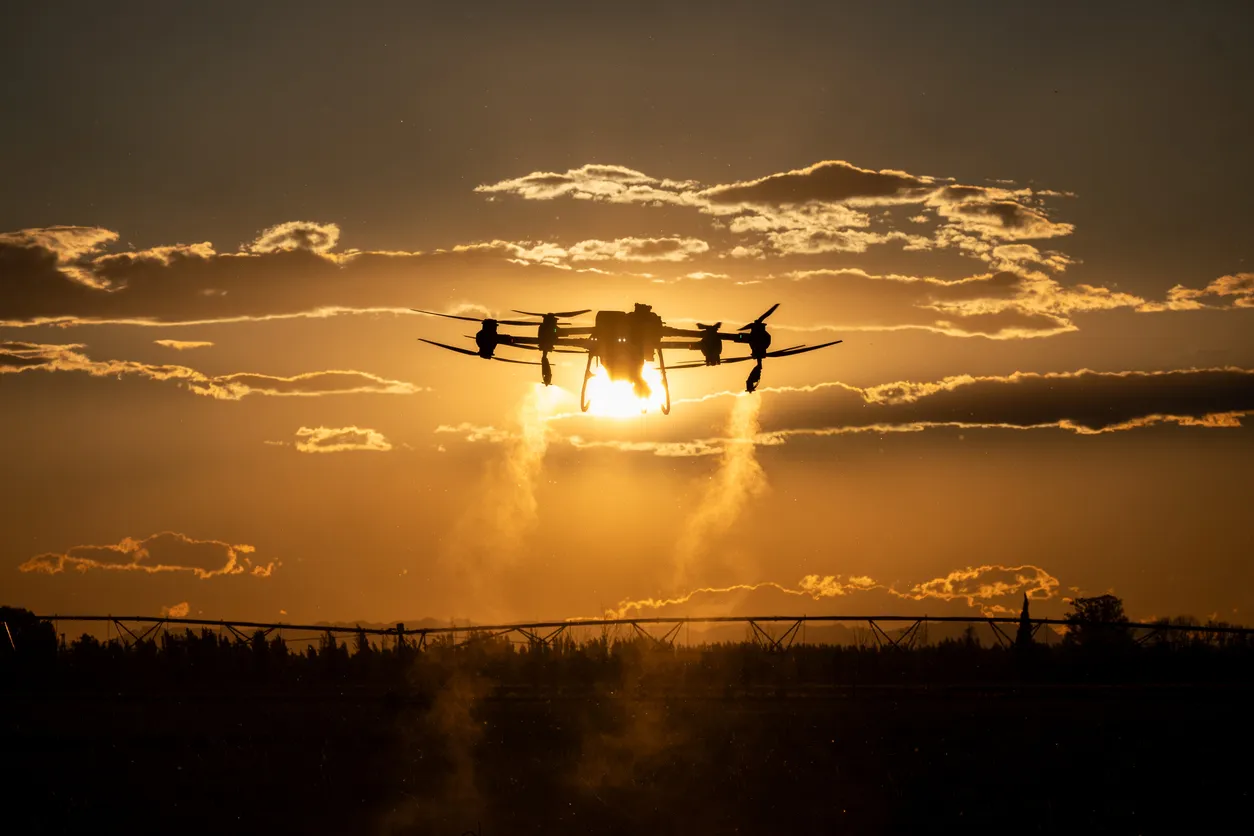
Researchers at Southern Federal University have developed a method to determine the moisture content of sunflower seeds by analyzing the spectral characteristics of the underside of the flower head using a drone, Russia’s Ministry of Science and Higher Education said.
Harvesting sunflowers either too early or too late can lead to significant losses. According to the researchers, the optimal moisture level is 25–30 percent if crops are to be treated with drying agents and 10–12 percent for direct combine harvesting. Currently, readiness is usually determined visually – the back of the sunflower head should turn brown and the petals should dry out – or by testing samples in a laboratory.
The new technology can determine with up to 98 percent accuracy when a field is ready for treatment and harvesting. All that is required is to scan the crops using a drone.
Experimental Validation
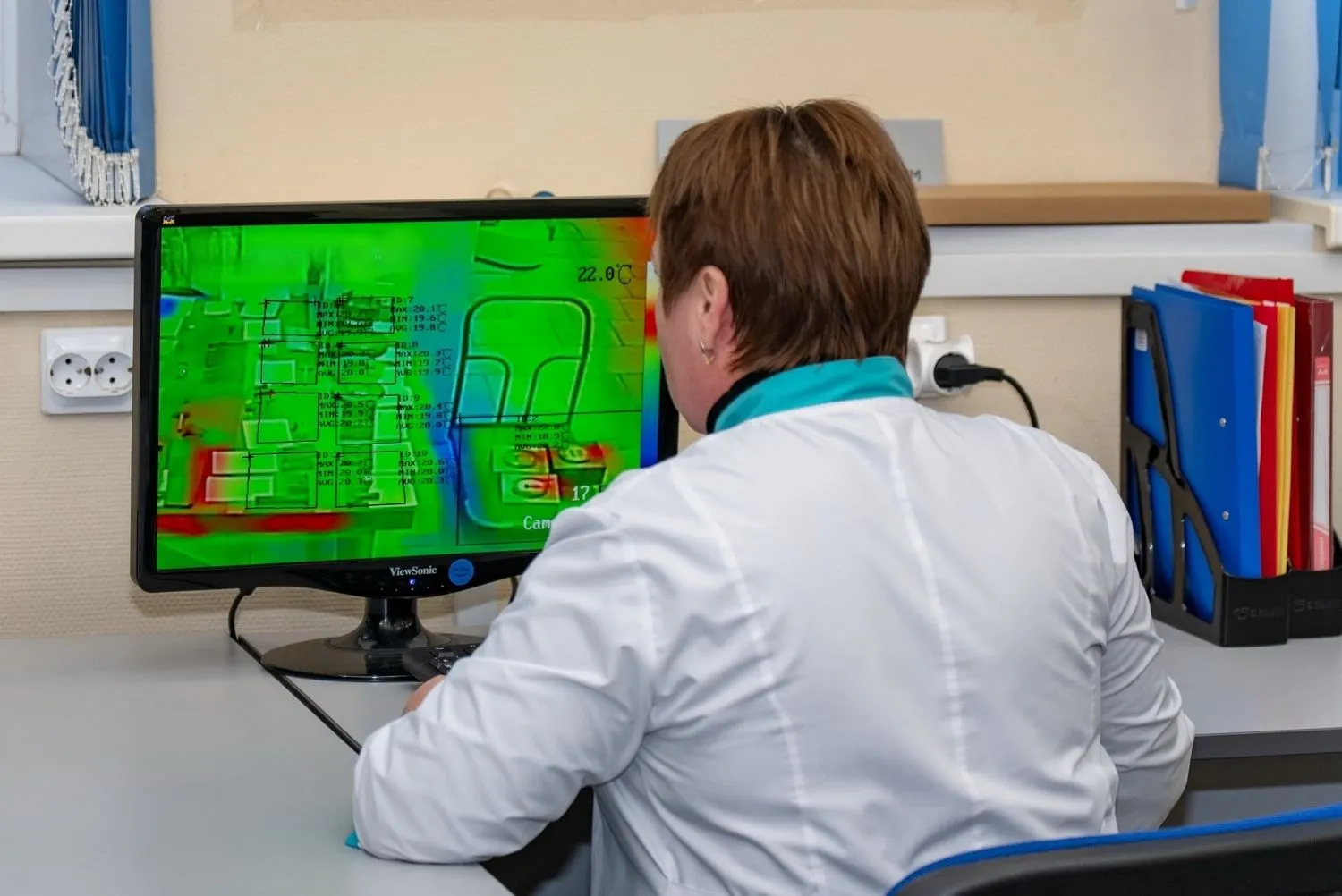
The sunflower experiments were conducted at the Agricultural Plant Spectral Phenotyping Research Laboratory, established at the university in July 2025.
Using machine-learning and deep-learning algorithms, researchers are developing software to analyze spectral data. Instead of focusing on the seeds hidden inside the sunflower head, the specialists proposed that drones analyze the back side of the inflorescence.
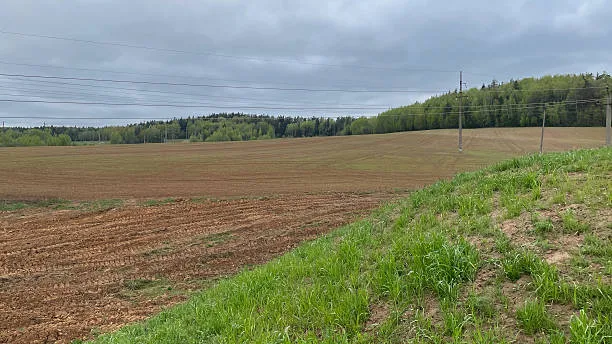
The resulting ripeness map of an entire field will allow farmers to plan the harvest sequence for different areas. The researchers have already received a patent for the invention. In the future, the method could be adapted for other crops, including winter wheat, barley, chickpeas, and peas.