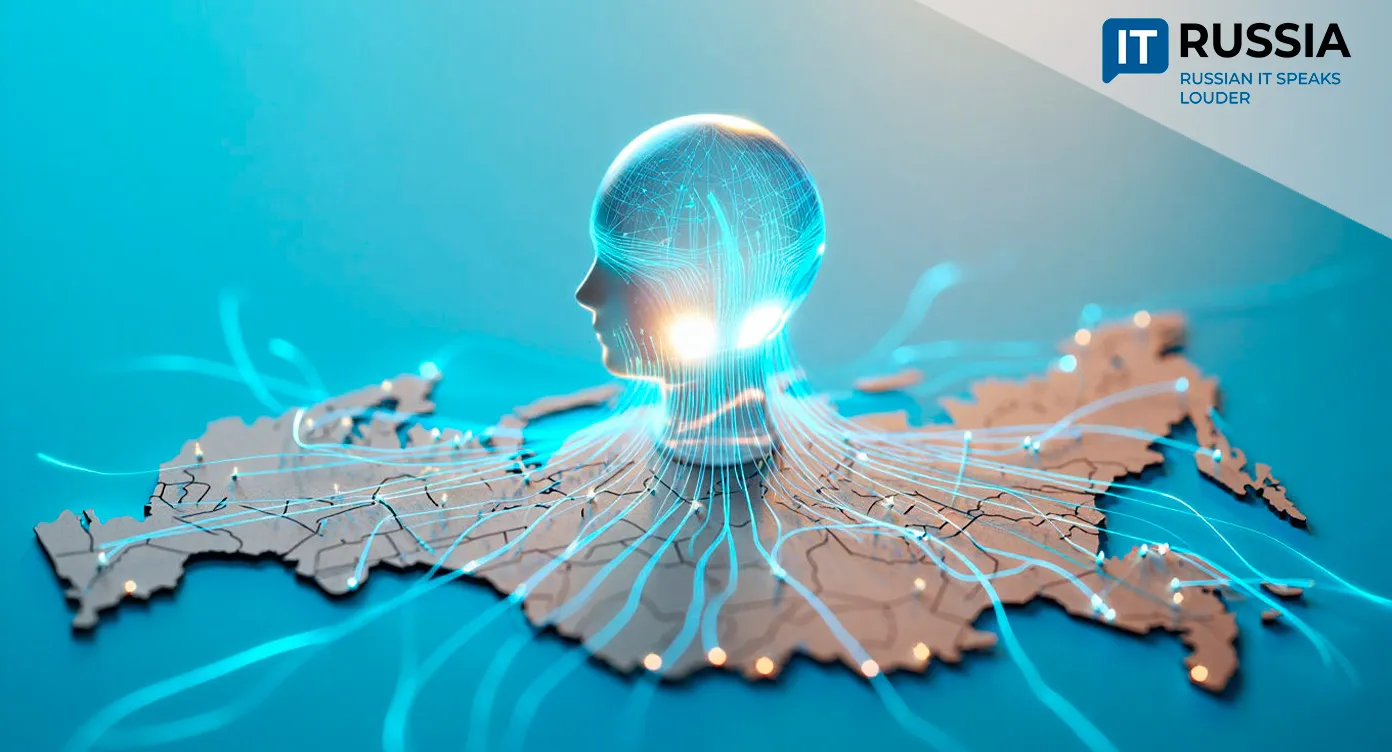


Rosatom Moves Toward Commercial Quantum Computing
In Moscow, experts gathered to discuss the commercialization of quantum technologies. Rosatom plans to launch pilot products for industry, and by 2030 aims to build a full-scale quantum ecosystem.

Meeting at Rosatom Headquarters
A key meeting titled “Prospects for the Commercial Use of Quantum Computing in the Russian Federation” took place at Rosatom’s Moscow headquarters. Representatives from the research community, government agencies and the private sector convened to assess how ready quantum technologies are for market deployment. The discussion focused on adoption barriers and the incentives required for companies willing to test quantum solutions.
Experts emphasized the shift from fundamental research to practical applications. Plans include creating pilot quantum products and services that will allow companies to evaluate the technology’s potential in real-world conditions. This approach is expected to reduce skepticism within industry and accelerate commercialization.
Public-Private Partnership
The central message of the meeting was clear: quantum computing cannot be developed through government funding alone. Public–private partnerships, engagement with startups and private investment are essential to forming a sustainable ecosystem. This model will distribute risk and combine the resources of science, industry and government.

Such an approach will stimulate innovation in energy, finance, telecommunications and security. Rosatom positions itself as the coordinator of this process, offering infrastructure and expertise for joint projects. The success of this strategy will determine Russia’s place in the global quantum landscape.


Roadmap for Sector Development
Back in 2020, the government of the Russian Federation and Rosatom approved the Quantum Computing Roadmap. It set ambitious goals: creation of domestic quantum-computer prototypes, workforce development and regulatory groundwork. Over five years, more than 600 researchers from 20 universities and centers contributed to the effort, developing processor prototypes across several technological platforms.

By 2024, Russia launched a domestic cloud-based quantum-computing platform, marking an important step toward commercialization. In the summer of 2025, the roadmap was extended through 2030, with renewed focus on scaling the industry, training thousands of specialists and integrating quantum solutions into real sectors of the economy. These achievements laid a strong foundation for current initiatives.
The work has expanded beyond computation to include quantum communications, sensors and cryptography. Component bases and infrastructure for quantum networks were developed, opening the way for ultra-secure communication systems.
Export Potential
Rosatom’s successful pilot projects may enable the emergence of a full quantum-services ecosystem, spanning computing, communications and sensing technologies. This will strengthen export potential, making it possible to offer solutions to international partners, particularly in energy and industrial sectors.
By 2030, Russia could compete with leading global players in the B2B quantum market. Startups will receive growth incentives, while integration of quantum systems into critical infrastructure will support technological independence. The global race for quantum advantage creates an important window of opportunity for domestic developers.

Conclusions and Outlook
Quantum technologies are progressing from laboratory research to early-stage market adoption. The first commercial solutions may emerge within two to five years, provided effective pilot programs are implemented. This shift could become a new growth point for the IT industry, fueling demand for skilled professionals and supporting infrastructure.
However, success depends on the pace of deployment, the presence of business incentives and the availability of investment. Russia has a real opportunity to become a noteworthy player in the global arena, strengthening technological sovereignty through quantum innovation. All participants involved in this process are committed to achieving the strongest possible results.