Russia Develops System to Analyze G-Force Stress in Pilots
For the first time, Bernoulli’s equation has been applied to the human circulatory system.
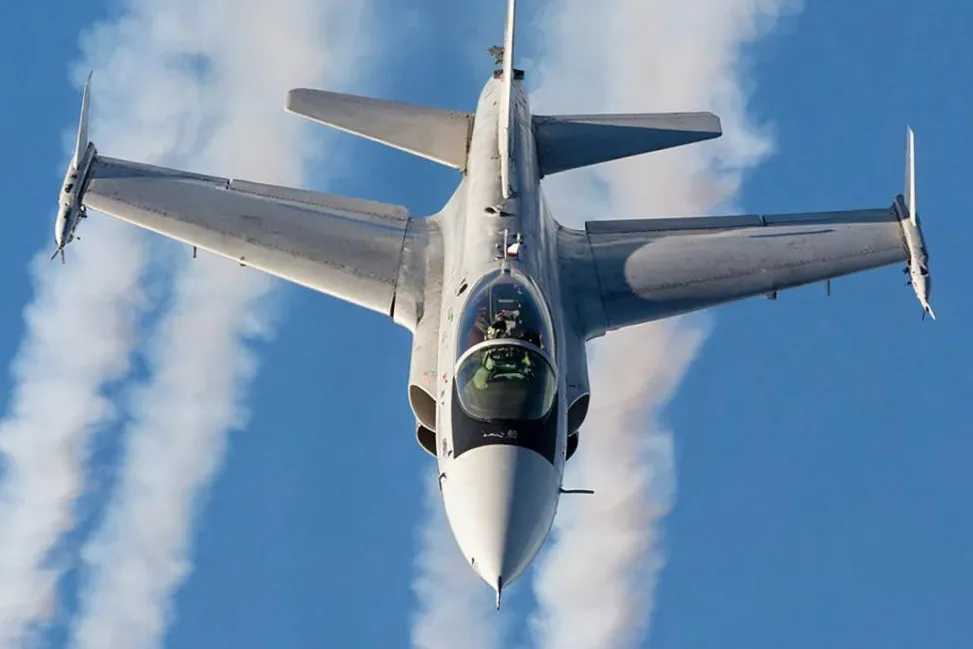
Researchers at Novosibirsk State Technical University have developed software that makes it possible to assess how effective anti-G suits are for pilots under different conditions. According to the university, there are currently no comparable solutions worldwide.
The program applies Bernoulli’s equations to human blood flow for the first time, incorporating parameters such as the diameter of the aorta and capillaries. The university’s press service told IT-Russia about the development.
Optimal Compression Levels
An anti-G suit is specialized gear that compresses the body during high-G maneuvers, creating pressure in the abdominal area and lower limbs. This helps maintain blood flow to the brain. For the study, researchers used a unique calculation program based on Bernoulli’s equation, which describes the relationship between the velocity of a steady fluid flow and its pressure, the university said.
The calculations were performed for major human tissue types, taking into account the diameters of the aorta, arteries, arterioles, and capillaries. The software also incorporates individual characteristics such as sex and age.
As a result, the system can model different levels of suit compression, from mild to extreme — the kind pilots experience during advanced aerobatic maneuvers. In practical terms, this allows engineers to determine the optimal compression level of an anti-G suit for a specific individual.
From Building Pipelines to the Human Circulatory System
The technology has already been tested. Its key distinction lies in the fact that Bernoulli’s equation has been applied to the human circulatory system for the first time. Traditionally, the equation is used to describe hydraulic parameters in building pipelines, heating networks, and aircraft hydraulic systems.
The developers plan to formally register the software in the near future.
Earlier reporting noted that Russian scientists had also created a unique device for visualizing blood flow.