Russian Audiences Show Interest in AI-Generated Theater
Russian audiences are increasingly open to the creative potential of artificial intelligence. One in two Russians says they would attend a play created by AI, though most would like to pay less than for a performance produced by human creators.
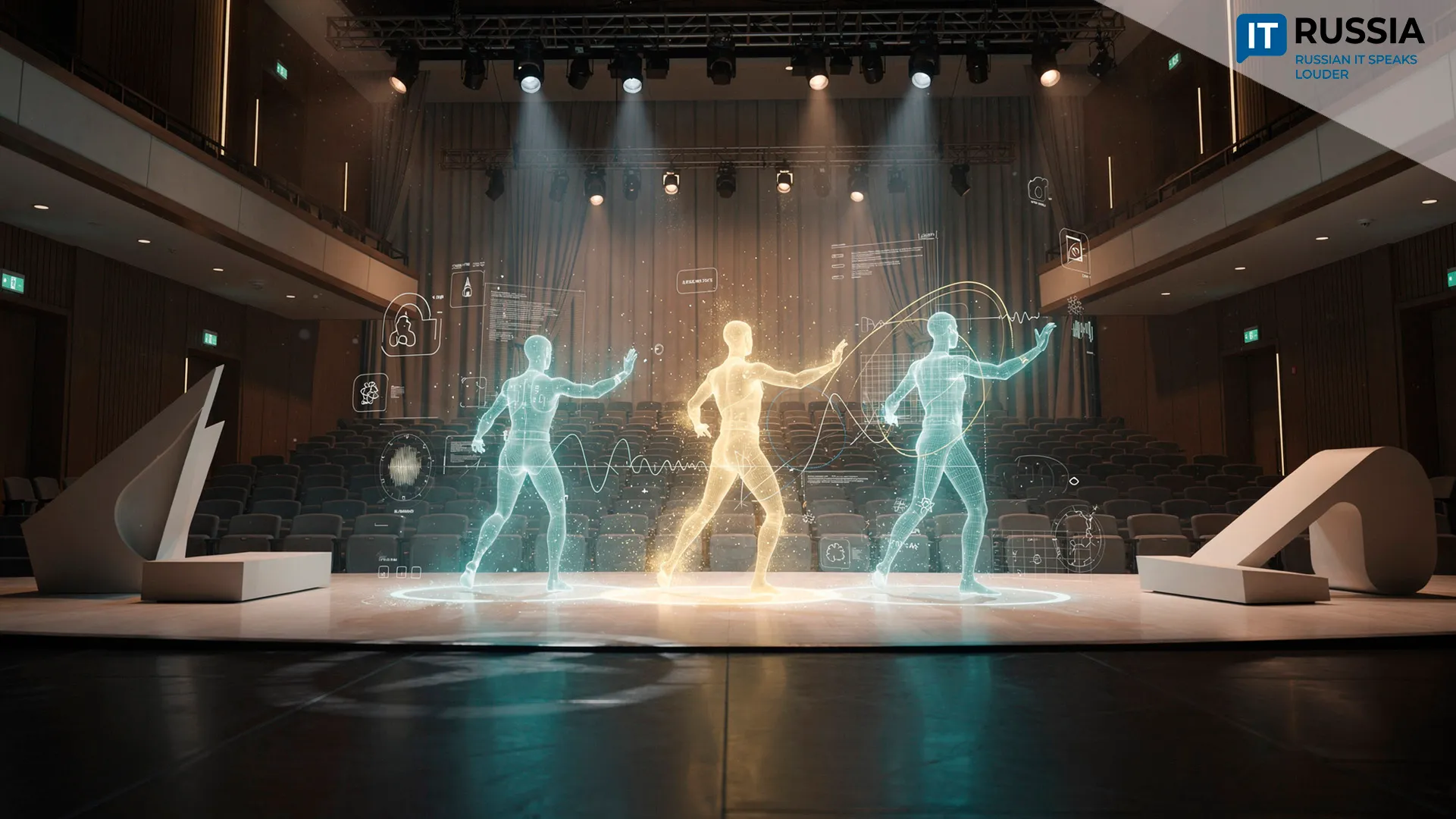
MWS AI, an AI solutions developer within MTS Web Services, conducted a survey for RIA Novosti to understand how people perceive AI-generated creative work – and, more importantly, whether they are willing to pay for it.
The “Non-Human” Author
More than half of respondents said they would attend a play created entirely by AI. About 25% would refuse, while 22% remain neutral. Among regular theatergoers, openness to AI content is even higher: 62% would attend such a performance, and only 17% would decline. Among those who do not usually go to the theater, 43% are willing to attend, while 34% would refuse.
Only 9% of theatergoers are willing to pay the same price for an AI-generated performance as for a traditional one. Another 41% say they might accept equal pricing, while roughly one-third believe such performances should cost less.
Can AI Replace Humans?
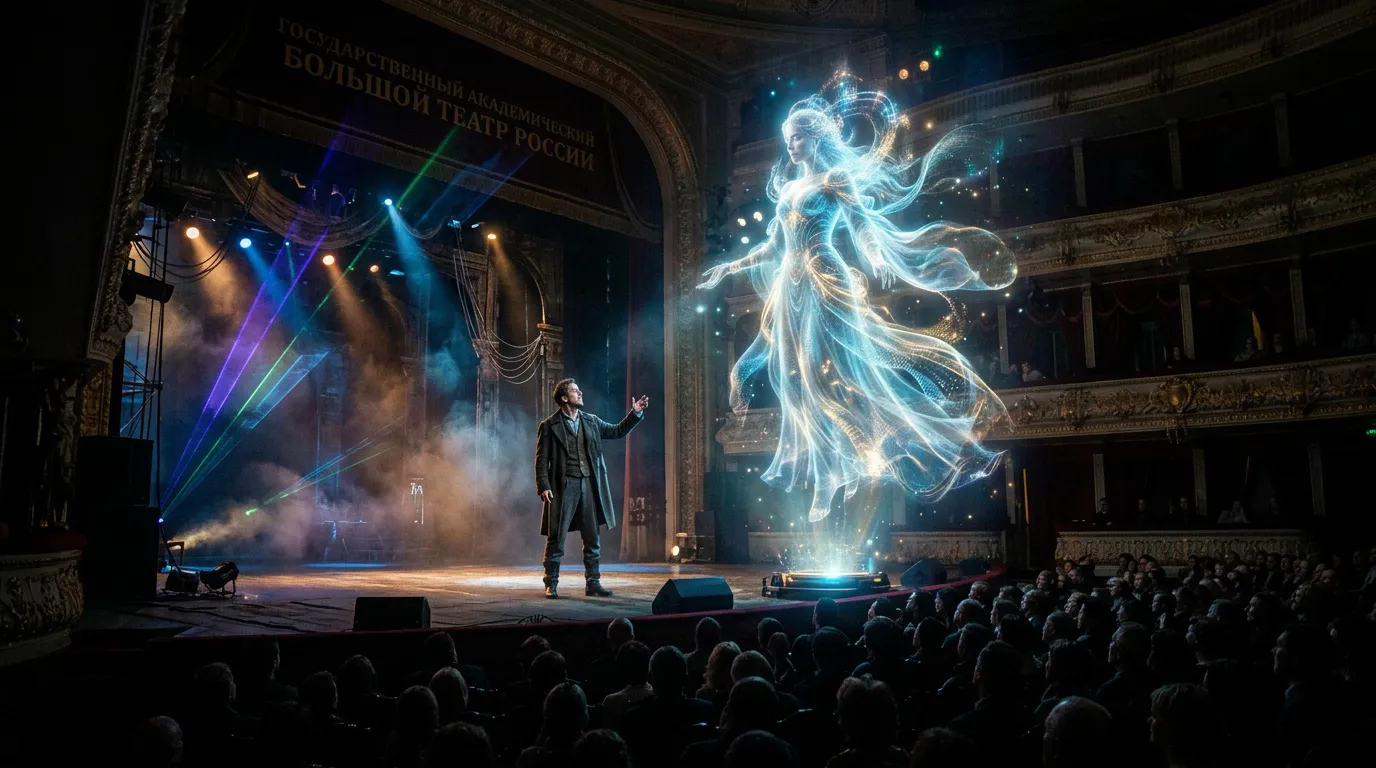
Most Russian audiences do not believe AI can replace humans in the creative process, but they do see it as a useful tool that can support artistic work. Among theatergoers, 38% say an AI-powered system cannot replace a human actor, while 31% believe it could. Another 31% are undecided.
Skepticism is more common among older audiences. Among respondents aged 50 to 59, half oppose replacing humans with neural networks. Younger audiences are more open to the idea: among those aged 25 to 34, 42% say AI could potentially replace actors.
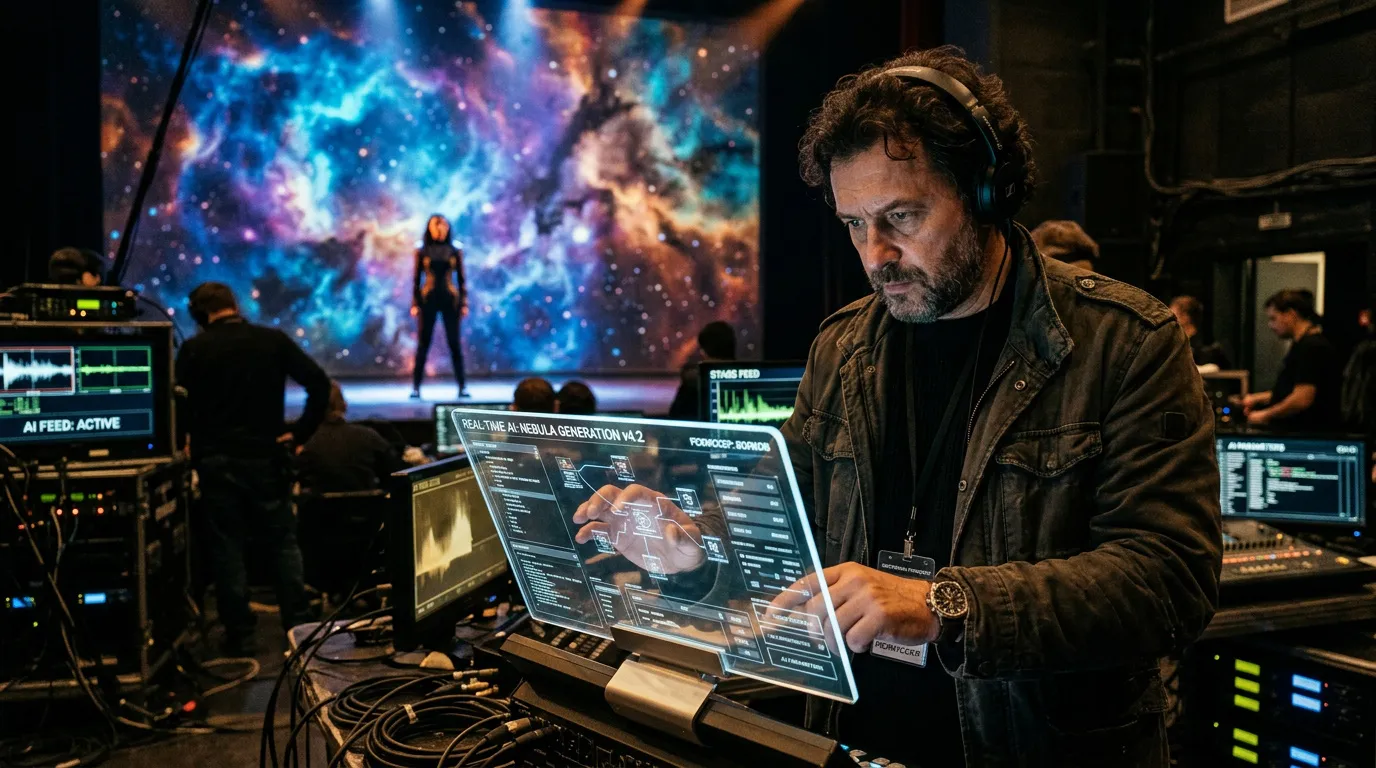
Most theatergoers are willing to let AI handle set design and costumes, and about half are comfortable with AI managing stage lighting. One-third accept AI-written scripts, one in nine would trust AI to direct a production, and only 7% would accept AI actors on stage.
Even though most respondents still want to preserve traditional theater without AI, the data suggests a clear consumer segment is emerging in Russia – one that is willing to pay for AI-generated cultural content. Audiences are beginning to trust AI even in a traditionally conservative art form like theater.
Beyond Traditional Business
Generative AI is moving beyond corporate use cases and entering creative industries, where automation and efficiency are only part of the equation. Meaning, artistic execution and originality remain central.
The findings reflect a broader societal shift: Russian audiences no longer reject the idea of AI-generated performances, but they still assign higher value to works created entirely by humans.
Experts expect AI in Russia to continue evolving primarily as a support tool – in scenography, lighting, multimedia, marketing, audience analytics, and educational or festival formats. In the near future, more experimental and potentially lower-cost productions are likely to emerge, along with personalized visual and stage content. Production cycles will shorten, intensifying competition in the cultural sector.
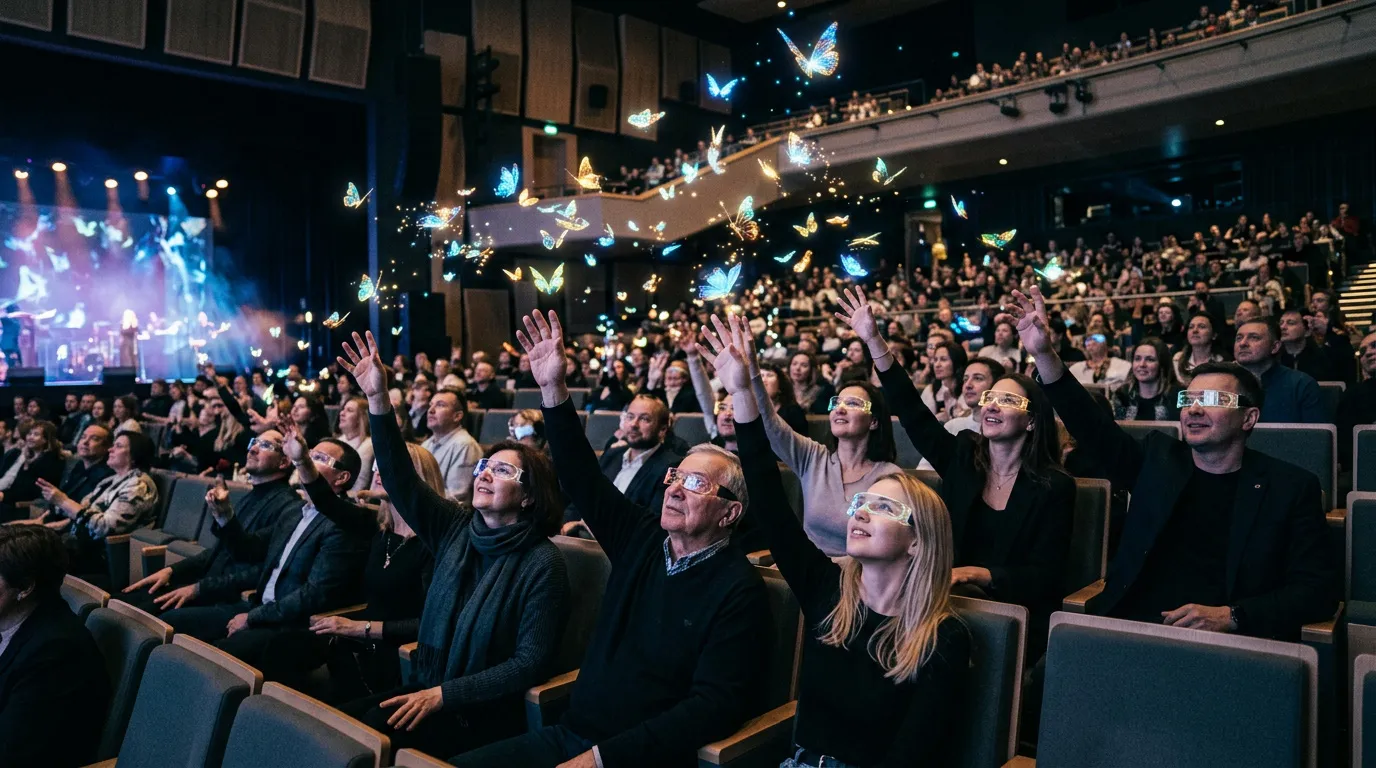
At the same time, the key question remains: where does AI assistance end and human creativity begin? Both risks and opportunities associated with neural networks are being debated globally. For now, audiences continue to recognize the authority of human creators, while viewing AI as a powerful assistant.