

Environmental Monitoring Moves Into Messaging Apps
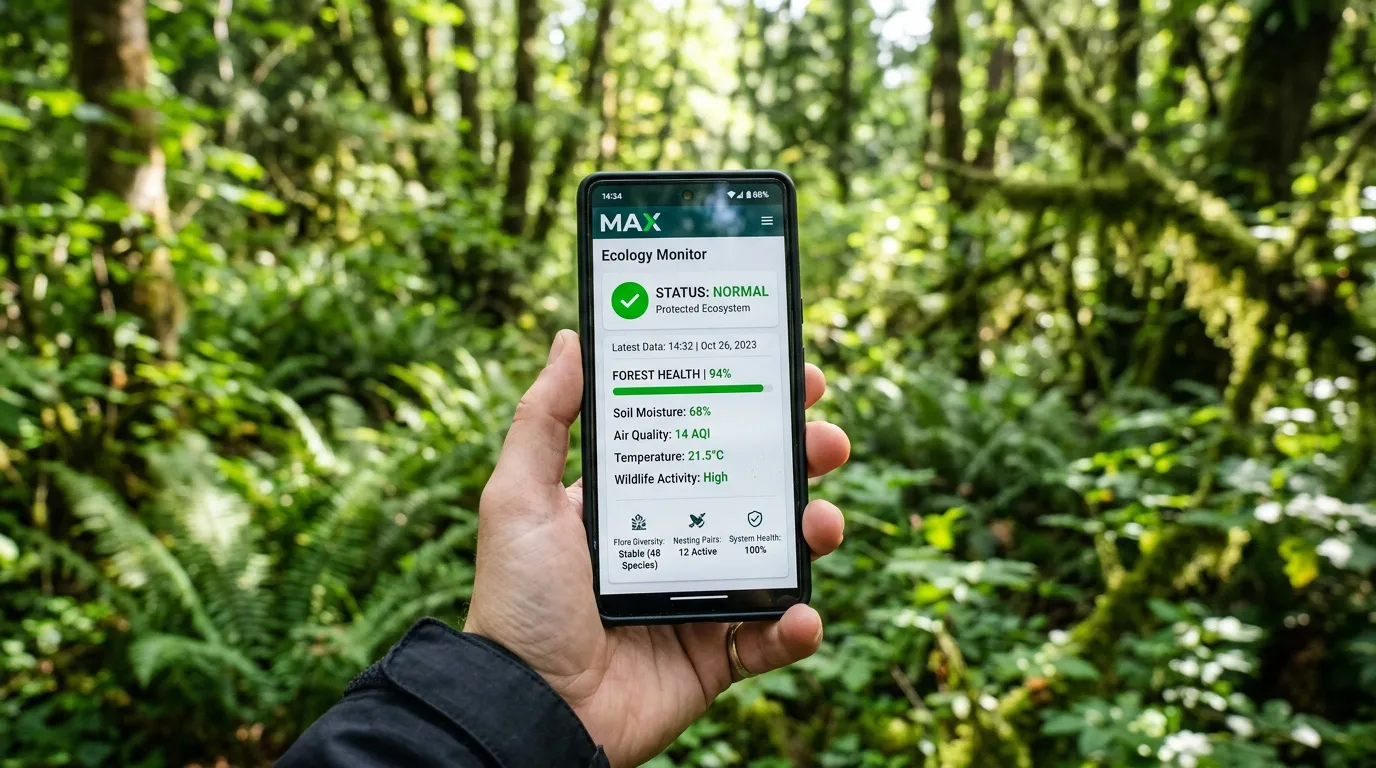
Notifications from the MTS Ekologiya (MTS Ecology) platform are now delivered via the MAX messenger, bringing real-time environmental alerts directly to responsible personnel.

Industrial enterprises and government customers connected to environmental monitoring systems will now receive critical alerts, including exceedances of pollutant concentration limits, adverse weather conditions, or equipment failures, not only via email or web interfaces. Alerts are delivered directly to a responsible employee’s smartphone through the MAX messenger.
As of September 1, 2025, the platform has been included in the list of mandatory pre-installed applications on all devices sold in Russia. As of March this year, the messenger has reached 100 million registered users and hosts 2.2 million public and private channels. MAX is now available to businesses and government organizations, enabling them to automate workflows through chatbots, launch mini-applications, and create communication channels. The platform is also emerging as a practical tool for industrial monitoring.
Data Networks
In 2024, the government approved the creation of FGIS Ekologicheskiy monitoring (Federal State Information System “Environmental Monitoring”), establishing the foundation for a nationwide environmental data infrastructure.
Meanwhile, MegaFon deployed a network of automated monitoring stations for carbon emissions on Sakhalin Island. Data from these sensors is transmitted in real time to the climate center at Sakhalin State University. Rostekh has implemented AI-based video monitoring to oversee urban waste container sites, while Rosatom launched an automated air quality monitoring station in the Krasnoyarsk region. The equipment tracks compliance with environmental standards and immediately sends data to centralized systems for analysis.
Companies are required to submit environmental data to FGIS Ekologicheskiy monitoring. When integrated with alert delivery via MAX, this creates a more complete digital environmental infrastructure. The faster information about regulatory threshold breaches reaches decision-makers, the higher the likelihood that incidents can be contained early, preventing escalation into large-scale environmental problems affecting nearby communities.
Digital Immunity
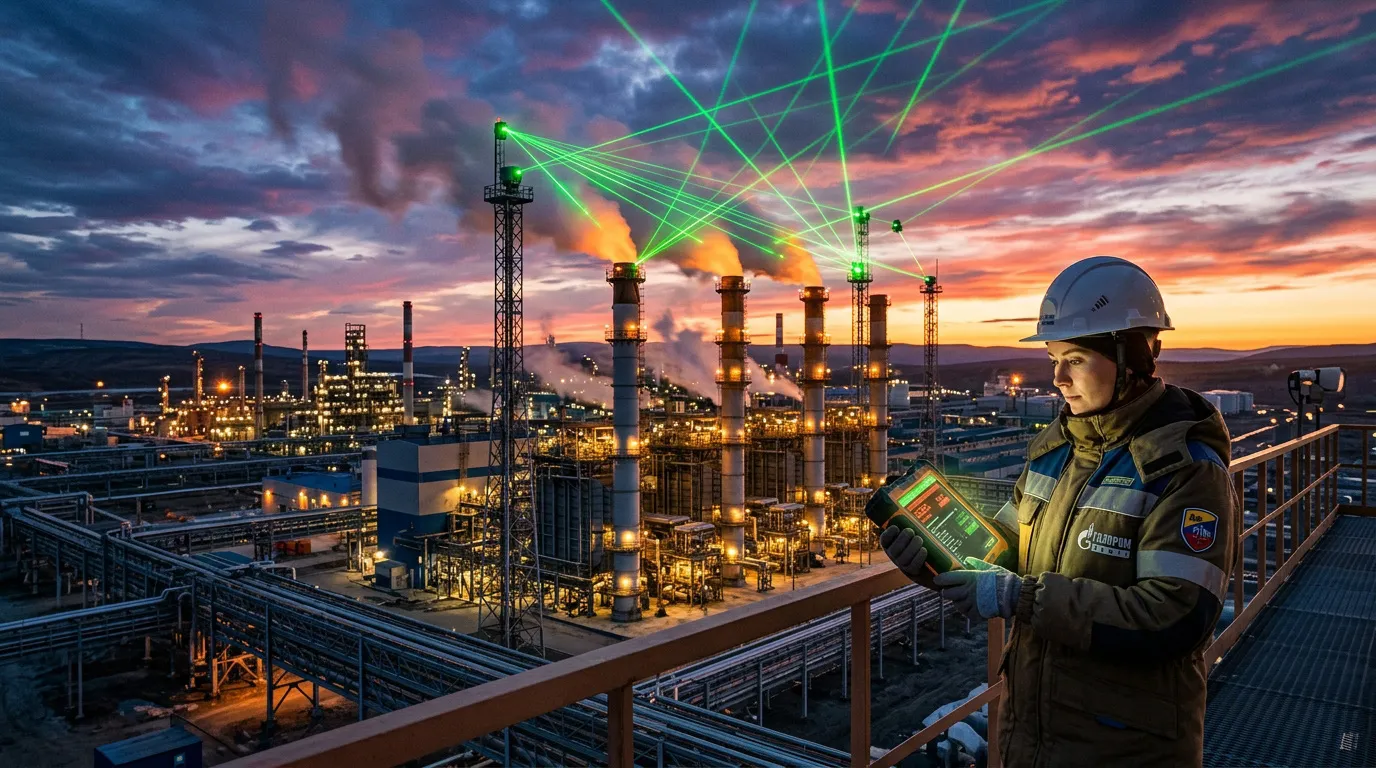
Reducing the time between an incident and the response of responsible services increases the chances that emissions or failures can be quickly contained and their impact minimized. In effect, industrial facilities gain a form of “digital immunity.” Russian companies and government agencies are aligning efforts to move environmental monitoring into real-time operation.
In the coming years, similar solutions are expected to expand across critical sectors, including heavy industry, metallurgy, chemicals, oil and gas, and utilities. Over time, simple alerting systems will evolve into predictive ones. By analyzing sensor data, weather conditions, and equipment performance, these systems will be able to forecast incidents before they occur.