

When Silence Becomes Distressing: Russia Rolls Out ICU Notification Service for Families
Across all adult multidisciplinary hospitals in Moscow, a service has been operating for two years that automatically notifies relatives when a loved one is admitted to intensive care, and then sends daily SMS updates with key health indicators. The system reduces anxiety for families and eliminates the need to call hospitals for information.
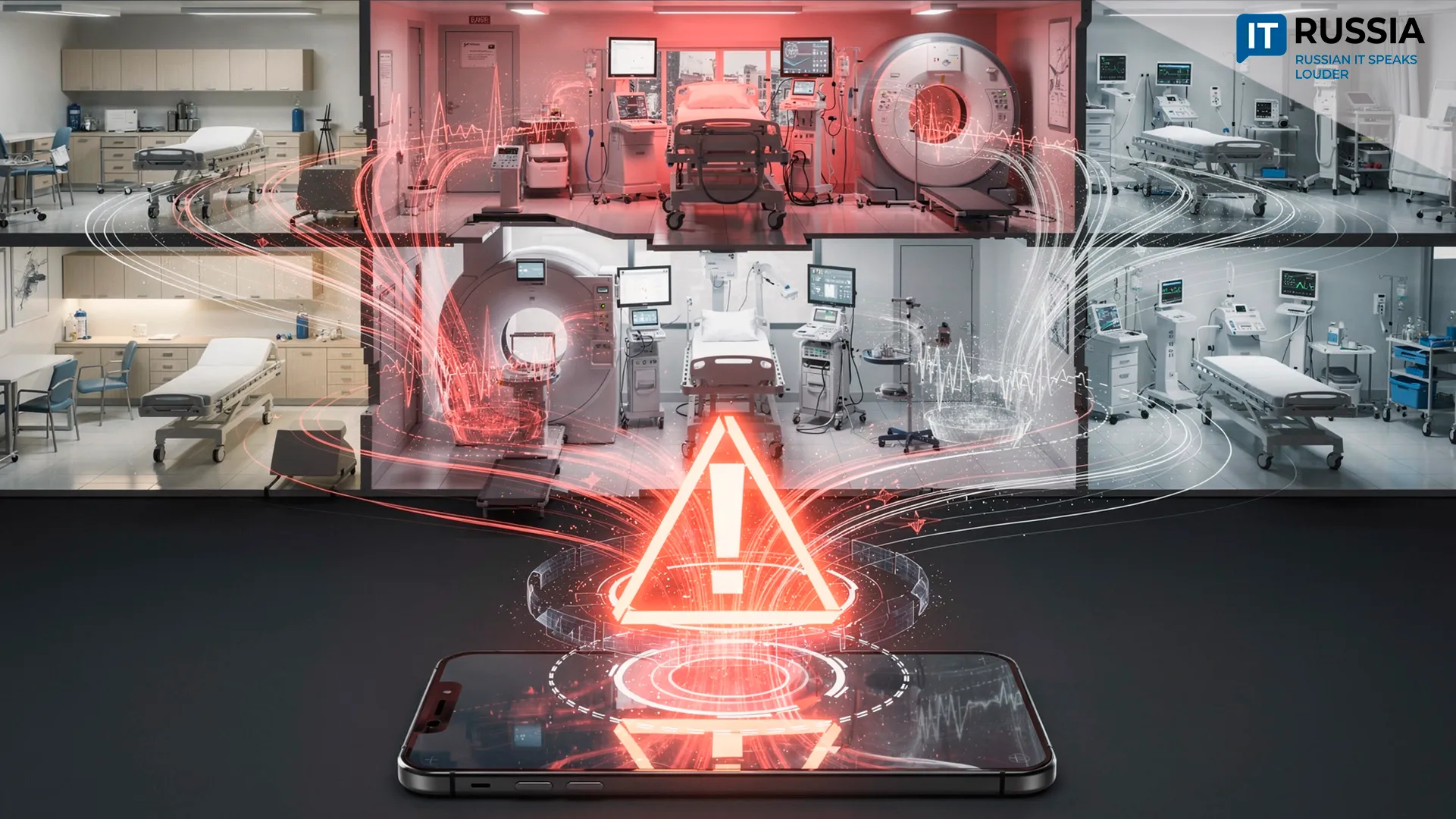
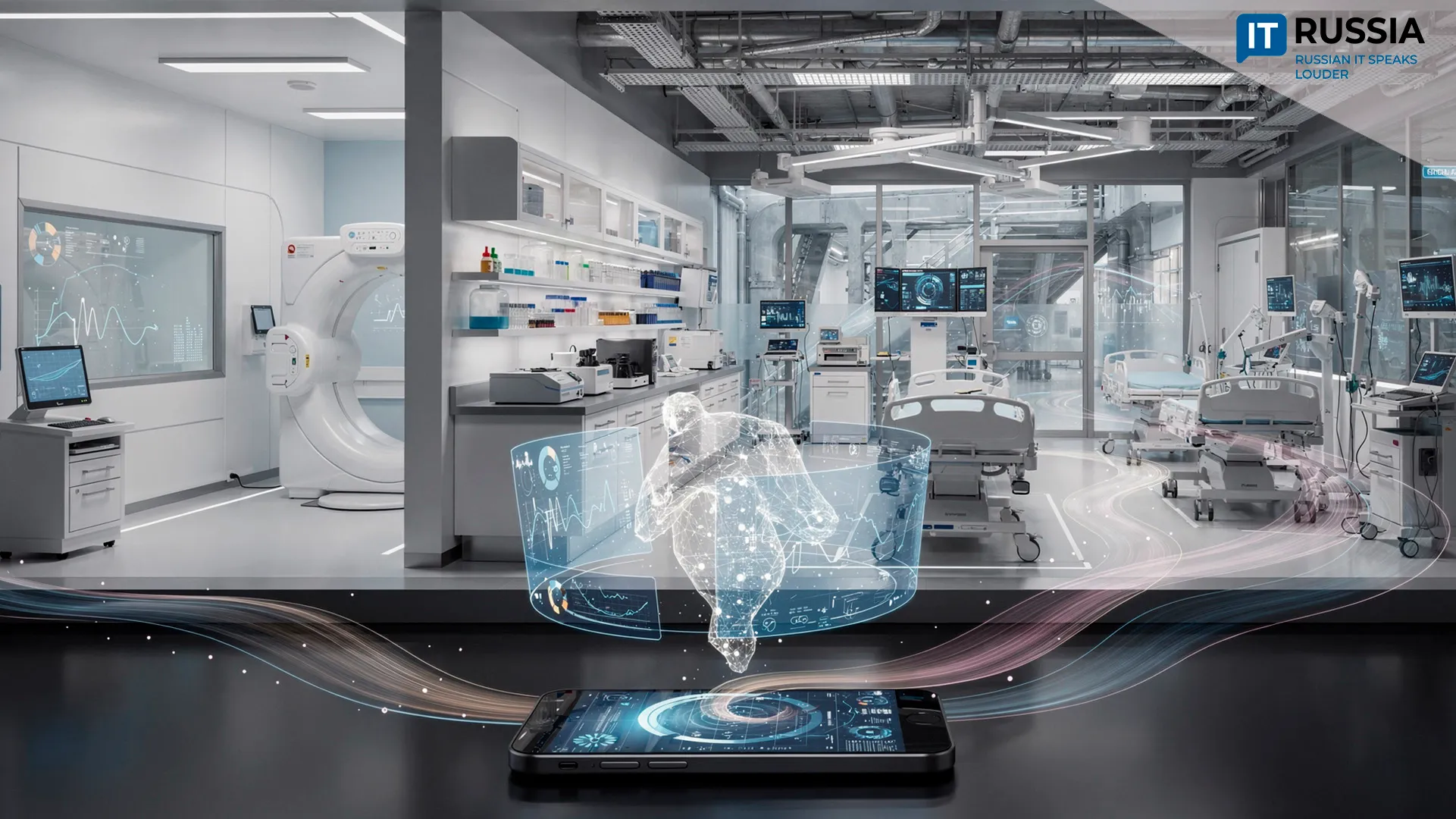
The notification system is embedded in the digital infrastructure of Moscow hospitals and linked to patient medical data. A relative’s phone number is provided when consent for medical intervention is оформлено, and access to ongoing updates is confirmed through the attending physician. After that, the patient’s relative can receive daily messages about their loved one’s condition, up to the point of transfer to another department or discharge.
As of March 2026, more than 300,000 such messages have been sent. The system has become part of routine care in a major metropolitan healthcare network.
More Than Technology
A loved one’s admission to intensive care is one of the most stressful situations people face. Doctors are focused on saving lives, access to ICU wards is restricted, and a phone becomes the only link to information. Even then, updates are not always immediately available.
As a result, families often experience prolonged anxiety, uncertainty, and emotional strain. The new system reduces part of this psychological burden. A person whose relative is fighting for life in a hospital ward is no longer left in complete uncertainty. Instead, they receive regular, understandable data: temperature, pulse, blood pressure, oxygen levels, and information about breathing and consciousness.
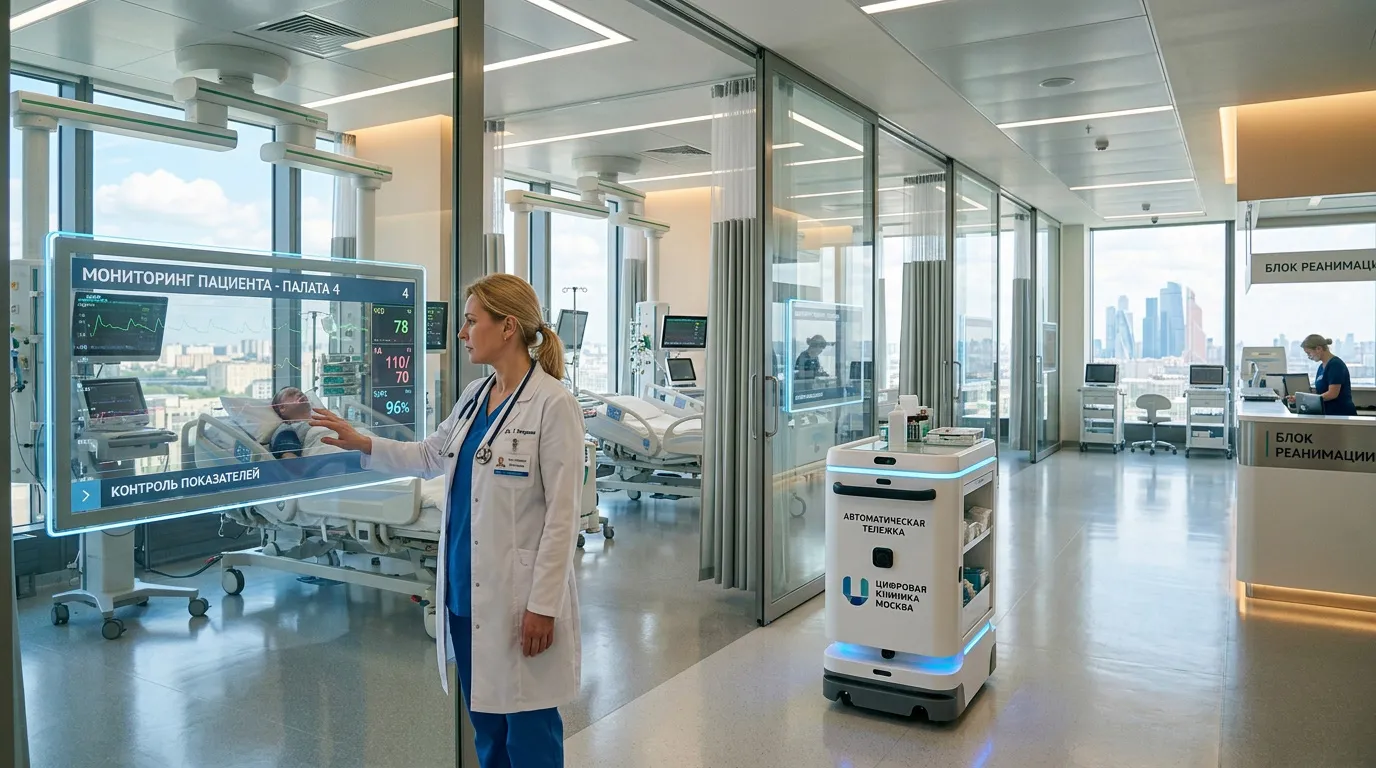
Of course, this does not replace direct communication with a physician, but it provides a sense of clarity and situational awareness. That, in turn, helps ease anxiety at a moment when it is most acute.
How It Supports Clinical Workflows
For medical staff, the service is not just a convenience but a tangible reduction in daily workload. Physicians and nurses are freed from a portion of routine calls and can focus more on patient care.
At the same time, communication does not disappear – it becomes more structured. Relatives receive baseline information automatically and reach out with specific follow-up questions rather than calling due to complete uncertainty. This is a key point: technology does not distance clinicians from people, but instead supports calmer and more effective interaction.
Human-Centered Digitalization
The new service being piloted in Moscow hospitals shows that digital health solutions are beginning to operate not only at the level of imaging analysis and diagnostics, but also at the level of human experience.
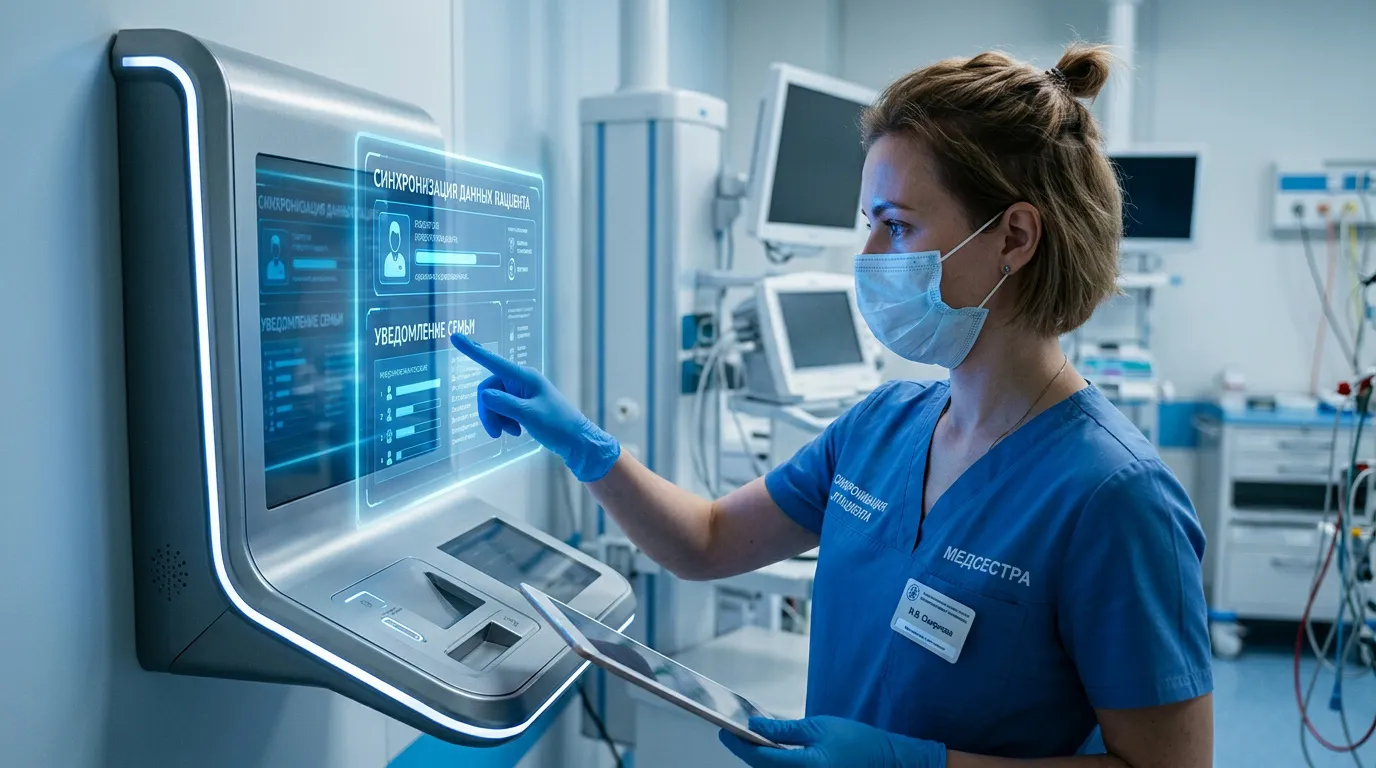
In recent years, Moscow has been actively building a digital healthcare model. Electronic medical records, unified monitoring systems, and interconnected services are being rolled out. Now, solutions are emerging that directly affect the experience of patients and their families. Healthcare is becoming not only more technologically advanced but also more accessible and understandable.
Why This Matters Globally
Internationally, there is growing emphasis on family-centered care, where attention extends beyond the patient to include their relatives. This is particularly relevant in ICU settings, where stress levels for families are extremely high.
Healthcare systems around the world are seeking ways to maintain communication between clinicians and relatives without overburdening staff. Digital notifications are one such approach. The Russian experience demonstrates how this can be implemented at the scale of an entire city, rather than within a single hospital.
Export Potential and Outlook
Solutions like this have a specific limitation: they cannot simply be packaged and sold as standalone products. They function only where a mature digital healthcare infrastructure is already in place. As a result, export potential lies not in the service itself, but in the broader model – how to build a healthcare system in which such tools can operate effectively.

Within Russia, the outlook is broader. As regional healthcare systems continue to evolve, similar services are likely to be introduced in other cities.
The notification system itself is also expected to evolve – moving from SMS toward secure channels integrated into electronic health records and mobile applications, with more flexible access controls for family members.
Digital healthcare is often seen as complex and removed from everyday life. In reality, its most meaningful impact appears in situations like these – when people are not left alone with uncertainty, when critical information is delivered automatically, and when clinicians can spend more time on treatment rather than phone calls.