Rosatom to Roll Out Platform Model for EV Charging Infrastructure
Owners of EV charging infrastructure can now connect to the RSZS IT platform, as Rosatom begins offering outsourced operator services designed to expand the commercial potential of charging networks.

Rosatom Charging Station Network (RSZS) – a subsidiary of Rosenergoatom, which is part of Rosatom’s energy division – has been actively building out its own charging network. The company has now opened its industry IT platform to third-party operators, allowing them to connect their stations.
As a partner for the pilot project, another Rosatom subsidiary, Atomdata-Innopolis, was selected. The company operates its own data center in Tatarstan and will take over responsibility for building and maintaining the technological backbone.
Charging station owners will need to sign a contract and connect to the platform. In turn, RSZS will handle reliable cellular connectivity, integration with a mobile application, 24/7 equipment monitoring, and technical support.
This means private companies that own charging stations will no longer need to develop their own software or build telecommunications infrastructure. Payments are made based on completed charging sessions, making the service fully transparent.
Growth Point for Industrial Software and Export Potential
Given the rapid growth of Russia’s EV charging market, demand for such a service could be substantial. One of the main challenges for infrastructure owners – including developers, shopping centers, hotels, and municipalities – lies not in purchasing and installing equipment, but in managing its ongoing operation, including payment processing and remote monitoring.
The solution offered by Rosatom significantly lowers the barrier to entry for new market participants. At the same time, the system’s development acts as a catalyst for the domestic IT sector. Developers are incentivized to build hardware and software compatible with an already established platform.
Despite strong competition in international markets, Rosatom’s solution also carries export potential, particularly in countries where the corporation is already implementing large-scale projects.
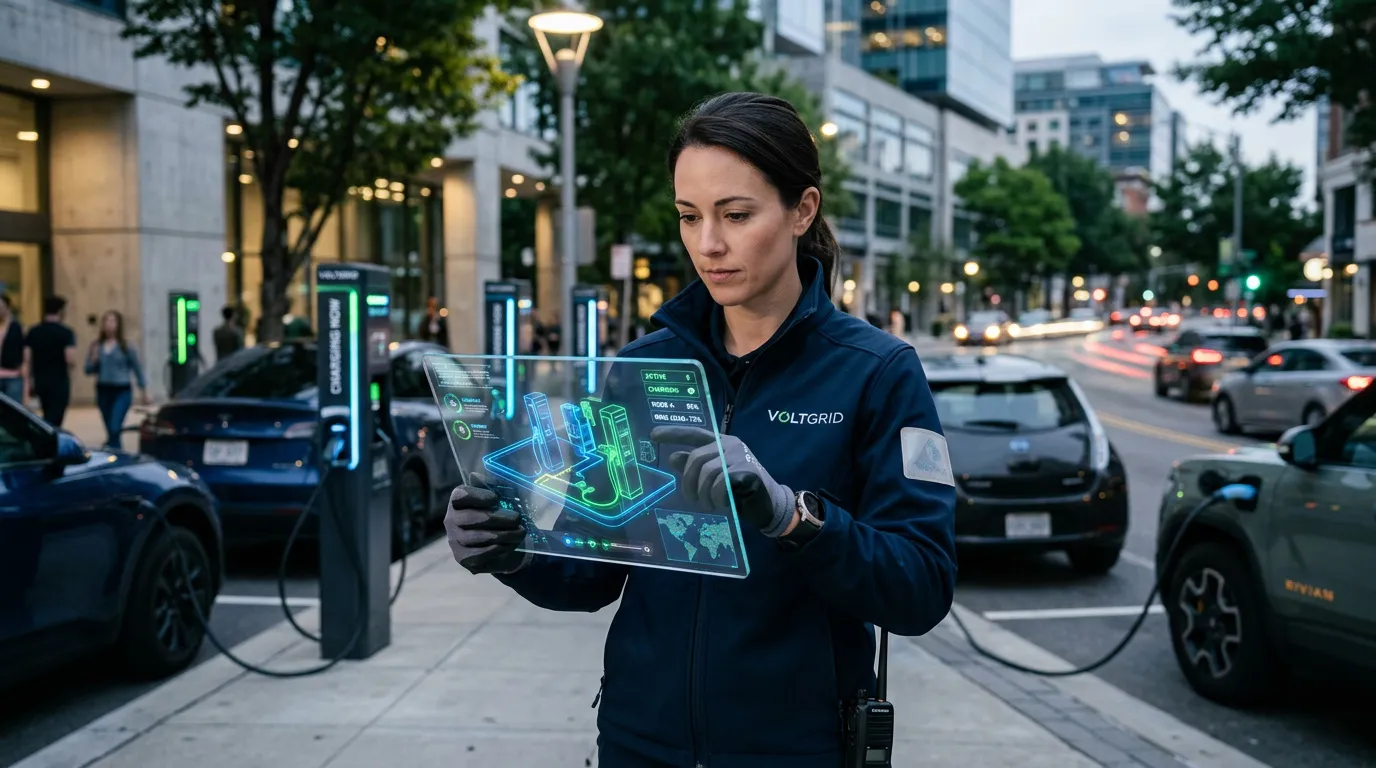
From Hardware to Services: How the Market Is Evolving
Rosatom’s move to onboard third-party operators onto its platform follows both its own strategic direction and broader market trends in EV charging infrastructure. In 2025, Rosatom partnered with Yandex’s EV-focused business unit, Yandex Electro, to launch a joint initiative. Yandex integrated Rosatom charging station data into its services, while large-scale data analytics are now being used to predict high-demand locations for new station deployment.
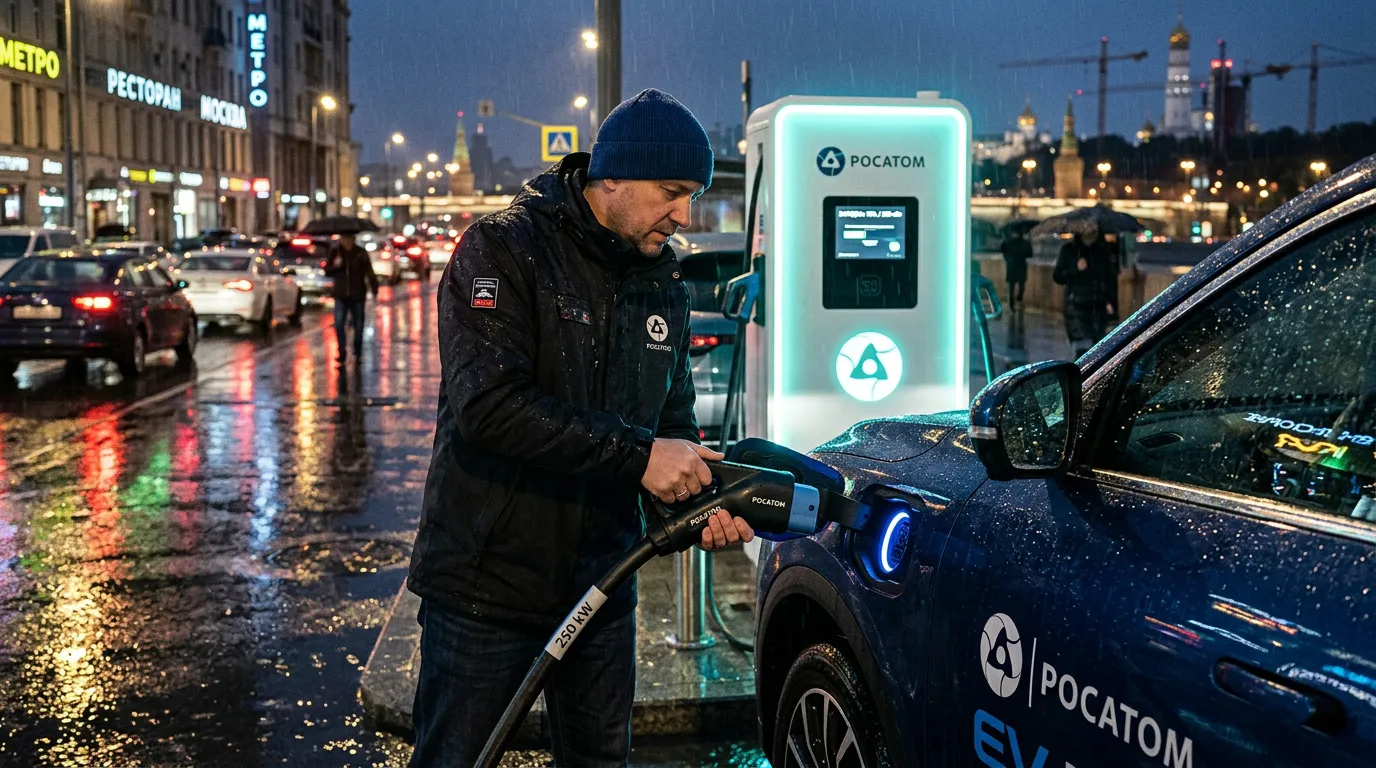
By the end of 2025, Rosatom had already installed 250 charging stations across 15 regions. It also launched its first fast-charging stations in Moscow.
Market Maturity and Platform Expansion
By 2023, Rosatom plans to expand its own network to 11,000 EV charging stations across 53 regions. However, opening its IT platform to private operators signals a broader understanding: the market cannot be scaled by a single player alone. The move supports the development of alternative charging networks, improves accessibility for EV owners, simplifies the user experience, and ensures consistent service nationwide.

In the near term, the model is expected to scale further, with more players joining the platform. In practice, this is not just a new service launch, but the formation of a digital management system for EV charging infrastructure that could evolve into a full-fledged export-grade IT product.