Neural Network Trained to Detect Faults in Three-Phase Induction Motors
Researchers at HSE University have developed a method called Signature-Guided Data Augmentation (SGDA) that allows neural networks to detect motor faults from current signals, even when real-world failure data is scarce.
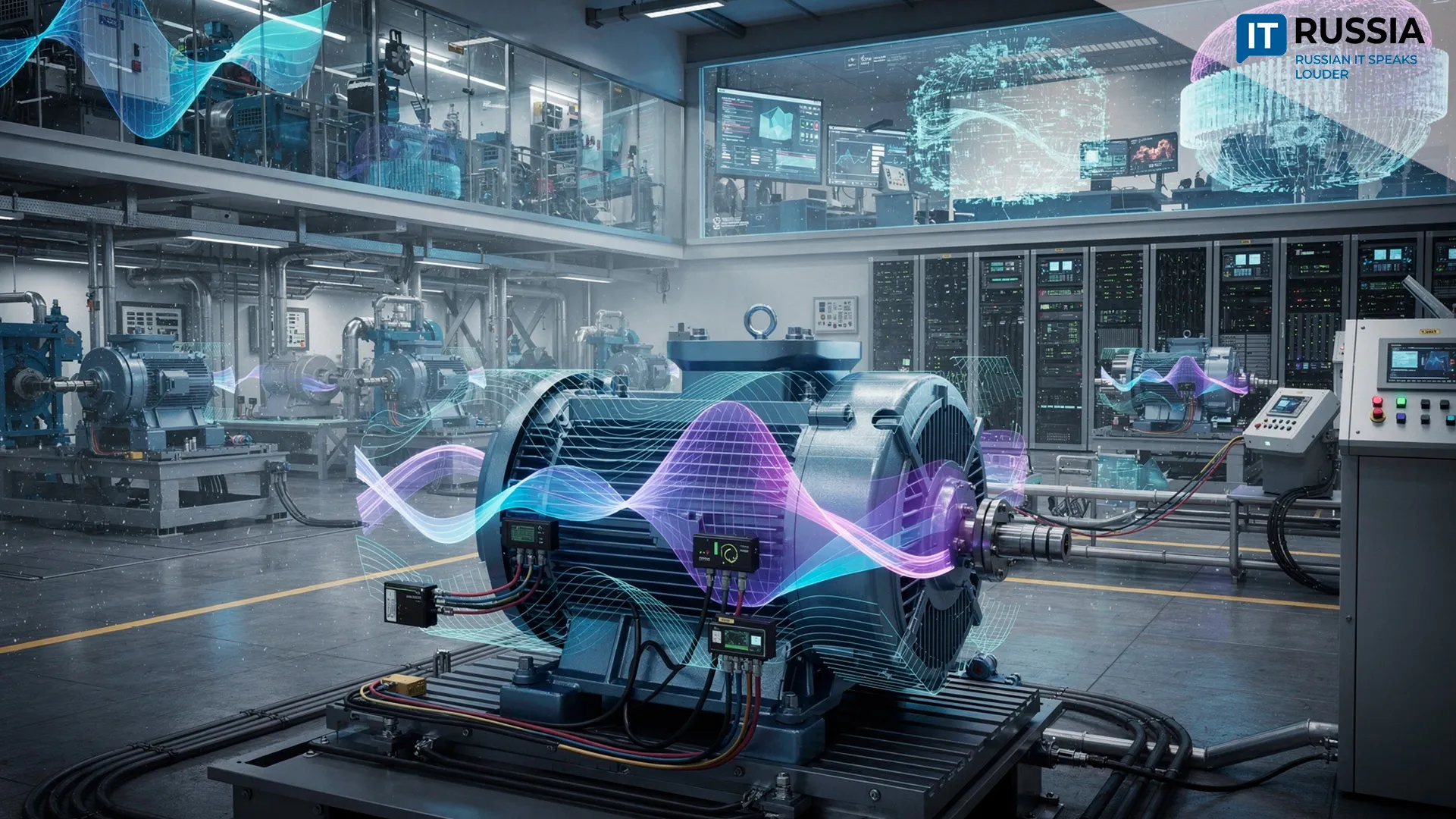
Three-phase induction motors are the backbone of modern industry. They power pumps, compressors, conveyors, and ventilation systems used in steel plants, municipal water systems, and automotive manufacturing lines. Even minor disruptions or failures in these systems can halt production and lead to significant economic losses.
Today, engineers typically diagnose faults manually by analyzing electrical current signals. They examine frequency patterns to identify signatures associated with specific failures. This process requires careful tuning: engineers must isolate relevant frequencies, test multiple parameters, and interpret the results. It is time-consuming and labor-intensive.
Machine learning offers an alternative. But training such systems requires data showing how motors behave under fault conditions. In real industrial environments, such data is limited, leaving algorithms without enough examples to learn from.
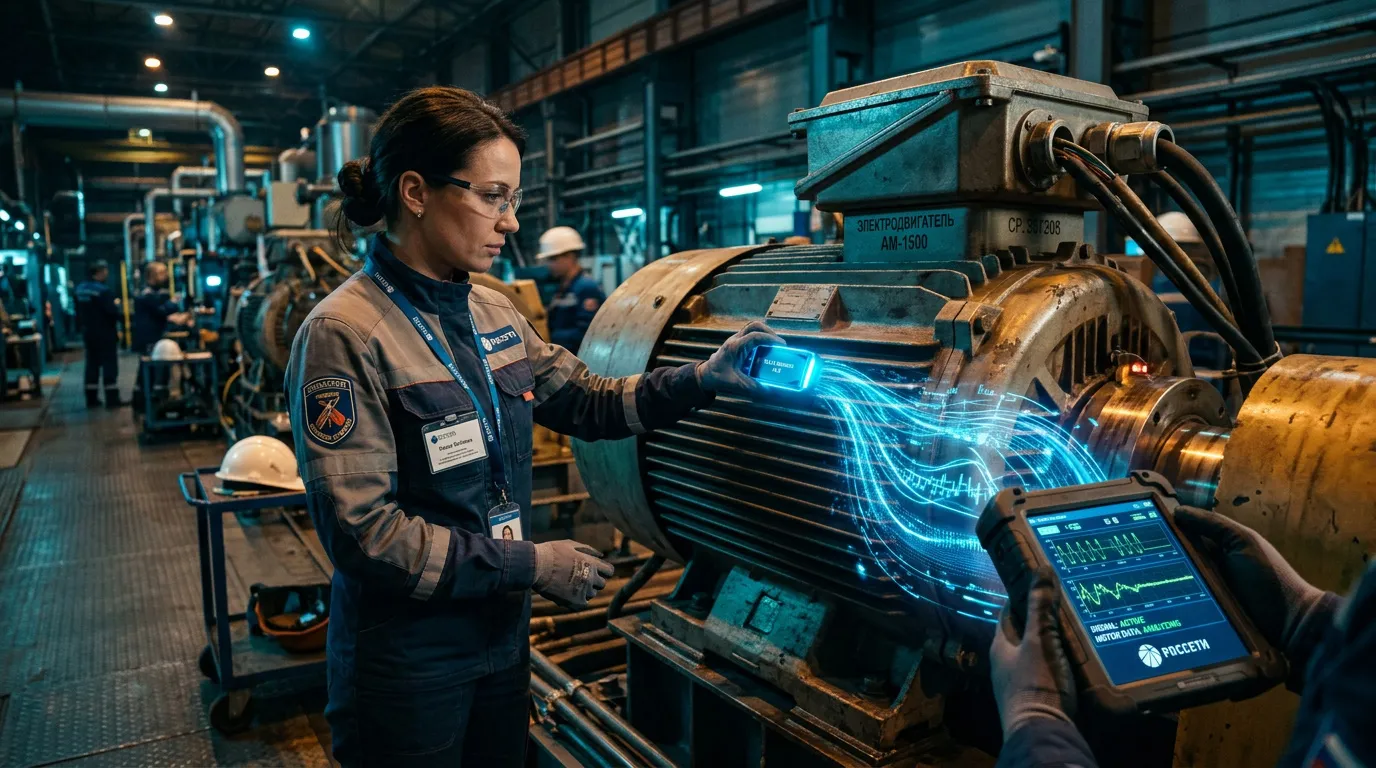
Automated Diagnostics With Near-Perfect Accuracy
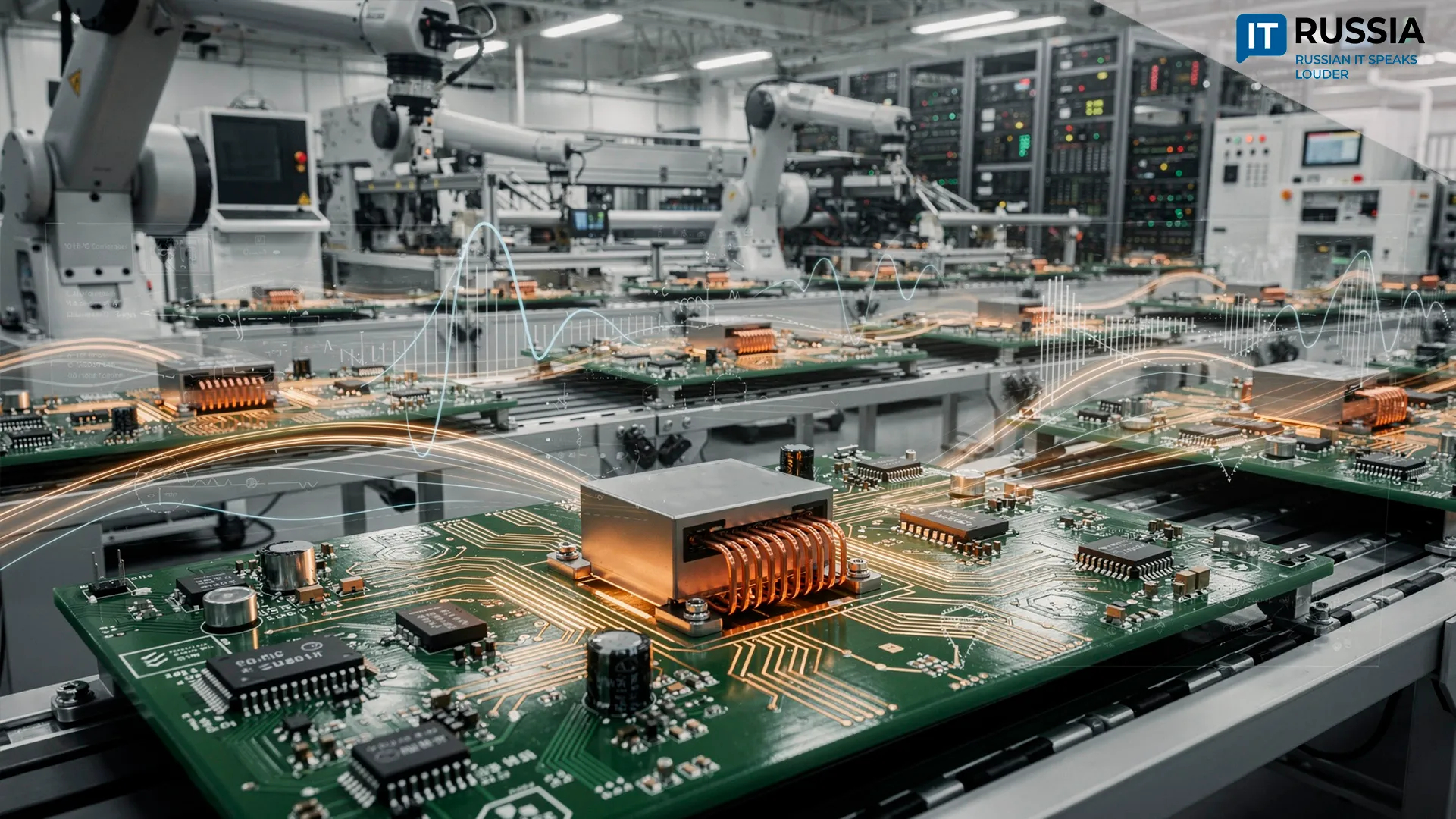
Researchers at HSE University’s Faculty of Computer Science – Artyom Ryzhikov, Saraa Ali, Alexander Khizhik, Stepan Svirin, and Denis Derkach – addressed this constraint by developing a method that simulates faults in the signal of a healthy motor. The approach introduces specific frequency components that mimic real defects. This allows a neural network to learn how to recognize failures without relying on large datasets of real аварий. As a result, manual diagnostics can be replaced with automated detection systems that operate with near-perfect accuracy.
The method can be applied to motors with different specifications. It requires only baseline data describing normal operation, after which the system identifies deviations automatically. This enables earlier fault detection, before equipment reaches a failure point.
In practice, this can reduce maintenance costs, minimize downtime, and improve operational safety. The researchers plan to validate the method across a broader set of motors and test it in real industrial environments.

Implications for Russia’s Industrial AI Sector
The significance of this development lies in its practical application of AI within industrial digitalization workflows. Demand for industrial IT solutions in Russia is increasingly driven by systems for equipment monitoring, data acquisition, and predictive analytics. Experts estimate that the market grew by 8 to 12 percent annually in 2024 to 2025, and demand from manufacturing industries for digital technologies could reach 587.5 billion rubles (around $6.5 billion) by 2030.
Why the Technology Matters
Deploying this approach can reduce the number of accidents and production shutdowns while stabilizing critical infrastructure, including water systems, energy networks, utilities, and transport. For enterprises, it lowers repair costs, improves equipment safety, and reduces unplanned downtime. At the national level, it strengthens capabilities in industrial AI, accelerates import substitution, and supports broader digital modernization. Internationally, the method offers a scalable model for equipment diagnostics in contexts where collecting large volumes of real failure data is difficult, expensive, or unsafe.
A Path Toward Deployment and Export
The SGDA method is well positioned for integration into the predictive maintenance market. Its key advantage is adaptability: it can be applied to motors with different parameters, requiring only baseline operational data to begin monitoring for anomalies. This makes it particularly relevant for companies that lack historical failure datasets, which remains a major barrier to adopting AI in industry.
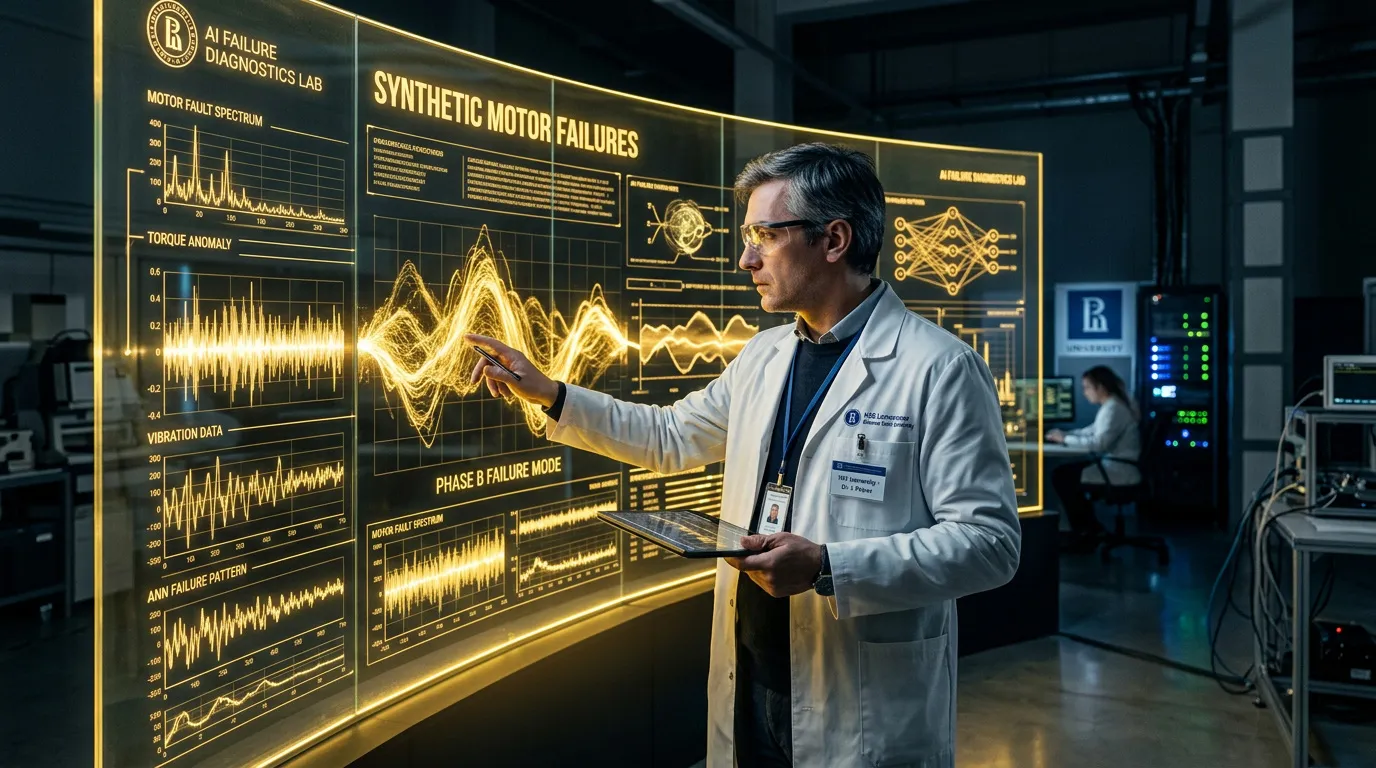
The technology also has export potential. In global markets, integrated solutions outperform standalone algorithms. The most viable pathway is embedding the diagnostic module into SCADA, MES, or IIoT platforms, industrial controllers, or digital twin systems. Partnerships with Russian industrial software developers, system integrators, and engineering companies could support this strategy.
Beyond “AI for Motors”
The HSE approach reduces both the cost and complexity of deploying predictive diagnostics by removing dependence on rare and expensive failure data.
It addresses one of the core challenges in predictive analytics: the lack of real-world failure datasets. If validated across a wider range of motors and in real production settings, the method could form the basis for applied diagnostic services across multiple industries.