Arctic Airship Goes Autonomous
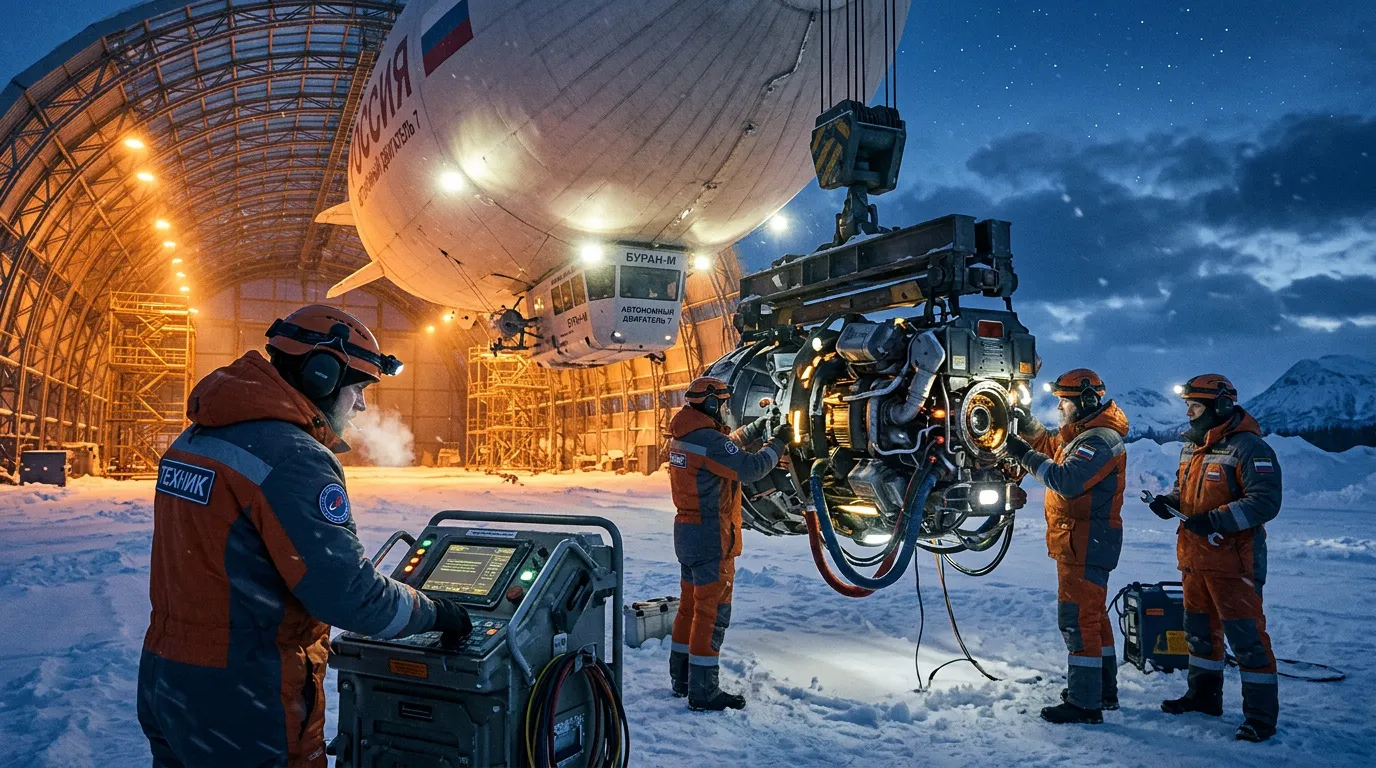
Yakutia is preparing to assemble a working prototype of an unmanned airship with a volume of 200 cubic meters to deliver cargo to Arctic regions.

The airship is intended to serve as an additional delivery channel for regions where traditional logistics are too expensive, seasonal, or dependent on complex infrastructure. The projected payload capacity of the aircraft being developed in Yakutia is about 500 kg. This would enable the transport of medical supplies, mail, food, and small batches of equipment to settlements that are difficult to reach by land.
Return of the Airship
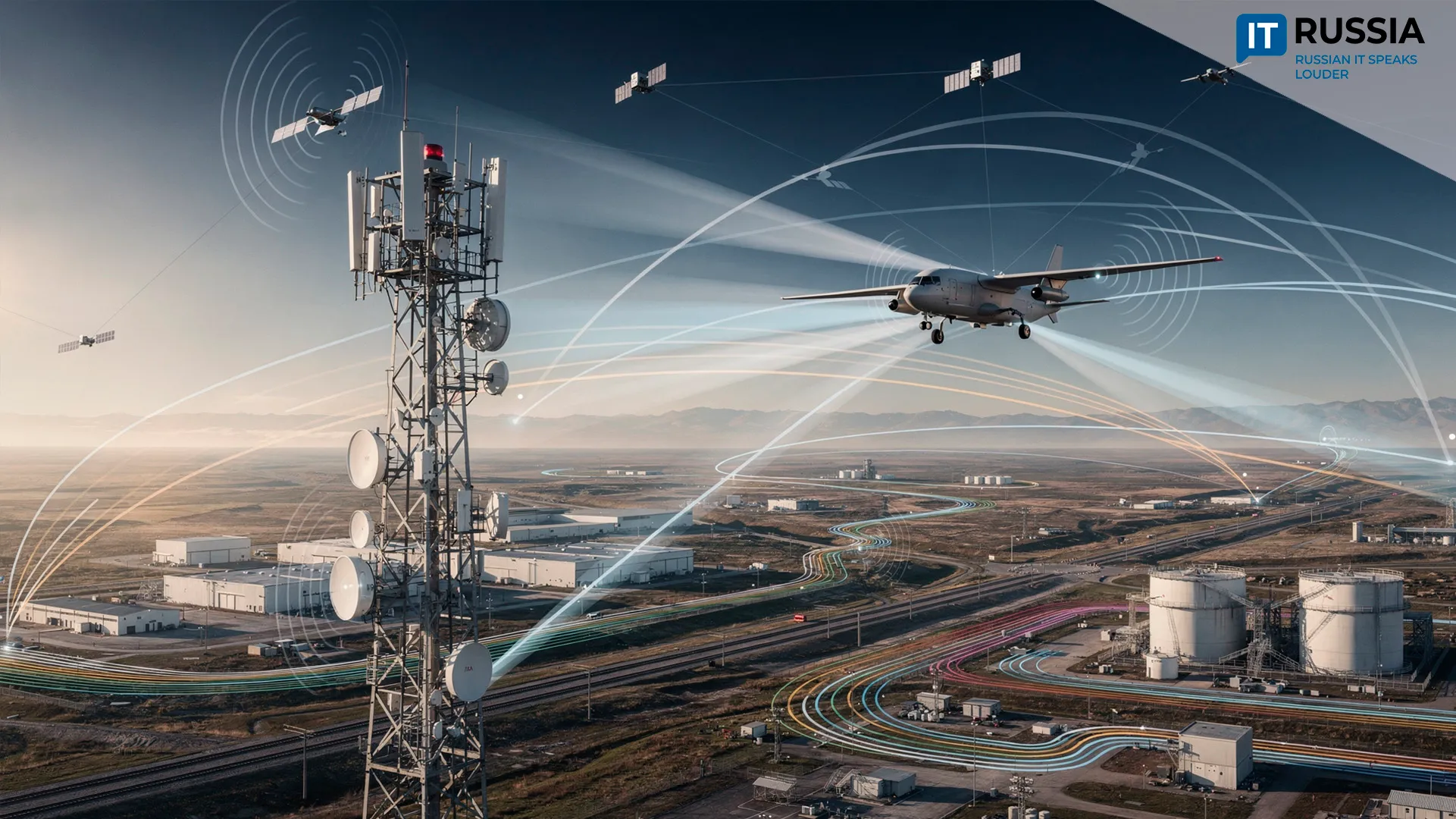
The first flight of the prototype is scheduled for this year. The system will operate within the coverage area of the MTS network, which will provide communication for controlling the unmanned vehicle. The objective is to validate autonomous flight along predefined coordinates: the system will receive a route from point A to point B and follow it without pilot involvement.
Developers face significant technical challenges, including ballast control, mooring, and operation in harsh weather conditions. In the Arctic zone, strong winds are a critical factor that must be accounted for.
The project carries strategic importance. For Yakutia, it represents an effort to establish a new logistics model for northern supply deliveries and the shoulder seasons, when traditional routes are particularly vulnerable. For the country, it serves as a test of unmanned aeronautics in the Arctic, where delivery costs and complexity are exceptionally high. Supplying northern territories affects millions of people and involves tens of billions of rubles annually.
Development Outlook
The primary opportunity lies in creating an additional delivery channel where existing logistics are inefficient. In Yakutia, officials explicitly note that unmanned systems and amphibious vehicles could reduce the cost of northern deliveries and lower storage expenses in extended supply chains that, in some areas, can stretch up to three years.
If testing proves successful, this could mark the first step toward a broader logistics system that reshapes Arctic supply chains, making deliveries more regular, safer, and less dependent on environmental conditions.
From an export perspective, Russian technologies in this area show potential, though not in the near term. If Yakutia demonstrates that the airship can withstand wind, extreme cold, ballast challenges, and autonomous control requirements, such experience could attract interest from regions with similar geographies, including northern Canada, Alaska, parts of Scandinavia, and remote mining and energy projects.

Path to an Arctic Airship
The concept of an unmanned airship has been developing in Yakutia for several years. In 2022, the republic first announced plans to build an airship with a 500 kg payload capacity. In 2023, the “Sever” Research and Education Center publicly discussed Tiksi as a potential transport hub for testing Arctic airships.
At the same time, the Advanced Research Foundation launched work on the wind-resistant “Skipper” airship for remote areas and resource development. Its projected parameters are significantly larger than the Yakut prototype, with payloads measured in tens of tons and a range of up to 3,000 kilometers. In 2024, the Arctic Russia portal recorded renewed interest in unmanned airships for polar regions. By 2025–2026, Yakutia had already become a testbed for real-world unmanned logistics: the “Air Crossing” project established regular UAV routes between settlements. This demonstrates the region’s ability to move unmanned delivery from concept to operational deployment.

Yakutia as an International Testbed
The project highlights Yakutia’s broader technological strategy: the region is systematically developing solutions for its Arctic logistics challenges while positioning itself as a testing ground for unmanned transport systems.
A demonstration working model is expected this year. The project is part of the broader program of the “Sever” Research and Education Center, but the path to commercial deployment will be long. For Arctic conditions, it is not enough to build an aircraft – it must prove resilience to wind and extreme cold, the safety of autonomous operations, economic viability, and integration into real logistics chains.
Russia is actively exploring new transport models for its Arctic regions. If trials are successful, Yakutia could become one of the first regions in the country where heavy unmanned aerial platforms are treated not as experimental technology, but as a practical component of northern logistics.