HSE Researchers Teach Computers to Predict Electronics Overheating
Engineers from the Moscow Institute of Electronics and Mathematics at HSE University have developed an automated system for calculating thermal operating modes in electronic devices.
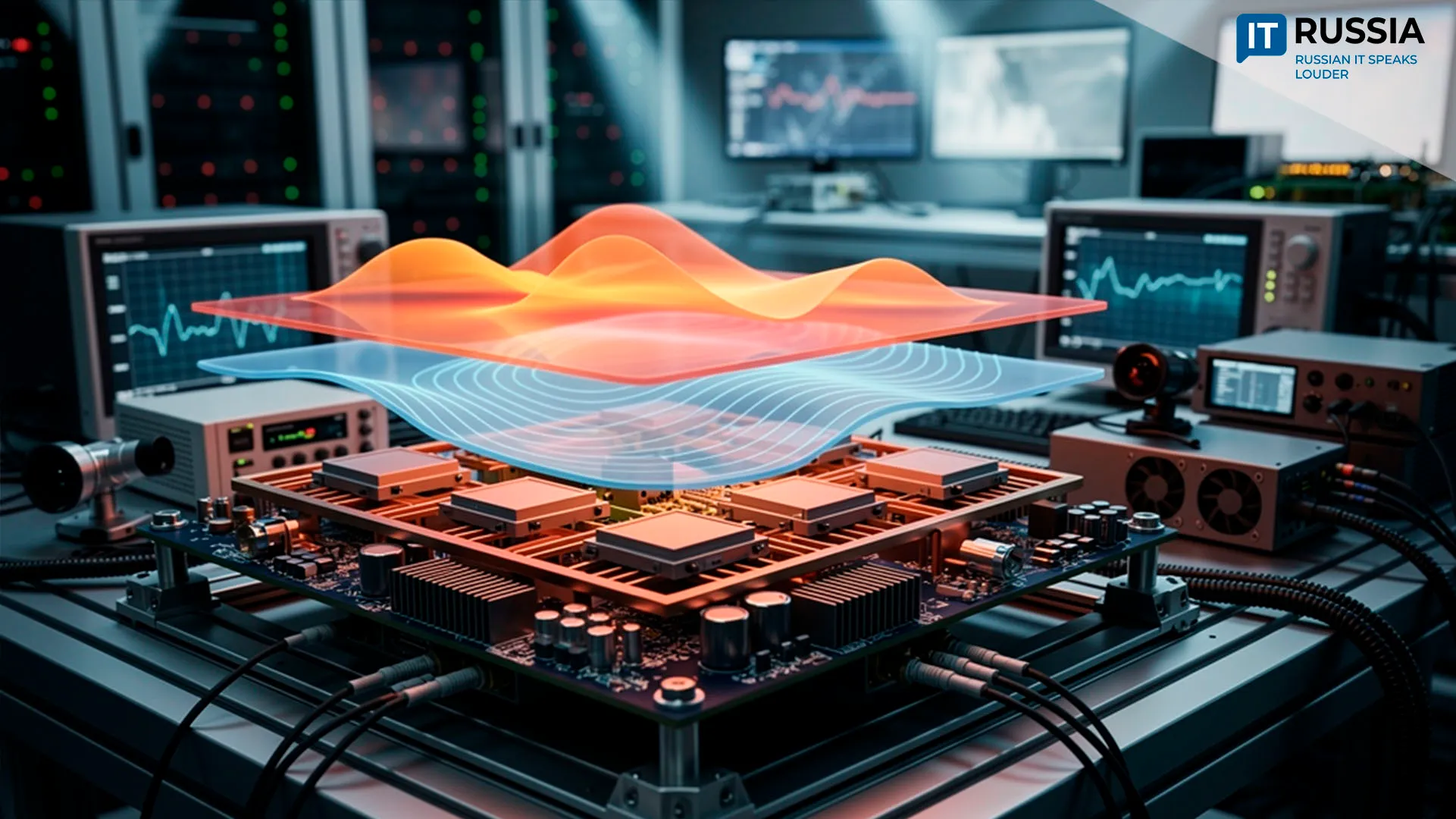
The new methodology accelerates the prediction of component overheating by five to ten times compared with traditional approaches, allowing engineers to identify potential design weaknesses already at the engineering stage.
When electric motors, industrial installations or any equipment containing high-power electronics operate, heat generation is unavoidable. Transistors – especially power MOSFET devices – heat up as electric current flows through them, while rapid temperature fluctuations during switching cycles cause changes in component parameters.
Over time these effects lead to material degradation and equipment failure. To extend the service life of electronic systems, engineers must predict how components will heat under real operating conditions and design appropriate cooling solutions.
Traditionally, two approaches have been used for such calculations. The first involves detailed three-dimensional modeling using software packages such as ANSYS, FloTHERM or Comsol. This method provides high accuracy but requires significant computing resources and time. Building a model of a printed circuit board with all thermal interactions could take several days. The second approach uses SPICE-based simulators with simplified thermal models. It runs faster but often fails to account for the real design characteristics of the board and the cooling system, which reduces the reliability of the prediction.
Combining Speed and Accuracy
Researchers at the Moscow Institute of Electronics and Mathematics at HSE University proposed combining the advantages of both methods in a unified multi-level system. Its architecture is based on automated data exchange between the different software modules.
The Comsol package is used for detailed modeling of semiconductor devices together with their packaging in order to refine component thermal characteristics. These data are then transferred to a SPICE simulator to analyze the electrical circuit while accounting for both electrical and thermal parameters. At the final stage, the ASONIKA-TM system calculates the heating of the entire printed circuit board and the temperature distribution across its components.
A key element of the development is a set of software tools that automate the calculation of power dissipation and the transfer of temperature data between modules. Previously, engineers had to manually export results from one software package to another – a process that could take hours and sometimes introduce errors. The new system performs these operations automatically.
Testing the Method in Practice
To validate the methodology, the researchers tested the system on a real printed circuit board used in a stepper motor driver – a device that controls motor rotation at a specified speed. The board includes high-power MOSFET transistors that generate significant heat during operation. The results of computer modeling were compared with thermal imaging measurements taken from the real board under load. The discrepancy proved minimal, confirming the reliability of the method.
Previously such calculations required extensive manual configuration. Engineers can now predict potential board overheating roughly five to ten times faster, allowing them to adjust the design and cooling conditions much earlier in the development process. This significantly reduces development costs.
Implications for Industry
The new methodology is particularly important for sectors where electronics failure can have serious consequences, including energy systems, industrial equipment, power electronics and transportation infrastructure. Rapid identification of thermal bottlenecks during the design phase helps engineers avoid costly redesigns after prototype production. This shortens the development cycle for electronic modules and improves their reliability without increasing dependence on foreign engineering software.
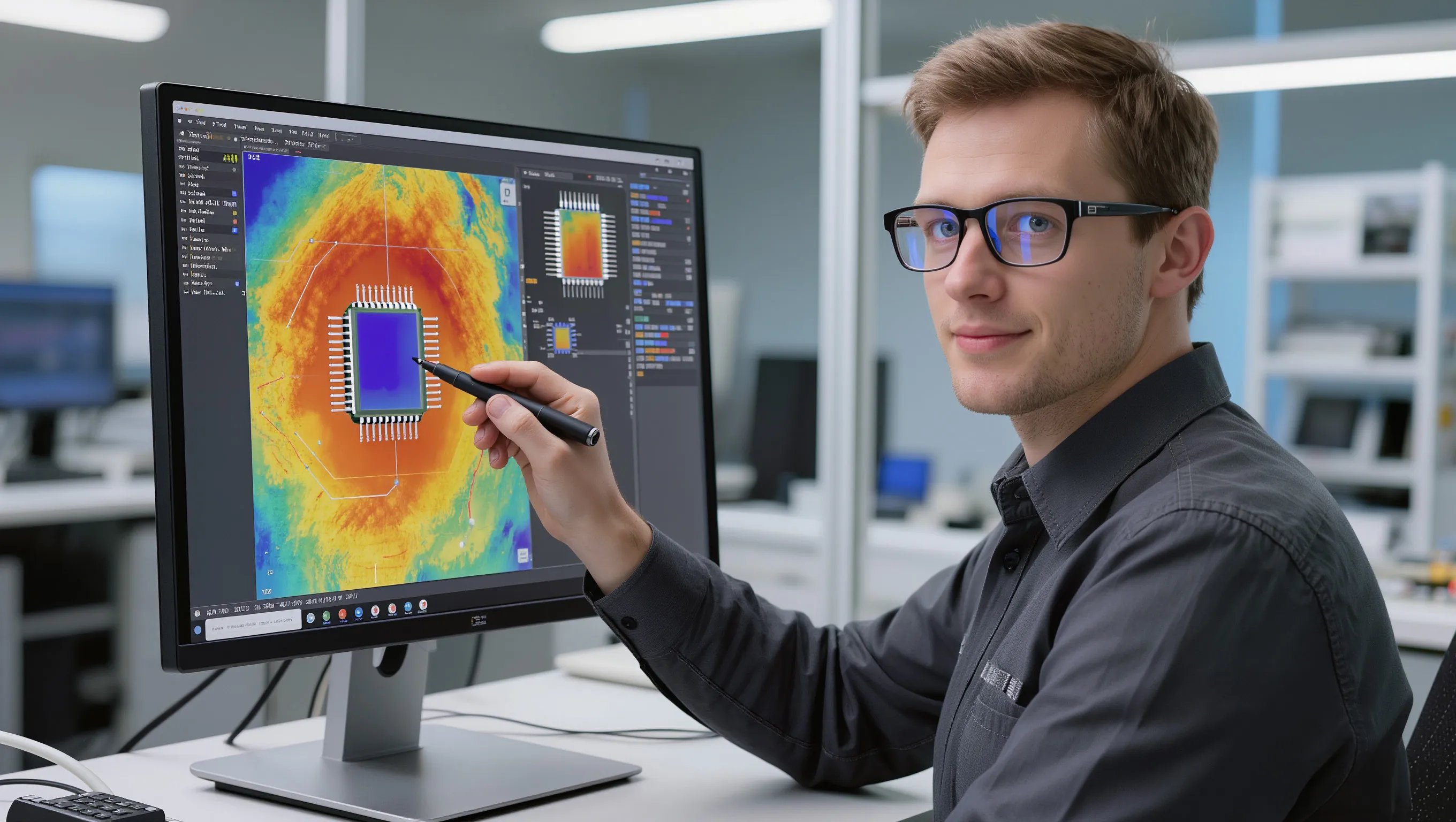
The research was conducted within the HSE University project Tsifrovaya Transformatsiya: Tekhnologii, Effekty, Effektivnost (Digital Transformation: Technologies, Effects, Efficiency) under the national Priority-2030 program. The results of the study were published in the journal Russian Microelectronics.
Strengthening technological sovereignty in electronics begins not only with the production of components but also with the creation of domestic engineering tools used to design them.