Smart Sports Centers: AI Helps Manage Athletic Facilities in the Moscow Region
The Moscow Region is expanding its “Smart FOK” initiative, a project designed to manage sports facilities using artificial intelligence. Since 2024, sports complexes have gradually been integrated into a system that relies on neural networks and intelligent cameras to track visitor flows and generate operational data.
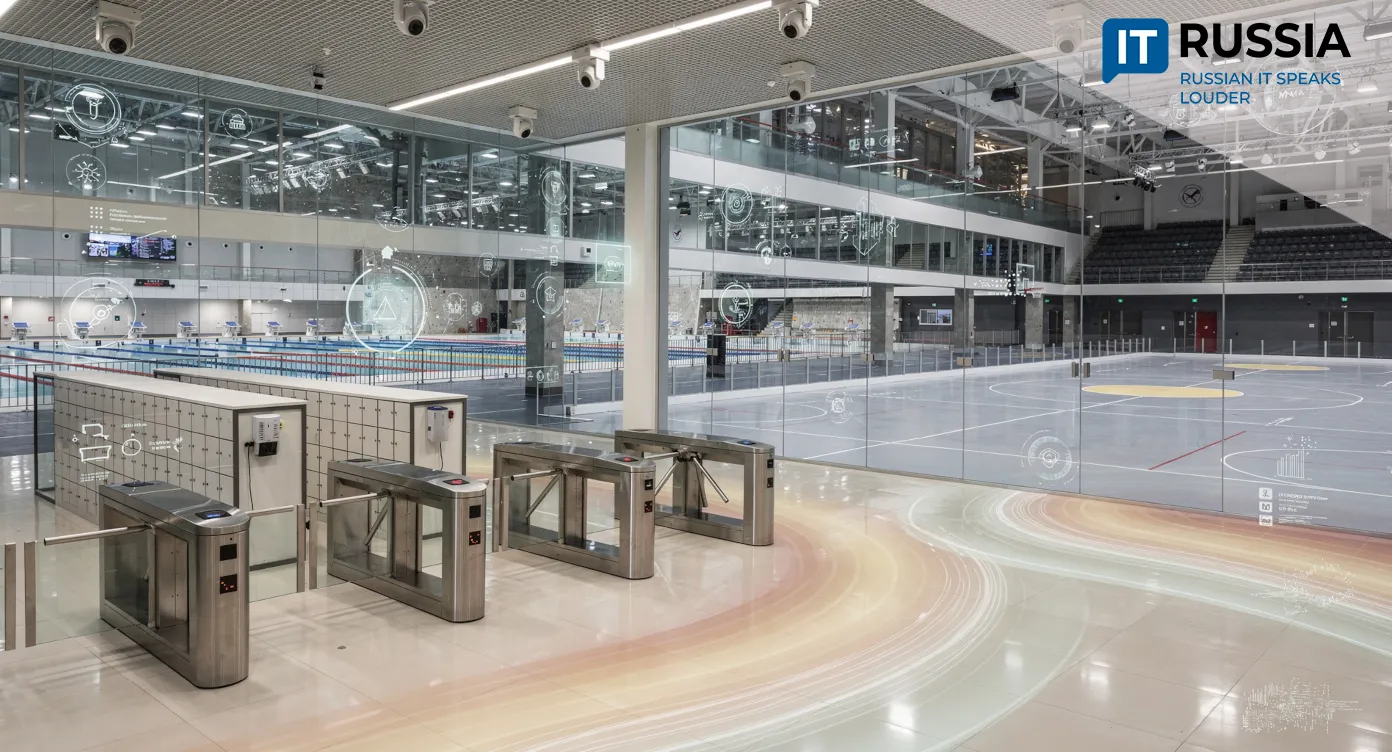
AI analytics help facility managers plan the operation of swimming pools, ice rinks and multipurpose sports halls more efficiently – evaluating real occupancy levels and improving both accessibility and the overall use of sports infrastructure.
Intelligent Monitoring for Better Access
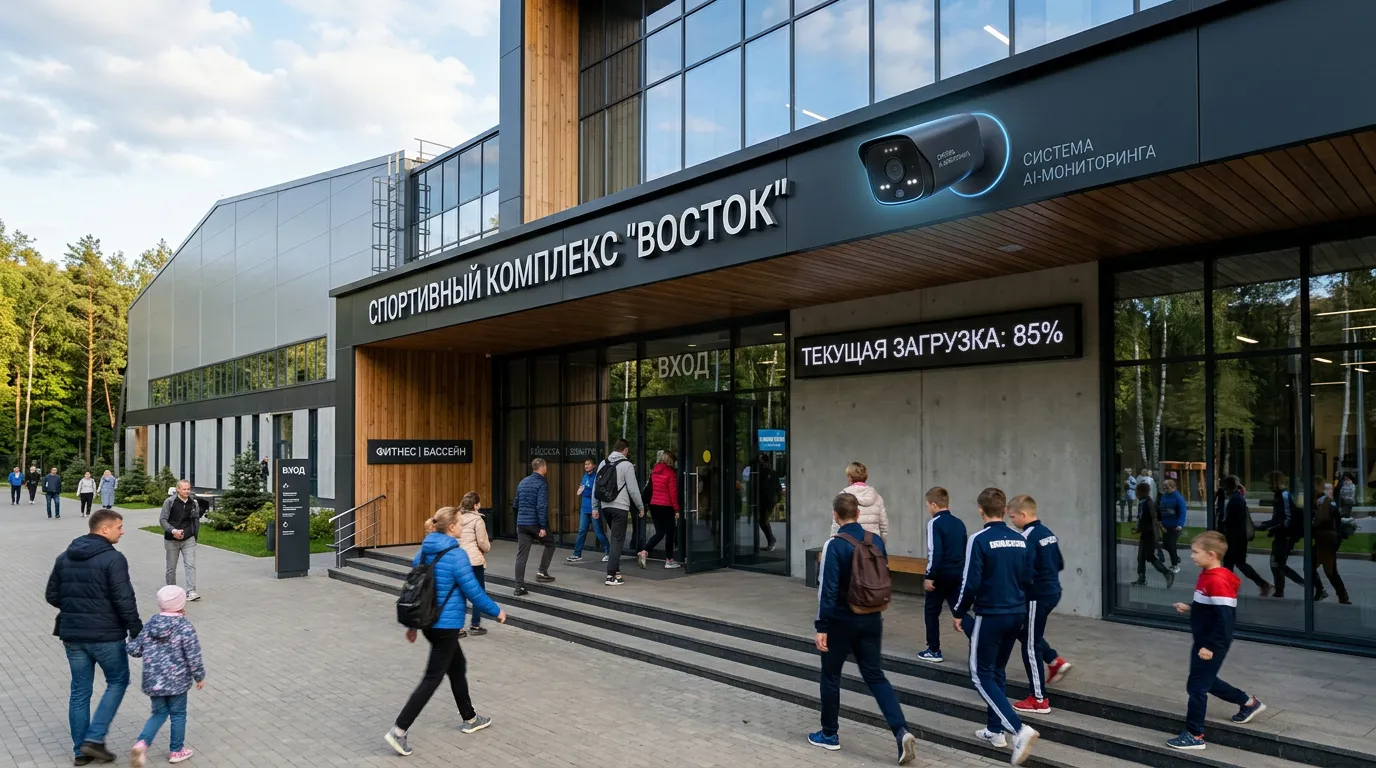
The Moscow Region operates around 500 sports complexes. About 200 of them are already equipped with smart cameras that automatically count visitors and send data to the automated information platform My Sport. The result is an objective picture of how facilities are used – identifying when a hall is underused and when it is operating at full capacity. With that data in hand, administrators can adjust schedules or redistribute sports programs between venues.
The pilot phase of the Smart FOK program is currently nearing completion in the city of Istra. There, actual utilization of sports complexes has reached 112 percent of their planned capacity. Behind those figures are more than 5,000 residents who regularly participate in 36 different sports programs.
From Data Collection to Automated Recommendations
Sports facilities that have not yet been digitized will also be equipped with video analytics systems. Later this year, artificial intelligence is expected to begin generating automated recommendations to improve the operational efficiency of sports centers. At present, these analyses are performed manually by administrators.
The Smart FOK project represents an important stage in the development of smart city infrastructure, where video surveillance data becomes a core tool for managing urban services. Across Russia, more than 80 million people already participate in sports and fitness activities. The Ministry of Sports aims to increase that number to more than 90 million by 2030. Improved infrastructure management can make everyday training more comfortable – reducing queues for locker rooms and allowing coaches to devote more attention to each athlete. Facial recognition systems also strengthen security by automatically alerting emergency services if unfamiliar or potentially dangerous individuals appear on the premises.

A Model for Nationwide Deployment
The management model used in the project is designed to be flexible enough for different types of facilities, from school swimming pools to private fitness clubs. The Smart FOK system has already been recognized as a successful initiative at the federal level and is being implemented in several other regions, including Bashkortostan as well as the Kurgan, Tomsk and Bryansk regions.
In the future, video analytics platforms may be integrated with government service portals and municipal digital platforms such as Smart City systems. This would allow residents to sign up for sports programs with a single request, while the system automatically recommends available time slots based on real-time facility usage. Neural networks could also learn to forecast attendance by factoring in weather conditions and local events. That capability would allow administrators to adjust schedules in advance and optimize operational costs, including utilities and staffing.