

Space Communications Blocks More Than 350 Attempts to Disrupt Russian Satellites
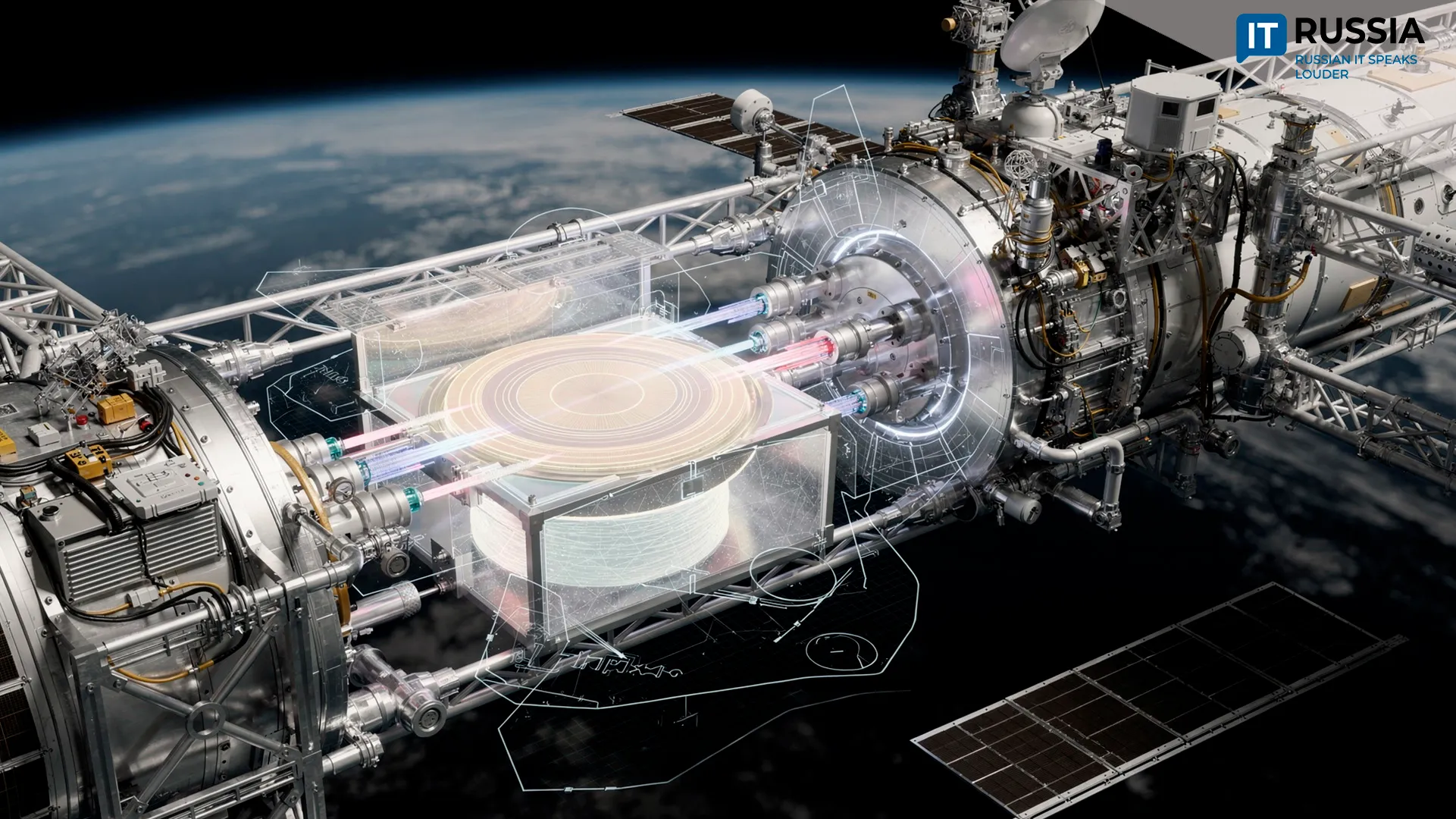
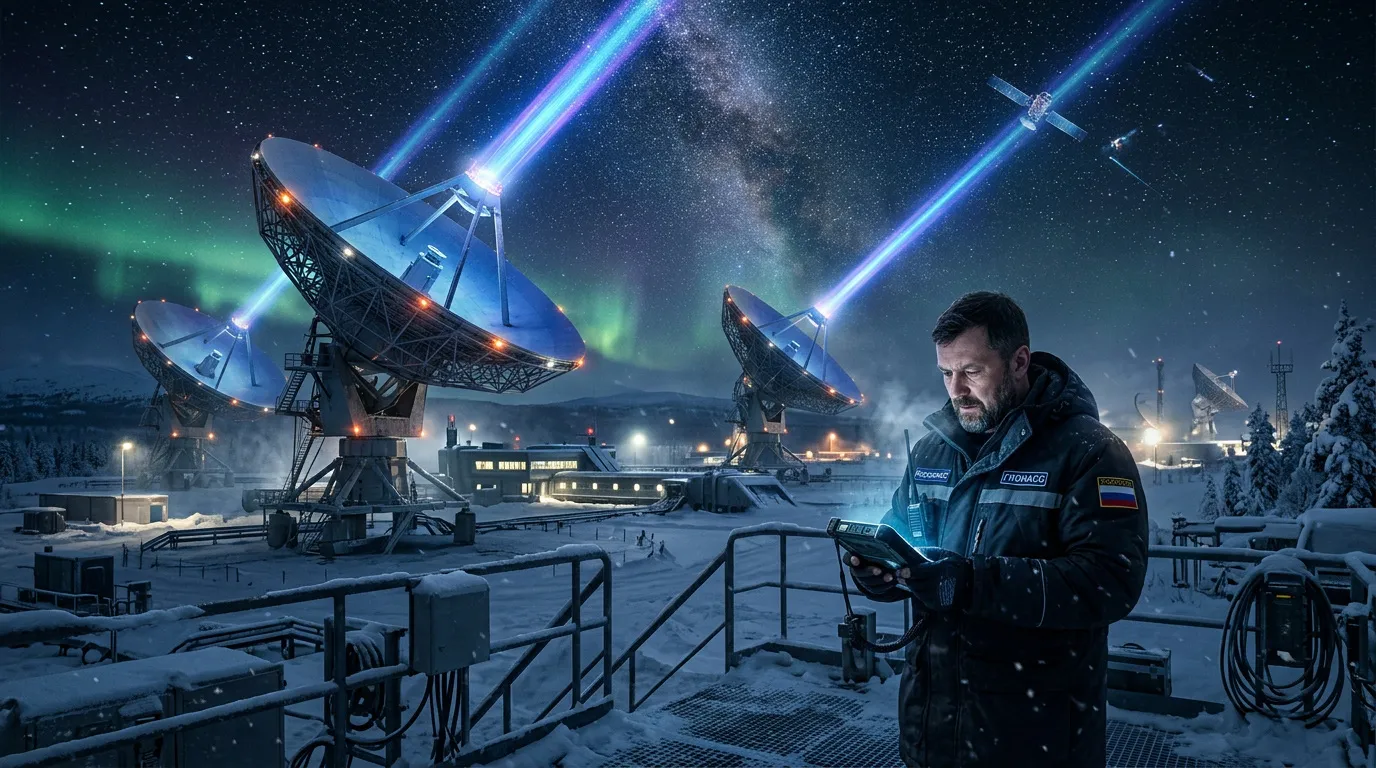
Federal State Unitary Enterprise Kosmicheskaya svyaz (Space Communications) repelled more than 10,000 attacks on its resources in 2025. The company also prevented more than 350 attempts to interfere with satellite operations, according to CEO Alexey Volin.
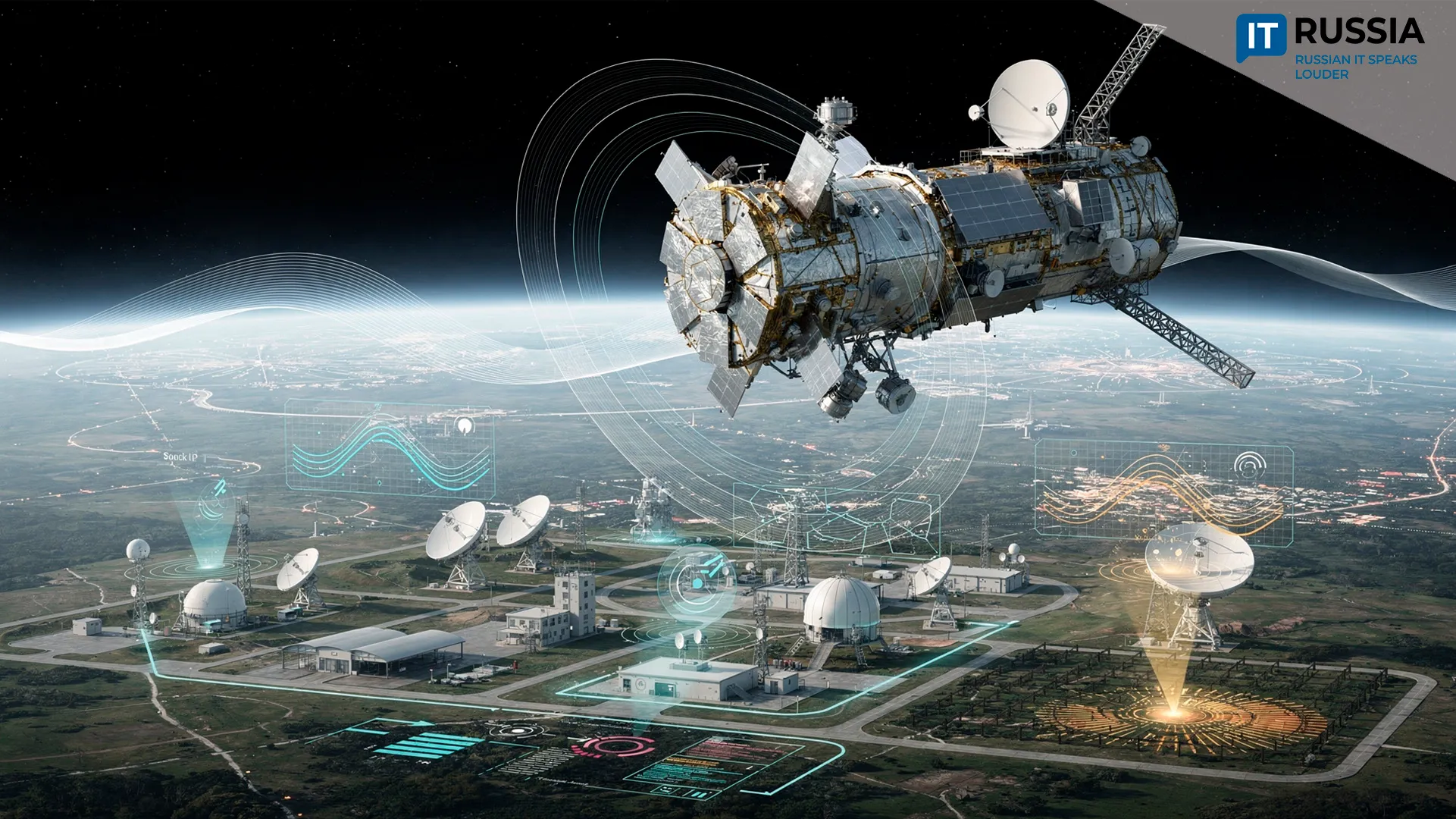
For Russia’s IT sector, this serves as a notable case of operational effectiveness at the intersection of telecommunications, cybersecurity, space technologies, and radio monitoring. It reflects growing demand for domestic solutions in securing and backing up communication channels, incident analysis, and ensuring the resilience of critical infrastructure. At the same time, the industry is intensifying efforts to renew its satellite constellation and replace foreign technologies, requiring in-house IT and cybersecurity capabilities.
At the national level, the data reported by Kosmicheskaya svyaz strengthens the case for investing in sovereign satellite infrastructure and secure communication channels. Against plans to replace eight satellites by 2030, it underscores the importance of expanding orbital assets and designing them from the outset to withstand interference and cyber threats.
For citizens, the benefit translates into more reliable connectivity in areas where satellite links are essential – remote regions, transport systems, and backup networks. The key factor is the operator’s ability to maintain stable service even under external pressure. Russia’s experience aligns with a broader global trend in which satellite communication security is becoming a core component of digital sovereignty.
Toward an Integrated Technology Product
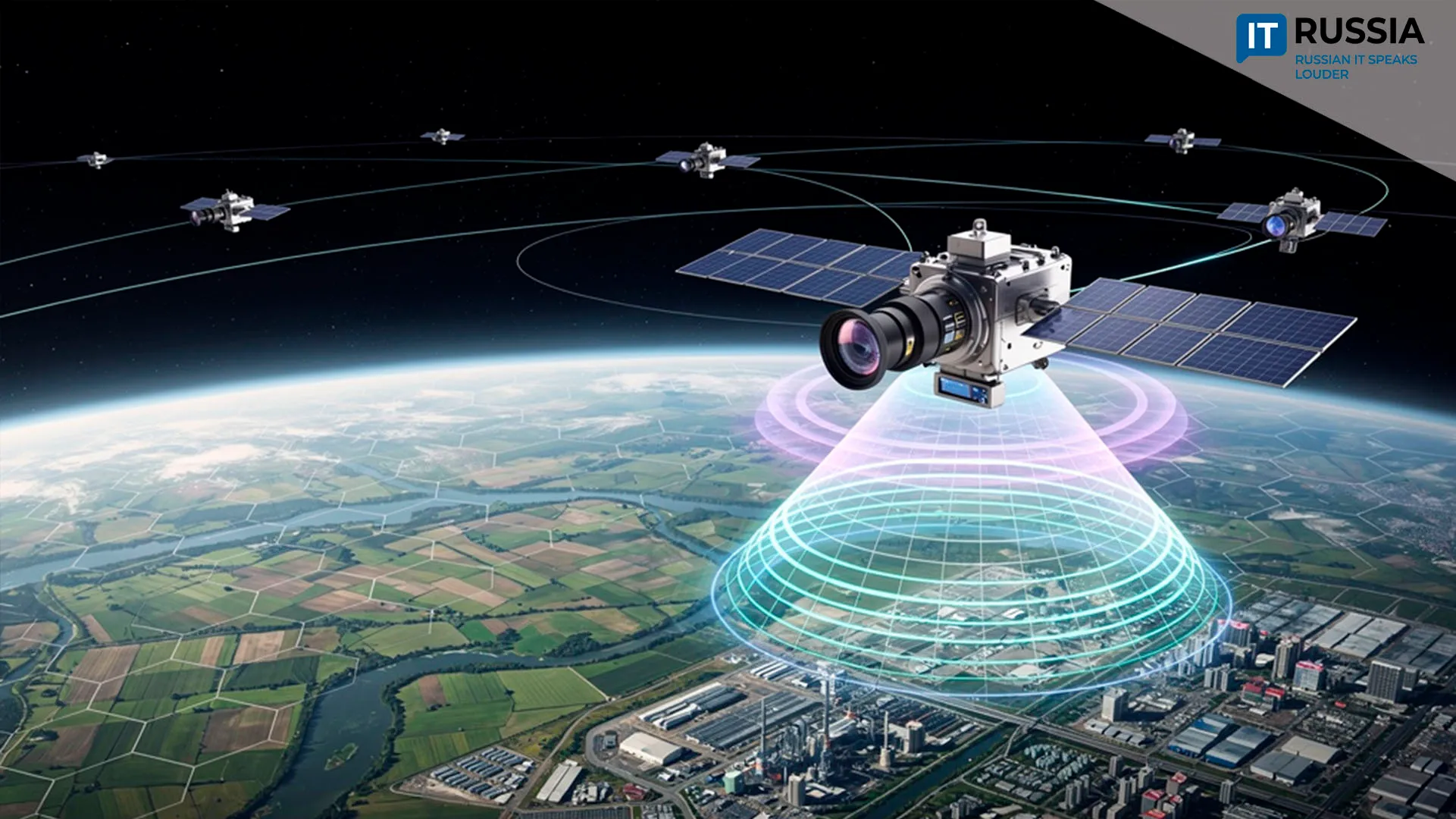
In Russia, the satellite communications market is evolving toward integrating connectivity, cybersecurity, and anti-jamming capabilities into a single technological offering. By 2030, the number of satellites in national constellations is expected to reach 1,200 units, with launches from Russian spaceports increasing to 56 per year.
Amid the push for import substitution, demand is expected to grow for domestic systems in spectrum monitoring, automated interference detection, intelligent resource allocation, and redundancy. This trend is supported by the Industry Competence Center (ICC) for Satellite Communications, which focuses on replacing foreign digital products and solutions in the sector.
If Russian operators can package their experience into ready-to-deploy solutions – including channel protection systems and anti-jamming services – these products could attract interest in countries where satellite communications are critical for remote regions and infrastructure. However, large-scale exports remain constrained by geopolitical factors and sanctions. More realistic prospects lie in supplying specific services, expertise, and architectural solutions, reflecting a niche B2G and B2B export model.

International Context and Russian Advances
In February 2022, a cyberattack on a satellite internet system disrupted a large number of KA-SAT Viasat modems across Eastern Europe, leaving users without service. This marked a significant international incident with widespread civilian impact. In September 2024, scientists reported strong interference from Starlink satellites affecting space observations, highlighting that even major global systems remain vulnerable and must continuously enhance protection mechanisms.
In the same year, Kosmicheskaya svyaz reported record revenue of 14 billion rubles (approximately $168 million), with 50% of income coming from international operations. This demonstrates that the operator maintains a substantial presence beyond the domestic market.
In October 2025, it was reported that a protection system deployed by the company to defend Russian communication satellites from interference and cyberattacks had saved 100 million rubles (approximately $1.2 million) over 1.5 years of operation. The industry had already recognized the economic value of the system, and current data further confirms its effectiveness in mitigating threats at scale.
Kosmicheskaya svyaz is now working to upgrade its orbital constellation. According to CEO Alexey Volin, eight new geostationary satellites are expected to enter service by 2030, replacing existing spacecraft.

Protected Digital Infrastructure
Russia’s satellite communications strategy is shifting. The goal is no longer just to provide coverage, but to maintain it under attack. The performance metrics of Kosmicheskaya svyaz reinforce the view of satellite communication as a vulnerable yet defendable digital infrastructure. Resilience and the ability to operate under pressure are becoming as critical as bandwidth, coverage, and cost.
For Russia, this signals further integration of the space segment, telecommunications, and cybersecurity into a unified system. The market is expected to evolve toward comprehensive platforms where satellite capacity, channel protection, interference monitoring, and incident analytics are delivered as a single service. This trajectory is supported by initiatives from Kosmicheskaya svyaz, the ICC, and the broader satellite constellation renewal program.