

Updated Strategy for Sports Digitalization: Domestic Software, AI Services, and Digital Athlete Passports
Russia is rethinking how sports are managed, shifting toward a fully digital system where everything from registration to rankings is handled through a unified platform.
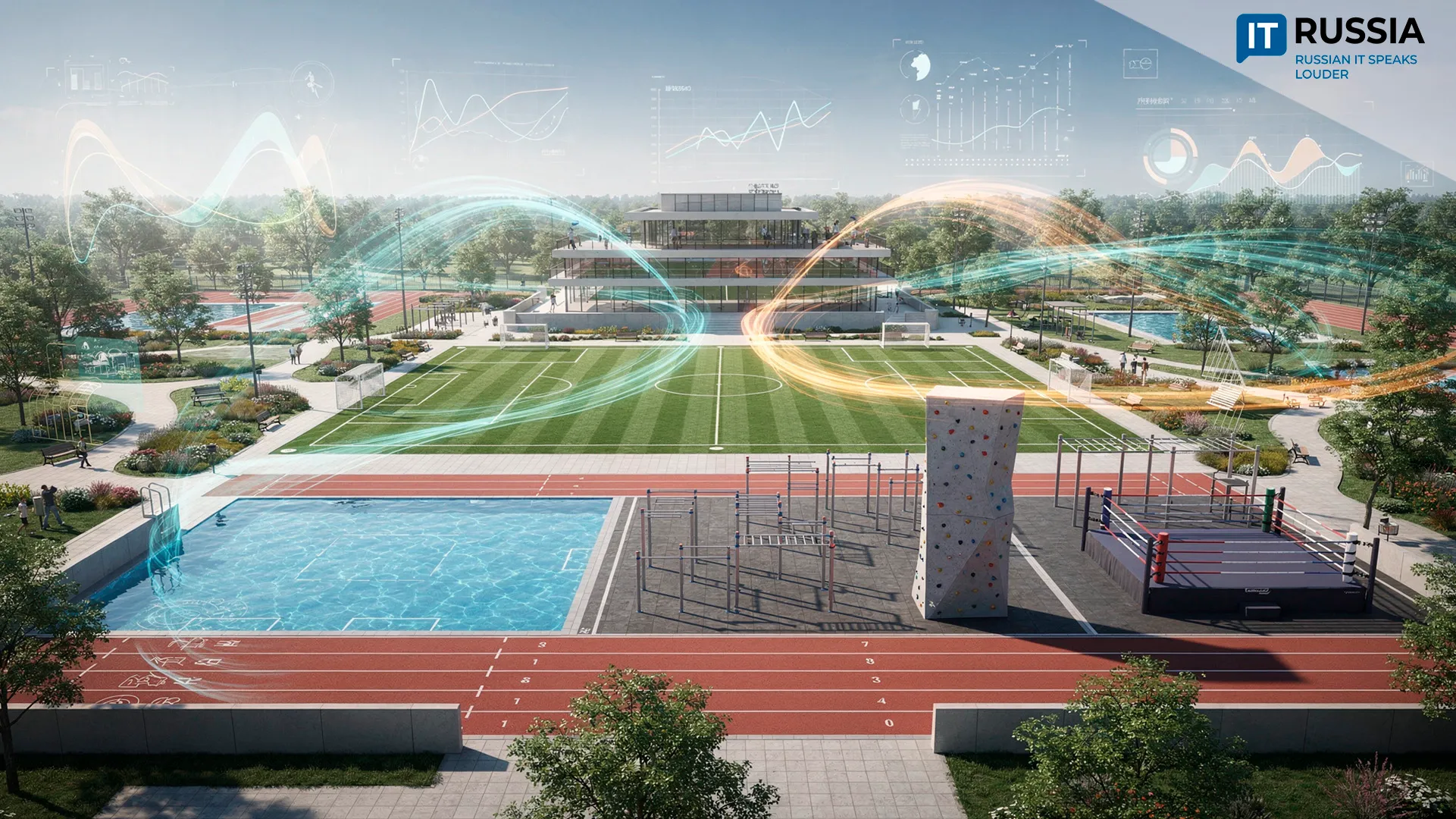
The Russian government has updated its strategic roadmap for the digital transformation of physical culture and sports through 2030. Key priorities include building a unified digital environment, deploying artificial intelligence technologies, and launching new electronic services.
Data on facilities, athletes, competitions, and sports organizations will be available within a single digital environment. New priorities include the use of domestic software, the development of AI-powered data processing services, and the creation of a unified methodological information resource for physical culture, sports, and sports medicine. If implemented as planned, Russia’s sports sector will have an end-to-end digital infrastructure by 2030. It will connect processes ranging from enrollment in sports programs to electronic competition protocols, digital athlete passports, and faster assignment of ranks and titles.
Digital Transformation of the Sports Sector
Digitalization of sports management in Russia has been underway for years. In 2021, the Ministry of Sport approved the concept for creating and operating the state information system “Unified Digital Platform ‘Physical Culture and Sport.’” At the time, the focus was on transforming statistical data collection, integrating datasets, and building a unified digital framework for the sector.
In 2022, the government announced a large-scale transition of state information systems to the “Gostech” platform. Sector-specific systems, including those for sports, are expected to evolve not in isolation but as part of standardized government digital platforms.

In 2024, the government formally approved the first strategic roadmap for digital transformation of physical culture and sports through 2030. It outlined key priorities: online enrollment of children in sports schools via the Gosuslugi portal, digital athlete passports, faster assignment of sports ranks, and the creation of a unified digital environment for all sports organizations nationwide. Today, online registration for mass sporting events is already available, and pilot programs for digital enrollment in sports schools are underway.
Online Registration
According to the government, several projects will be implemented under the updated strategy. One of them enables a full transition to online enrollment of children in sports schools through the Gosuslugi portal. Applications are expected to be accepted electronically by 2028. Work on digital athlete passports will also be completed.
“These digital documents will make talent identification more effective and improve the efficiency of athlete training. This work is expected to be completed by 2027,” the government noted. A full transition of processes to digital formats is planned by 2030.
Who Benefits From the Changes?
First and foremost, the changes streamline how sports development is managed nationwide. The system is expected to become more transparent and easier to navigate, while administrative processes will become at least twice as fast.
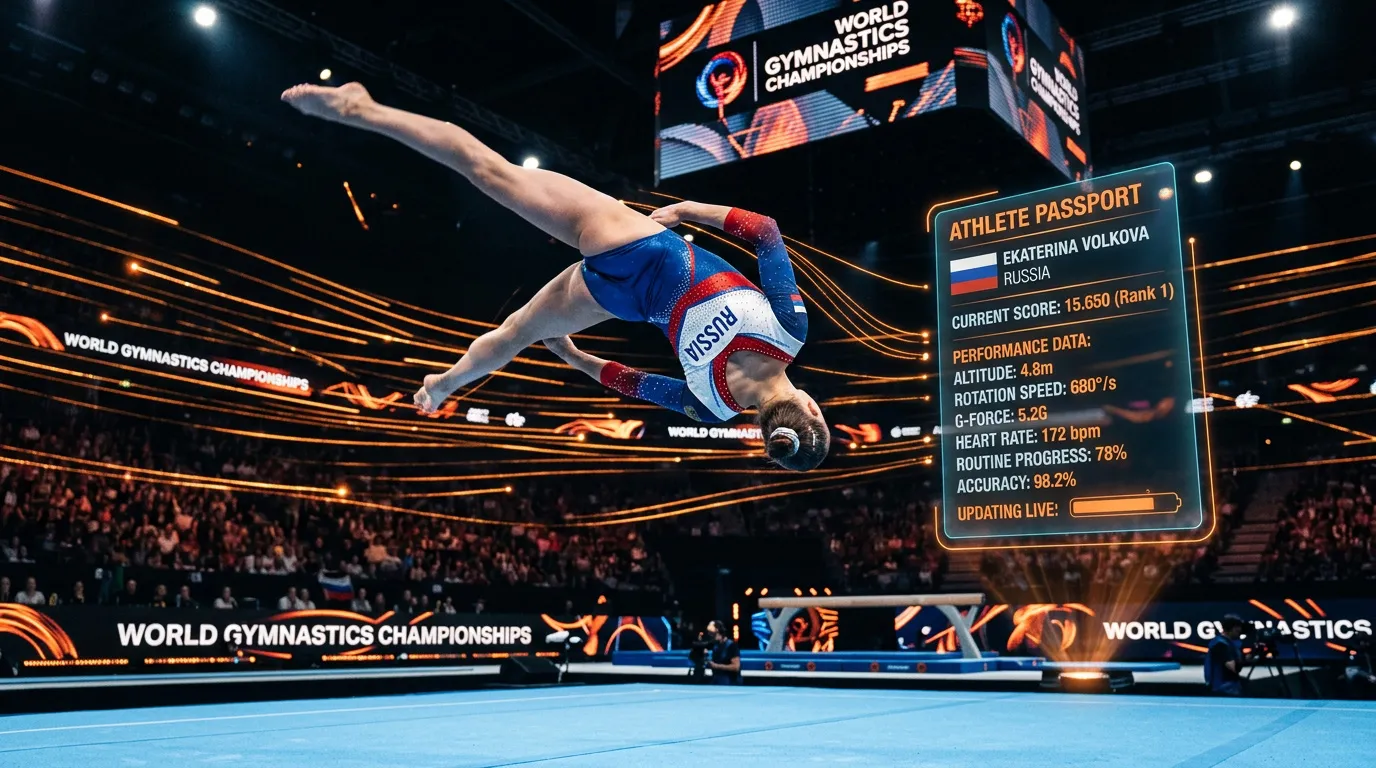
For people who participate in sports or attend sporting events, moving services online brings clear advantages. It improves both convenience and accessibility. For example, enrolling in sports schools from home is simpler and more predictable.
Digital athlete profiles are equally valuable for athletes themselves and for those recruiting players, coaches, or participants. Communication between managers and athletes becomes easier, while access to more detailed information about both athletes and organizations increases the likelihood of better decisions on both sides.
A Unified Digital Environment
Sports digitalization in Russia is shifting from policy declarations to real-world implementation. The government is refining performance metrics, expanding participation, introducing AI and import-independent technologies, and strengthening governance through the Gosuslugi portal.
The approved strategy also calls for integration between the federal information system “Unified Digital Platform ‘Physical Culture and Sport’” and regional digital platforms. By 2030, all sports organizations and institutions across Russia are expected to be connected to this unified environment.
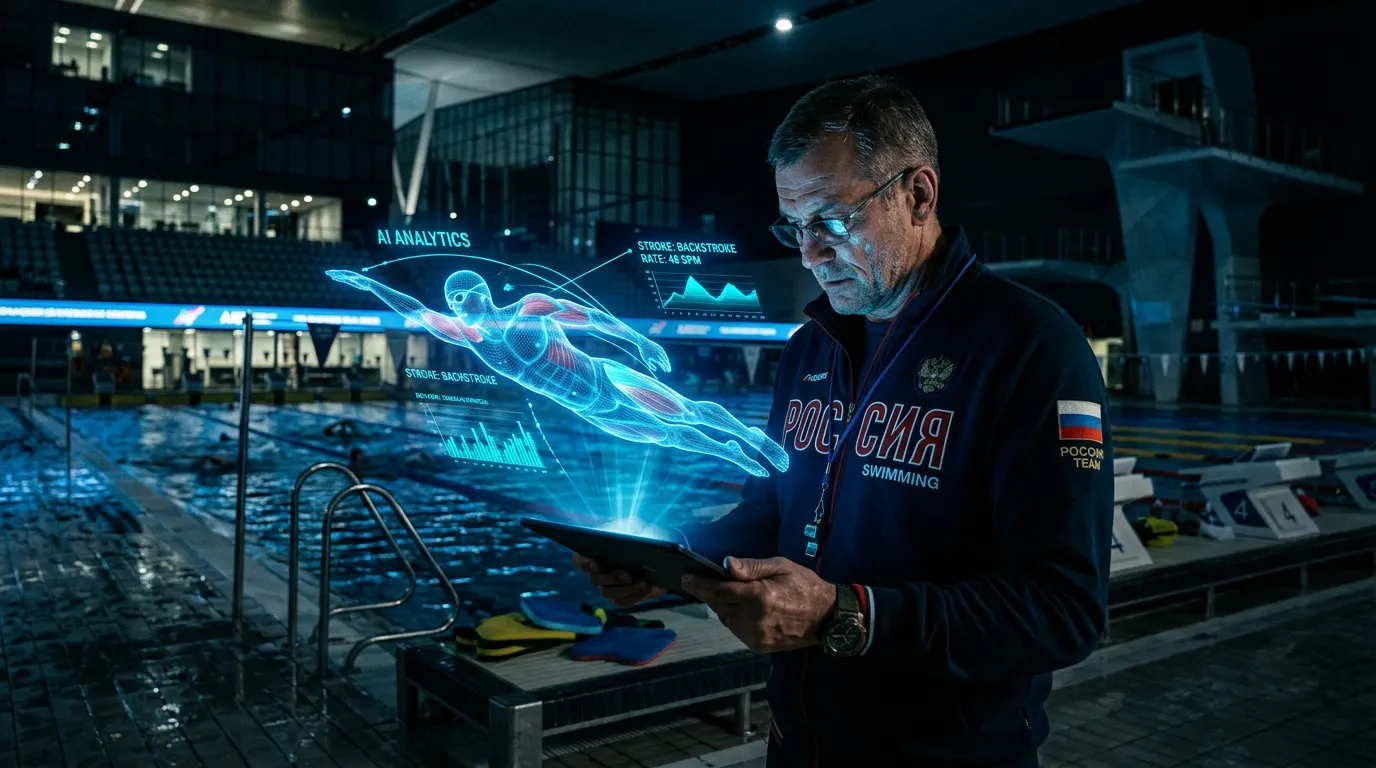
In the coming years, the focus will move from regulatory development to data integration and large-scale onboarding of organizations into the national “Sport” information system. The impact of the strategy will be felt through improved accessibility and convenience for sports participation, as well as continued performance gains by Russian athletes.