

Russian Physicists Present First Superconducting Quantum State Simulator
Scientists from the Moscow Institute of Physics and Technology (MIPT) and the Kotelnikov Institute of Radio Engineering and Electronics of the Russian Academy of Sciences have proposed a unique architecture for a superconducting quantum simulator based on polarization transmons. The development is designed to study topological and many-body quantum phenomena and states. The results have been published in the international journal Advanced Quantum Technologies.
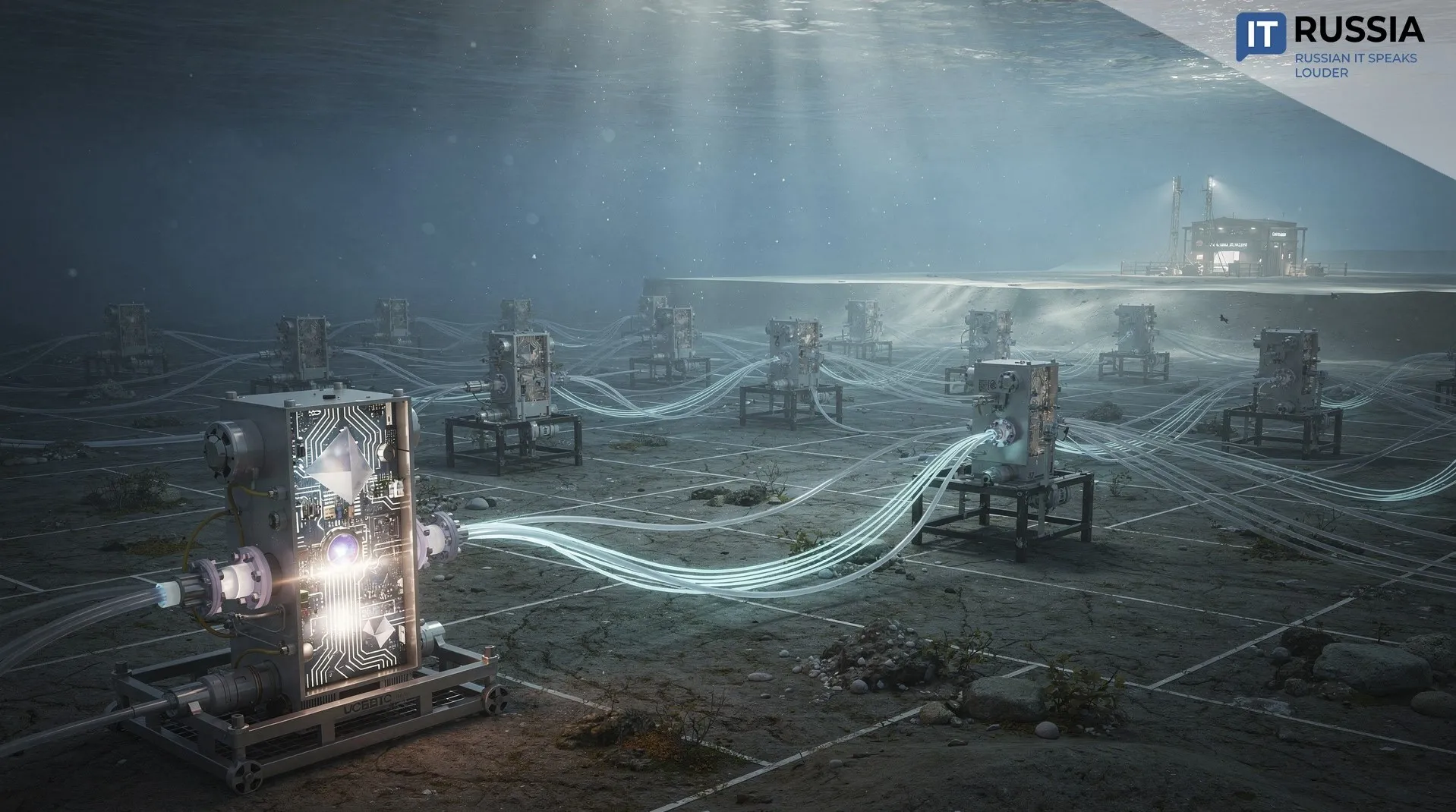
Imagine trying to predict the behavior of a billion particles, each simultaneously existing in multiple states and “feeling” its neighbors at the quantum level. No classical supercomputer could handle such a task – the calculations would take thousands of years. This is where quantum simulators come in: devices that do not simply calculate quantum behavior but literally recreate quantum reality on a miniature scale.
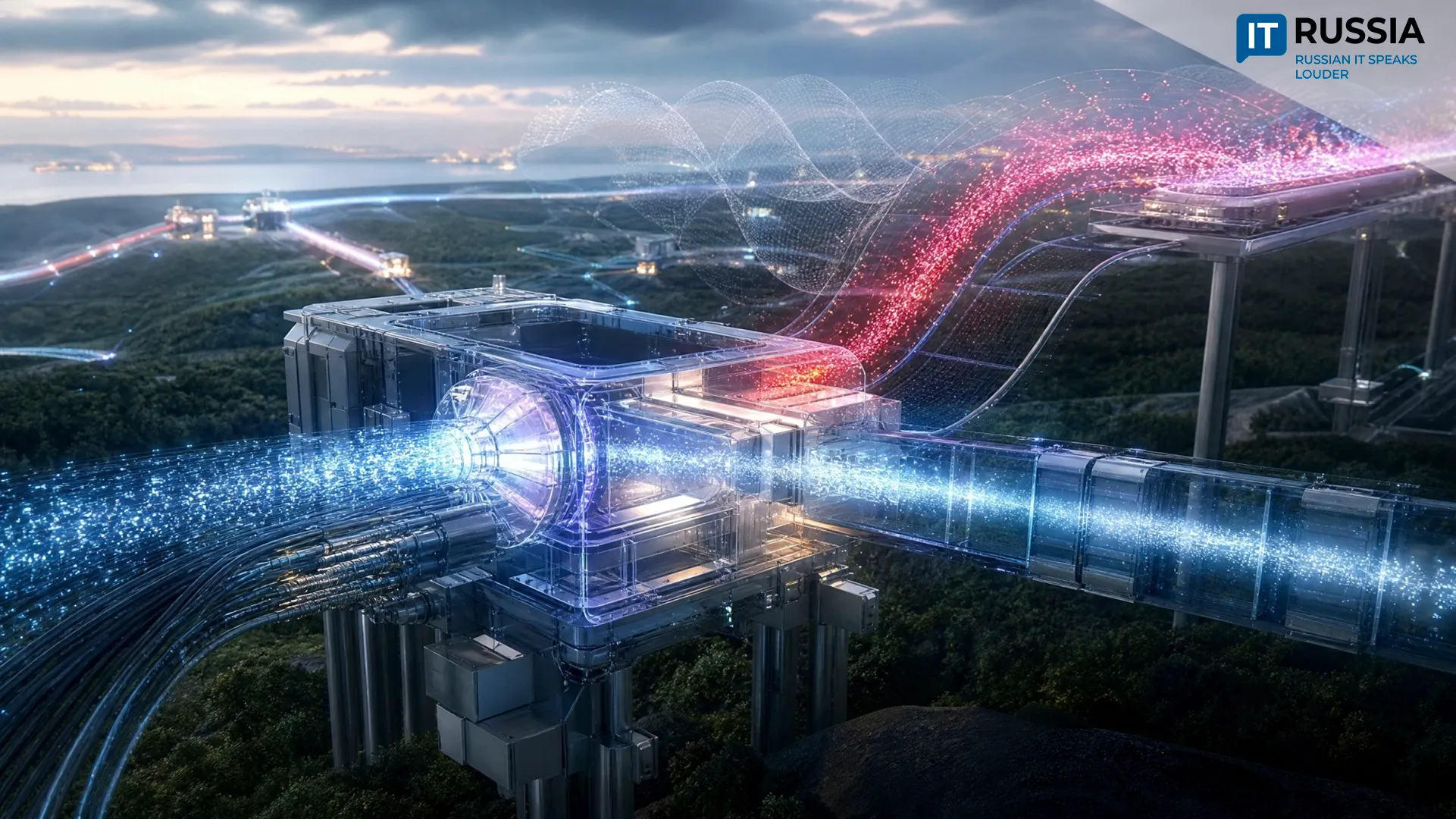
Scientists at MIPT, working with researchers from the Kotelnikov Institute of Radio Engineering and Electronics of the Russian Academy of Sciences, have presented an architecture for a fundamentally new type of superconducting quantum simulator. The development provides an engineering foundation for next-generation experimental systems capable of modeling highly complex quantum systems.
What They Developed and Why It’s Difficult
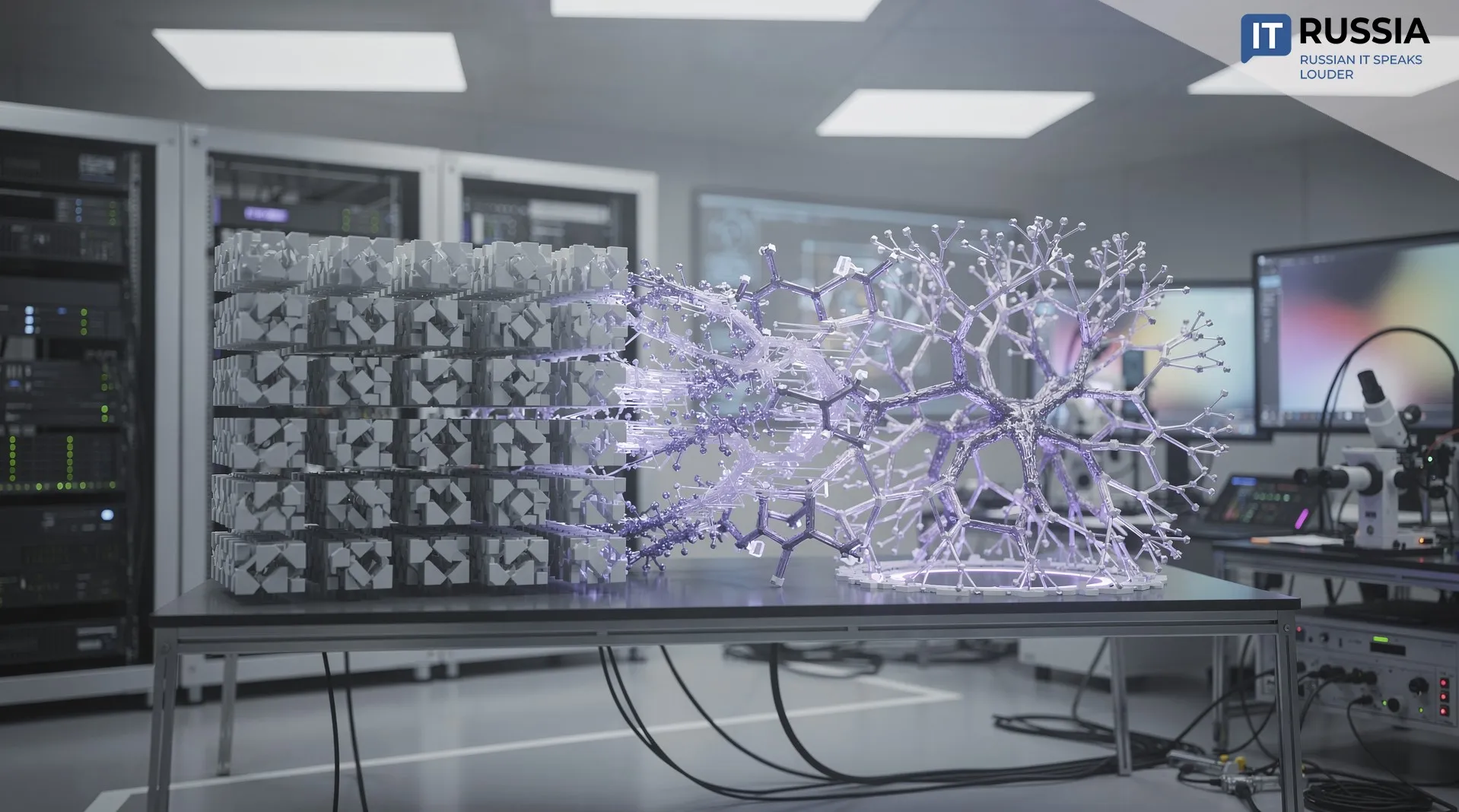
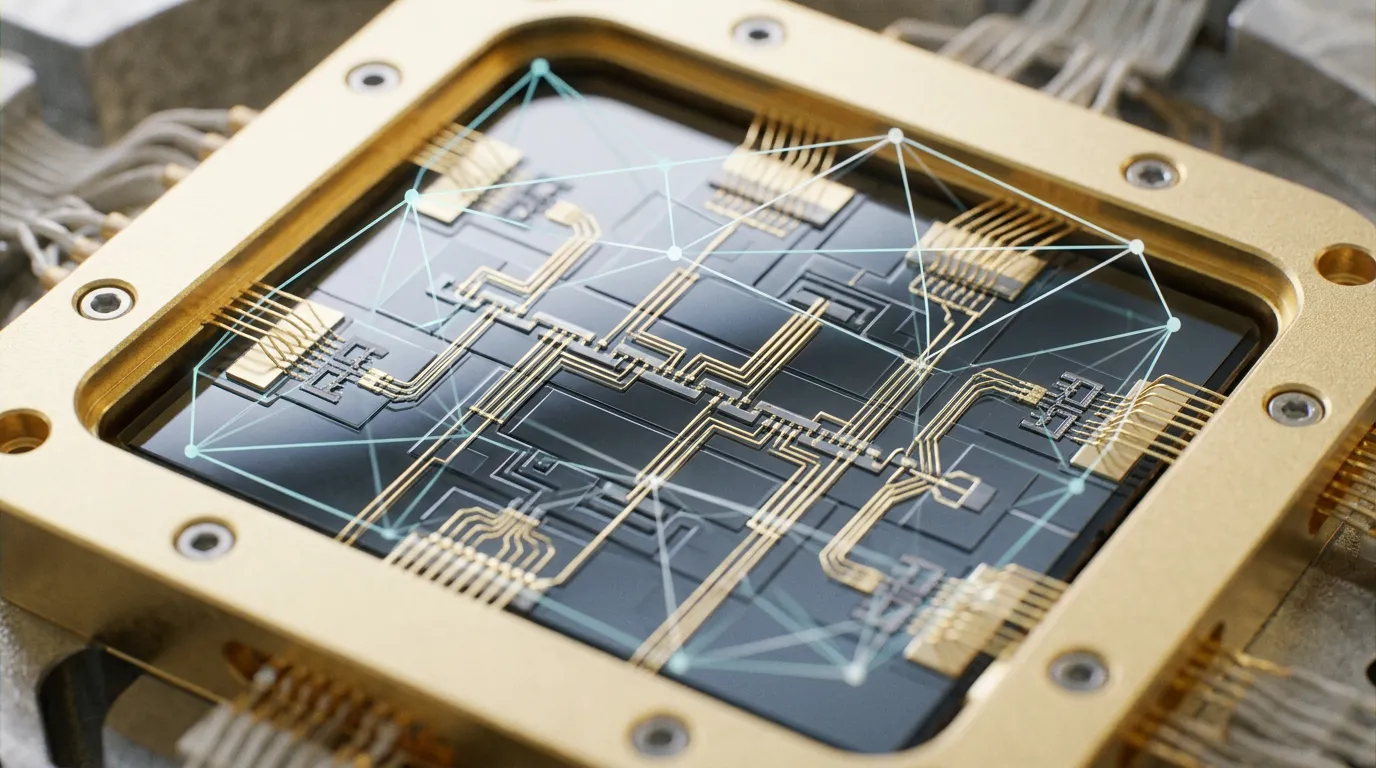
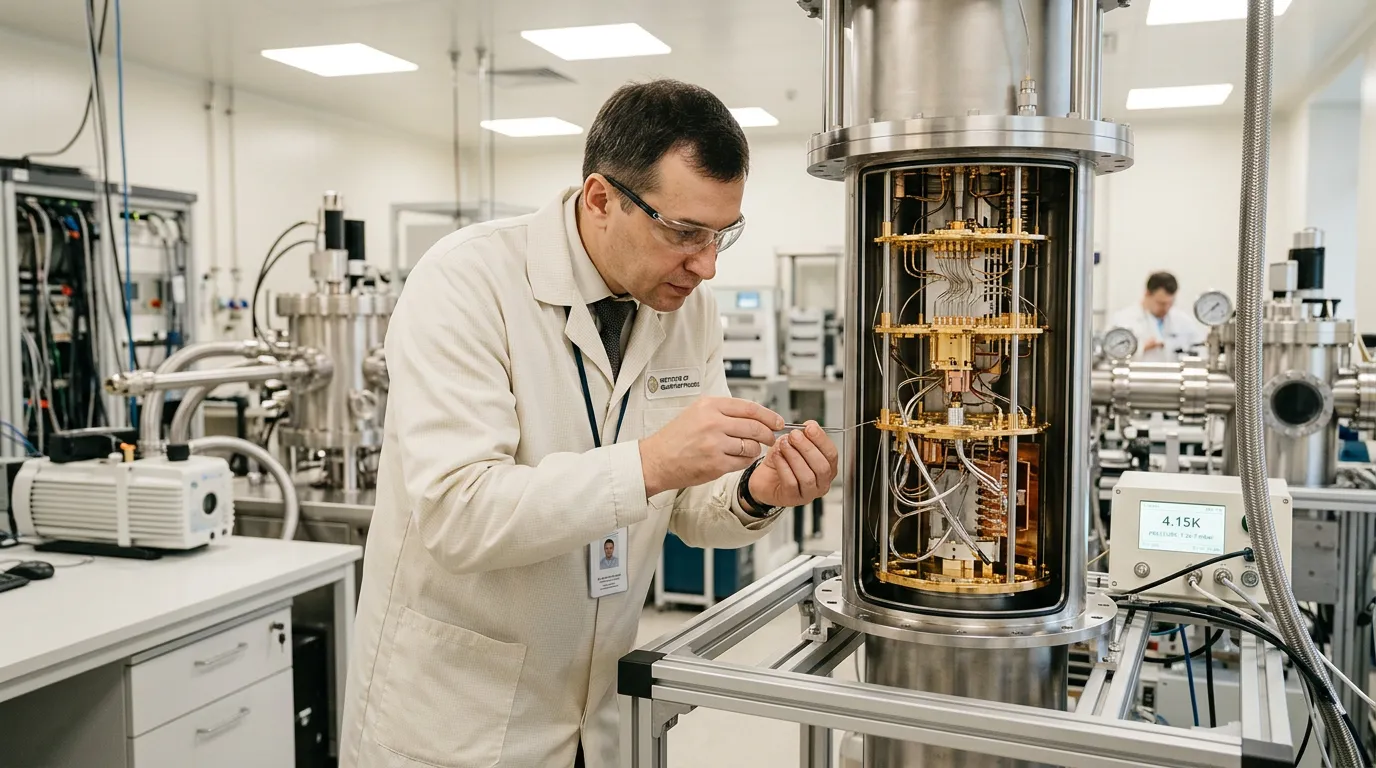
The development is based on polarization transmons. A transmon is an artificial atom assembled from superconducting elements and Josephson junctions – ultrathin barriers through which electrons can tunnel as a result of quantum effects. This kind of atom behaves like a real one: it has discrete energy levels and can absorb and emit energy quanta. Unlike a natural atom, however, its parameters, including its frequency and the strength of its interaction with neighboring atoms, can be set in advance, much like tuning a radio receiver.
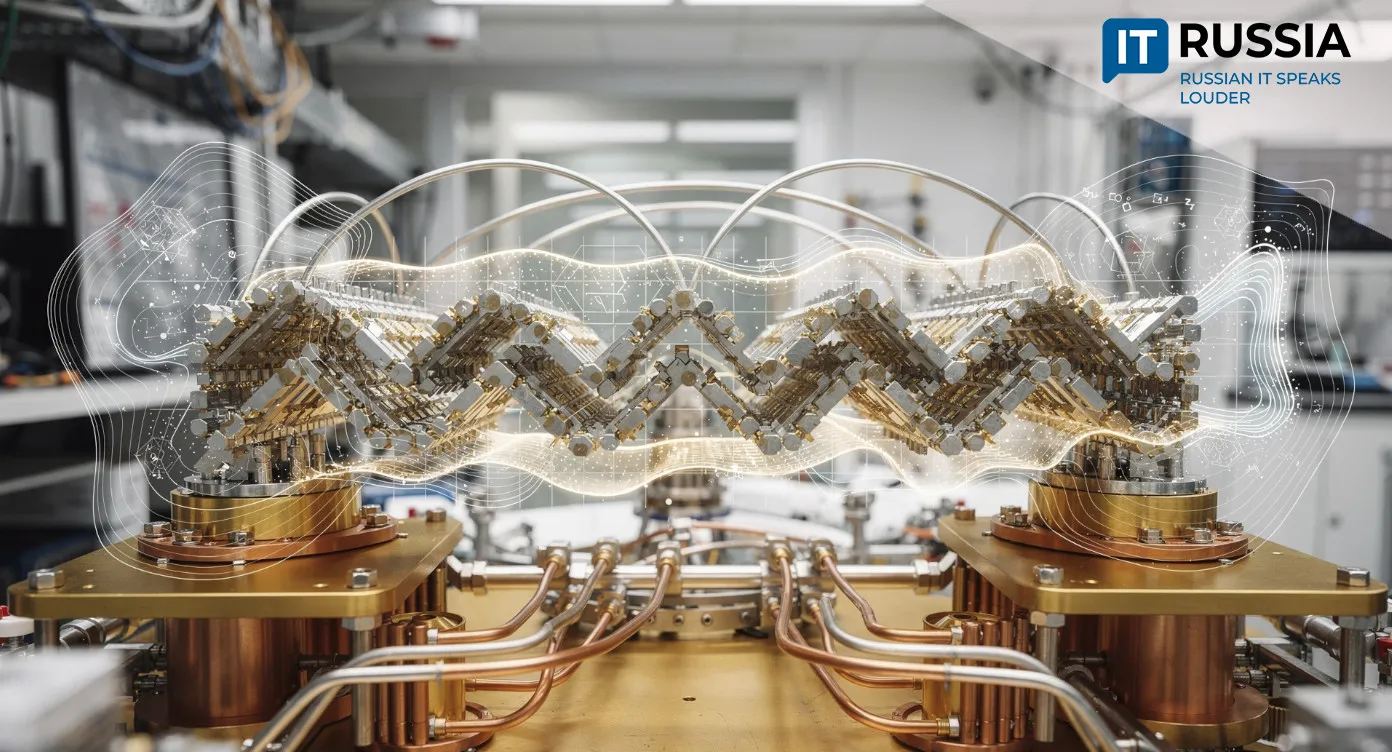
The authors’ key innovation is the idea of arranging these transmons in a zigzag chain. The geometry is deliberate: it makes it possible to reproduce so-called topological models that are well known in condensed-matter physics. Topological states of matter are exotic forms of organization that cannot be observed in ordinary materials and are extremely difficult to calculate on a classical computer. In a controlled chain of transmons, however, researchers can create such states “on demand” and study them in detail.
Why Does It Matter?
Topological states could enable error-resistant qubits, the building blocks of future quantum computers. Quantum simulators also open a path to modeling complex molecules and chemical reactions, designing new materials with specific properties and optimizing processes that cannot be calculated accurately today, from drug development to financial modeling.
For Russia, the work has strategic significance, as quantum technology is a field of global competition, with the United States, China and Europe investing billions of dollars in research. Developing a domestic component base, from qubits to software, can reduce technological dependence and lay the groundwork for future export products in specialized equipment and educational platforms.
A Five-Year Journey
The new simulator is a logical step in a longer development path. In 2021, Russian scientists were already modeling photon transmission on a superconducting simulator, demonstrating its advantage over classical computing clusters for specific tasks. In 2022, MIPT and MISIS presented Russia’s first four-qubit processor, with gate-operation accuracy above 97%. In 2023, cloud access to quantum computing became available. In 2025, MIPT announced the creation of a 40-qubit processor. Now, in 2026, the focus has shifted from universal computing toward specialized modeling of complex quantum phenomena.
Fundamental developments such as the polarization-transmon simulator are laying the tracks for quantum technologies to eventually enter everyday life through new materials, medicines and computing services that are still beyond what we can imagine.