

Attosecond Breakthrough: Scientists Deliver a Quiet Revolution in Computational Physics
Russian and Chinese physicists have developed a machine learning system that allows scientists to tune laser parameters for generating ultrashort radiation pulses up to a thousand times faster than with traditional physical calculations.
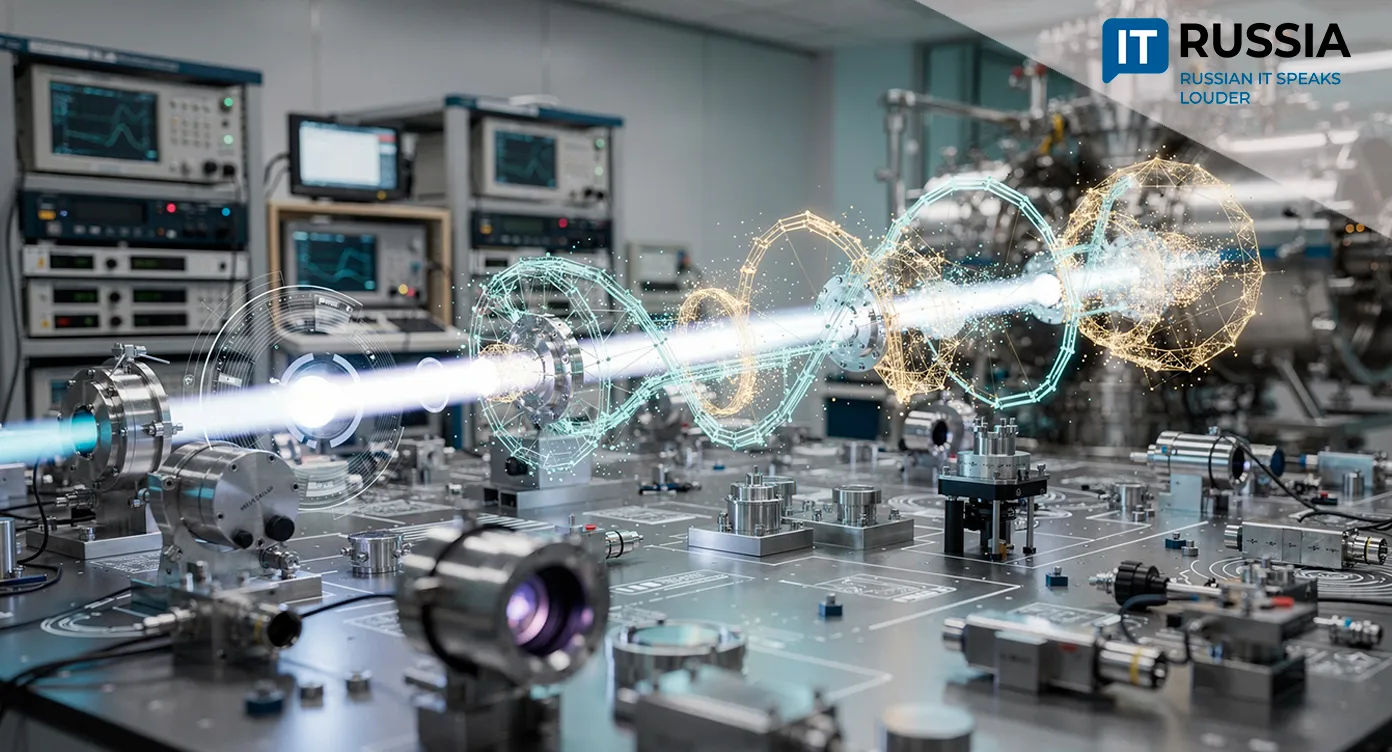
This is not just a technical upgrade – it represents a new approach to scientific discovery, where neural networks act as an “intelligent compass” in the realm of extreme physical conditions.
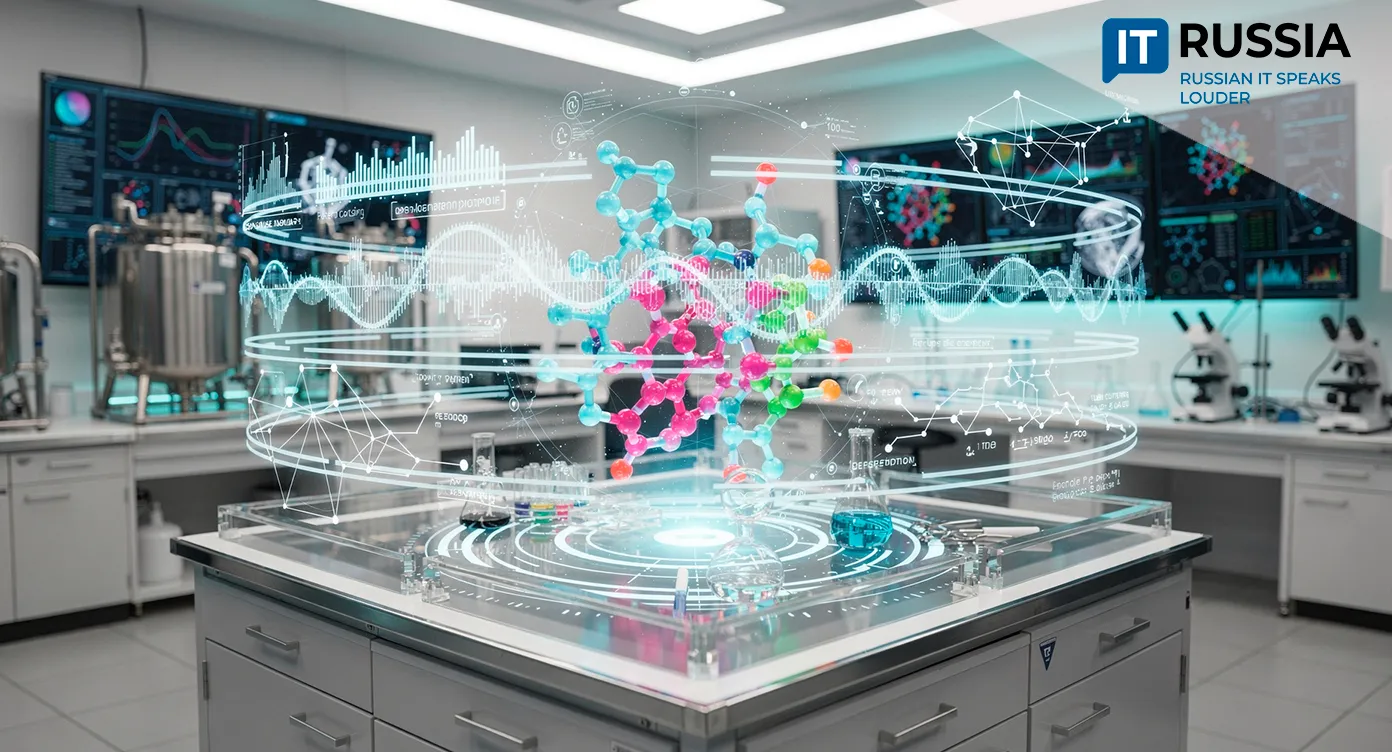
Researchers from Skoltech and the Shanghai Institute of Optics and Fine Mechanics have proposed a hybrid method that combines rigorous physical modeling with a neural network-based surrogate model. The neural network was trained on results from one-dimensional particle-in-cell (PIC) simulations, enabling it to instantly predict key parameters of reflected attosecond pulses – including ellipticity, which is critical for controlling light polarization.
Previously, scientists had to test thousands of configurations through computationally expensive supercomputer simulations. Now, the neural network rapidly filters out unpromising scenarios, leaving high-precision simulations for final validation. The results were published in Communications in Nonlinear Science and Numerical Simulation and have already attracted attention from the international research community.
Why It Matters: Not for Smartphones, but for the Future
This technology is unlikely to appear in consumer devices anytime soon. Its value lies in accelerating fundamental research. Attosecond pulses (1 attosecond = 10⁻¹⁸ seconds) make it possible to “photograph” electron motion within matter. That capability is key to understanding chemical reactions, designing new materials, and studying processes in magnetic structures and molecular dynamics.
For Russia, the development carries strategic weight. Photonics and laser technologies are among the country’s priority areas for technological sovereignty – spanning telecommunications, medicine, space exploration, and additive manufacturing. The ability to rapidly design attosecond pulse sources strengthens the national research ecosystem and lays the groundwork for future advances in instrumentation.
From Nobel Prize to Practical AI
In 2023, the Nobel Prize in Physics was awarded for methods of generating attosecond pulses, bringing the field to the forefront of global research. The new work from Skoltech and their Chinese collaborators builds directly on that momentum, but shifts the focus: the question is no longer just how to produce ultrashort pulses, but how to efficiently design the systems that generate them.
Meanwhile, the domestic photonics sector is expanding. The Photonics. World of Lasers and Optics-2024 exhibition reported more than 50% growth in its exhibition footprint. At the same time, the government is prioritizing full-stack localization – from raw materials to finished devices.
From Laboratory to Industry
The key strength of the method lies in its scalability. The authors note that the approach can be adapted to other domains where direct physical modeling demands significant computational resources. That opens the door to applications in materials science, plasma physics, energy systems, and engineering design.
If the method evolves into commercial tools for controlling experimental setups, Russia could secure a position in the fast-growing global photonics market, already valued at around $20 billion and expanding at more than 10% annually.

Science as High-Speed Search
The new system illustrates what “scientific AI” looks like in practice: the neural network does not replace the physicist, but takes over the exhaustive search through parameter space. In the coming years, such hybrid approaches are likely to become standard in research infrastructure.
For everyday consumers, the impact will not be immediate. But over time, faster fundamental research could translate into breakthroughs in next-generation electronics, advanced medical diagnostics, and ultra-sensitive sensors.