Autonomous Anesthesia: Russian Devices Break Free from Hospital Air Supply Systems
New inhalation anesthesia systems deployed in Moscow region hospitals eliminate dependence on centralized air supply and use software-driven dosing to improve patient safety.
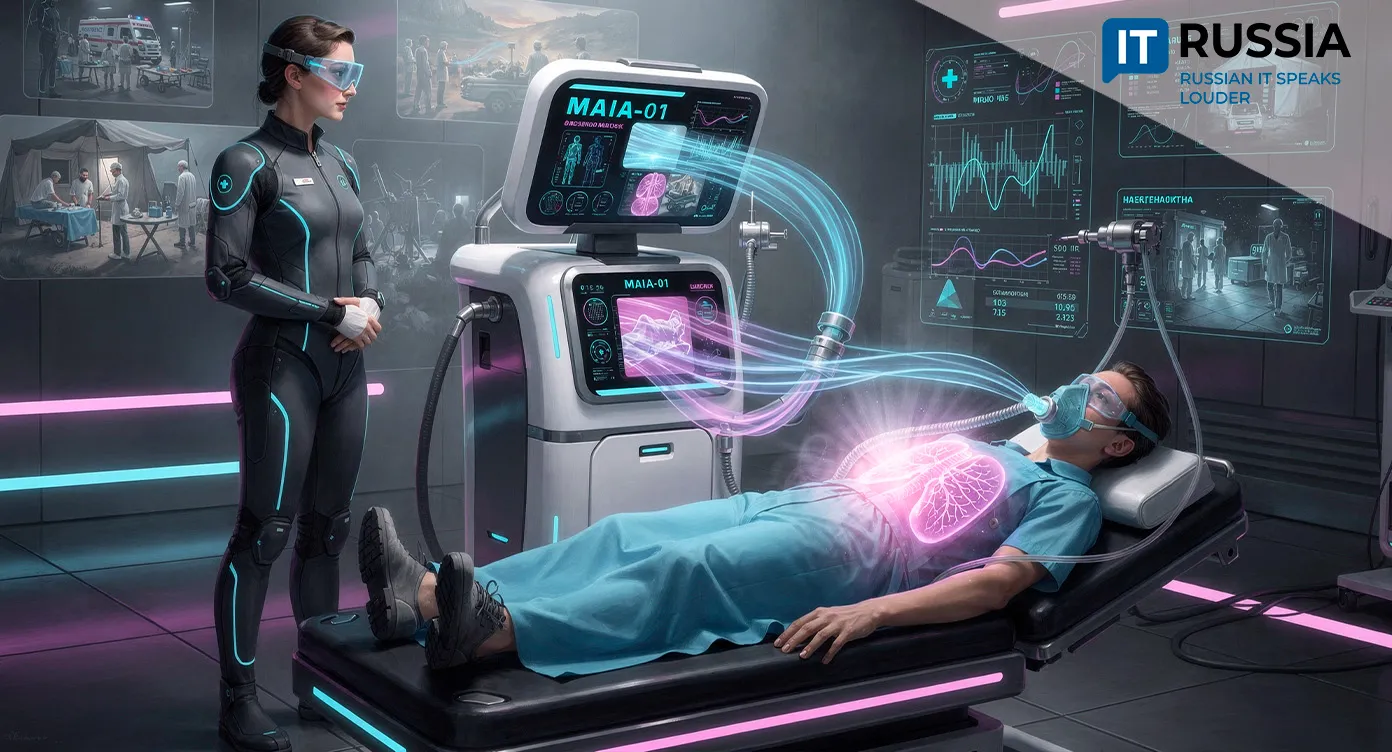
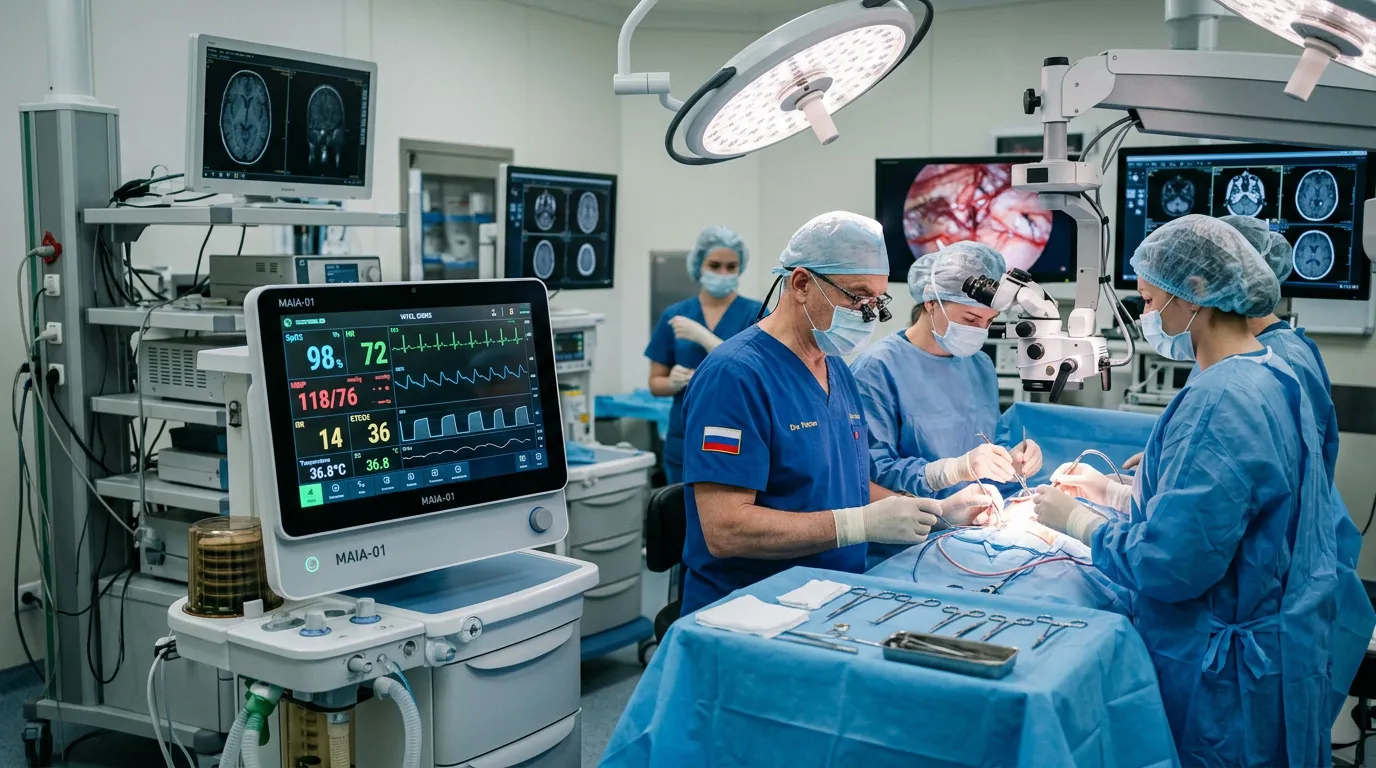
Thirty-four MAIA-01 multifunctional inhalation anesthesia systems have been delivered to 13 medical institutions in the Moscow region. The devices were developed and manufactured by Shvabe Holding (part of Rostec State Corporation). Each unit performs three functions simultaneously: ventilating the lungs, delivering anesthesia, and monitoring vital patient parameters. Previously, this required two or three separate devices; now all functions are integrated into a single system.
Safety First
The key engineering difference in the new model is the use of an electrically driven ventilation unit instead of a pneumatic one. This represents a fundamental shift in life-support systems used during surgery. Pneumatic systems depend on a centralized air supply in the operating room. If that supply fails, anesthesia delivery is disrupted. The electric drive removes this dependency. The device runs on standard electrical power and draws breathing air from the surrounding environment or a cylinder. In time-critical surgical settings, this redundancy can directly impact patient survival.
Inside the Technology
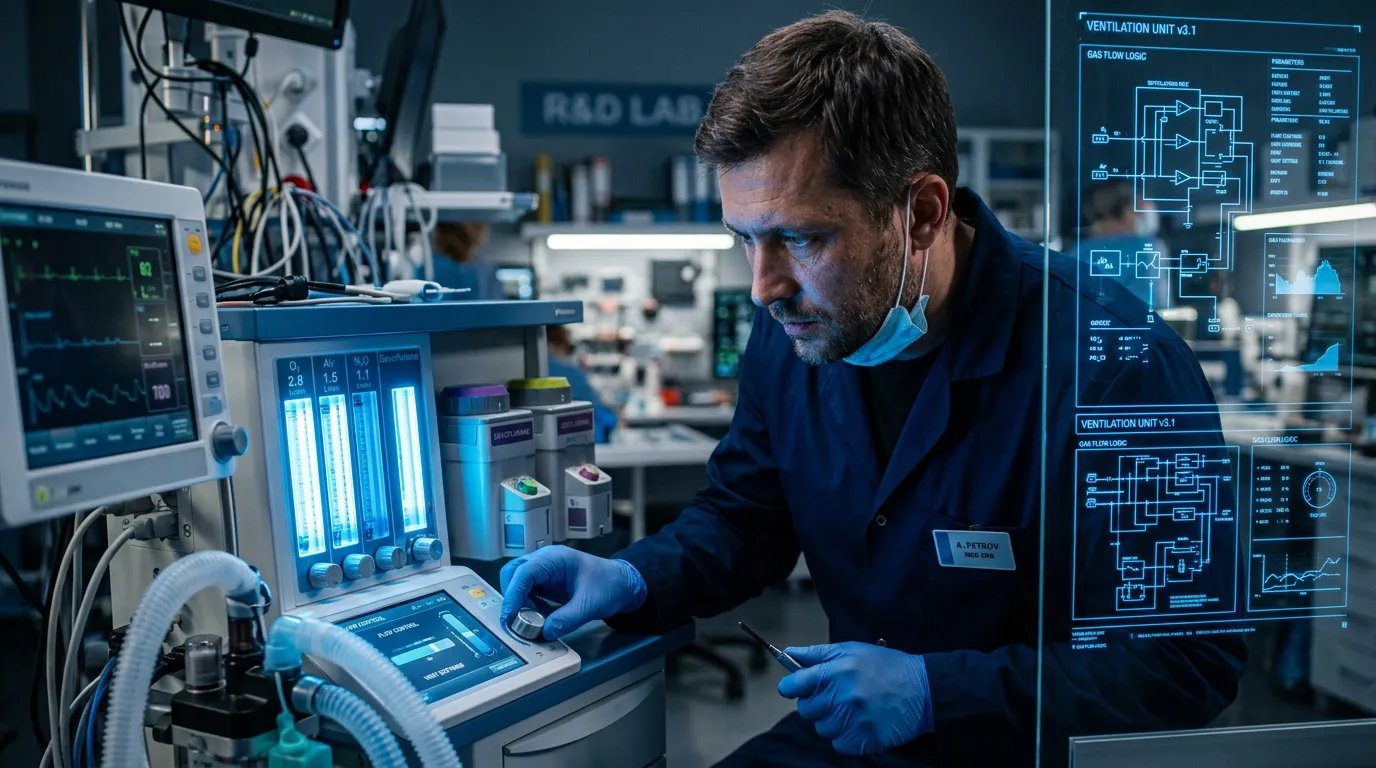
The software embedded in the MAIA-01 has undergone a major upgrade. It reduces measurement error in arterial pressure - one of the key variables that can affect anesthetic dosing. Algorithms automatically calculate the optimal anesthetic concentration for each patient and assist in setting ventilation parameters with dual-layer control. The system continuously evaluates inhaled air volume and airway pressure. In practice, this prevents both overinflation of the lungs and insufficient oxygen delivery.
The device supports all commonly used anesthetics, including xenon. Xenon stands apart due to its lack of toxic side effects and minimal impact on the liver and kidneys, but it requires extremely precise dosing. The MAIA-01 is designed to meet that requirement. Digital monitoring tracks patient status in real time, while electronic rotameters and sensor systems regulate gas mixture delivery continuously. Human error is significantly reduced.
In effect, the MAIA-01 addresses a critical gap in anesthesiology equipment. Failures in pneumatic systems or dosing inaccuracies can pose immediate risks to life. This design shifts those risks into a controlled and manageable domain.
Recovery Without Complications
For patients, the difference between current systems and next-generation ones may not be noticeable during surgery, but it becomes evident afterward. More accurate dosing contributes to smoother recovery from anesthesia. Better pressure control reduces the likelihood of postoperative complications.
Support for xenon is particularly important in this context, as it helps prevent nausea and dizziness, which are common during recovery from anesthesia.
The electric drive also improves mobility. The system can be used not only in operating rooms, but also in intensive care units, ambulances, and field hospitals. For critically ill patients in transit or in settings with limited infrastructure, this expands access to care comparable to that of major clinical centers.
Implications for Russia
The healthcare system gains access to equipment that does not rely on imported components in critical subsystems. Pneumatic systems used in many Western devices require ongoing supplies of filters, valves, and specialized consumables. The MAIA-01, with its electric drive and domestically developed software, avoids these dependencies. Replacing pneumatic mechanisms with electrical systems supports technological independence.
Equally important is the manufacturing model. Production is distributed across five facilities within the Shvabe group: Ural Optical and Mechanical Plant named after Yalamov, Krasnogorsk Plant named after Zverev, Moscow-based Saphir plant, Zagorsk Optical and Mechanical Plant, and Novosibirsk Instrument-Making Plant. This distributed approach increases resilience. If one site is disrupted, others can maintain output. For public procurement systems, that level of reliability is critical.
An Alternative to Western Systems
In countries with developing healthcare systems, centralized air supply infrastructure is often limited to major urban hospitals. In regional facilities, it may be absent entirely. In these environments, electrically driven anesthesia systems are not just an upgrade - they are a necessity. For countries facing sanctions or supply chain risks, access to a Russian alternative to Western systems becomes a strategic option. Shvabe already has a presence in international markets, supplying optics, medical equipment, and laser systems to dozens of countries.