28 Base Stations to Be Built in Remote Krasnoyarsk Region by Year-End
The project is being carried out jointly by Rostelecom and T2.
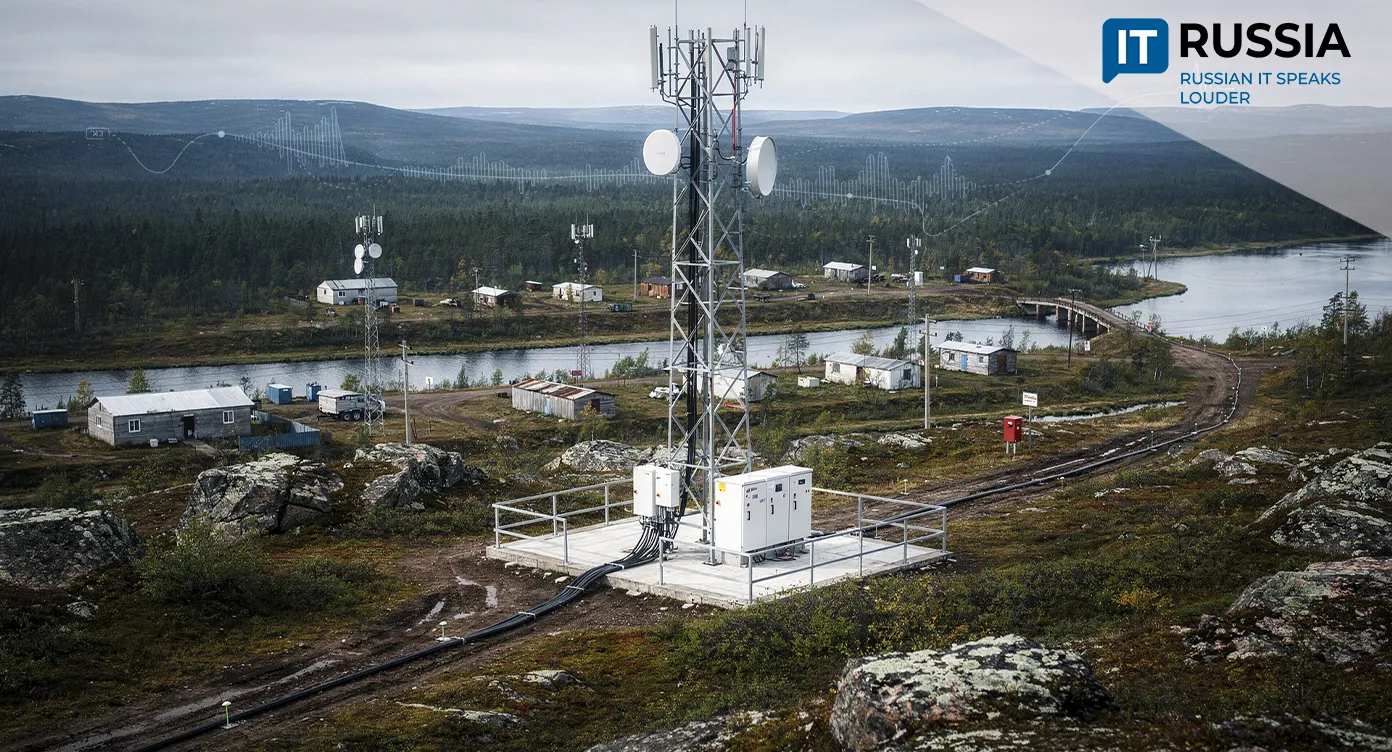
Russia continues to implement its strategy to close the digital divide. The effort is designed to bring high-speed connectivity to sparsely populated communities in remote areas, giving their residents access to the full range of modern digital services.
Connectivity for Dozens of Communities
By the end of this year, Rostelecom and T2 will install 28 new base stations across the Krasnoyarsk region. The deployment will give 4,000 residents access to mobile voice services and high-speed internet. The work is being carried out under a government contract with Russia’s Ministry of Digital Development as part of the second phase of the federal Ustranenie tsifrovogo neravenstva (Bridging the Digital Divide) project, or UCN 2.0.
The network coverage will extend to a group of communities selected based on the results of a public vote held in 2025 through the Gosuslugi government services portal, as well as an analysis of requests submitted through Russian Post. The rollout covers several dozen small settlements.
Russian Equipment Only
The project’s most remote and difficult-to-reach location is the village of Vorogovo, 800 kilometers, or about 500 miles, from Krasnoyarsk. With no direct road connection, deploying a base station there will be particularly important for local residents.
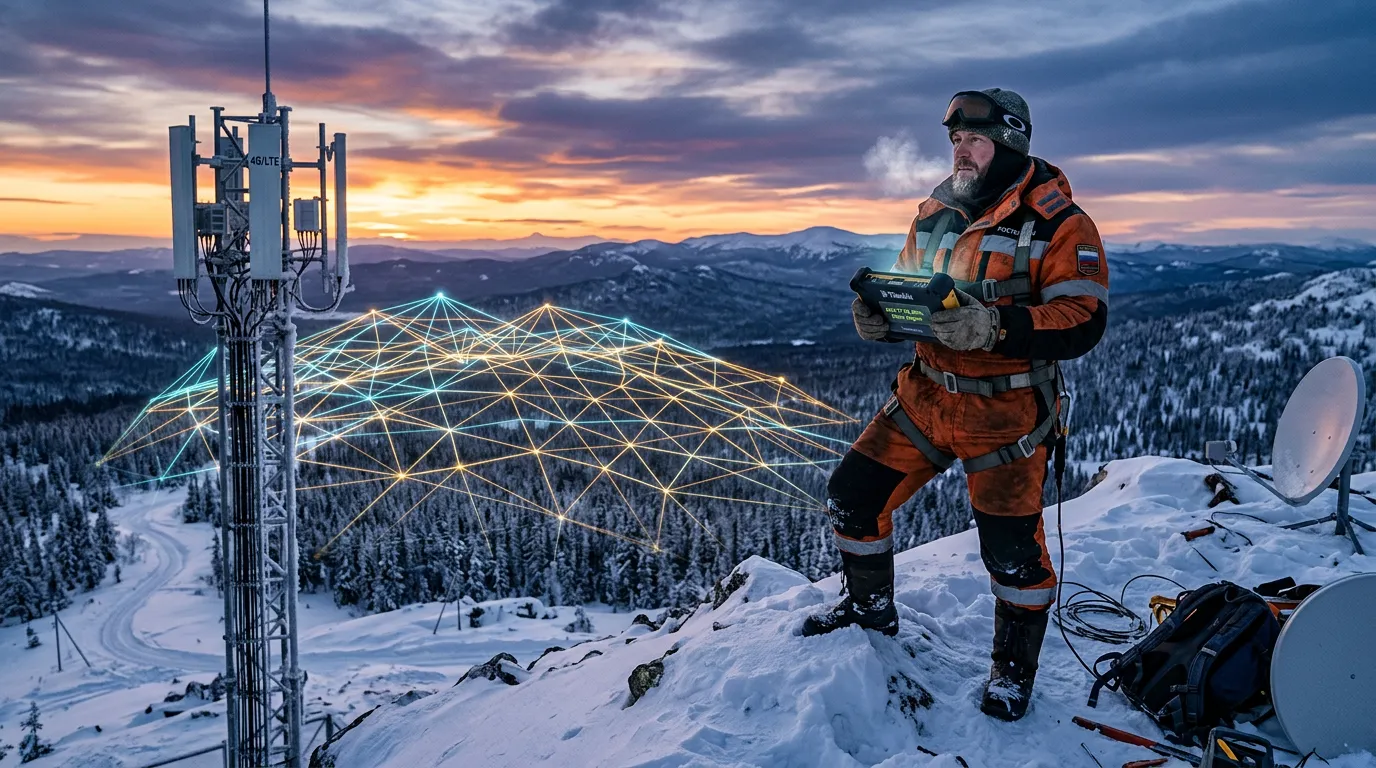
“To give these communities high-quality, reliable connectivity, Rostelecom will lay hundreds of kilometers of fiber-optic lines and install modern telecom equipment, including base stations from BULAT. They have proven to be a reliable and versatile solution for building mobile networks. Particularly noteworthy are the base stations’ fully Russian-developed management system and software, which demonstrate a high degree of technological independence,” said Alexey Usatov, director of Rostelecom’s Krasnoyarsk branch.
Last year, 58 base stations were installed in remote areas of the Krasnoyarsk region.
Connectivity Reaches About 8,000 Communities
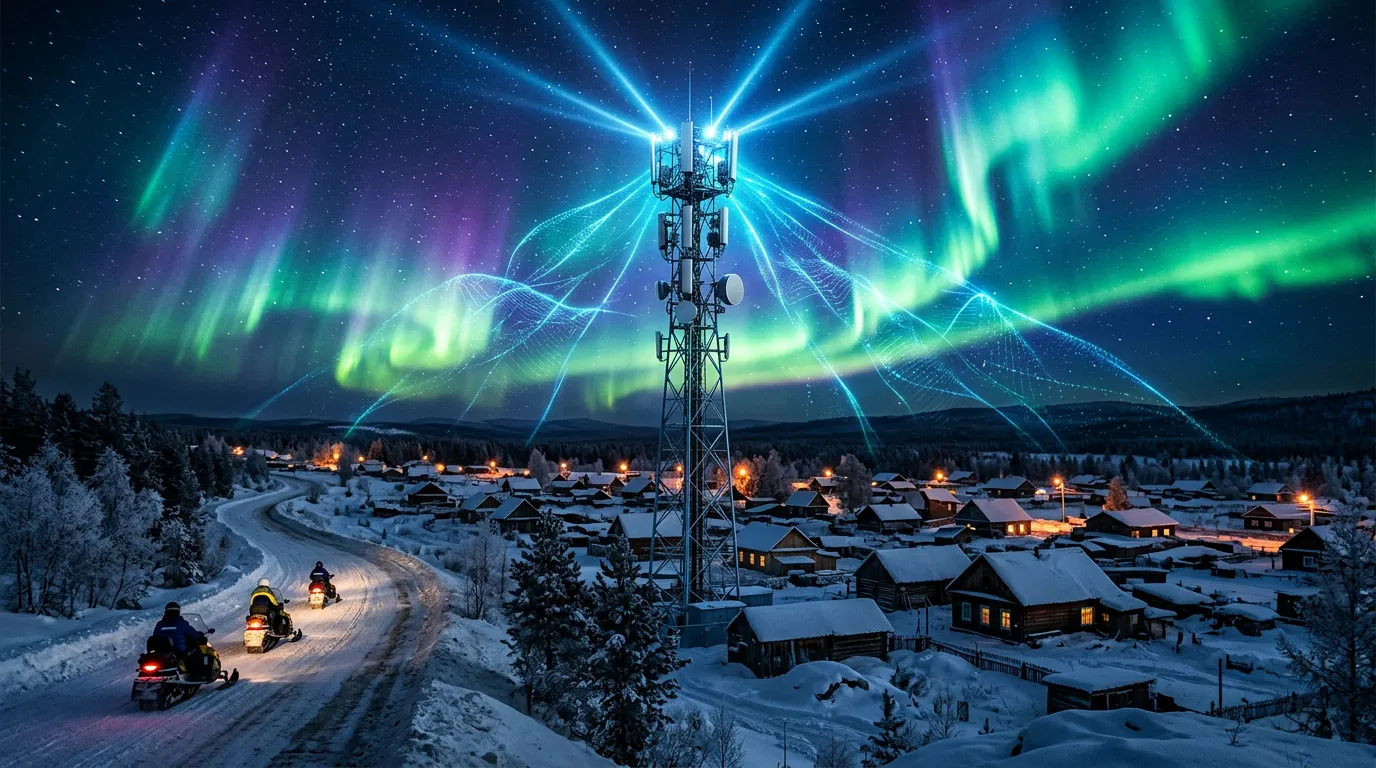
The deployment of connectivity in remote parts of the Krasnoyarsk region is part of a broader effort that has been underway for several years. From 2021 through 2025 alone, the second phase of the digital divide program brought reliable 2G/4G mobile service to 7,881 small communities across Russia, home to about 1.8 million people.
Network equipment is being deployed in communities with populations ranging from 100 to 1,000. Fiber-connected base stations are installed in these locations and support both 2G and LTE. Another key requirement of the project is the predominant use of Russian-made equipment.
“When we first started the UCN 2.0 project five years ago, Russian-made 2G/4G base stations simply did not exist. It is very important that Russian equipment became the primary choice for the project in 2025, and we plan to continue expanding its deployment,” said Mikhail Oseevsky, president of Rostelecom.
Overcoming the Toughest Challenges
In many cases, communications lines have to be laid across extremely challenging terrain. For 50 communities, equipment, materials and crews had to be transported by boats across seas and rivers, by helicopters and by all-terrain vehicles traveling over winter roads.
One of the most challenging deployments was in Dikson, Russia’s northernmost port, where laying terrestrial lines proved completely impossible. The community was therefore connected using satellite technology. Last year, a total of 22 particularly difficult-to-reach communities were connected via satellite links, primarily in Siberia and Russia’s Far East.
At this point, Russia has established a systematic approach to closing the digital divide. Teams can deploy projects using the full range of available technologies and work under virtually any conditions. Just as important is the emphasis on Russian-made equipment. This not only reduces dependence on foreign suppliers but also supports domestic manufacturers.