Gathered in the Steppe: Teachers in Kalmykia Become Robotics Specialists
The first cohort of teachers in Russia's Republic of Kalmykia has completed a professional retraining program in programming and robotics, bringing advanced technology instruction closer to local classrooms.
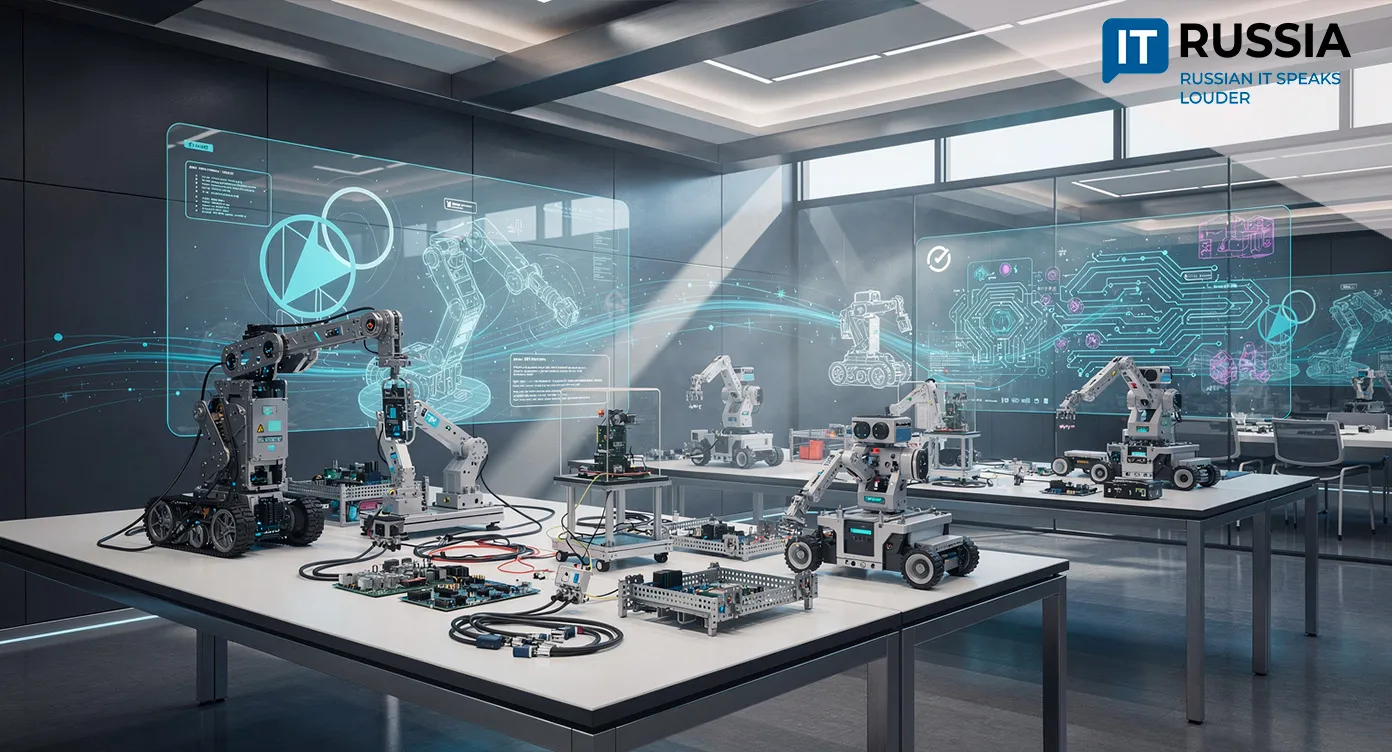
Teachers from across the republic received federally recognized diplomas confirming their qualifications in advanced technologies. What makes the initiative distinctive is its hybrid structure. The theoretical coursework was delivered online by the Moscow Aviation Institute (MAI), while hands-on training took place at the Center for Professional Development of Educators at the Kalmyk Republican Institute for Advanced Training of Education Professionals.
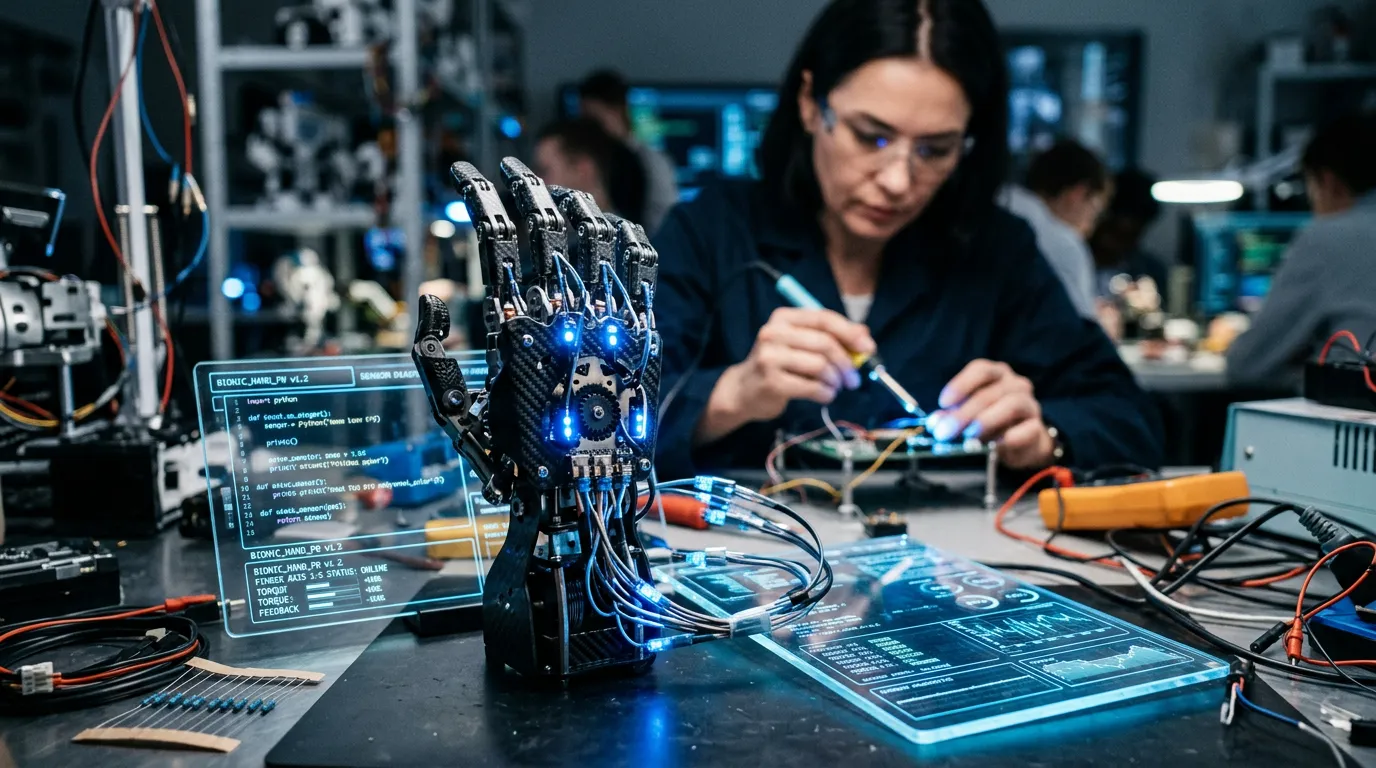
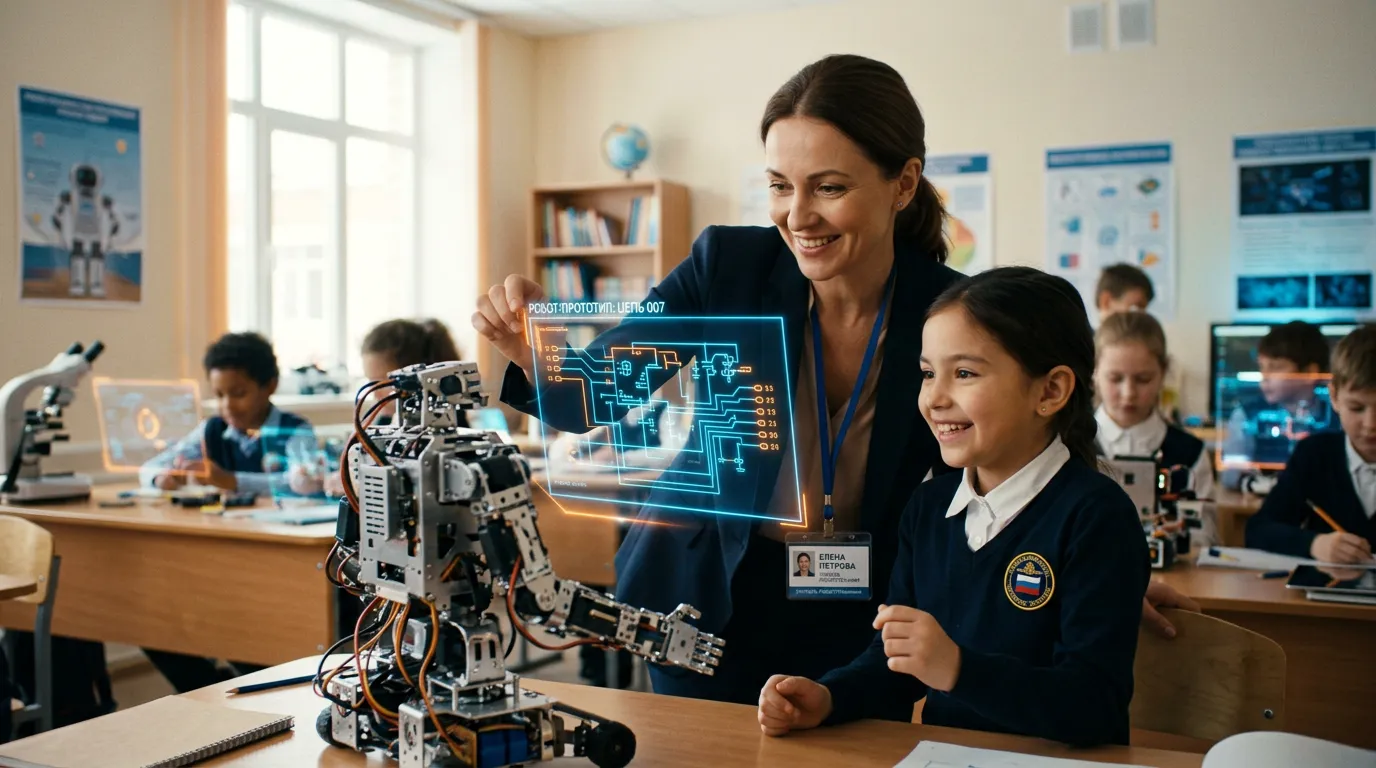
During two months of intensive study, participants mastered practical tools they can immediately apply in the classroom. "Through both individual and collaborative learning activities, we develop skills in robot design and programming, using digital learning environments in robotics classes, applying robotics teaching methods, and understanding the requirements for equipping robotics classrooms," said program instructor Kamil Gafurov.
Training Robotics Educators Close to Home
For Kalmykia, the program represents more than professional development. Instead of sending teachers to other regions for training, the republic can now prepare robotics educators locally. The initiative is part of a broader federal effort. In spring 2026, MAI launched an interregional robotics retraining program that enrolled more than 350 teachers, preschool educators, and vocational education instructors from the Luhansk People's Republic, Kabardino-Balkaria, Adygea, Saratov, Ulyanovsk, Domodedovo, Kurgan, and, of course, Kalmykia.
The curriculum focuses on practical skills in robot design and programming, the use of digital learning environments, and the requirements for equipping robotics classrooms with the necessary instructional hardware.
No Magic Required
"From an educational perspective, I see robotics as a technology for solving practical problems. We need outreach that helps both children and adults understand what robotics really is. Some people view it as if it were a magic wand controlled by a remote. It is important to explain that robotics is a science built on fundamental knowledge," said Natalia Petrovskaya, Senior Research Fellow at the Department of Theoretical Mechanics and Mechatronics at Lomonosov Moscow State University.
Teaching such a specialized discipline requires equally specialized educators, and Russia has been steadily expanding teacher training in this field. In 2024, teachers from the Kasimov District of Ryazan Region completed hands-on training using the Russian Alt Obrazovanie (Alt Education) operating system. They learned how to install software and build and program their own robots. That same year, Bashkir State Pedagogical University launched a professional development program in engineering design and robotics for both general and supplemental education.
In 2025, the geography of these initiatives expanded further. Kazan Federal University introduced its Educational Robotics: A Fast Start for Teachers program. Meanwhile, educators from 17 regions traveled to the Sirius Educational Center to learn how to prepare students for national and international robotics competitions.
In November 2024, Moscow hosted the strategic session Current State and Future Prospects of Educational Robotics in Russia, bringing together more than 120 experts. Moscow City University also became an active contributor to the effort. During the 2024–2025 academic year, more than 330 Moscow teachers completed professional development courses in the Labor (Technology) subject area, including robotics and 3D modeling modules. Demand continues to grow, with applications increasing each year.
Robotics Beyond Major Cities
MAI's program approaches robotics as an interdisciplinary field whose competencies extend beyond information technology into manufacturing, aviation, and healthcare. For schoolchildren in Kalmykia, it creates new pathways into engineering education, even in small rural communities. For the region, it offers an opportunity to identify technically gifted students at an early stage.
The next logical step would be establishing school robotics clubs, engineering classes, project laboratories, and competition teams. Kalmykia plans to integrate robotics and programming into both the standard school curriculum and extracurricular education programs.