Lipetsk Region Shifts to Digital Control of Energy Resources
Lipetskenergo has been deploying artificial intelligence for several years to optimize multiple areas of its operations. Beyond improving customer service and internal workflows, the company has significantly increased its ability to detect violations committed by non-compliant consumers.

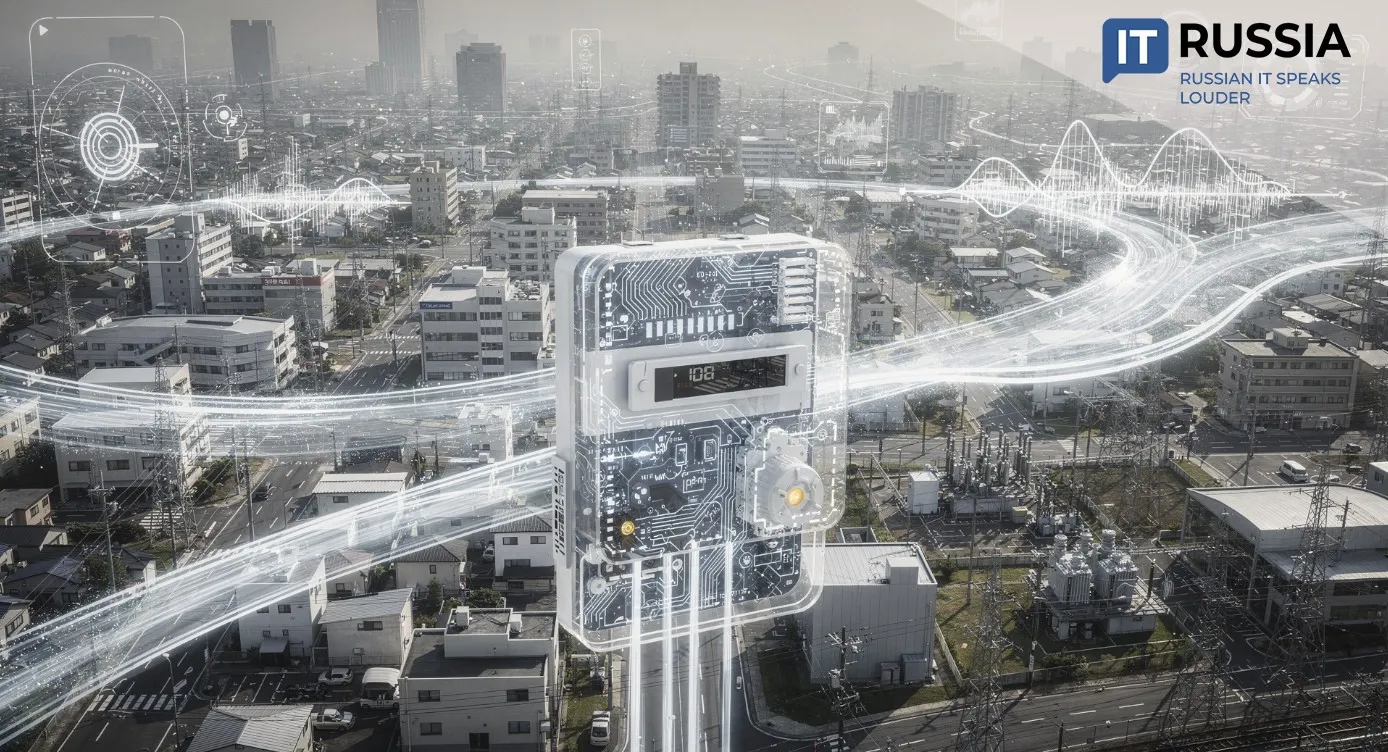
By the end of 2025, 67% of households in the region were equipped with smart electricity meters. At the same time, analytics systems deployed at substations led to a practical step: they were trained to identify zones with abnormally high electricity losses. This made it possible not only to detect theft but also to pinpoint weak sections of the grid and even identify specific offenders.
Using these insights, Lipetskenergo teams conducted 10,000 inspections over the year and uncovered 342 cases of illegal grid connections or unmetered consumption. Of those, 317 resulted in administrative penalties, while five led to criminal charges.
Where Smart Metering Is Evolving
The next stage in deploying smart systems in the power sector will go beyond mass installation of meters. It will focus on integrating distributed intelligent devices into a unified system that analyzes all incoming data.
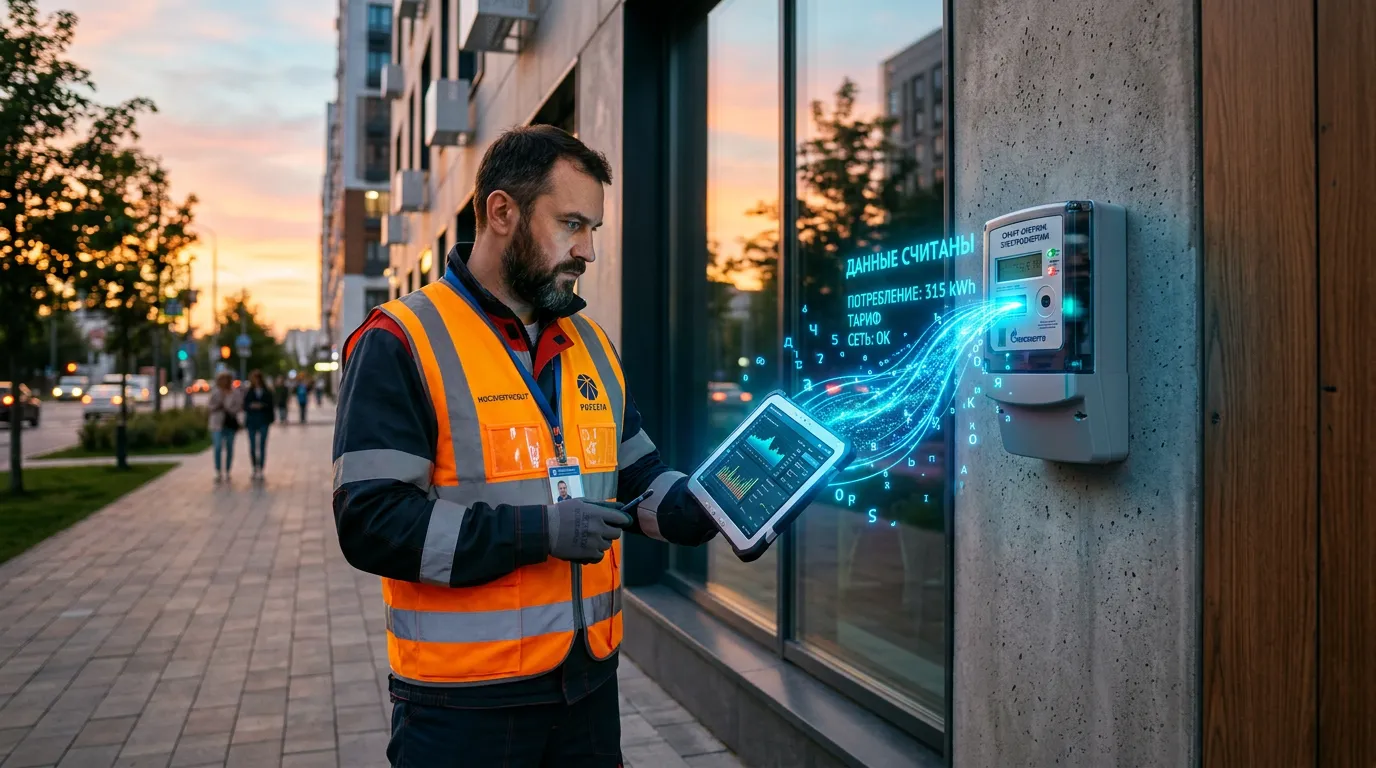
Smart meters installed at consumer sites transmit readings, substation analytics modules identify consumption anomalies, and predictive models help localize likely loss zones. That information is then passed to dispatch teams as specific addresses for targeted inspections.
Such approaches are gaining traction across other utilities, where resource losses and the need for automated oversight are common, including water supply systems, district heating networks and urban infrastructure. This model is likely to see widespread adoption across other Russian regions. It also has potential in EAEU and CIS markets, where grid infrastructure closely resembles that of Russia.
From Regional Practice to Nationwide Deployment
The Lipetskenergo case is not an isolated initiative but part of a broader state-led strategy. Federal Law No. 522-FZ explicitly identifies the development of intelligent metering systems as a priority. At the Ministry of Energy level, officials have repeatedly emphasized that smart meters represent not just an equipment upgrade but a transition to a new operating model for grid and retail energy companies.
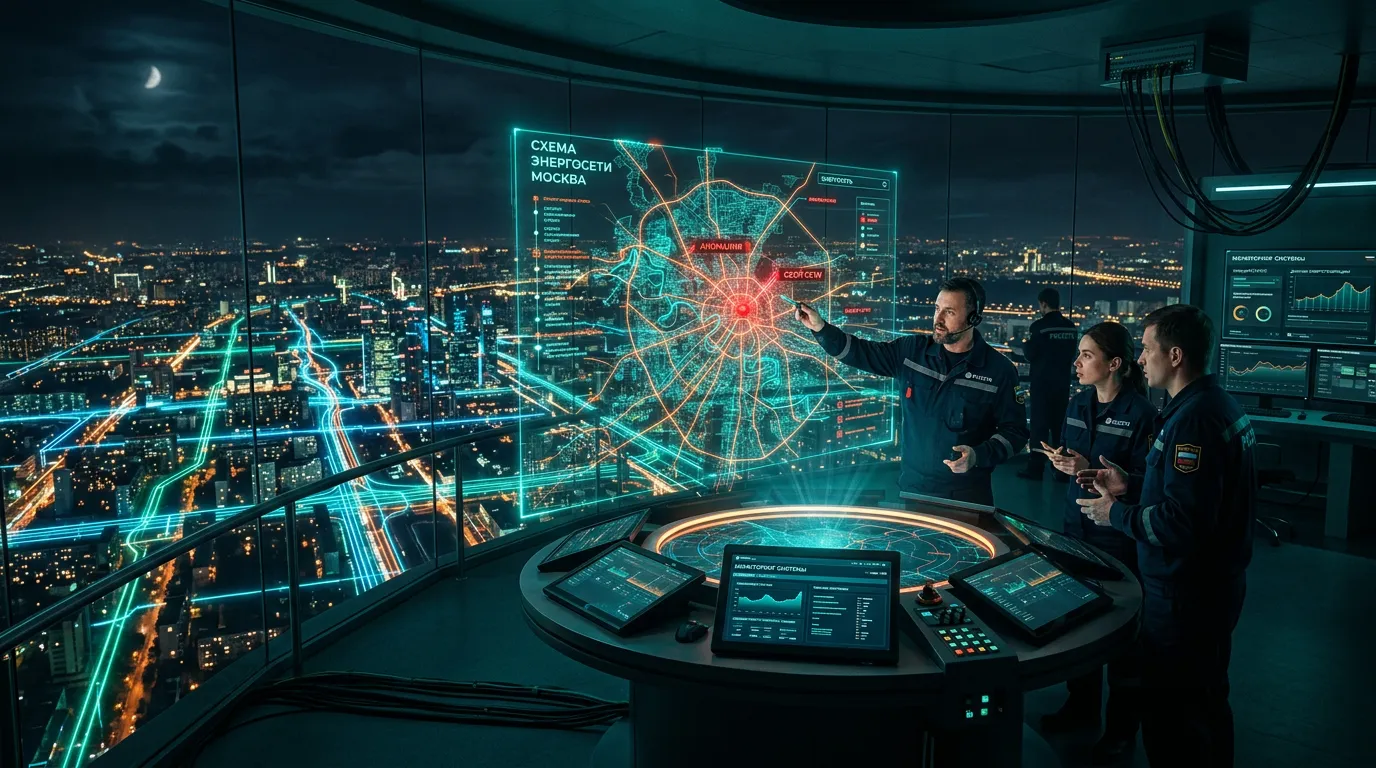
Similar projects are already being rolled out across multiple regions. In the Moscow region, households are being widely transitioned to smart meters that enable remote data collection.
As early as 2023, Rosseti Sibir reported a 42% reduction in unmetered consumption, driven by large-scale smart meter deployment. In 2026, Rosseti Yug announced the installation of 19,800 smart meters across four service regions. This resulted in savings of more than 27 million kWh, with an economic effect of RUB 126.5 million (approximately $1.4 million).
Digital Energy as a Global Trend
The Lipetsk region’s experience shows how Russia is advancing within the global shift toward intelligent energy systems. These technologies improve transparency for consumers while strengthening overall grid resilience.
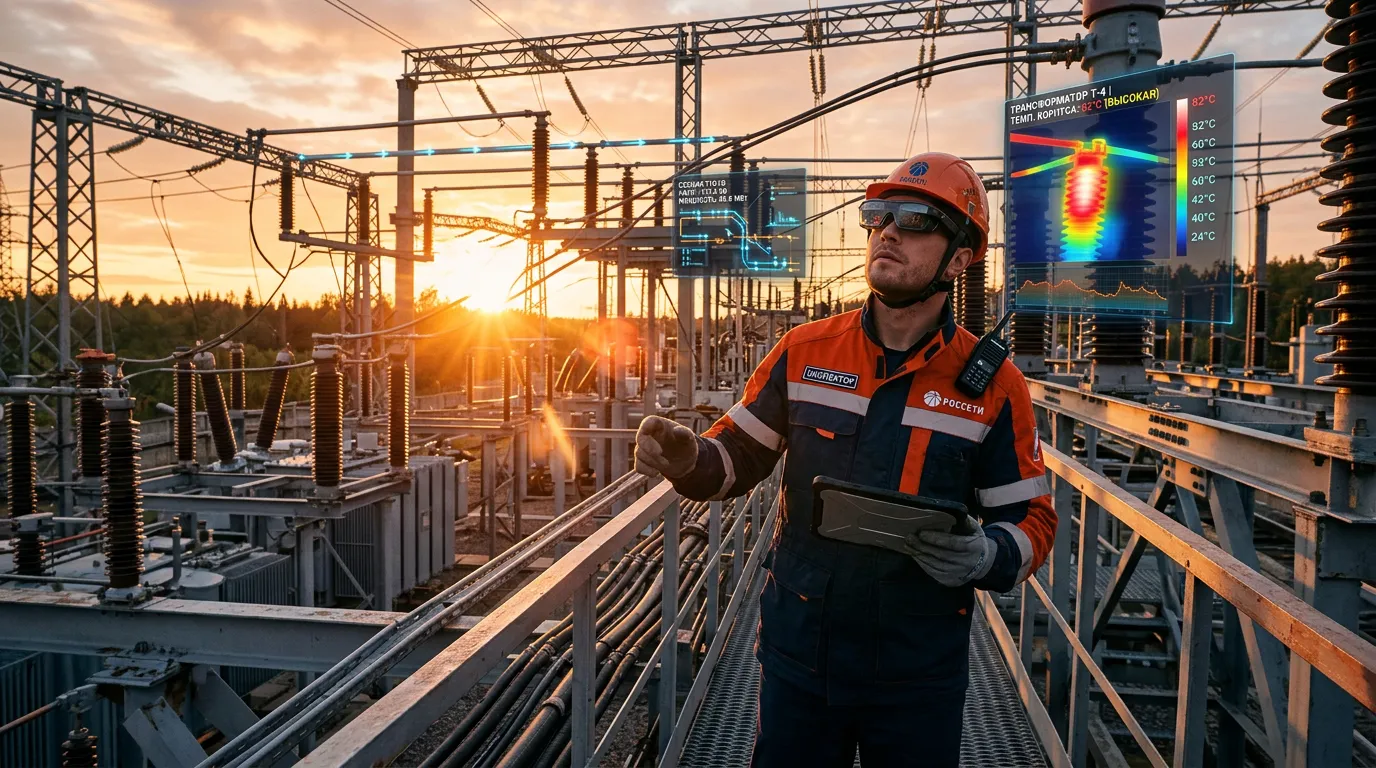
For Russia, this also marks a shift in how distributed energy systems are managed. Smart technologies enable decisions on inspections, maintenance and equipment upgrades to be based on large-scale data processed by intelligent systems rather than delayed complaints or fixed schedules.
The Lipetsk case clearly illustrates the impact of intelligent metering: AI has moved beyond experimentation to become a practical tool that simplifies accounting, reduces energy losses and improves detection of violations.