

New Method Could Unlock the Full Potential of Downhole Pumps
Researchers in Samara have developed a methodology that reduces resonance-induced voltage spikes in electric submersible pumps, extending well service intervals and improving the reliability of oil production.

The development is the result of a joint effort by researchers from Samara State Technical University and Togliatti State University. The method focuses on identifying and preventing electrical resonance generated by the interaction of a variable frequency drive (VFD), a long power cable, and the transformer supplying an electric submersible motor (ESM). Over time, this resonance inevitably damages cable insulation and eventually the motor windings, leading to short circuits, equipment failures, and well shutdowns.
The methodology combines computer modeling, engineering analysis, and equipment tuning based on data collected from operating wells. It integrates a computational model with field measurements and, according to Togliatti State University, has been tested on active wells in the Republics of Tatarstan and Bashkortostan, as well as the Samara and Saratov regions.
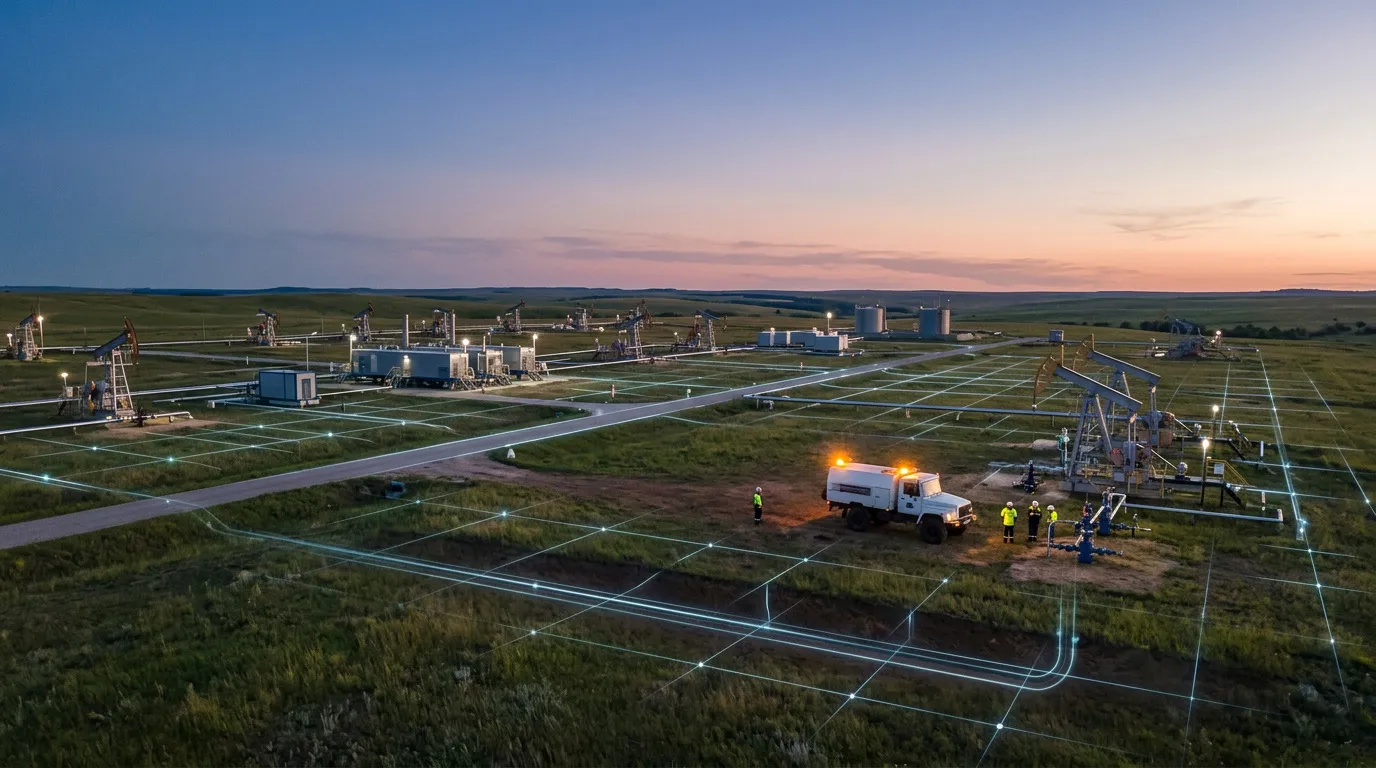
Control the Resonance
The most significant outcome of the project has been an increase of at least 50% in the interval between well workovers.
Oil production in Russia's Volga region has long been characterized by deep wells reaching up to 3,000 meters and reservoir temperatures of up to 200 C. Sulfur content creates an additional challenge by making the production environment significantly more aggressive. Under these conditions, harmonic resonance generated by the variable frequency drive – the device that controls pump speed – becomes particularly destructive. Until now, failures at such fields often appeared paradoxical: despite mechanically sound equipment and intact components, electric submersible motors could fail within weeks. Given the high cost of the equipment, such failures translate directly into lower production efficiency.
Identifying the precise conditions under which dangerous resonance develops has made it possible to prevent it from occurring and, on a broader scale, reduce its impact on oil production. The root cause is that variable frequency drives inevitably generate parasitic harmonics – higher-frequency components superimposed on the primary current. In systems that combine a transformer with power cables stretching up to 5 kilometers, these harmonics create an electrical oscillation effect. Although normal operating voltage ranges from 2 to 3 kilovolts, voltage spikes can reach 15 kilovolts. At that point, insulation fails and the motor burns out.
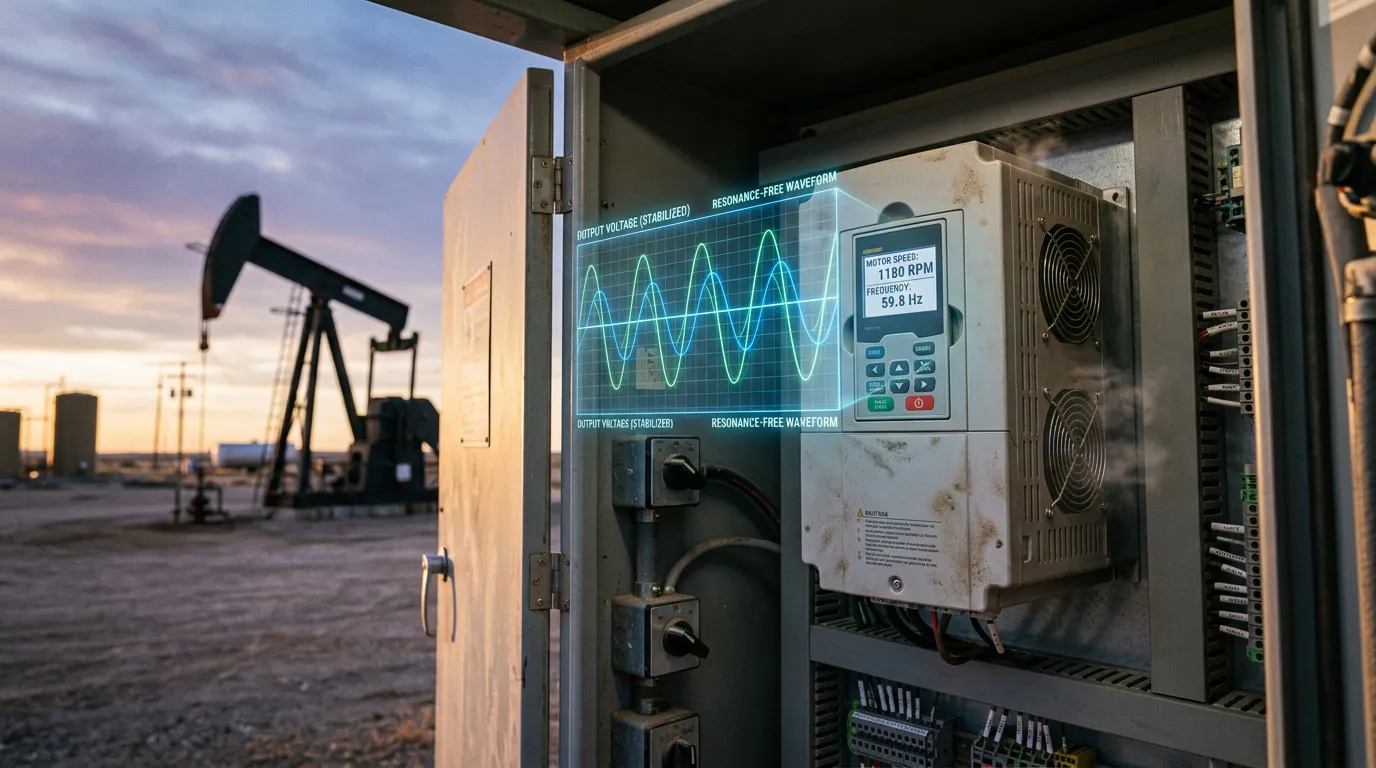
Beyond Standard Design Rules
In the model proposed by the researchers and successfully validated in field operations, harmful harmonics are mitigated primarily through a load filter. Computer modeling made it possible to configure the system so that peak voltage oscillations do not exceed 5 kilovolts. The filter delivers these results only when every component in the system is properly matched to the others. The mathematical model predicts system behavior with an error margin of no more than 18%.
Previously, engineers selected equipment using standardized design rules that did not account for actual cable lengths or transformer characteristics. They now work with precise engineering guidance tailored to each installation. As a result, harmonic resonance can be eliminated during the design stage rather than after equipment has already been deployed.
The researchers monitored more than 1,200 pieces of equipment between 2020 and 2024. Statistical analysis confirmed the findings with a confidence level of 95%. Field validation relied on oscilloscope multimeters, power quality analyzers, and resonance analyzers.
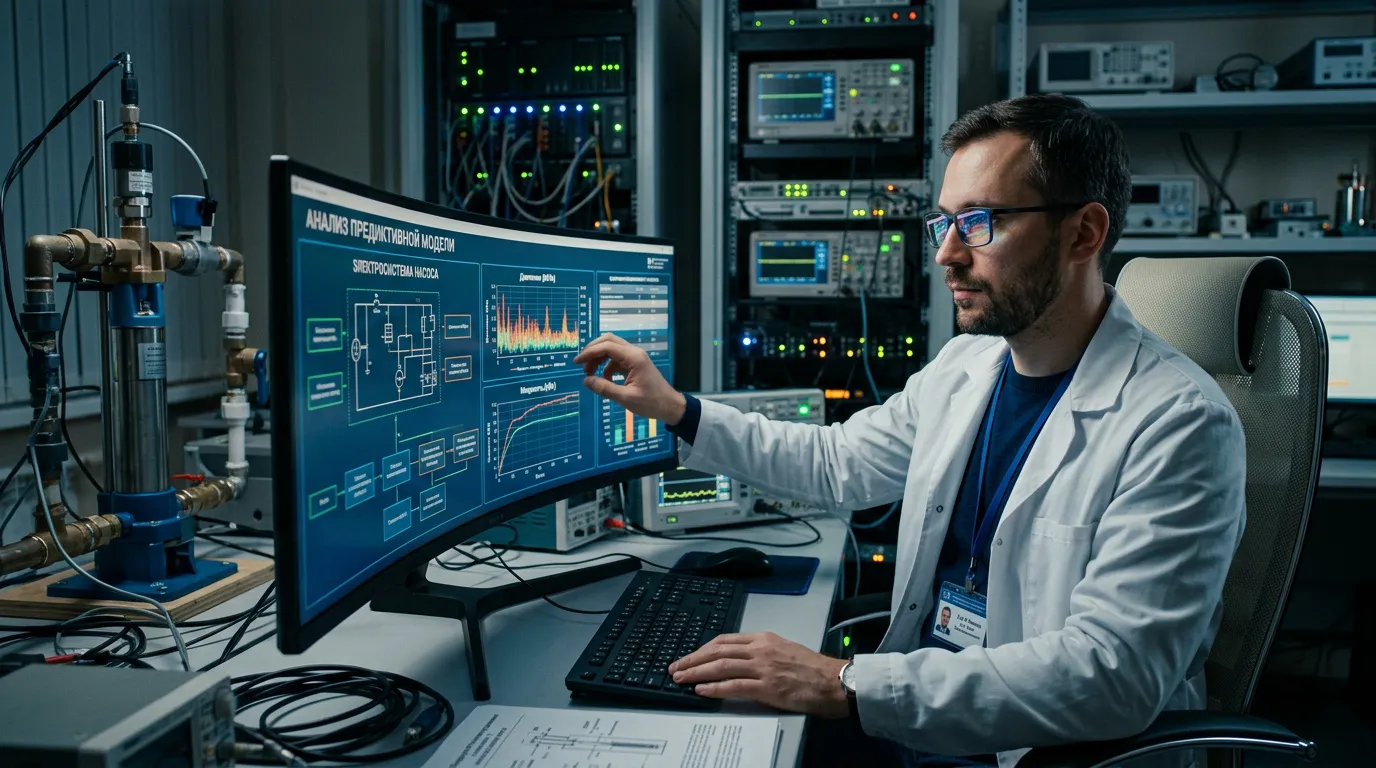
Fundamental Results From Practical Engineering Challenges
In 2023, researchers at Perm Polytechnic significantly improved the efficiency of electric submersible pump (ESP) systems operating in formation fluids with high concentrations of mechanical impurities. Their solution drew on mechanical engineering principles: the filter became self-cleaning through pressure changes, eliminating the need for additional maintenance. A year later, Tsifra Group introduced a digital twin for a gas condensate asset that models reservoir conditions, wells, the gas gathering network, and the gas processing facility while also simulating different operating scenarios.
Across the oil and gas industry, the shift from reactive operations toward predictive management is becoming mainstream. Improving the reliability and extending the service life of electric submersible pumps is now widely recognized as a priority by both operators and oilfield service companies. In 2025, Gazprom Neft showcased digital technologies for well construction at the TNF forum.
Industry experts believe the most likely next step will be to transform the methodology into dedicated engineering software or an industrial diagnostics platform.