Hearth for the Digital Chum: Rosneft Launches Education Initiative for Indigenous Communities of the North
RN-Yuganskneftegaz, in partnership with the Kvantorium Technopark, has launched the educational program Ochag znaniy: ot traditsiy k budushchemu (Hearth of Knowledge: From Tradition to the Future). The initiative combines advanced engineering education with the preservation of Indigenous cultural heritage.
Outside, there are endless forests and snow, while the nearest town lies hundreds of kilometers away over rough terrain. Yet in the hands of a child who only yesterday was helping a parent harness a reindeer sled is a drone controller or a 3D modeling assignment. That unlikely combination is becoming part of everyday school life in the village of Ugut in the Khanty-Mansi Autonomous Okrug – Yugra.
Rosneft's largest oil-producing subsidiary, RN-Yuganskneftegaz, together with the Kvantorium Technopark, has launched the Ochag znaniy: ot traditsiy k budushchemu (Hearth of Knowledge: From Tradition to the Future) initiative. The project aims to extend digital learning opportunities to remote communities that have traditionally had little access to mainstream technology education. Its pilot site is the Ugut Boarding School, the region's primary educational institution for children from Indigenous communities of the North. The school provides year-round accommodation and structured education from September through May.
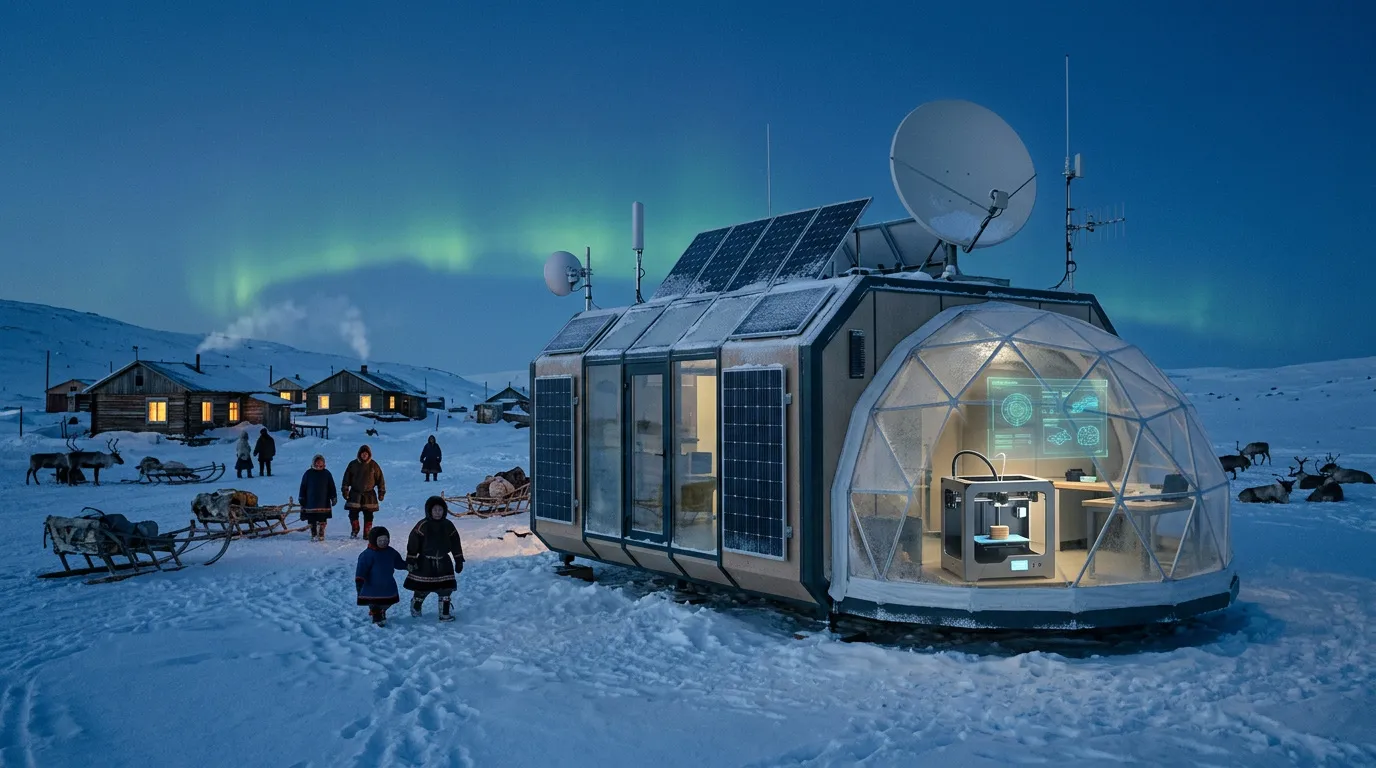
IT Camps
How does the program work? The model is designed around the realities of a nomadic lifestyle. Kids first learn the fundamentals under experienced mentors at the boarding school, where they study the basics of engineering design and create their first three-dimensional digital models. The learning process then moves directly to the ancestral settlements. To support that transition, the project equips traditional family territories with complete technology kits.
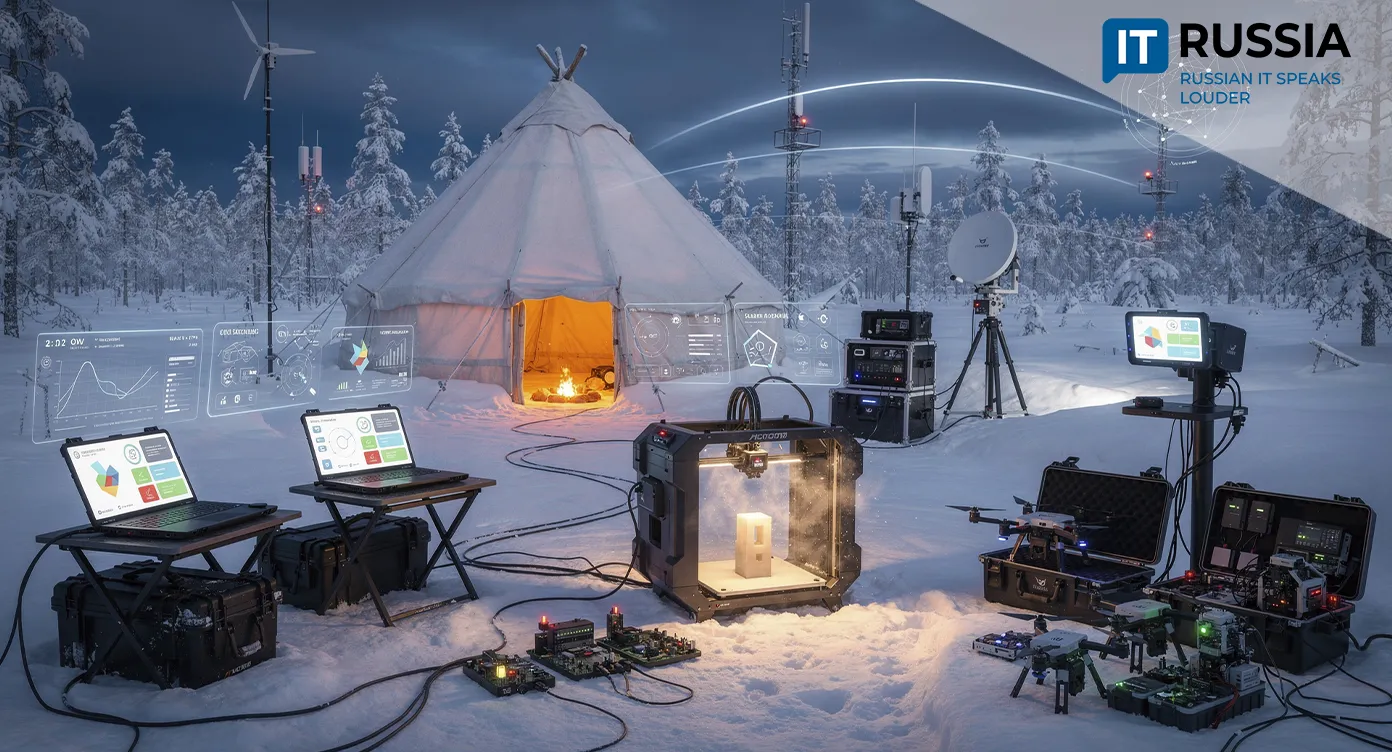
Imagine a chum, the traditional tent, where alongside reindeer hides and the central hearth stand a high-precision 3D printer, printing materials, and a portable computer with broadband internet access. Yugra has been moving in that direction for years. Since 2018, the region has operated the IT-Stoibishche (IT Camp) program. By the end of 2025, 3,713 people living across 182 traditional land-use territories had gained access to the internet and digital services. Students from remote settlements can now do far more than connect to social media. They are able to participate alongside their urban peers in collaborative engineering competitions and cultural events.
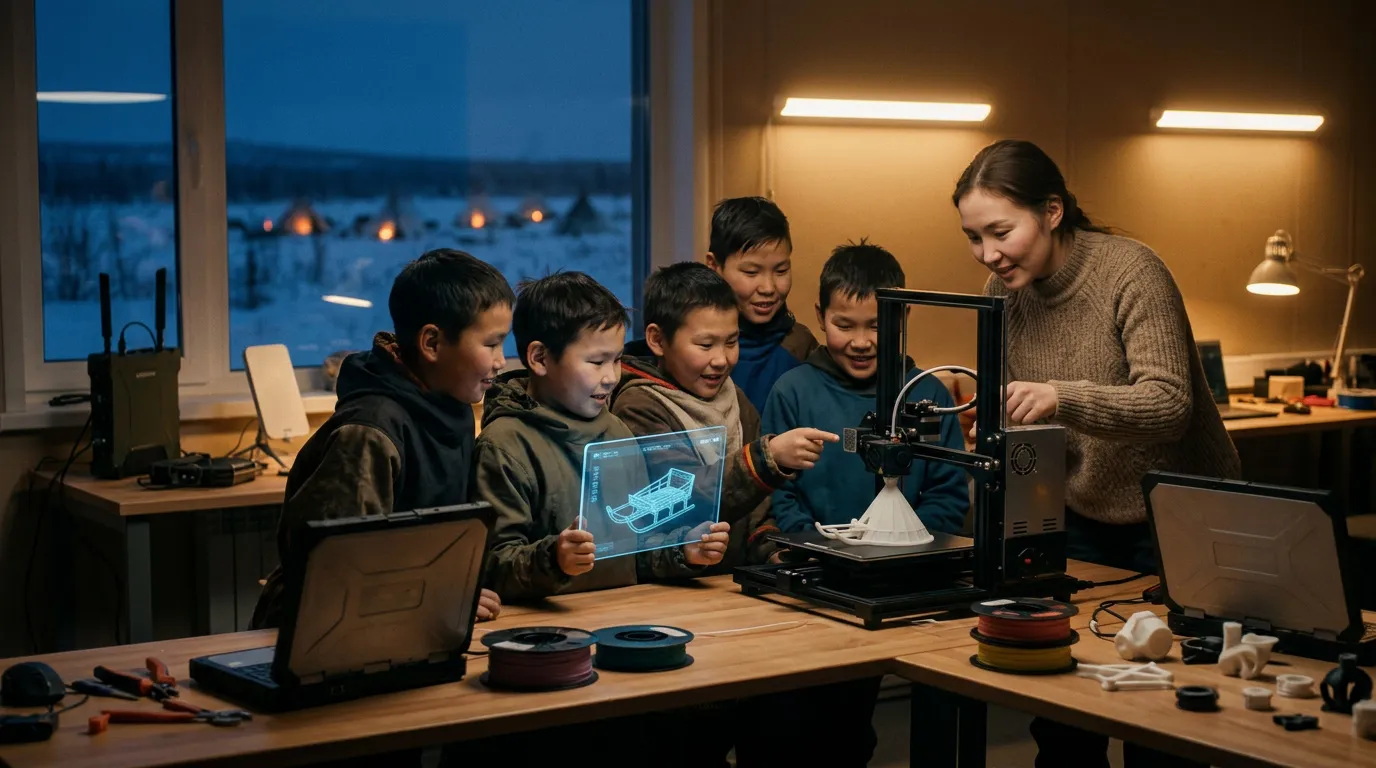
Nomadic Communities Come Online
Efforts to bring digital education to the North have been underway for years. Ugut Boarding School, for example, traces its history back to 1930. Today, however, it has evolved far beyond its origins as a boarding school housed in a former merchant's residence. It has become a modern educational hub. Several years ago, with support from Kvantorium, students were already studying robotics and programming through distance learning. Impressively, the school already had seven drones, a 3D scanner, and nearly 40 robots assembled by students themselves. Children who often have no mobile phone coverage at home quickly mastered virtual reality headsets. At the time, the school's principal envisioned creating "The Fairytale World of Yugra" – a stylized Indigenous settlement enhanced with digital visual effects, projections, and 3D models. The project ultimately ranked among the country's top 12 educational innovation initiatives.
The knowledge and skills students acquire have immediate practical value for everyday life in remote ancestral settlements. Imagine an essential component of a hunting trap or a piece of hunting equipment breaking. Previously, families would have had to wait for an opportunity to travel to town or improvise a replacement from available materials. Now, young residents can design and print the needed component themselves using a 3D printer. The initiative goes beyond career guidance. It applies technology to strengthen a way of life that has endured for centuries.
Rosneft has long viewed education as a driver of regional development. In Evenkia, for example, the company recently helped launch an online platform dedicated to preserving the endangered Ket language, featuring both an audio library and an online translation tool. Meanwhile, Rosneft's Budushcheye Rosnefti (Rosneft's Future) program has for several years brought together talented students from 19 regions to work on real-world challenges facing the oil and gas industry.
According to the government of the Khanty-Mansi Autonomous Okrug, a dedicated commission has now been established to coordinate internet connectivity for remote settlements. The goal is to connect most families that maintain traditional lifestyles. That, in turn, will make it possible to launch fully functioning "Settlement School-Gardens" and expand access to distance learning programs through the IT-Stoibishche network.
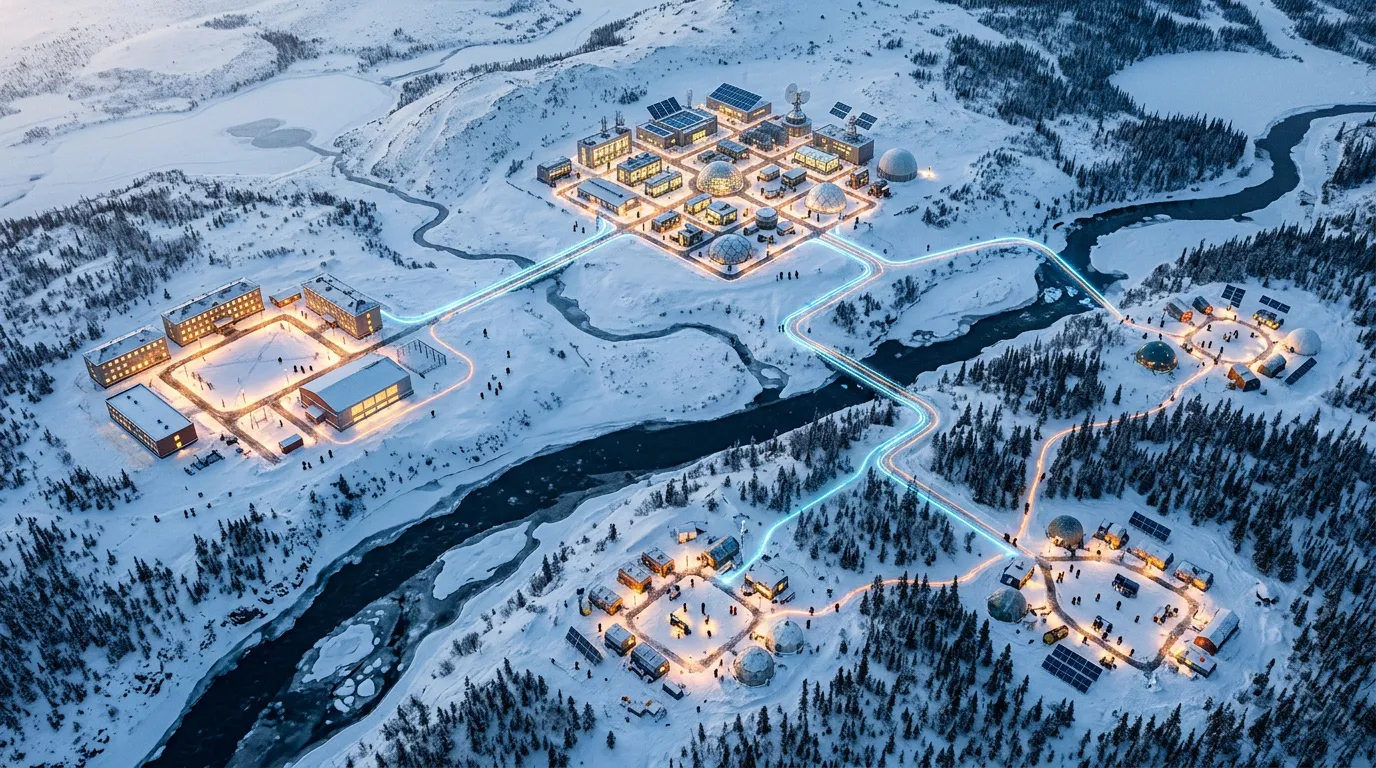
Taiga Talent
For now, the initiative remains a pilot involving one school and several settlements. Its ambitions, however, extend much further. Even after the school year ends and students return home, learning will continue. They will keep studying online directly from their settlements while collaborating with teachers and participants in Kvantorium's summer engineering camp to develop new projects. The program will culminate in an exhibition showcasing joint projects and student achievements – effectively a celebration of emerging engineering talent from the taiga.
On January 1, 2026, Russia's new Concept for the Sustainable Development of Indigenous Peoples through 2036 came into effect. One of its central priorities is closing the digital divide by expanding internet access and online education. Rosneft's initiative aligns directly with that strategy. It also addresses one of the region's long-term workforce challenges. Children growing up in the taiga no longer have to leave their communities to pursue engineering careers. They can remain connected to their traditional way of life, continuing to hunt, fish, and manage family livelihoods while gaining advanced technological skills. If the pilot succeeds, the Hearth of Knowledge model could eventually spread across the Arctic.