Russian LIMS Systems Replace Foreign Platforms at Critical Manufacturing Facilities
Industrial Center for Digitalization (ITsTs), part of the ITECO Group, has completed the deployment of the DES.LIMS (Digital Enterprise System – Laboratory Information Management System) laboratory information management system at Boguchansky Aluminum Plant (BoAZ). Delivered in just seven months, the project automated operations at two laboratories, streamlining quality control while reducing production costs.
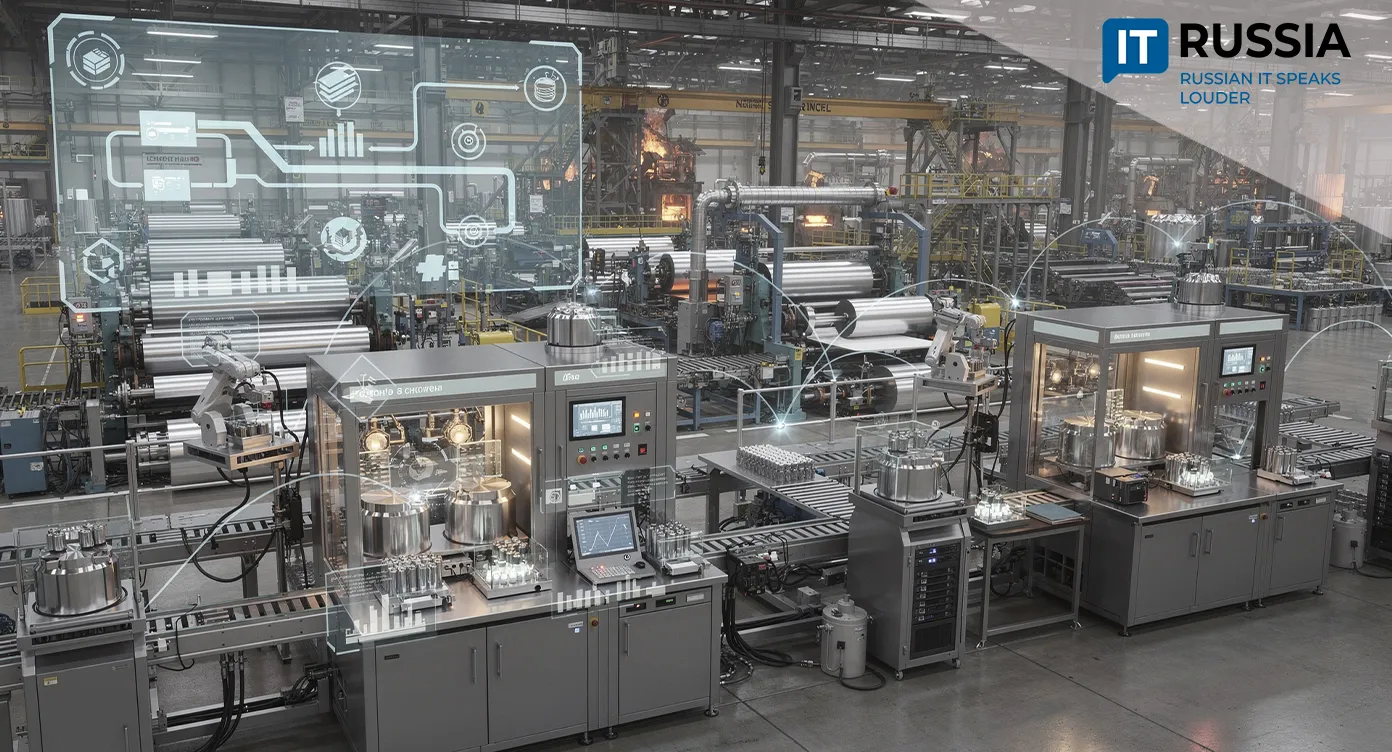
Laboratory workflows have now been automated across the entire sample lifecycle, from sample tracking to the delivery of test results to production teams, as well as the management of laboratory equipment and consumables. A major milestone was the deployment of an advanced analytics layer. Nearly 40 reporting templates now consolidate data automatically from multiple sources, eliminating the need for staff to manually compile spreadsheets and laboratory logs. Managers receive ready-to-use reports that provide clear visibility into product quality, measurement reliability, and the resources consumed by each analysis. That has eliminated routine administrative work, made laboratory operations more transparent, and accelerated decision-making.
Laboratory Data Becomes Business Intelligence
DES.LIMS (Digital Enterprise System – Laboratory Information Management System) is Russia's first industrial-grade platform designed to automate non-standard laboratory and research workflows. Its flexible architecture and extensive reference libraries have enabled deployments across the power, oil refining, chemical, and mining industries, as well as environmental monitoring, agriculture, and healthcare.
Among the platform's key advantages are its competitive cost and comprehensive support from a Russian software vendor, making it a strong alternative to foreign products. DES.LIMS also serves as one component of the broader digital ecosystem being developed by ITECO. Laboratory automation is integrated with complementary software, allowing manufacturers to move seamlessly from quality control to enterprise-wide production management - from Manufacturing Execution Systems (MES) to Health, Safety and Environment (HSE) platforms and Business Intelligence (BI) tools.
The company is also investing heavily in advanced industrial technologies, including AI-powered video analytics, robotic production lines, and artificial intelligence applications designed to optimize manufacturing. All software products developed by the Industrial Center for Digitalization are included in the Russian Ministry of Digital Development's Unified Register of Domestic Software.

The Aluminum Industry's Largest LIMS Network
ITECO's solutions have already been deployed at leading companies in the oil and gas, mining, chemical, and metals industries. In 2024, the major chemical producer Kaustik replaced the foreign STARLIMS platform with DES.LIMS.Pro (Digital Enterprise System – Laboratory Information Management System Professional), a Russian platform for laboratory testing management and quality control across the entire production chain. The system now operates in two production shops, processing approximately 1,000 samples and supporting 260 testing methodologies every day.
ITECO's largest project to date has been the rollout of the DES.LIMS laboratory information management system across production sites operated by RUSAL, the world's largest aluminum producer. The project covered 13 facilities spanning the company's aluminum, alumina, and products divisions in regions stretching from Murmansk Oblast to Irkutsk Oblast. Its primary objective was to create a unified platform by automating laboratory operations across all RUSAL facilities, standardizing quality control procedures, and integrating them with manufacturing systems.
Following the successful completion of pilot deployments, the platform was rolled out across additional facilities. The project automated three categories of laboratories - physical, chemical, and industrial hygiene - while implementing more than 2,100 measurement methods and connecting approximately 150 analytical instruments. The system now processes more than 11,000 measurements every day. In addition, developers created 48 integration interfaces linking the LIMS platform with other enterprise information systems.
Import Substitution Drives Market Growth
Russia's LIMS market has expanded rapidly following the withdrawal of Western software vendors. Demand peaked in 2022, when the market grew by 21% in a single year. By 2024, the Russian laboratory services market had reached 270.6 billion rubles (approximately $3.4 billion).
Russian developers are replacing discontinued Western platforms with systems designed from the outset to comply with Russian GOST standards and the operational requirements of domestic manufacturers. One widely adopted example is 1C:LIMS Enterprise Laboratory Management from 1C, which is frequently selected by companies in the food, cosmetics, pharmaceutical, and light manufacturing industries. Its principal advantage is relatively straightforward integration with existing 1C:ERP environments.
Akelon LIMS, developed by Akelon, is widely used to digitize laboratory operations, including pharmaceutical laboratories. The platform moves routine laboratory workflows into a digital environment, provides end-to-end sample traceability, and supports strict compliance with Good Manufacturing Practice (GMP) standards. I-LDS, developed by IndaSoft, provides an integrated environment for quality control of raw materials, intermediate products, and finished goods, while supporting direct integration with laboratory instruments. EAE.LIMS, developed by EAE-Consult, is valued for allowing manufacturers to tailor the platform to highly specific operational requirements without writing new code from scratch.
Industry analysts expect Russia's LIMS market to grow at an average annual rate of about 9% over the next several years. By 2030, the market could reach 470-530 billion rubles (approximately $5.9-6.7 billion), supporting continued demand for laboratory automation technologies.