Russian Developers Create Digital Flowmeter for Oil Wells
Specialists at Bashneft and Rosneft’s Ufa research institute have developed and patented a digital service called Virtualny Raskhodomer (Virtual Flowmeter). The service is already in use at one of the company’s oil fields.
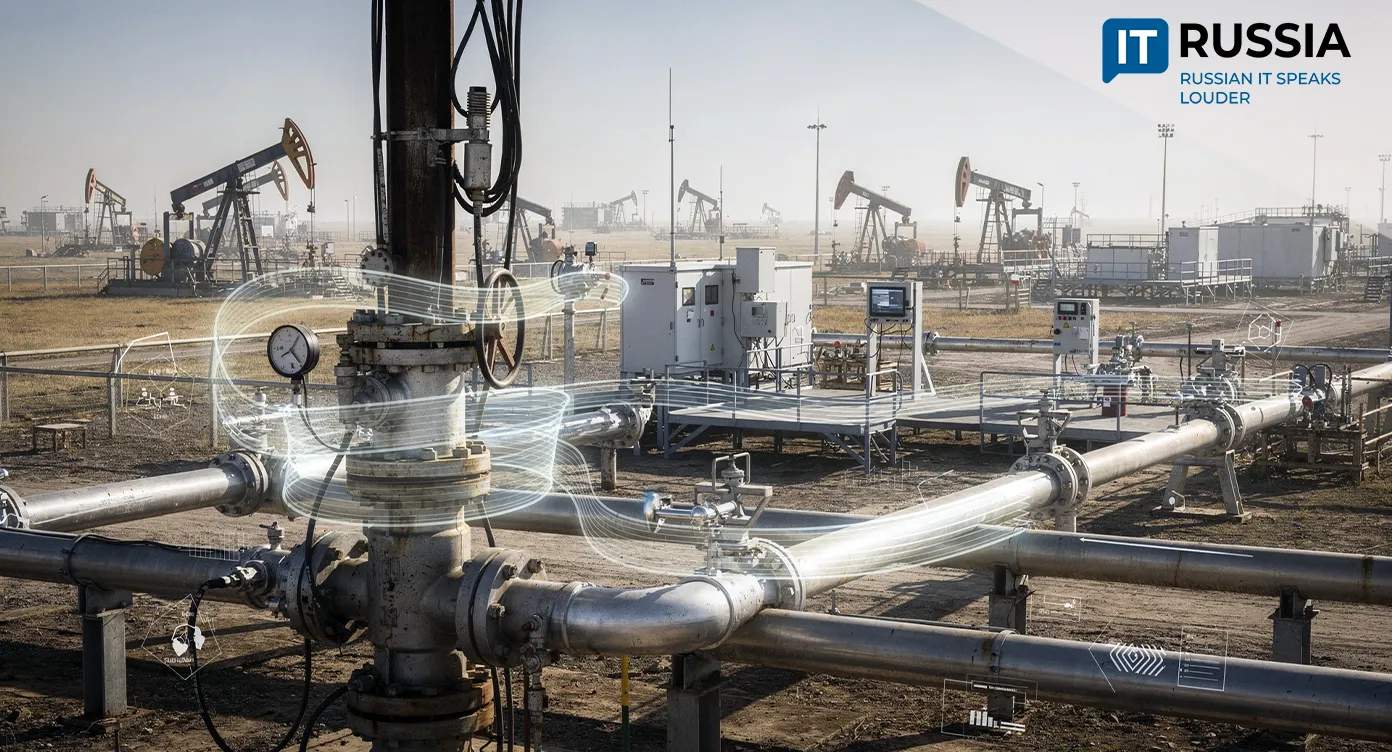
Virtualny Raskhodomer is a software module that does not measure flow directly but calculates oil well production rates using indirect data. The system can apply the same approach to gas and formation water. It collects information from downhole telemetry systems, pump control stations and wellhead sensors, then uses mathematical and intelligent models to estimate inflow.
10 Seconds per Well
In practice, the service automatically pulls data from Rosneft’s corporate RN-VEGA system, which is designed specifically for planning and analyzing well hydrodynamic studies. In just 10 seconds, algorithms that also employ machine learning calculate each well’s potential inflow. The system then compares the actual production rate with that potential in real time. As a result, engineers can immediately see which wells have untapped capacity and where hydrocarbon production can be increased without replacing equipment.
The technology is expected to be integrated with Rosneft’s RN-Prediks.Saturn oilfield management system at a later stage. The company plans to roll out the solution across its other production assets.
Bringing Expertise Together
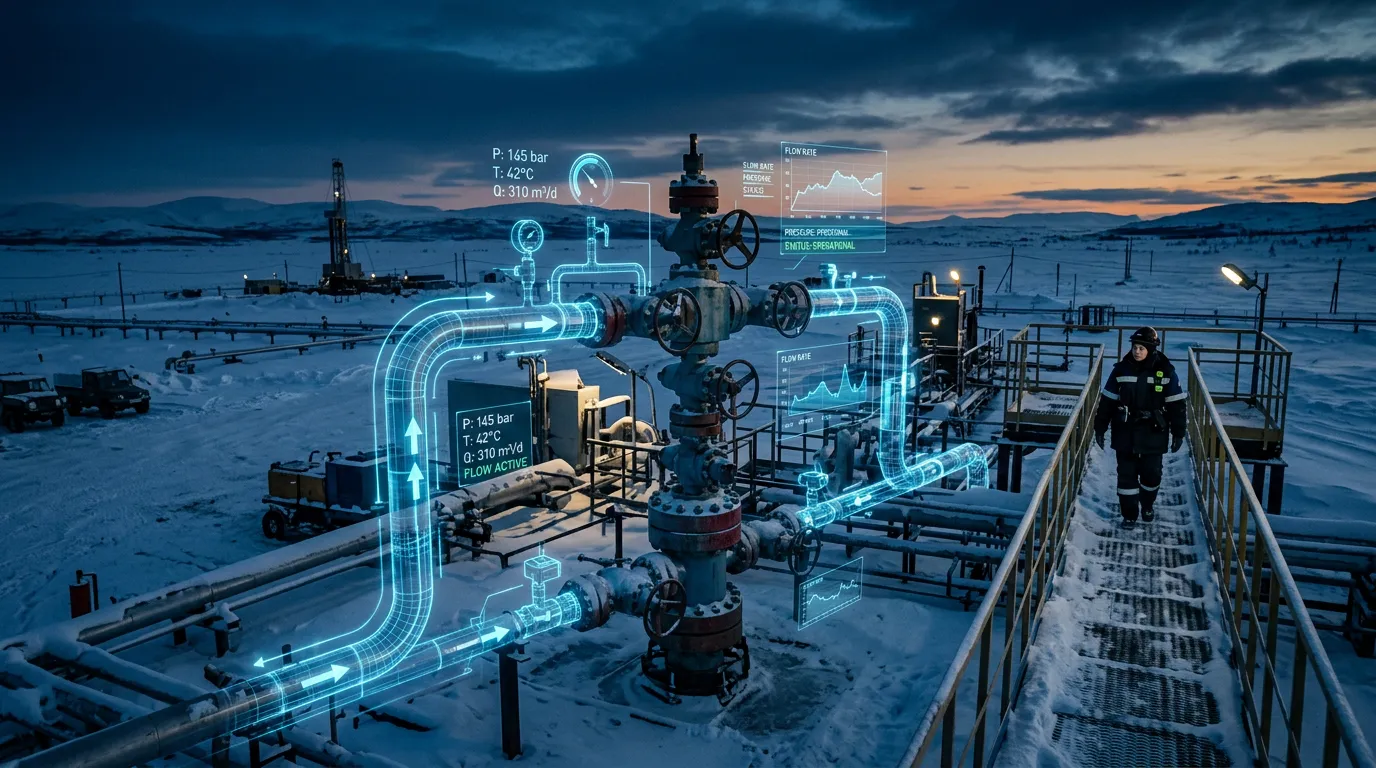
Virtualny Raskhodomer is the work of several teams. Engineers at Bashneft, a Rosneft subsidiary, defined the practical requirements and tested the solution in the field. The Ufa-based RN-BashNIPIneft research institute has the full range of expertise needed to develop advanced scientific software. Its engineers, programmers, reservoir engineers and machine learning specialists worked together on the final product.
A patent has already been granted for the joint development. Pilot field trials showed that the virtual flowmeter’s maximum error in estimating production rates, compared with data from metering units, is no more than 4% to 5%. For real-time operational monitoring, that is a strong level of accuracy.
In practical terms, the service addresses several needs at once. First, it can monitor a portfolio of wells without requiring automated group metering units in locations where installing them would be expensive or difficult. It also helps estimate individual phase flow rates and can serve as a backup monitoring system.
Notably, the technology fits squarely within the Rosneft-2030 strategy, which aims to achieve full technological sovereignty in Russia’s fuel and energy sector.
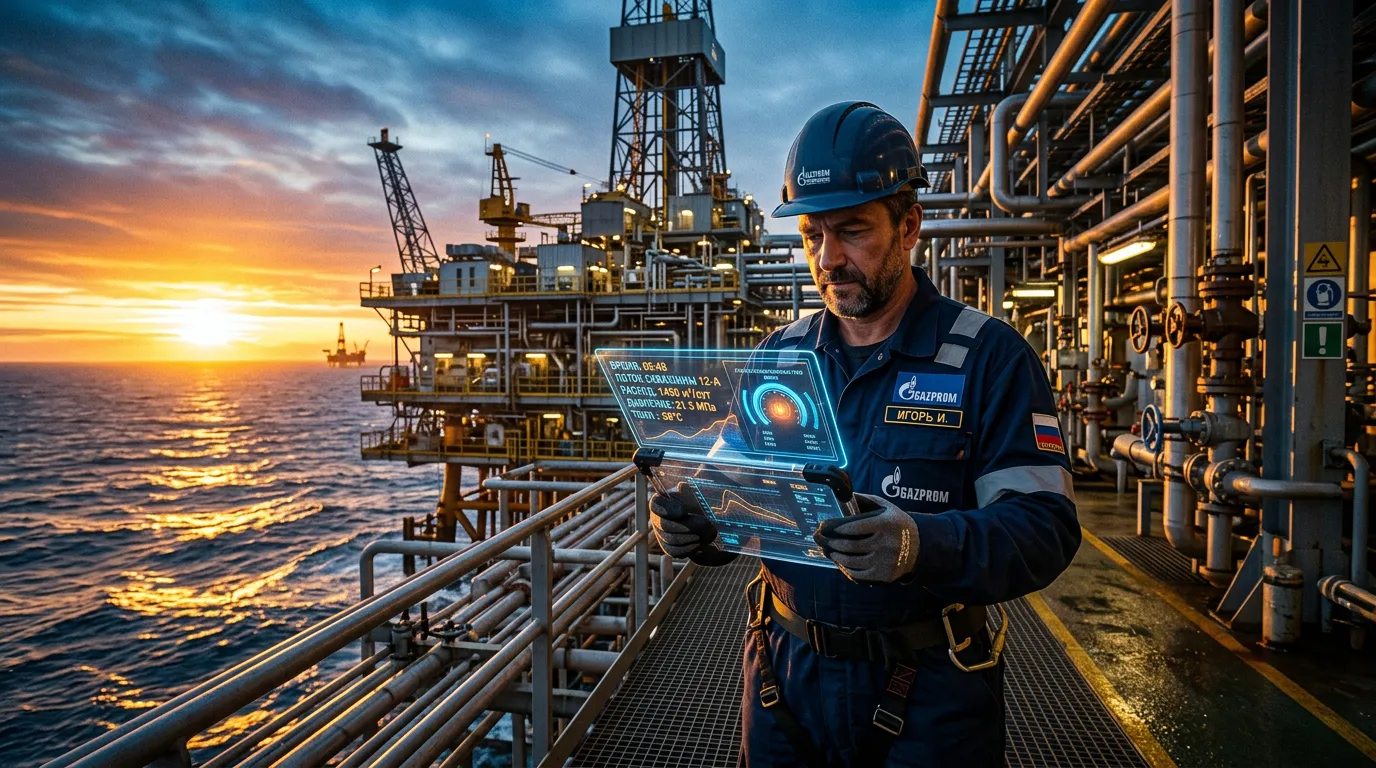
Untapped Potential in Every Well
Virtual flowmeters and digital oilfield models are already used by Russian and international companies. What matters more in this case is that Rosneft’s specific technology has progressed from a previously announced algorithm to a patented product that has undergone pilot field operation. The company first announced the algorithm in October 2024 and presented it as one of its oil production innovations in May 2025.
To put the development in a broader industry context, it is worth recalling that LUKOIL launched an integrated digital model of the Vatyeganskoye field in 2021 that included digital twins of more than 3,000 wells. The system was used to assess production potential, monitor operations and select optimal operating modes.
Virtual flowmeter technology continued to develop in Russia in 2022, when a range of solutions was introduced to calculate well production rates from indirect operating parameters. Gazprom Neft announced the most extensive development in this area in 2023, when it created the largest digital twin of oil, gas and condensate treatment facilities at the Novoportovskoye field. The model included more than 1,500 pieces of equipment and enabled real-time facility monitoring and engineering calculations.
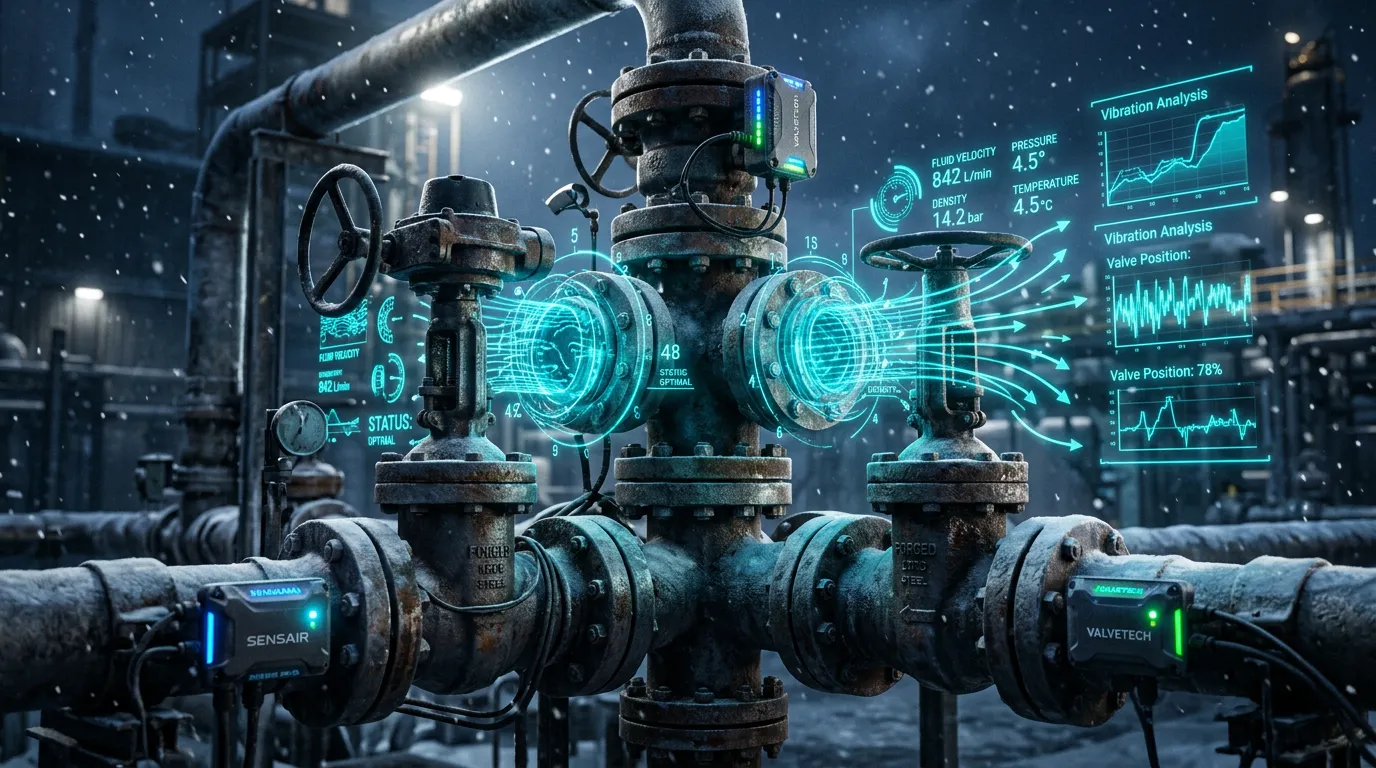
Overall, Virtualny Raskhodomer can be expected to develop further. As a digital assistant for engineers, it saves time on data analysis, helps quickly identify bottlenecks and improves production efficiency.