Homegrown Science, Homegrown Hardware: How Russia Is Building Its Own Medical Technologies
Russia has set a target to reduce the share of imported medical equipment to 20% by 2030. Behind that goal is substantial progress already made: 90% of hospital software is domestically developed, equipment procurement has exceeded plans by 80%, and artificial intelligence has moved from theory into everyday clinical practice. Here is how the market is evolving, who is building these technologies and what it means for patients.
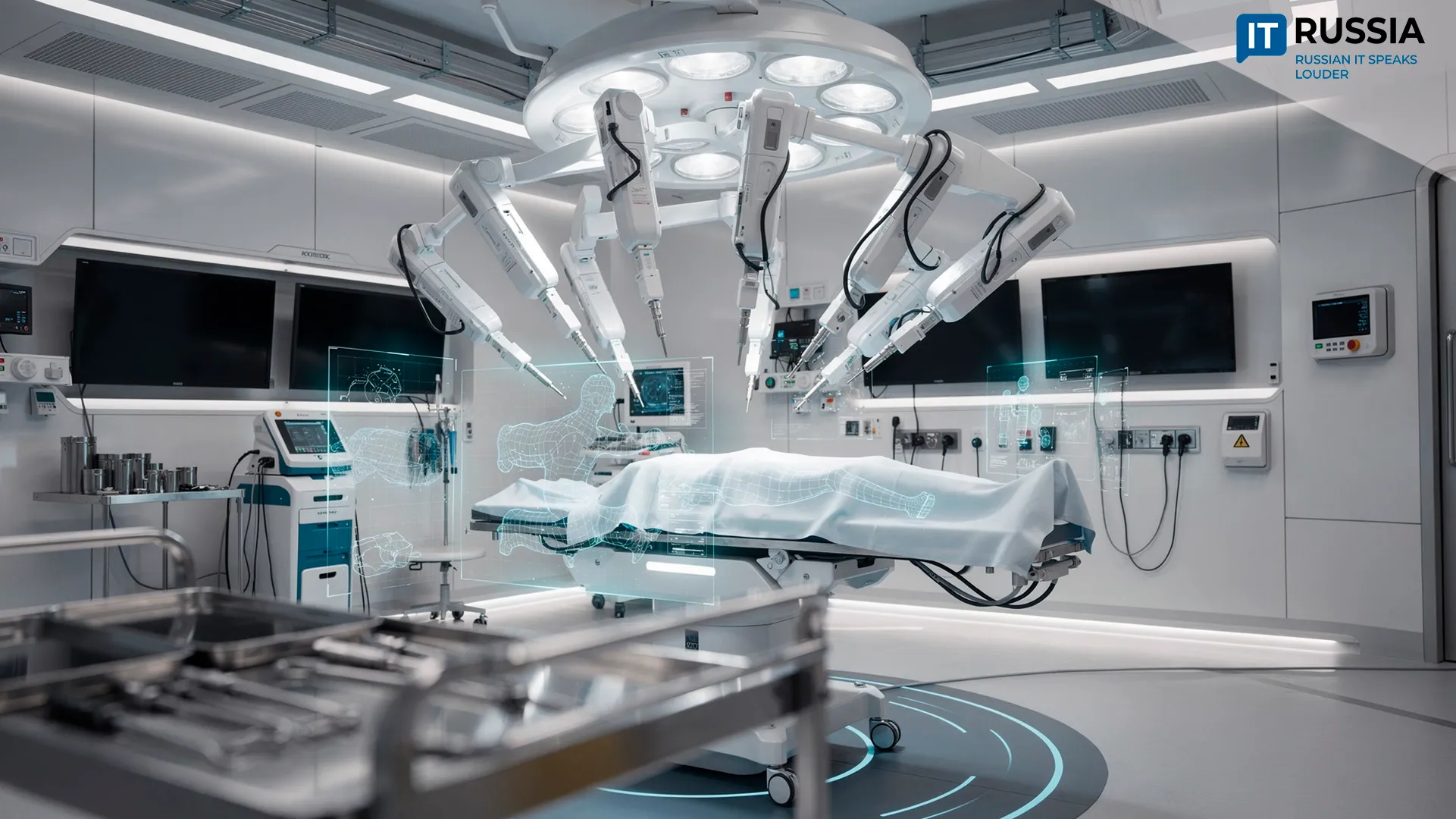
One of the clearest indicators is software. Nearly 90% of digital solutions used across Russian healthcare today are developed domestically. These are full-scale systems that support the daily operations of clinics, hospitals and major diagnostic centers.
Domestic Hardware Gains Ground
According to Russia’s Ministry of Health, approximately 175,000 units of domestically produced medical equipment have been delivered to hospitals and outpatient clinics in recent years. X-ray systems, CT scanners, surgical instruments and laboratory analyzers are now in active use.
The government has set a new benchmark: reduce the share of imported medical equipment to 20% by 2030.
Telemedicine and AI
Telemedicine has become routine practice. Across regions, specialized centers allow physicians in regional hospitals to remotely consult and monitor patients in rural areas located hundreds of kilometers away. This model relies on equipment such as cameras, servers and, critically, simple and reliable devices that patients can use at home – blood pressure monitors, connected glucose meters and portable ECG systems. These devices are integrated into a unified network, enabling clinicians to monitor patient conditions in real time.
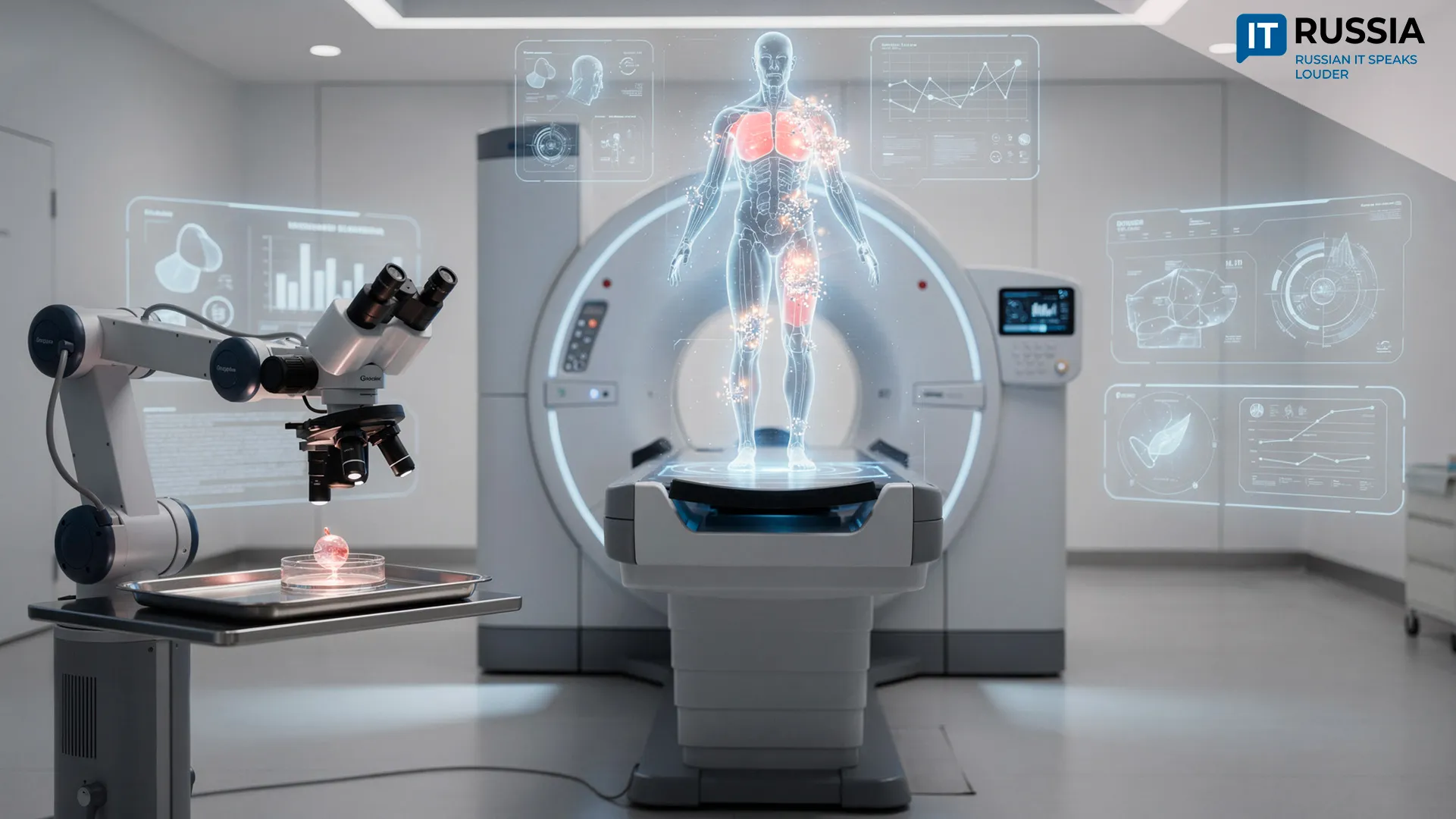
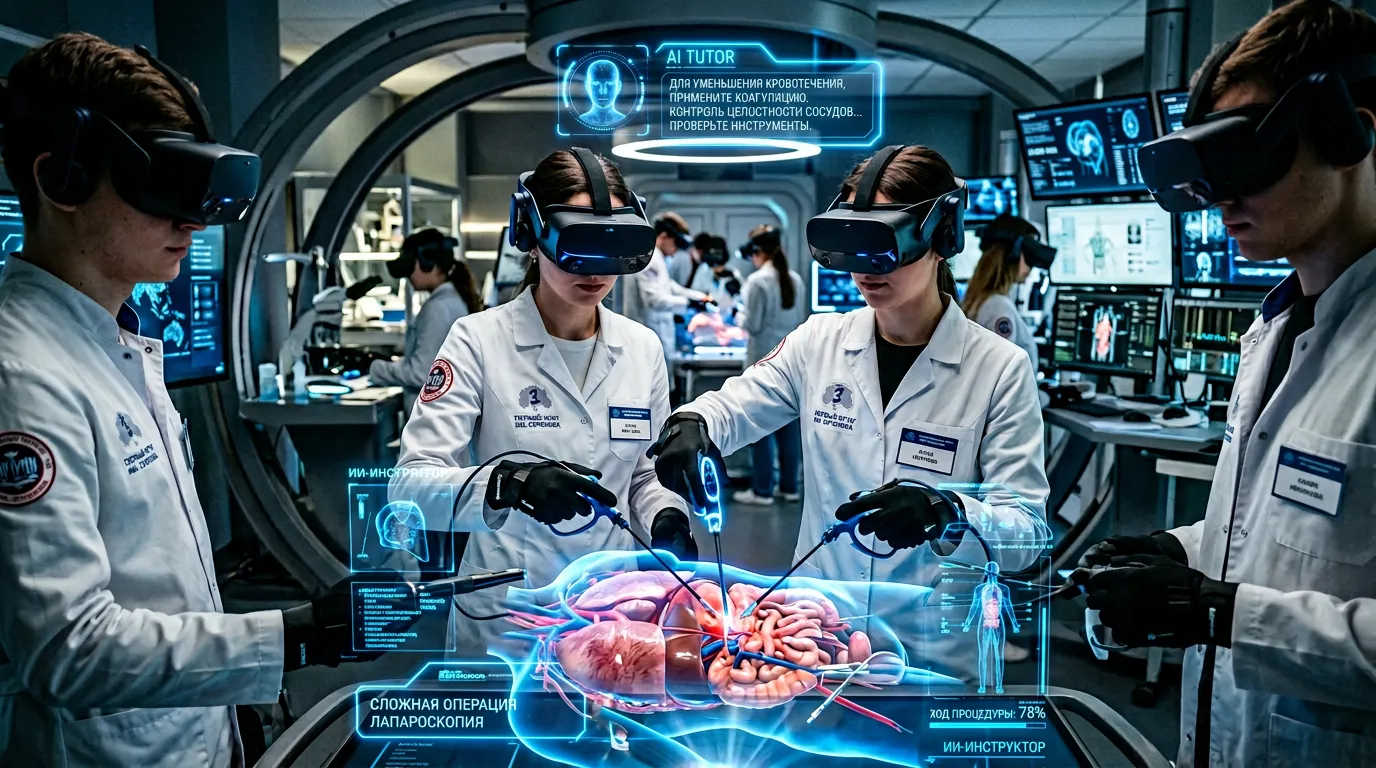
The most significant shift in recent years, however, has been the adoption of artificial intelligence. Just five years ago, it was largely theoretical. Today, AI serves as a practical clinical tool that helps physicians avoid missing critical findings. For example, during a routine fluorography exam, the imaging system produces a scan and a neural network immediately highlights areas of concern – lung opacities or microfractures. The physician reviews these flags, verifies them and determines the appropriate course of treatment.
More than three dozen such AI-driven solutions are already deployed in Russia. They are officially registered as medical devices and are actively used in hospitals. As of early 2025, 412 regional projects had been implemented to integrate AI systems into healthcare workflows.
The government is taking a structured approach. In 2025, regulations were introduced requiring data generated by AI systems to be automatically transmitted to a unified national information system. This strengthens quality oversight and increases transparency in how these technologies are used.
Who Is Building the Ecosystem?
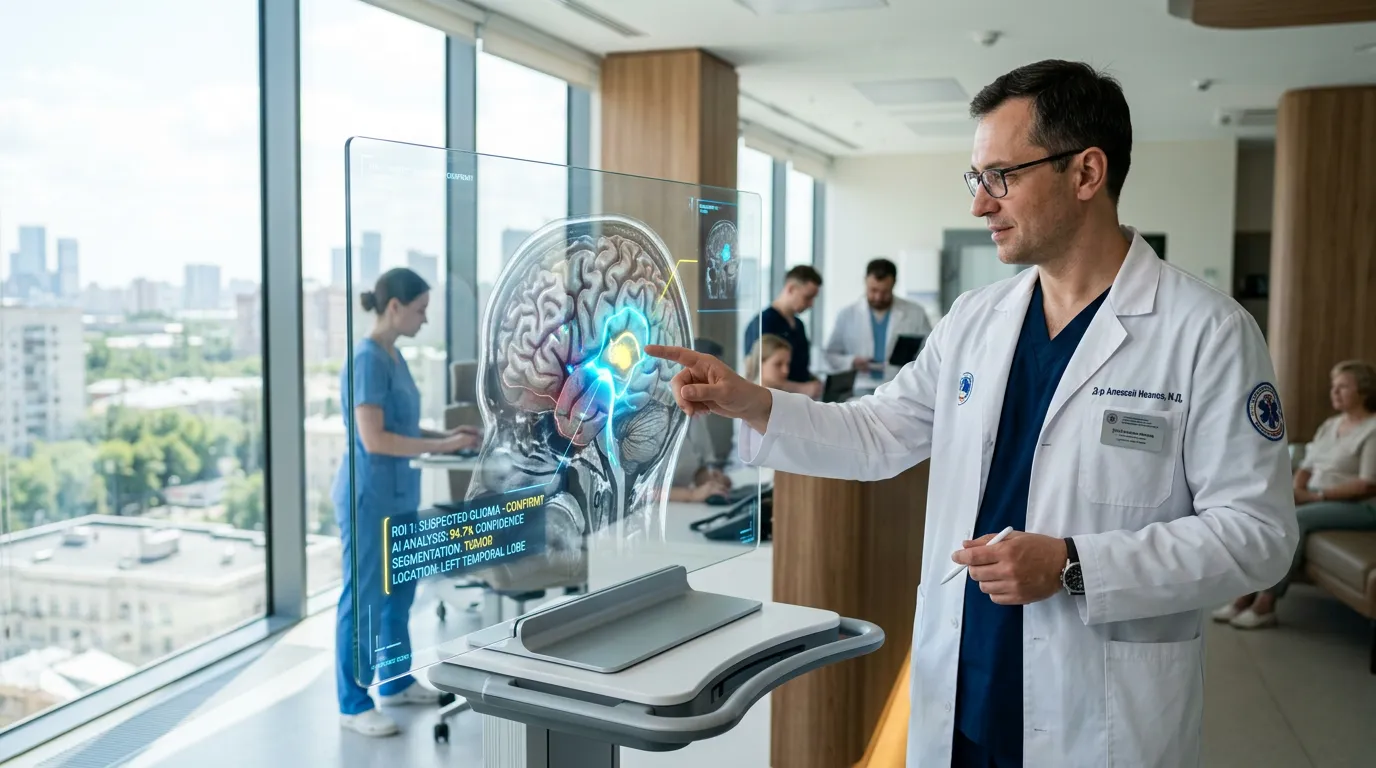
For many years, the Russian medical equipment market was dominated by Western brands. That landscape has shifted. Entire market segments have opened up, and domestic manufacturers have moved in.
Take glucose meters as an example. The company ELTA is now a leading player in the domestic market. Millions of people use its devices under the “Satellite” brand. Another example is Neurosoft, based in Ivanovo, which has long produced EEG and ECG systems for both domestic use and export. Its equipment is deployed in dozens of countries.
Among large industrial groups, Shvabe, part of Rostec, stands out. The company produces a wide range of equipment, from neonatal incubators and anesthesia systems to advanced X-ray complexes. Together with Rosatom, it is also working on a key project – the development of a domestic MRI system. The first production units with 1.5 Tesla field strength are expected in 2026.
There are also specialized manufacturers focused on laboratory equipment. DNK-Tekhnologiya produces PCR systems – the same type of equipment that became critically important during the pandemic. Today, these systems are manufactured as standard domestic products.
Why It Matters
For Russia, this shift is about resilience and independence. Domestic hardware and software enable the country to shape its healthcare system based on national priorities rather than external supply constraints. The goal of reducing imports to 20% by 2030 remains central to this strategy.
For patients, the benefits are direct. Faster and more accurate diagnoses. Access to quality care in smaller towns and rural areas without long travel times. Reduced waiting times as digital tools take over routine tasks.
Russia also has export potential in this space. For countries in the EAEU and other partner markets, Russian solutions can offer cost-effective, reliable technologies that are easier to deploy and aligned with local regulatory frameworks. In addition, the experience gained in healthcare digitalization can serve as a valuable export asset.