

AI Platform Helps Physicians Detect Disease Earlier in Sakhalin
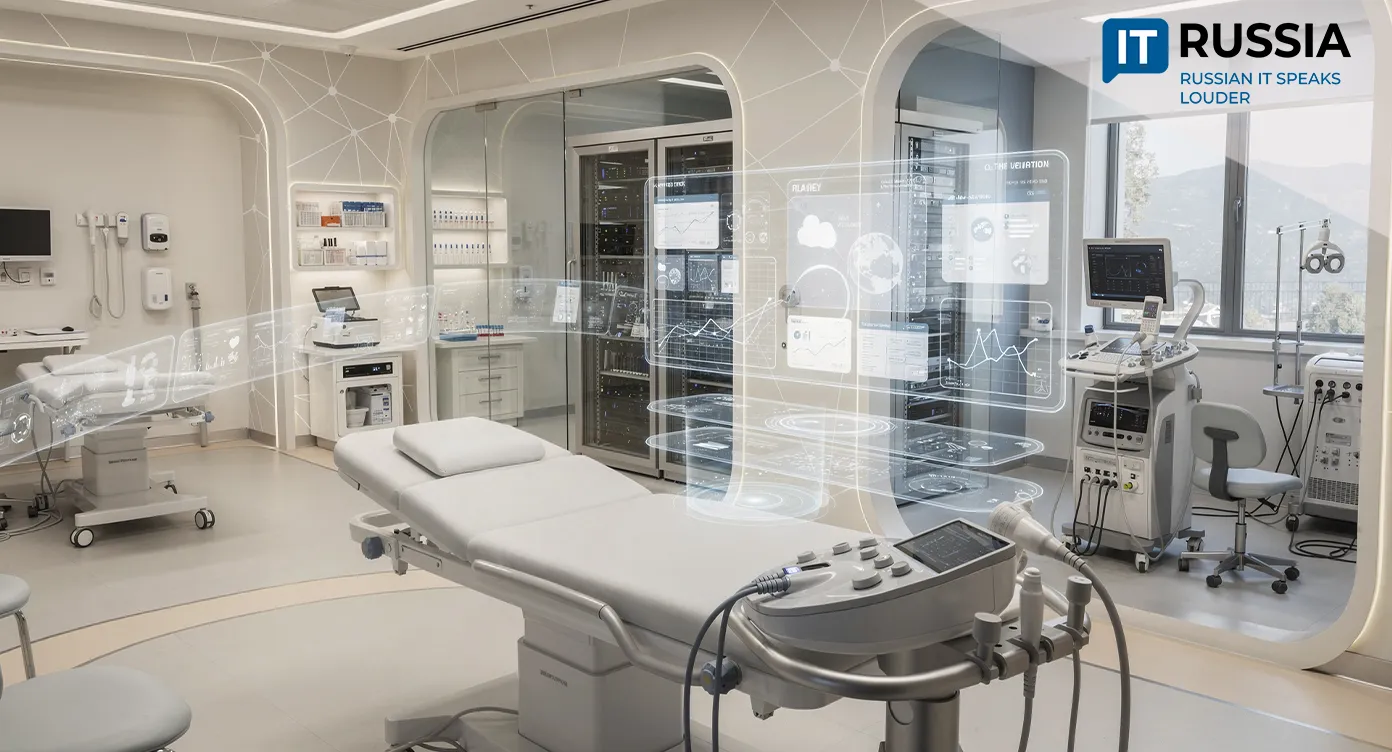
Healthcare providers in Sakhalin Region have begun using the MosMedII platform to analyse medical images and other diagnostic studies. The AI algorithms help physicians identify suspicious findings more quickly, detect potential pathology, and support clinical diagnosis.
Artificial intelligence in Russia is moving beyond isolated pilot projects and becoming part of routine clinical practice. More than 2,000 healthcare organisations across 75 Russian regions are now connected to MosMedII, a Moscow-developed platform that integrates 18 AI services for medical image analysis. Sakhalin Region is among the latest regions to expand deployment of the technology. There, AI supports the interpretation of mammograms, fluorography images, X-rays, and computed tomography (CT) scans.
MosMedII was developed in 2020 by the Moscow Center for Diagnostics and Telemedicine of the Moscow Department of Health. In 2024, following an instruction from Russian President Vladimir Putin, access to the platform was extended to healthcare organisations across all Russian regions.
A Second Opinion for Greater Diagnostic Confidence
Mammography became the first clinical area in Sakhalin hospitals to use the platform. According to Roman Nikitin, Deputy Minister of Health of Sakhalin Region, the region was among the first in Russia to introduce AI into radiology workflows by integrating a neural network with its central medical imaging archive. The platform was later expanded to include examinations of the chest and brain. Healthcare professionals can now access the archive regardless of where they work, including facilities located far from mainland Russia.
It is important to understand that AI does not make diagnoses independently. Instead, it accelerates the review of medical images and other diagnostic results by highlighting potentially significant findings that require a physician's attention. The final clinical decision always remains with the physician.
Platform Benefits
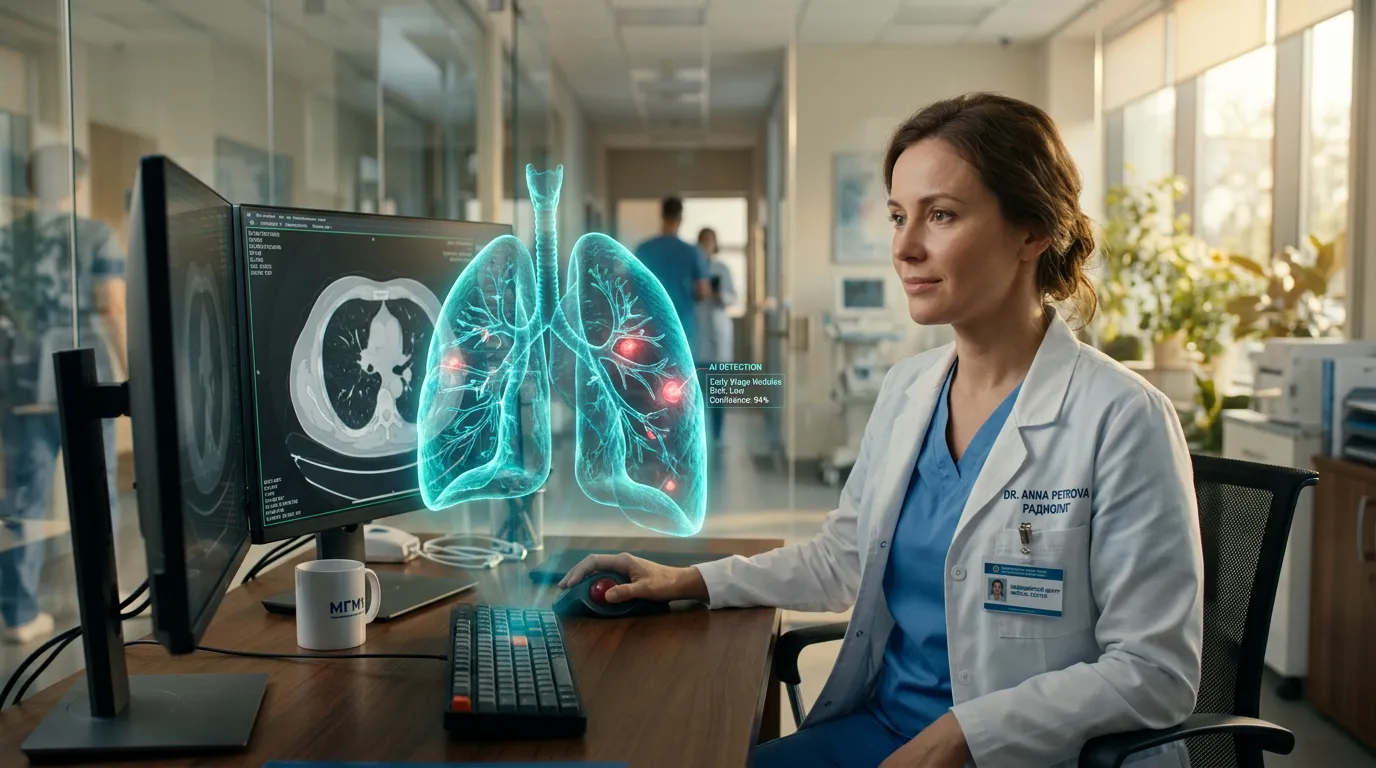
Using MosMedII significantly reduces the time required to interpret medical images while helping clinicians identify disease earlier. The technology is particularly valuable for detecting cancer as well as vascular and pulmonary diseases.
According to the Sakhalin Region Ministry of Health, the use of AI-powered digital algorithms has increased the share of cancers detected at early stages to 62.5%. Behind every percentage point is a patient whose chances of successful treatment have improved.
The platform also helps healthcare organisations address shortages of radiologists, provides a consistent approach to the initial review of medical images, and makes advanced digital technologies available to regional hospitals.
How the Initiative Began
The use of AI for medical image analysis in Russia began with a pilot programme in Moscow, which later became the foundation for nationwide deployment.
In 2023, Russia's Ministry of Health announced plans to equip every region of the country with AI-enabled medical devices. At that time, 32 regions had already signed the necessary agreements. One year later, Moscow's AI services became available to healthcare organisations nationwide. Regional hospitals received free access to algorithms that help physicians detect signs of disease more quickly through medical image analysis. At the same time, AI applications began expanding beyond radiology. Regional healthcare providers started using AI to analyse electronic health records and adopted voice-enabled systems for clinical documentation.
Looking Ahead
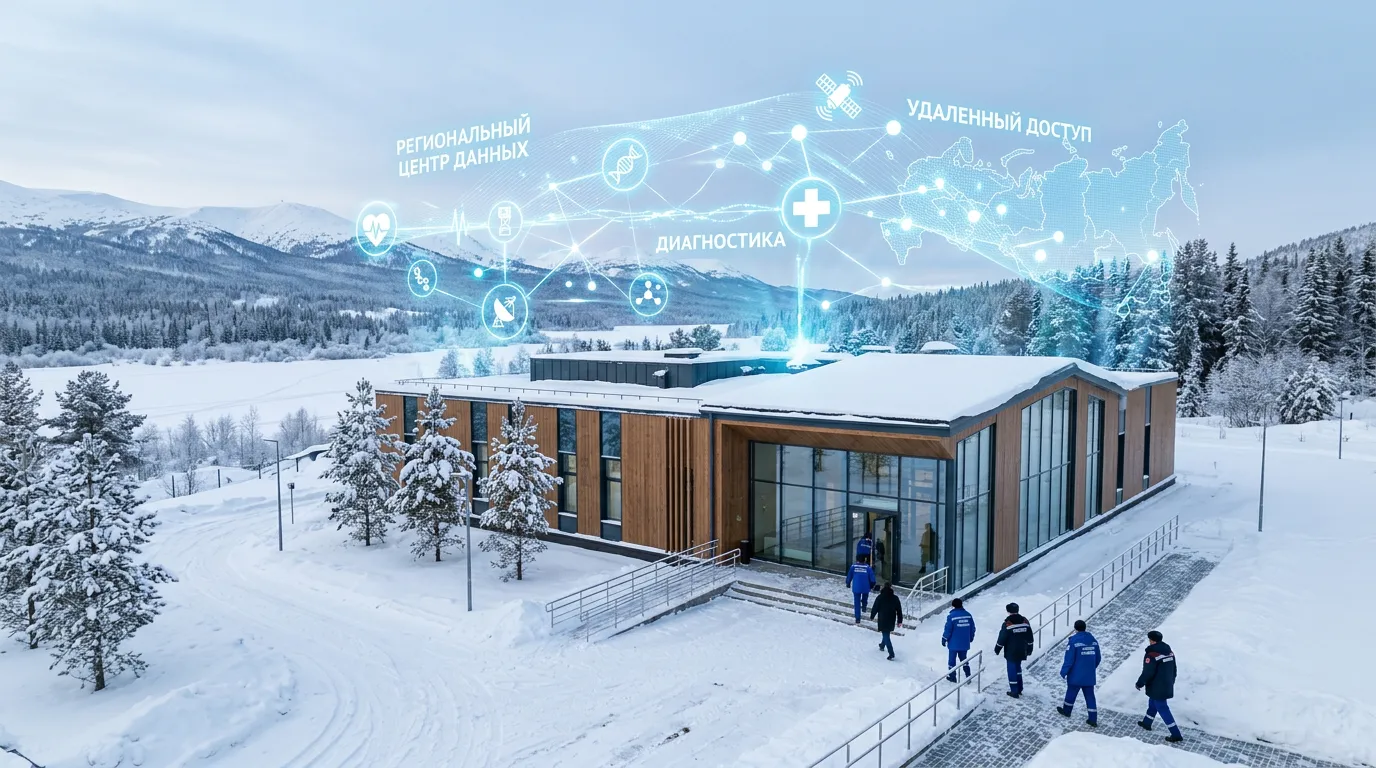
The next stage of digital diagnostics will expand the range of examinations that AI algorithms can analyse. Among the most promising areas are magnetic resonance imaging (MRI), digital pathology, ophthalmic imaging, and ultrasound examinations.
Platform developers are also evaluating automated prioritisation of diagnostic studies based on clinical urgency, comparison of new images with a patient's previous examinations, and deeper integration with electronic health records. Plans also include expanding remote consultations with regional and national clinical experts.