Cerberus on Guard Duty: Russia Unveils a New-Generation Information Security Platform
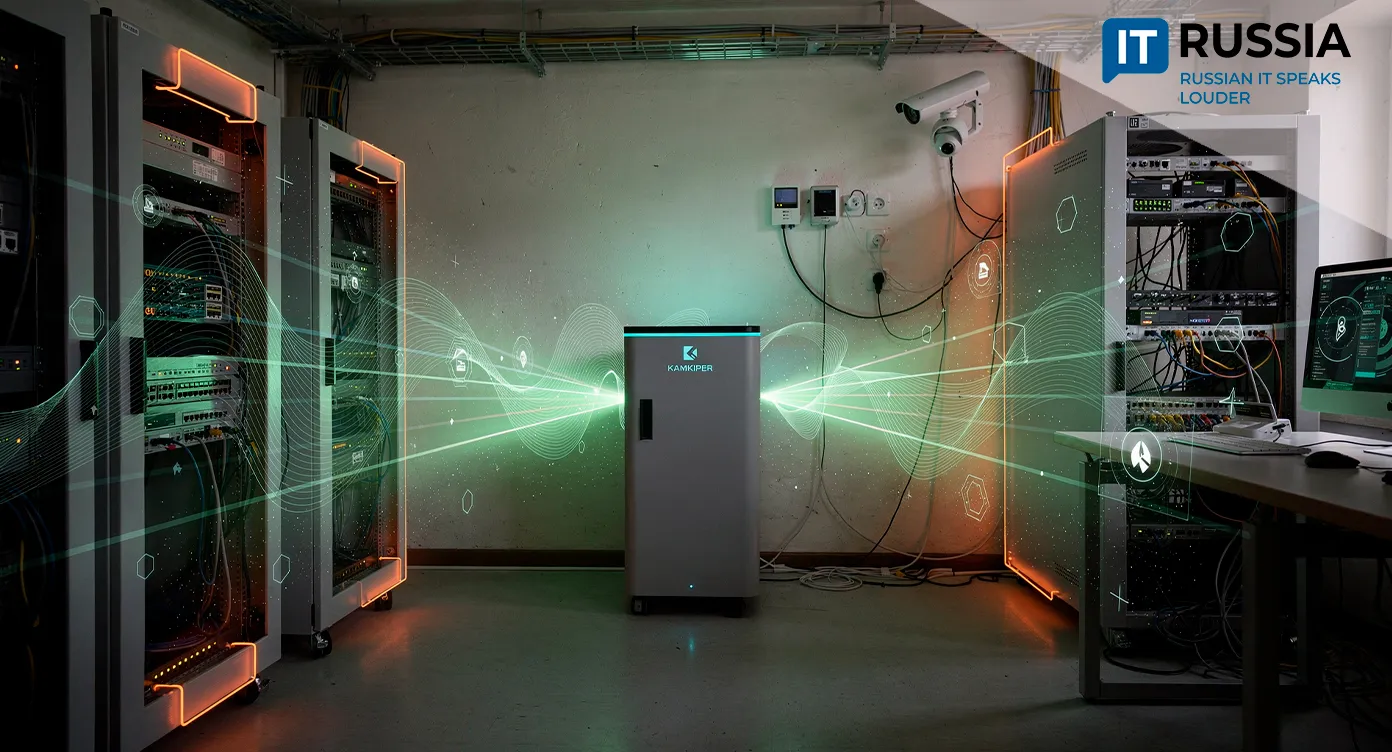
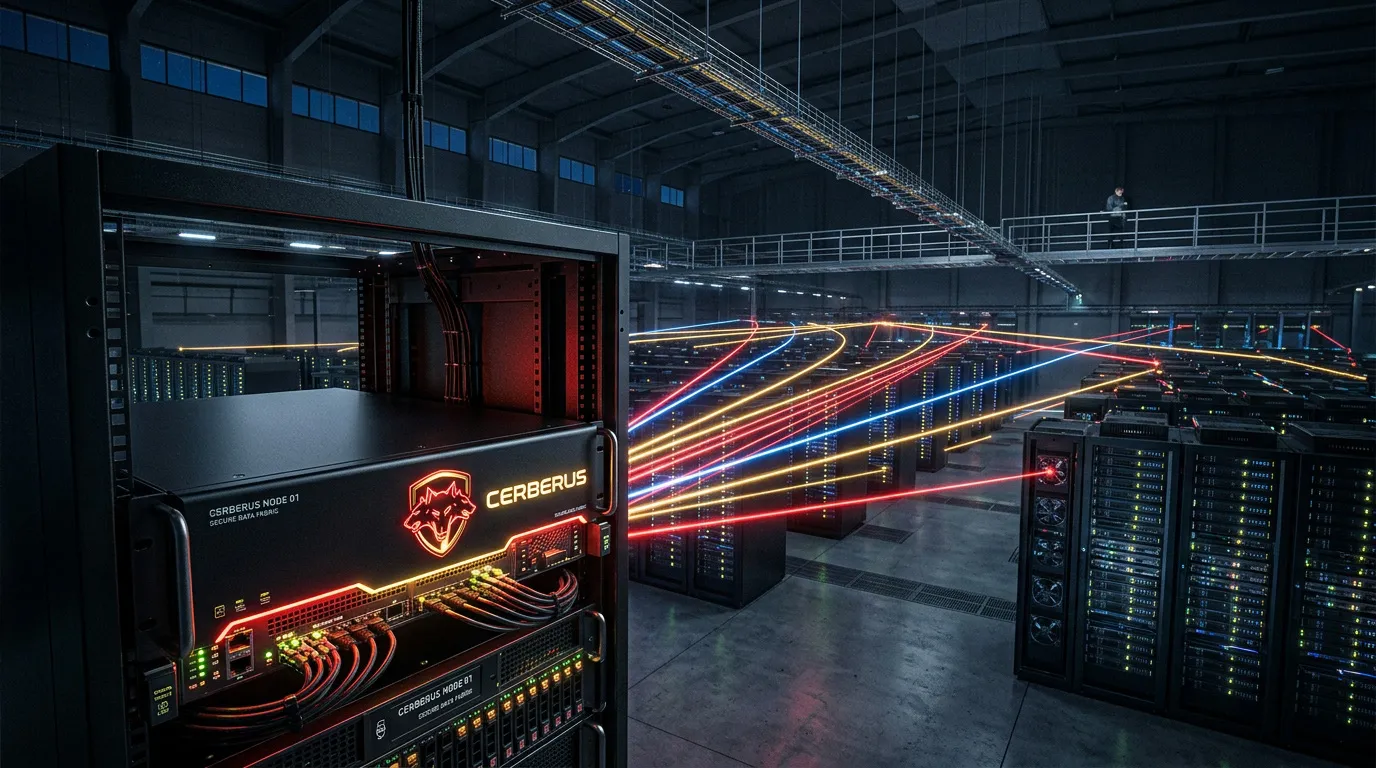
Rostekh has introduced Tserber (Cerberus), a new-generation hardware-software platform designed to protect information systems. Developed by RT-Inform together with Kod Bezopasnosti and Tsifrovye Resheniya, the platform is intended to secure high-traffic networks operated by midsize and large enterprises, state-owned corporations, and government agencies.

The platform combines a next-generation firewall (NGFW), GOST-compliant cryptographic protection, and the high-performance DS Proxima hardware traffic balancer. The latter distributes workloads across network nodes and improves infrastructure resilience. According to Rostekh, no direct equivalent currently exists on the Russian market.
Tserber and Technological Sovereignty
Tserber is designed to protect mission-critical corporate infrastructure, including data centers, government systems, industrial enterprises, large holding companies, and financial institutions. According to the Center for Strategic Research, the Russian NGFW market reached 52.2 billion rubles (approximately $690 million) in 2024, growing by 30.1%. The arrival of a platform that combines NGFW capabilities, cryptographic protection, load balancing, and certified components expands the portfolio of domestically developed cybersecurity solutions.
The platform is expected to improve the reliability of government services, banking systems, and digital platforms. At the same time, it reduces dependence on foreign information security vendors and strengthens technological sovereignty. Tserber is manufactured in Russia, its components are included in the Unified Register of Russian Radio-Electronic Products, and its security technologies hold certifications from both the FSB and FSTEC.
Prospects and Conditions for Success
The most immediate opportunity for Tserber lies in deployment within protected corporate and government environments where performance and regulatory compliance are critical. That includes data centers, industrial facilities, government agencies, telecommunications providers, financial institutions, and energy companies.
Russia's Ministry of Digital Development reports that domestic information security products now account for 91% of the market, while business investment in the sector continues to grow. For major customers, FSTEC and FSB certifications remain mandatory prerequisites for deployment in protected environments.
The platform appears well positioned inside Russia and also carries export potential. Rostekh is evaluating Tserber for delivery to CIS countries, the Middle East, Asia, and Latin America. Success abroad, however, will depend on trust in Russian cryptographic technologies, compatibility with customer infrastructure, and the availability of local partners. International expansion will require adaptation to local regulatory requirements and competition with established global network security vendors.
Strong Domestic Players
Russia's cybersecurity sector has been systematically developing certified NGFW (next-generation firewall) technologies since 2021. UserGate was already working toward compliance with Class 4 Type D firewall protection requirements at that time. A few years later, Positive Technologies introduced PT NGFW for high-load environments, certified by FSTEC under updated standards. In 2024, Solar NGFW received FSTEC certification under the Type A firewall protection profile and Class 4 intrusion detection system requirements. Tserber enters a market that already includes strong domestic competitors. Its distinguishing feature is the integration of multiple capabilities within a single hardware-software platform and its focus on balancing heavy traffic loads.
PT NGFW became the first solution certified under FSTEC's updated multifunctional firewall requirements to be included in the registries of both the Ministry of Industry and Trade and the Ministry of Digital Development in 2025. That same year, Kod Bezopasnosti and Tsifrovye Resheniya deployed four Kontinent 4 NGFW systems and two DS Integrity network packet brokers at a Rostekh data center. These deployments can be viewed as direct technological predecessors of Tserber.
Around the same period, InfoWatch ARMA Stena NGFW received FSTEC certification under Type B and Type D Class IV firewall requirements. A year later, UserGate renewed FSTEC certification for uNGFW, confirming its eligibility for use in government information systems, personal data processing systems, and critical information infrastructure environments.
The launch of Tserber is significant for the broader Russian cybersecurity sector because it introduces a comprehensive domestic hardware-software platform designed for high-load infrastructure. Its defining feature is the combination of NGFW functionality, GOST-compliant cryptography, traffic balancing, and a certified component base. Rostekh's project highlights three major trends: import substitution, growing demand for next-generation firewalls, and increasingly stringent requirements for protecting critical infrastructure.
Tserber is likely to secure a place within the market for protected hardware-software platforms serving data centers, state-owned corporations, and industrial enterprises if its first large-scale deployments prove successful.